


Content Menu
● What Is the Insole of a Shoe?
● The Function and Importance of Insoles
● Common Types of Shoe Insoles
● Materials Used in Insole Manufacturing
>> EVA (Ethylene Vinyl Acetate) Foam
>> Memory Foam
>> Leather
>> Gel
>> Cork
>> Top Layer
>> Mid Layer
>> Bottom Layer
● How Insoles Are Manufactured
>> Foam Injection or Compression Molding
>> Die Cutting
● Benefits of Using High-Quality Insoles
● OEM Insole Manufacturing Services
● Selecting the Right Insole for Your Footwear
● Global Market Trends for Insoles
● Environmental Responsibility in Insole Production
● How to Maintain and Replace Insoles
● Why Choose a Chinese OEM Insole Manufacturer?
>> Advantages
● FAQ
>> 1. What materials are best for insoles?
>> 2. How can I design my own custom branded insole?
>> 3. Are eco-friendly insoles durable?
>> 4. What testing procedures ensure insole quality?
>> 5. How long is the production lead time for OEM insoles?
Understanding what the insole of a shoe is—and how it influences comfort, durability, and customer satisfaction—is crucial for every footwear brand and producer. For international buyers, wholesalers, and distributors, selecting a reliable OEM shoe insole manufacturer can directly impact a brand's market reputation and product success.
As a leading insole manufacturer in China, we specialize in advanced material engineering and customized insole production for global shoe brands. This article offers a comprehensive overview of the insole's structure, material composition, purpose, manufacturing methods, and the value of working with an experienced OEM factory.
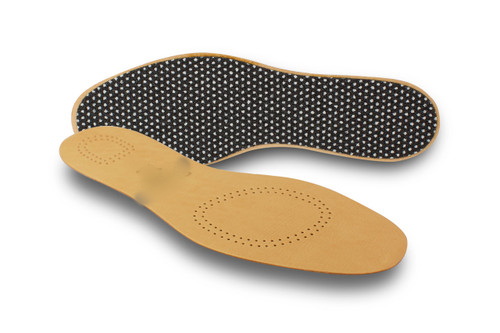
An insole, often referred to as the footbed, is the inner component of a shoe that directly contacts the bottom of the foot. Its design is essential for comfort, foot health, and stability. Depending on the shoe category, it can be removable or permanently fixed. The best insoles combine comfort, breathability, flexibility, and structural support, enhancing the walking or running experience.
The comfort offered by a properly engineered insole makes it a decisive factor in repeat purchases and brand loyalty. Whether you produce fashion footwear, sports shoes, or work boots, the insole design contributes greatly to how users perceive your product's overall quality.
The insole performs several important functions that affect both short-term comfort and long-term foot health. Beyond adding softness to the step, it also assists in posture correction, weight distribution, and impact absorption. These factors are vital for reducing fatigue and preventing injury.
- Cushioning to absorb and distribute shock during walking or running.
- Foot arch support that maintains natural alignment and prevents strain.
- Moisture and odor control, ensuring hygienic wear conditions.
- Enhanced shoe fit that minimizes slipping and internal foot movement.
- Reduction of joint pressure for users who stand or walk for extended periods.
- Improved thermal insulation, keeping feet warm during cold weather and cool in hot conditions.
For brands focused on ergonomic footwear design, investing in carefully engineered insoles can set their products apart from competitors.
Every shoe type demands a unique insole solution designed for its intended purpose. Manufacturers classify insoles into the following main categories:
Widely used in everyday footwear, comfort insoles are made with soft foams such as EVA or memory foam. They relieve pressure, improve cushioning, and enhance the walking experience.
Orthotic insoles are designed to correct foot posture and treat alignment issues. They are popular among users with flat feet or plantar fasciitis.
Used in running shoes, hiking boots, and performance footwear, athletic insoles include gel or air cushioning systems for superior shock absorption. Their structure supports stability and flexibility during active motion.
These insoles integrate transparent silicone or sealed air pockets that provide responsive cushioning and spring-like energy return. They help reduce stress on the heel, arch, and ball of the foot.
Leather insoles combine luxury with functionality. They regulate moisture naturally and allow the shoe to breathe, ideal for dress shoes or high-end collections.
Designed for heavy-duty footwear, work boot insoles focus on pressure resistance, anti-fatigue design, and thermal protection. They support workers who spend long hours on their feet.
The performance and durability of insoles depend heavily on material selection. We produce insoles using advanced foams, natural materials, and customized compounds developed through years of research in polymer technology.
Lightweight, elastic, and affordable, EVA foam is widely used in running and casual shoes. It provides a soft, responsive feel.
More resilient and durable than EVA, PU foam offers long-lasting cushioning and is commonly used in professional sports footwear.
This viscoelastic material conforms to the user's foot shape, providing personalized comfort and reducing pressure points.
Natural leather insoles absorb sweat effectively, preventing odor and ensuring breathability.
Gel-based insoles offer excellent impact resistance and are ideal for shock absorption in athletic shoes.
Used in eco-friendly shoe collections, cork provides natural cushioning, antimicrobial properties, and durability.
The combination of these materials is often tailored to specific footwear categories, ensuring the right balance between comfort, cost, and performance.

Modern insoles are not single-layer components. They're made of multiple layers with specific purposes to maximize comfort and performance.
The top surface, usually made from mesh, polyester, or microfiber, ensures softness and prevents friction.
The structural body of the insole provides cushioning and support. It's usually EVA, PU, or a gel foam combination.
The base layer ensures stability inside the shoe, often textured or anti-slip.
In premium insole designs, a heel pad or arch insert can be added for extra reinforcement.
Producing insoles requires a balance between craftsmanship and advanced machinery. At our Chinese factory, precision molding technology ensures each piece matches design requirements and ergonomic standards.
Raw materials are compounded and cut into sheets or granules, ready for molding.
EVA or PU materials are injected or compressed into insole molds under specific temperature and pressure conditions.
Various layers such as textiles, gels, and foams are bonded together using environmentally friendly adhesives.
The cured materials are cut into precise insole shapes using CNC or hydraulic cutting machines.
Logos or design patterns are added through heat transfer, embossing, or digital printing.
Each product undergoes rebound testing, compression testing, and surface inspection before export.
The entire process ensures consistent quality and adaptability for mass production.
Before shipping, high-quality insoles undergo rigorous performance evaluations to ensure long-term comfort and reliability. Testing includes:
- Compression set analysis to check deformation after repeated load cycles.
- Flexibility test to simulate bending conditions during walking.
- Slip resistance evaluation on both dry and wet conditions.
- Density and hardness measurement to maintain consistent cushioning.
- Odor resistance and antibacterial activity testing for hygiene assurance.
These tests guarantee the insoles meet international quality expectations for sports, fashion, and industrial footwear markets.
Choosing premium insoles significantly improves the user experience and helps build positive brand reputation.
- Increased comfort for various foot types and daily activities.
- Better energy transfer due to ergonomic arch and heel design.
- Longer product life as the insoles resist flattening and distortion.
- Enhanced hygiene from breathable and antimicrobial fabric layers.
- Reduction of return rates and higher customer satisfaction for footwear brands.
In short, quality insoles transform ordinary shoes into premium footwear.
Our OEM insole manufacturing capability supports global shoe companies that need professional solutions tailored to their market.
Our engineers collaborate with clients to create unique shapes, arch contours, and layer structures suited to target demographics.
We can produce hybrid insoles combining multiple materials to achieve specific performance goals such as cushioning, thermal regulation, or eco-friendliness.
Logos, serial numbers, and private labels can be integrated into the design. Customized packaging solutions are also available for retail-ready presentation.
All products comply with ISO and REACH standards. We utilize safe adhesives and recyclable packaging materials.
Different customers expect different experiences from their shoes. Choosing the right insole type for each footwear segment ensures optimal functionality and satisfaction.
| Shoe Category | Recommended Insole | Benefits |
|---|---|---|
| Running Shoes | EVA + Gel Hybrid | Lightweight, shock-absorbing, energy return |
| Leather Dress Shoes | Leather or Cork | Breathability and classic aesthetic |
| Hiking Boots | PU Foam + Orthotic Support | Stiffness and fatigue reduction |
| Work Shoes | Dense PU or Multi-Layer | Stability under high load and anti-fatigue |
| Sneakers | Memory Foam | Personalized fit and modern comfort |
By aligning insole types with usage scenarios, brands can effectively position products in both budget and premium segments.
The global insole market is evolving rapidly as consumers place greater emphasis on comfort and health. Custom orthotic sales and eco-material innovations are on the rise. In particular, brands are seeking ways to add sustainability, using biodegradable materials such as cork, bamboo fiber, and recycled EVA.
OEM manufacturing in China plays a key role in this transformation. Our factory has introduced low-carbon foam technology, which reduces chemical waste and improves energy efficiency during production.
With an increasing number of shoe companies adding replaceable or customizable insoles as a selling feature, the emphasis on quality and comfort is higher than ever before.
Sustainable manufacturing isn't just a trend—it's a commitment. Our company implements material recycling programs, water-based adhesives, and energy-saving molding systems. We also support brands seeking eco certifications by providing documentation on chemical safety and production compliance.
By offering biodegradable and plant-based material options, we help buyers introduce environmentally responsible footwear lines in their markets.
Even high-quality insoles have limited lifespans due to continuous pressure and moisture exposure. To maintain maximum comfort and hygiene:
- Wash removable insoles regularly with mild soap and water.
- Air dry instead of using dryers or direct sunlight.
- Replace pair every 6 to 12 months based on intensity of use.
- Ensure shoes are ventilated to prevent odor buildup.
Regular maintenance not only enhances comfort but also prolongs the life of your footwear.
Partnering with a professional OEM factory in China gives you more than cost advantage—it gives you access to world-class engineering, materials, and flexibility in production scaling.
- Competitive manufacturing costs and stable supply chains.
- Strong R&D capabilities for custom designs.
- Reliable experience exporting to Europe, North America, and Asia.
- Strict quality control systems and testing equipment.
- Skilled design team offering full 3D modeling support.
Whether you produce fashion sneakers or high-performance work boots, we can help you achieve consistent quality at scale and build strong brand loyalty in your target markets.
The insole might appear small, but its function is the heart of footwear comfort and performance. A well-made insole supports posture, absorbs impact, manages moisture, and enhances the overall experience of wearing shoes. For international brands and distributors, partnering with a competent Chinese OEM manufacturer can turn standard footwear lines into premium market successes.
Our mission is to deliver professional, durable, and comfortable insoles that elevate product value and user satisfaction. If you are developing new shoe collections or seeking a dependable long-term supply partner, contact our engineering and sales team to customize your ideal insole solution.
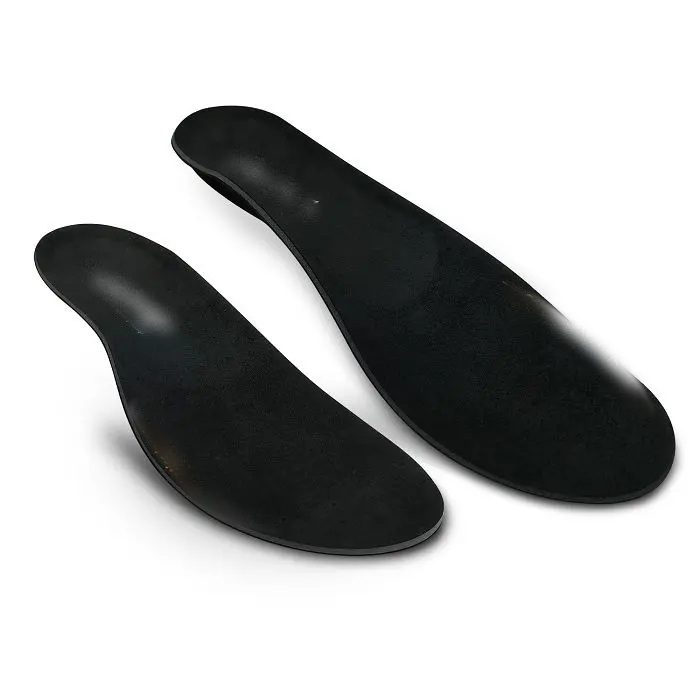
The best materials depend on usage. EVA and PU are suitable for sports, leather for dress shoes, and memory foam for daily wear. Gel and cork are great for hybrid comfort and eco-friendly options.
Send your design sketches or 3D models to our OEM team. We'll produce molds, prototypes, and final products matching your logo, color, and technical requirements.
Yes. Modern biodegradable or recycled materials maintain durability comparable to synthetic foams while offering improved sustainability performance.
Each batch undergoes compression set testing, flexibility testing, moisture absorption evaluation, and wear simulation to ensure consistent comfort and longevity.
Most OEM orders are completed within 25–40 days, depending on order size, design complexity, and material availability. We also provide expedited production options.


