
Views: 222 Author: Edvo Publish Time: 2025-12-23 Origin: Site


Content Menu
● The Importance of Insoles for High Arches
● Different Types of Insoles for High Arches
>> 1. Orthotic Arch Support Insoles
>> 2. High-Density Foam Insoles
>> 3. Gel Insoles with Targeted Arch Zones
>> 5. Leather and Cork Insoles
● Features That Define a Good Insole for High Arches
● OEM Customization and Design Solutions
● The Science Behind High-Arch Support
● Advantages of High-Arch Insoles for Users and Brands
● Quality Control in Insole Manufacturing
● Sustainability and Eco-Friendly Options
● Choosing the Right Insole for Different Lifestyles
● Key Market Trends for High-Arch Insoles
● FAQ
>> 1. What problems can high arches cause?
>> 2. Can regular insoles work for high arches?
>> 3. How often should insoles be replaced?
>> 4. Are custom insoles worth the investment?
>> 5. Which materials are ideal for high-arch insoles?
Many people experience foot pain and discomfort because of their foot shape, and one of the most common yet often ignored issues is having high arches. When the natural curve of the foot is more elevated than usual, the body's weight is not distributed evenly, causing excessive pressure on the heel and forefoot. The right type of arch insole can help restore comfort, reduce pain, and improve walking posture for those with high arches.
As a leading insole manufacturer from China, our company specializes in designing and producing OEM insoles for international brands, wholesalers, and footwear factories. Over the years, we have studied various foot structures and manufacturing materials to create solutions that meet both comfort and durability standards. In this guide, we will discuss the types of insoles recommended for high arches, their functional benefits, and how brands or factories can select or customize the ideal options for different markets.
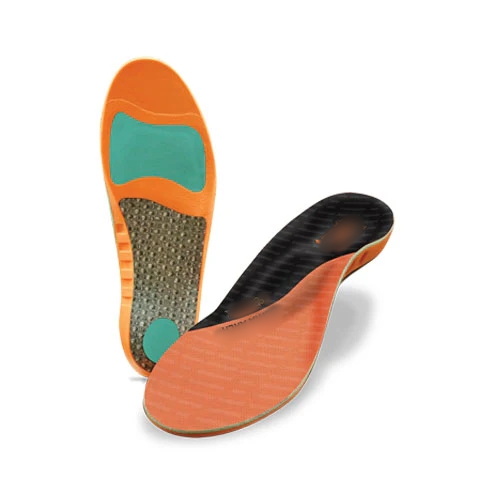
High arches, medically referred to as pes cavus, describe feet with an unusually pronounced curvature. This condition may occur naturally or result from neurological or genetic factors. While it may not always cause immediate pain, the imbalance it creates often leads to long-term strain and discomfort.
When someone with high arches walks or runs, most of the body weight is borne by the heel and the ball of the foot. The middle part—the arch—barely touches the ground. Over time, this imbalance may lead to issues such as:
- Chronic heel or forefoot pain.
- Frequent ankle sprains due to reduced stability.
- Tight calves and Achilles tendons.
- Pain in the knees, hips, and lower back caused by poor alignment.
- In extreme cases, metatarsalgia or plantar fasciitis.
Because high arches cannot absorb impact efficiently, they create shock throughout the leg every time the person walks or takes a step. Proper insole design helps to bridge the gap between the arch and shoe, ensuring better balance, comfort, and long-term health.
Insoles serve more than just a cushioning purpose—they correct alignment, enhance weight distribution, and support the entire biomechanical structure of the foot. For people with high arches, a suitable insole can dramatically change how their feet feel throughout the day.
High-arch insoles perform these essential functions:
- Redistribute pressure across the entire sole to ease hotspots under the heel and ball.
- Provide arch stability so the foot maintains its natural position and reduces inward or outward rolling.
- Improve shock absorption to minimize joint stress during movement.
- Enhance comfort and posture, especially for long working hours or frequent physical activity.
Without proper support, high arches can cause calluses, pain, and fatigue even with expensive footwear. Therefore, OEM brands must consider this group when designing their shoe or insole lines, as high arch consumers often actively seek quality solutions.
There are several types of insoles intended for high arches. Each category offers distinct benefits related to comfort, performance, and cost. Understanding these differences helps both consumers and OEM manufacturers create better choices for various footwear ranges.
Orthotic insoles are engineered to provide firm, structural support to the foot arch. They prevent over-supination and guide the foot toward a balanced position during walking or running. These insoles usually feature a rigid base—such as TPU or carbon fiber—combined with a soft top layer made of EVA or PU foam for cushioning.
They are ideal for sports shoes, medical-grade footwear, or any application where corrective stability is key. OEM shoe manufacturers often use orthotic insoles as premium inserts in athletic or orthopedic models.
High-density foam insoles are widely used for their comfort and adaptability. They can compress slightly to match the shape of a high-arched foot while offering firm support underneath. The foam acts as both a shock absorber and stabilizer, suitable for running shoes, sneakers, or casual footwear.
Foam variants such as EVA, PU, and memory foam differ in resilience and softness. Combining these layers gives manufacturers flexibility to match brand positioning—soft, luxury comfort or professional athletic performance.
Gel insoles cater to consumers who prioritize cushioning and flexibility. They often incorporate silicone pads strategically placed under key pressure points such as the heel, arch, and forefoot. For high arches, the raised gel zone under the midfoot helps distribute weight evenly while providing comfort.
The advantage of gel insoles lies in their shock absorption and immediate comfort feel. They suit everyday shoe models, casual footwear, and introductory-level support lines where users may not need rigid orthotic support.
For the most personalized experience, heat-moldable insoles are an advanced solution. They soften with heat and adapt to the wearer's foot shape on the first use. This process provides exact arch matching, ensuring full contact and an individualized fit.
Many athletic brands and medical equipment companies integrate moldable insoles into high-performance footwear collections. For OEM manufacturers, this type offers a high-value product that can be marketed as premium or professional-grade.
Natural materials like leather and cork appeal to consumers who value sustainability and long-term use. Cork naturally molds to the foot shape over time, creating customized comfort while maintaining firmness. When paired with genuine leather, these insoles offer a breathable, durable, and elegant finish.
Leather and cork insoles are popular in dress shoes, business footwear, and luxury handcrafted models. OEM factories can utilize these materials to target eco-conscious or high-end markets.
When developing or selecting insoles, attention to detail determines comfort and performance. The best insoles for high arches typically include the following features:
- Deep, supportive arch shape: Should cradle the foot without creating pressure points.
- Cushioned heel cup: Stabilizes the foot and absorbs impact during motion.
- Breathable upper layer: Mesh or antimicrobial fabrics help reduce odor and moisture buildup.
- Durable materials: High-density EVA, PU, or TPU keeps the shape firm after long use.
- Full-foot coverage: Prevents sliding within the shoe and enhances balance.
- Lightweight construction: Ensures flexibility while avoiding unnecessary bulk.
Manufacturers must carefully select materials that balance both resilience and comfort according to target market expectations.
As an experienced OEM insole manufacturer, we support brands in designing custom products specifically tailored for high arches. Our advanced machinery allows precise control of each design element—from arch height to surface texture. Typical customization options include:
- Multiple arch height levels.
- Dual-density or triple-layer structures.
- Gel, foam, or cork combinations for mixed support.
- Molded or removable heel cups.
- Fabric covers with branding or anti-slip coatings.
We also provide packaging assistance, branding consultation, and international shipping feasibility. OEM cooperation allows clients to quickly introduce new models in their markets while maintaining consistent quality control.
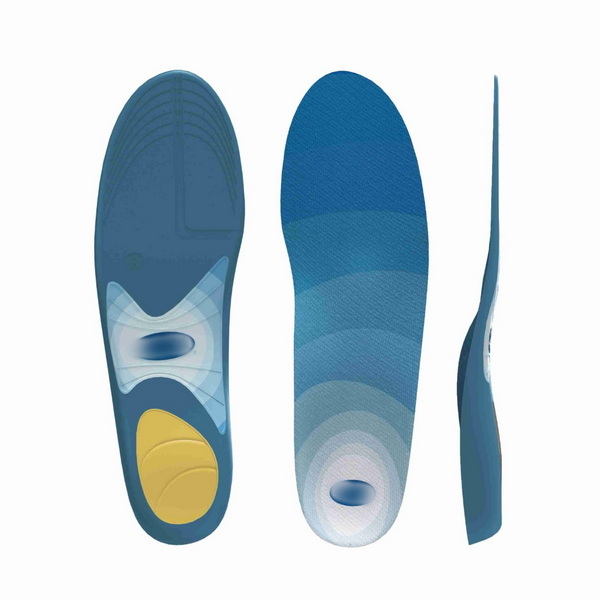
A well-designed insole doesn't just fill a gap—it redistributes forces during each step. Biomechanical testing shows that a properly contoured insole reduces peak pressure in the heel and forefoot areas, where high-arch users typically experience discomfort.
For athletes, this translates to improved energy transfer and performance with reduced muscle fatigue. For industrial workers, it means less pain after standing or walking for long hours. For casual users, the right insole provides comfort and confidence with every stride.
By analyzing these elements, insole developers can create specialized product lines—for example, sport support insoles, daily comfort insoles, or orthopedic medical inserts—all optimized for high arches.
Adopting well-structured high-arch insoles provides significant benefits:
- For users: Relief from pressure pain, better posture, reduced risk of injury, and fatigue prevention.
- For brands and retailers: Offering specialized solutions helps differentiate your product line and appeal to niche markets seeking ergonomic comfort.
- For OEM exporters: High-arch insole products generate strong customer reorders due to consistent satisfaction and visible results.
In essence, providing products that truly improve comfort also strengthens brand reputation and long-term buyer trust.
Consistency in quality is essential when producing insoles at scale. Our factory follows precise testing procedures to ensure every shipment meets client standards. During production, materials undergo stress tests for compression resistance, elasticity, and odor control. Finished insoles are checked for even density, proper curing, and accurate molding dimensions.
We use industrial-grade EVA, TPU, and PU foams sourced from reliable suppliers to ensure long-term durability. Every step, from the cutting stage to final packaging, follows international quality assurance guidelines. This attention to detail enables our OEM partners to confidently market products under their own brands.
Modern consumers increasingly value environmentally friendly products. In response, we have developed sustainable materials such as biodegradable EVA foam, recycled rubber, and natural cork. These materials not only reduce carbon footprint but also maintain high performance levels suitable for footwear manufacturing.
We can integrate eco-friendly design principles, such as water-based adhesives and recyclable packaging, into the OEM production line. This way, footwear brands can promote both comfort and environmental responsibility within a single product.
High-arch users vary greatly in their daily activities. Understanding their lifestyle helps determine the most suitable insole recommendation.
- Office workers: Prefer lightweight foam or leather insoles that fit formal shoes.
- Athletes: Require firm arch reinforcement and superior shock absorption to protect against high-impact movements.
- Outdoor enthusiasts: Benefit from water-resistant, odor-control, and highly durable insoles.
- Elderly customers: Need extra cushioning around the heel and ball for balance and comfort.
- Production laborers or factory workers: Depend on thick, anti-fatigue insoles with supportive heel cups for prolonged standing hours.
Offering multiple categories with targeted functions allows brands to serve every user group effectively.
In recent years, the global insole market has evolved rapidly. Demand for orthopedic and comfort insoles continues to grow due to increasing health awareness and lifestyle changes. Consumers now seek customizable, breathable, and sustainable products more than ever before.
OEM manufacturers that invest in research, material innovation, and ergonomic design will continue to lead this industry. Smart insoles with pressure sensors and adaptive cushioning are also gaining attention, showing strong potential for future development.
For existing brands, expanding your portfolio with high-arch-specific insoles can attract loyal customers seeking long-term foot comfort and health solutions.
To maintain performance, proper care of insoles is essential:
- Clean the surface regularly with mild soap and air dry.
- Avoid machine washing or exposure to direct sunlight.
- Store them in dry conditions to preserve elasticity.
- Replace insoles every 6–12 months depending on daily wear.
- For removable models, alternate pairs to extend longevity.
Including a maintenance guide on packaging or instruction leaflets adds credibility to your brand and encourages repeat sales.
Finding the right insole for high arches is more than a comfort choice—it is a fundamental step toward better health and posture. Orthotic, foam, gel, cork, and moldable insoles each provide unique benefits suitable for different foot types, lifestyles, and preferences. The right design helps balance body weight, absorb shock, and maintain alignment.
As a professional insole OEM manufacturer in China, we specialize in customized high-arch solutions for global brands and wholesalers. Through precise engineering, sustainable material options, and advanced production capabilities, we deliver insoles that combine comfort, function, and reliability. Supporting your brand's vision, we aim to create footwear experiences that truly care for every step your customers take.
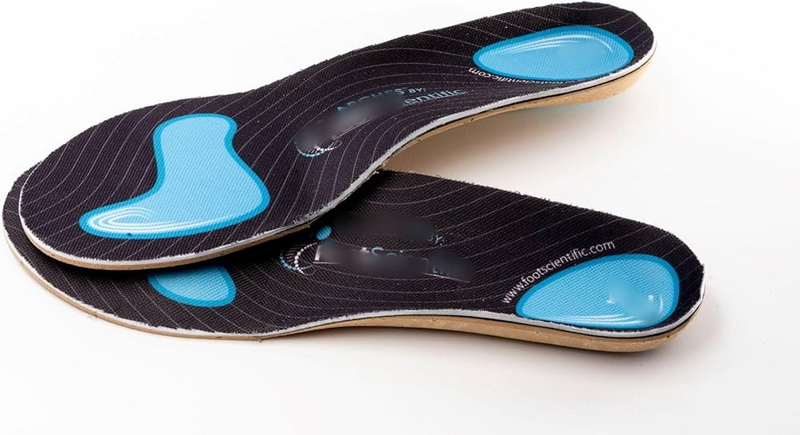
High arches can lead to heel and forefoot pain, unstable walking, and increased risk of ankle sprains due to uneven weight support.
Flat insoles rarely provide sufficient arch support. People with high arches need contoured insoles designed to match their specific foot shape.
Insoles should generally be replaced every 6 to 12 months, depending on activity level and material durability.
Yes. Custom or moldable insoles deliver better alignment and comfort, especially for individuals with unique foot shapes or chronic pain.
EVA foam, TPU support plates, gel inserts, and cork bases are exceptional choices that combine flexibility, cushioning, and long-term stability.


