
Views: 222 Author: Edvo Publish Time: 2025-12-23 Origin: Site


Content Menu
● Why Insoles Matter for Arch Pain
● Main Types of Insoles for Arch Pain
● Choosing the Right Insole Material
● Matching Insoles to Foot Types
● Additional Features to Consider
● How to Fit Insoles Correctly
● Benefits of Using Proper Insoles
● When to Replace Your Insoles
● Why OEM Insoles Are a Smart Choice
● Everyday Tips to Prevent Arch Pain
● The Science Behind Insole Design
● Environmental Considerations and Sustainability
● FAQs about Insoles for Arch Pain
>> 1. What are the best insoles for flat feet?
>> 2. Can I use insoles in all shoe types?
>> 3. How long do insoles last?
>> 4. Do expensive insoles guarantee better pain relief?
>> 5. Can insoles fully cure arch pain?
Arch pain is a widespread issue experienced by people across all walks of life — from athletes and factory workers to professionals who spend long hours standing. The arch serves as the main shock absorber of your body, protecting bones, joints, and soft tissues from repetitive stress. However, when this structure loses balance or support, discomfort quickly develops.
Choosing the correct arch insole is one of the simplest yet most effective ways to manage arch pain and restore natural comfort. Whether you're dealing with mild irritation or chronic plantar fasciitis, the right insole can improve both performance and long-term foot health.

Arch pain originates in the middle of the foot where tendons and ligaments support the arch. When these tissues become strained or inflamed due to overuse or poor footwear, pain occurs.
Common causes of arch pain include:
- Standing or running for extended periods without adequate shock absorption.
- Wearing shoes with poor arch structure or flat soles.
- Overpronation (foot rolling inward) or supination (rolling outward).
- Weight gain or pregnancy, which increases pressure on the foot.
- Medical conditions like plantar fasciitis, arthritis, or tendon injuries.
The discomfort can range from mild soreness to sharp, stabbing pain that worsens after resting or in the morning when taking your first steps. If not addressed early, the problem can spread to other parts of the body such as the ankles, knees, hips, or lower back due to improper posture and alignment.
Insoles are the foundation of comfort. They work inside your shoe to cushion, stabilize, and align your feet properly. A good insole doesn't just protect the arch — it improves overall body dynamics. When your feet are supported, every movement, from walking to running, becomes smoother and less stressful.
Here's how a high-quality insole helps:
- Reduces pressure points by evenly distributing weight across the foot.
- Improves shock absorption with each step or stride.
- Provides targeted arch lift to maintain healthy curvature.
- Supports correct ankle and knee alignment to prevent joint strain.
- Minimizes fatigue, especially during standing-intensive work days.
In other words, insoles are a long-term investment in comfort and mobility.
Orthotic insoles are designed for therapeutic correction. They are either custom-made by a podiatrist or purchased as pre-formed orthotic inserts with advanced support structures. If your foot pain results from biomechanical imbalances, orthotics can be life-changing.
These insoles align the foot, ankle, and knee into a natural position, preventing excessive motion. Orthotic insoles are commonly used by people with flat feet, plantar fasciitis, or high arches. The materials used — often carbon fiber, thermoplastic, or high-density foam — help maintain firm arch lift even after extended use.
Ideal users: individuals with chronic arch or heel pain, workers who stand all day, or athletes with repetitive strain injuries.
Cushioning insoles focus primarily on comfort. They provide a layer of soft material under the foot, improving the walking experience for casual wearers. These insoles may include gel, PU foam, or EVA base layers, all of which act as shock absorbers.
Cushioning insoles work well for individuals who have minimal structural issues but need soft support during long work hours. Though they may wear down over time, they are extremely lightweight and ideal for most everyday shoes.
Ideal users: people with mild discomfort, athletes seeking additional shock absorption, and those needing soft footbeds for daily shoes.
Unlike cushioning insoles that prioritize softness, supportive insoles focus on stability. They're slightly firmer and provide defined arch reinforcement to reduce pronation and improve balance.
Supportive insoles promote efficient movement and body alignment, especially for users with medium to high arches. They help maintain structural integrity, reducing the risk of arch collapse and ankle misalignment during walking or running.
Ideal users: construction workers, hikers, or individuals who regularly lift heavy objects and need consistent underfoot support.
People with high arches don't naturally absorb shock well because the foot doesn't flatten enough when striking the ground. High-arch insoles fill the gap between the midfoot and sole, offering extra cushioning and distributing pressure evenly.
These insoles often include a curved form contour along the medial side, providing comfort to both the arch and heel. Additionally, they can help prevent metatarsalgia, a painful condition affecting the ball of the foot.
Ideal users: those with naturally raised arches or who frequently experience soreness in the heel or ball of the foot.
Flat feet, or fallen arches, cause the entire sole to touch the ground, leading to misalignment of muscles and joints. Using insoles with strong arch lift helps stabilize the foot's natural posture and prevent overpronation.
Flat-foot insoles usually include rigid inserts or deep heel cups that guide the heel into place. Over time, such insoles encourage proper muscle engagement, improving overall posture and gait.
Ideal users: individuals with inward-rolling feet, weak arches, or frequent fatigue during standing or walking.
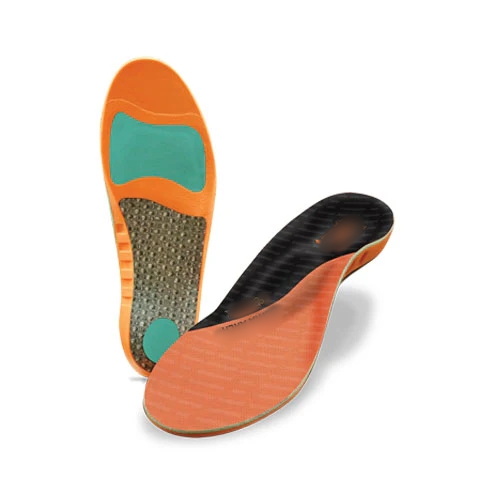
Different insole materials serve different purposes. Selecting the right one ensures both comfort and function:
- EVA Foam: Lightweight and flexible, ideal for everyday sneakers and walking shoes.
- PU Foam: Long-lasting and dense; excellent for heavy-duty and work footwear.
- Memory Foam: Provides plush cushioning but limited structural control.
- Gel: Excellent for shock absorption, especially for runners or high-impact sports.
- Cork: Natural material providing firmness and breathability.
- Thermoplastic Polymer (TPU): Used in performance insoles for durability and responsive support.
When choosing materials, consider where and how you'll wear the insoles. For example, gel works better for running, while cork supports people who stand for hours in industrial environments.
Not all feet are the same. Knowing your arch type ensures that your insole fits perfectly.
- Flat Feet: Require firm support and stability, preferably with a deep heel cup.
- Neutral Arches: Need balanced flexibility with light arch reinforcement.
- High Arches: Benefit from cushioning that fills the arch gap to distribute pressure.
For special cases such as plantar fasciitis or arthritis, medical-grade orthotic insoles help relieve stress from inflamed areas and reduce long-term strain.
When purchasing insoles, it's crucial to look beyond the basic design. The following features determine long-term satisfaction and usability:
- Heel Cushioning: Provides impact protection for the heel bone.
- Breathable Fabric Layer: Keeps your feet dry by wicking away moisture.
- Antibacterial Coating: Prevents odors and bacterial growth.
- Trim-to-Fit Design: Offers precise sizing for different shoe types.
- Dual-Density Technology: Combines firm base with soft top layer for improved comfort.
These details can significantly enhance your experience, especially if you spend the majority of the day wearing the same pair of shoes.
Proper fitting guarantees maximum comfort and functionality. Follow these steps to ensure a secure fit:
1. Remove the existing insole from your shoe.
2. Align and trim the new insole according to your shoe size.
3. Insert it snugly, ensuring there's no folding or sliding.
4. Walk around to test how it feels under different movements.
A well-fitted insole should cradle your arch without squeezing or slanting your weight unnaturally.
Insoles are more than optional accessories — they serve as the key to consistent comfort and injury prevention. By distributing pressure evenly across the feet, insoles allow muscles and ligaments to relax naturally.
Key benefits include:
- Enhanced comfort for daily wear and sports performance.
- Reduced fatigue and improved endurance for workers on their feet.
- Better posture and alignment, supporting knees and hips.
- Increased longevity of shoes due to even weight distribution.
- Enhanced confidence and mobility throughout the day.
From casual walkers to professional athletes, using the correct insole can transform foot health dramatically.
Insoles don't last forever — even high-end ones eventually flatten or lose their resilience. Replace your pair every six to twelve months, or sooner if you notice:
- Unpleasant odors or persistent moisture.
- Visible cracks, tears, or worn arch areas.
- Flattening that reduces cushioning.
- Renewed arch or heel discomfort during use.
Maintaining freshness and structural integrity ensures optimal support and hygiene.
Working with a professional OEM insole manufacturer from China ensures consistent quality, cost efficiency, and brand customization. As a trusted producer for global brands, wholesalers, and shoe factories, we provide complete OEM and ODM solutions including design, prototyping, and mass production.
Key OEM benefits:
- Custom branding through logos, packaging, and labeling.
- Selection from multiple materials (EVA, PU, cork, or gel).
- Flexible sizing and bulk supply tailored to market demand.
- Advanced manufacturing backed by certified quality control systems.
Our production expertise allows us to serve various industries such as sportswear, orthotics, safety footwear, and casual shoes. By partnering with our factory, you gain the ability to expand product lines seamlessly while maintaining top-tier performance standards.
In addition to using quality insoles, adopt daily habits that protect your feet and support recovery.
- Stretch your feet daily, especially after sports or long walks.
- Avoid walking barefoot on hard floors for long periods.
- Rotate shoes to allow air circulation and prevent overuse.
- Maintain healthy body weight to reduce pressure on the arches.
- Wear properly fitted shoes that match your activity type.
Combining these habits with proper insoles ensures lasting relief and improved mobility.
Modern insole engineering integrates biomechanics, ergonomics, and materials science. Designers use digital foot mapping to analyze pressure distribution and motion dynamics. The goal is to create insoles that imitate the natural behavior of muscles and tendons while reducing stress concentration.
Ergonomic designs often feature multi-layer construction: a base for structural support, a mid-layer for energy return, and a top layer for comfort and moisture control. This synergy provides both comfort and functional alignment, turning every step into an efficient motion.
By using advanced molds, vacuum forming, and CNC shaping, OEM manufacturers achieve high precision in arch curvature, ensuring that each pair fits consistently across different shoe models.
As environmental awareness grows, consumers increasingly seek sustainable footwear accessories. Modern OEM insole manufacturing incorporates eco-conscious materials such as recycled EVA, natural cork composites, and water-based adhesives.
Choosing sustainable insoles supports global efforts to reduce waste while maintaining the same durability and comfort level. Manufacturers adopting green production processes enjoy a competitive edge in today's eco-sensitive markets, aligning with brand values and regulatory standards in Europe and North America.
Finding the right insole for arch pain requires understanding your feet, the activities you perform, and the level of support you need. From soft cushioning insoles for daily wear to firm orthotic inserts for chronic conditions, each design serves a unique purpose.
Investing in high-quality insoles reduces pain, boosts posture, and improves endurance, helping you move more naturally and comfortably. For retailers and shoe brands, partnering with a professional OEM insole manufacturer ensures access to customized solutions that combine functionality, durability, and innovative design. A healthy step begins with the right foundation — your insoles.
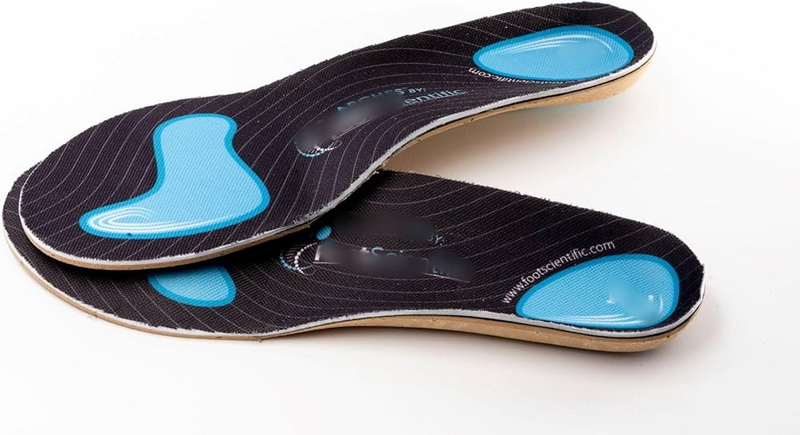
The best insoles for flat feet are firm orthotic or semi-rigid inserts that lift the arch and prevent the foot from rolling inward. They restore alignment and minimize joint tension.
Most insoles fit a variety of shoes, but thickness and design matter. For dress shoes, use low-profile models; for athletic shoes, choose full-length versions with enhanced cushioning.
Durability varies with material quality and usage. Typically, replace your insoles every six to twelve months or earlier if cushioning or arch lift deteriorates.
Not necessarily. Effectiveness depends more on fit and function than price. A properly selected mid-range insole can outperform an expensive one if it matches your foot type.
Insoles relieve stress and improve alignment but are not a complete cure. Combine them with good footwear, stretching, and professional medical advice for best results.


