
Language
Views: 222 Author: Edvo Publish Time: 2025-12-29 Origin: Site


Content Menu
● Understanding the Role of Arch Insoles
● Common Types of Arch Insoles
>> Custom Molded or OEM Insoles
● Where Can I Get A Pair of Arch Insoles From?
>> Direct from OEM Manufacturers in China
● Why OEM Arch Insole Manufacturing Is Growing
● How to Choose the Right Insole Manufacturer
● The Science Behind Arch Support Design
● Emerging Trends in Arch Insole Manufacturing
● The Manufacturing Process Step by Step
● Advantages for Global Brands Collaborating with Chinese OEM Factories
● Tips for Maintaining Your Arch Insoles
● How Arch Insoles Benefit Different Users
● Choosing Between Ready-Made and Custom Insoles
● The Future of the Arch Insole Industry
● FAQ
>> 1. What types of arch supports are best for flat feet?
>> 2. Can arch insoles help reduce lower back pain?
>> 3. How often should I replace my insoles?
>> 4. Are custom OEM insoles more comfortable than generic ones?
>> 5. Can I start my own insole brand without a factory?
Finding the perfect pair of arch insoles can make a world of difference in your daily comfort, long-term foot health, and even overall body alignment. A well-designed insole doesn't just offer cushioning — it supports the structural foundation of your entire posture. Whether you are an athlete pushing your limits, a worker standing long hours, or a person who enjoys walking and traveling, arch insoles can dramatically improve your experience.
When people ask, Where can I get a pair of arch insoles from?, the answer depends on what you're looking for — a single pair for personal use, bulk orders for business, or OEM customizations for a brand. This guide explores the types of arch insoles, where to get them, the benefits of OEM partnerships, and what to look for to ensure lasting comfort and durability.
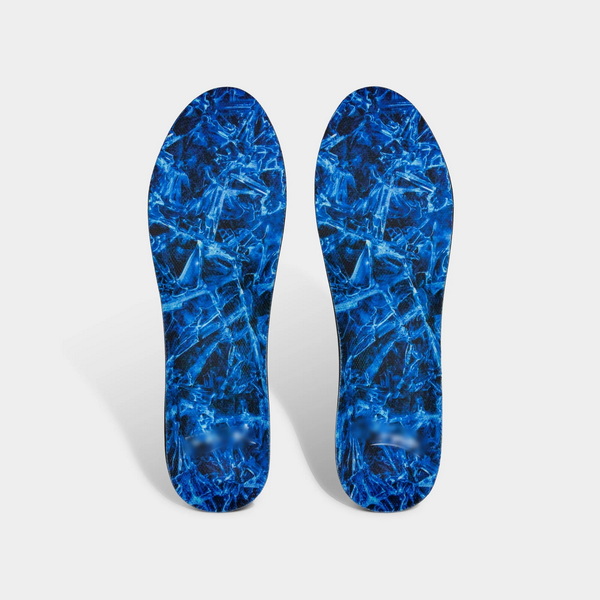
Your foot arch acts like a natural shock absorber. Every step you take generates pressure that travels up through your legs and spine. Without proper support, this pressure may cause fatigue, joint strain, or chronic discomfort. Arch insoles are designed to support this delicate structure, providing stability while distributing body weight evenly.
Using the right insoles helps in several ways:
- They enhance your walking comfort by reducing stress on pressure points.
- They prevent overpronation and flat-foot-related issues.
- They improve muscle alignment, reducing strain in ankles and knees.
- They can alleviate chronic conditions such as plantar fasciitis.
- They offer additional support during sports and fitness training.
For anyone spending hours standing or walking, high-quality arch insoles can turn daily pain into daily comfort.
Different insoles suit different needs. Understanding the main categories helps you choose the one that fits your specific activity or foot type.
These insoles feature a layer of silicone or soft gel in the arch and heel areas. Their main purpose is shock absorption and extra cushioning. They're great for people who spend hours on hard surfaces or want extra comfort in sneakers or work boots.
Made from dense, contouring foam, these insoles “remember” your foot's shape, offering a tailored feel. They are best for comfort-focused users such as office workers, commuters, or elderly people seeking daily support.
Designed by professionals to treat or prevent medical conditions, orthopedic arch supports are often firmer. They provide stronger arch lift and heel stability for people with plantar fasciitis, heel spurs, or overpronation.
Athletes often need insoles that minimize energy loss and support dynamic motion. Sports versions usually combine rigid arch structures with breathable, sweat-wicking materials to keep feet cool while running, hiking, or training.
These insoles are designed for brands, wholesalers, and distributors through OEM production. Manufacturers can customize size, hardness, color, surface pattern, and packaging to align with a company's identity or target market.
When asking “Where can I get a pair of arch insoles from?”, the best source depends on whether you are a consumer or a business buyer.
Retail shops and pharmacies are ideal for personal purchases. These stores carry well-known consumer brands like Dr. Scholl's, offering ready-to-wear options. You can physically try them to test fit and comfort before purchase.
Online marketplaces like Amazon and Alibaba make it easy to browse hundreds of options with reviews and price comparisons. You can filter by foot type, intended use, or arch height. For individuals, this offers the broadest variety and often lower prices.
For businesses, working with OEM manufacturers in China is the most strategic option. Partnering directly gives you control over product design, materials, and labeling while reducing costs. China is globally recognized for its advanced industrial capacity, mature supply chains, and rapid production scalability.
The popularity of OEM manufacturing for arch insoles has grown rapidly in recent years. Modern buyers and brands increasingly demand private label flexibility, faster production cycles, and eco-friendly materials — all areas where Chinese factories excel.
Key benefits include:
- Customization: OEM factories can design insoles for specific sports, shoes, or market segments.
- Cost Efficiency: Mass production reduces unit prices while maintaining quality.
- Consistency: Industrial-quality manufacturing keeps product dimensions uniform and reliable.
- Branding Solutions: Add logos, packaging designs, and marketing materials directly from production lines.
- Innovation: Many factories invest in new technologies such as breathable fabrics, 3D molding, and antimicrobial coatings.
For international wholesalers, this means delivering professional-grade products under their own brand name without building a factory from scratch.
Selecting the right factory partner is as important as the insole's design itself. Here are the main factors to evaluate before partnering with a manufacturer:
1. Material Selection Capability: Ensure the factory offers various materials like EVA, PU, latex, or natural foam.
2. Production Technology: Advanced molding, CNC cutting, and laser shaping ensure better fit and consistency.
3. Quality Certifications: ISO, SGS, or CE certificates demonstrate adherence to international standards.
4. Sample Policy: Request prototypes before mass production to evaluate performance and comfort.
5. R&D Support: Strong manufacturers often have internal engineers who help refine structural and ergonomic designs.
6. Communication Efficiency: Language support and transparent business communication are key to smooth collaboration.
Every foot has unique pressure points and curvature. The secret behind excellent insole design lies in balancing flexibility and rigidity. Soft materials cushion impact, while reinforced arch zones maintain shape under pressure.
Modern insoles often feature multi-layer construction:
- The top layer manages moisture and temperature.
- The middle layer absorbs shocks and redistributes pressure.
- The bottom layer adds stability and controls heel movement.
Manufacturers use methods such as thermoforming, foam compression, and computer-aided modeling to perfect the curvature. These technical advances ensure that each pair of insoles fits naturally while maintaining long service life.
The global insole market continues evolving as consumer lifestyles change. Three key trends stand out:
Eco-conscious consumers prefer environmentally friendly materials such as recycled EVA, bamboo fiber, or bio-based foams. Leading Chinese manufacturers now integrate sustainable sourcing and recyclable packaging.
Some premium products combine orthopedic function with digital sensors for step tracking and posture analysis. Although still emerging, these innovations are reshaping how people view comfort technology.
Brands now design insoles suited for multiple scenarios — from sports shoes and dress footwear to industrial work boots. The demand for all-day comfort has pushed manufacturers toward more versatile designs that cater to diverse wearers.
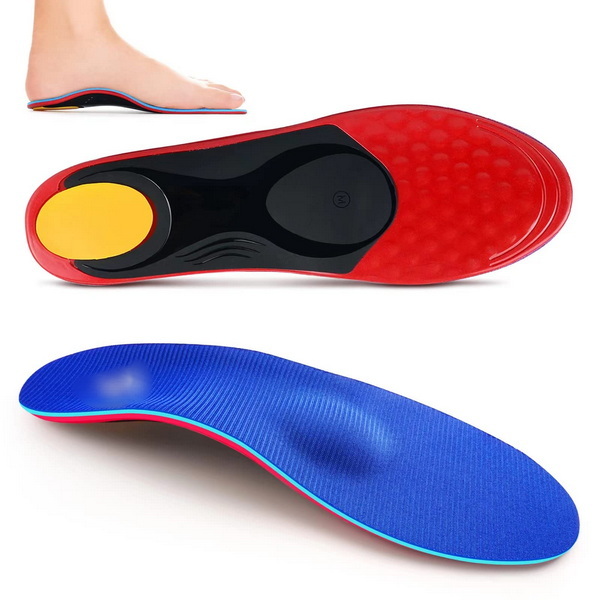
Creating a high-quality arch insole involves detailed steps and craftsmanship. Here's how modern OEM factories approach production:
1. Material Selection: Engineers select foam, gel, or fabric blends suited to the buyer's market.
2. Molding and Forming: Using heat and pressure, materials are shaped into anatomical curves.
3. Compression and Trimming: Edges are refined and layers bonded for a smooth finish.
4. Surface Finishing: Textiles and coatings add breathability, odor resistance, or moisture control.
5. Branding: Logos and patterns are applied with heat pressing or silk printing.
6. Inspection and Packaging: Each pair undergoes hardness, elasticity, and durability testing before shipment.
These meticulously controlled steps ensure buyers receive durable, high-performing products that meet global quality standards.
By partnering with a reliable Chinese OEM insole manufacturer, international clients enjoy several long-term benefits:
- Shorter Lead Times: High-capacity factories can produce thousands of pairs daily, offering faster delivery.
- Comprehensive Design Services: Many provide 3D prototyping, logo integration, and material consulting.
- Cost-Effective Pricing: By removing intermediaries, buyers achieve better profit margins.
- Global Shipping Experience: Factories handle export logistics and documentation efficiently.
- Market Adaptability: Manufacturers can quickly adjust production to match seasonal or regional demands.
These advantages make OEM manufacturing the backbone of many private label footwear accessory businesses.
Even the best insoles need proper care to last longer. Follow these practices:
- Air-dry insoles regularly to prevent odor buildup.
- Hand wash them with mild soap; avoid machine washing.
- Keep them away from direct sunlight or high heat.
- Replace them when cushioning or structural support starts to compress.
Good maintenance ensures that your insoles continue providing comfort and improve hygiene inside your shoes.
Arch insoles are versatile accessories serving people from all walks of life. Let's explore how they help different user groups.
They need shock absorption, reduced fatigue, and proper foot alignment for better performance and injury prevention.
Standing on hard surfaces all day can cause leg pain and soreness. Insoles help distribute pressure evenly and increase daily comfort.
With age, natural arch strength decreases. Insoles provide gentle lift and support to maintain stability and prevent falls.
Hikers and travelers rely on insoles for comfort over long distances and uneven terrains. Proper cushioning makes walking more enjoyable.
People suffering from diabetic foot conditions or heel pain often use custom orthopedic insoles designed to relieve targeted areas.
Individuals often look for affordable ready-made insoles from retail markets, while brands and distributors prefer custom OEM options.
- Ready-Made Insoles: Cost-effective, convenient, available in standard sizes.
- Custom Insoles: Tailored to foot shape, more durable, customizable materials and aesthetics.
For large-scale businesses or brands, investing in OEM production offers better brand differentiation and higher customer satisfaction.
The future of the arch insole market looks promising as consumers continue prioritizing health and comfort. Increased awareness about posture, orthopedic health, and ergonomic footwear fuels consistent demand growth.
Manufacturers are developing lighter, smarter, and more sustainable solutions. With global e-commerce expanding, OEM partnerships are expected to dominate the supply chain, providing efficient solutions for both startups and established brands.
If you're still asking Where can I get a pair of arch insoles from?, the answer depends on your purpose. For personal use, local stores or online marketplaces will meet your needs perfectly. However, for businesses, collaborating with a certified Chinese OEM manufacturer is the most effective strategy for obtaining premium, customizable, and cost-efficient insoles.
Arch insoles are more than shoe accessories — they are health essentials that enhance daily comfort, improve performance, and promote long-term well-being. Whether you want one pair or thousands, selecting the right insole and production partner ensures you truly walk in comfort.
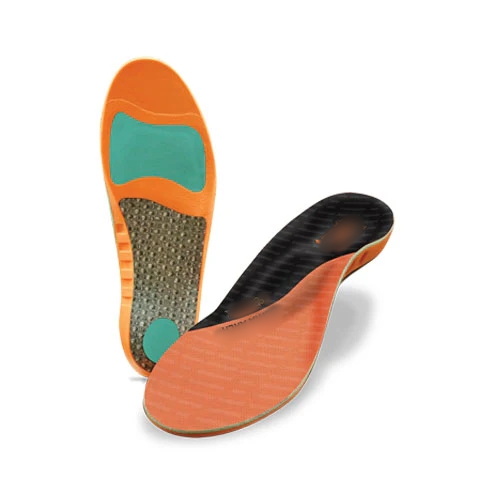
Firm arch insoles made from EVA or TPU provide strong lift and prevent the foot from collapsing inward, supporting people with flat feet effectively.
Yes. By stabilizing posture from the ground up, arch insoles correct misalignment in the legs and pelvis, easing strain on the lower back muscles.
Depending on use and material, replace them every six to twelve months or when they feel compressed or develop odor and wear.
Generally, yes. OEM insoles are designed using exact specifications, ensuring a more precise fit and targeted performance.
Absolutely. Partnering with a Chinese OEM manufacturer lets you design and sell your own branded insoles while the factory handles production, packaging, and quality control.


