
Views: 222 Author: Edvo Publish Time: 2025-12-30 Origin: Site


Content Menu
● What Are Memory Foam Insoles?
● Why Are Memory Foam Insoles So Popular?
>> The Main Reasons Behind Their Popularity
● Where Can I Get Memory Foam Insoles?
>> 1. Retail and Online Stores
>> 2. Direct Purchase from Manufacturers
● How to Choose the Right Memory Foam Insoles
>> 1. Foam Thickness and Density
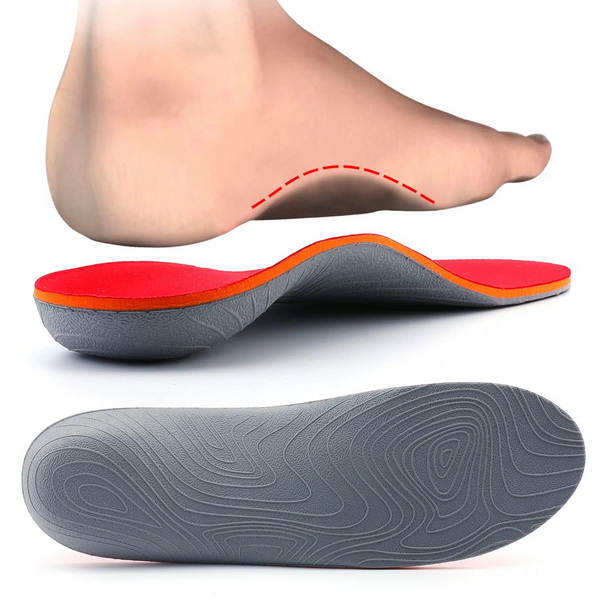
>> 2. Arch Shape Compatibility
>> 3. Breathability and Hygiene
>> 5. Durability and Maintenance
● Advantages of Buying from a Chinese Manufacturer
>> Why Global Buyers Choose Chinese Suppliers
● How to Identify a Reliable Supplier
● Expanding Business Opportunities with Memory Foam Insoles
● The Future of Memory Foam Insole Design
● User Care Tips for Maximum Insole Performance
● FAQ
>> 1. Are memory foam insoles suitable for all shoe types?
>> 2. How long do memory foam insoles generally last?
>> 3. Can memory foam insoles relieve heel and arch pain?
>> 4. Can you wash memory foam insoles?
>> 5. How can businesses order customized OEM memory foam insoles from China?
Memory foam insoles have become one of the most sought-after upgrades in modern footwear. Whether for daily comfort, athletic performance, or workplace protection, these insoles bring a noticeable difference in how shoes feel and perform. As technology and materials advance, memory foam has evolved from a luxury feature into a key component of global footwear design.
If you've ever wondered Where can I get memory foam insoles?, this guide explores every option—from retail to wholesale sourcing and OEM manufacturing. You'll also discover how to choose the right type of insole, what benefits they offer, and why partnering with a reliable Chinese manufacturer gives international buyers a major advantage.
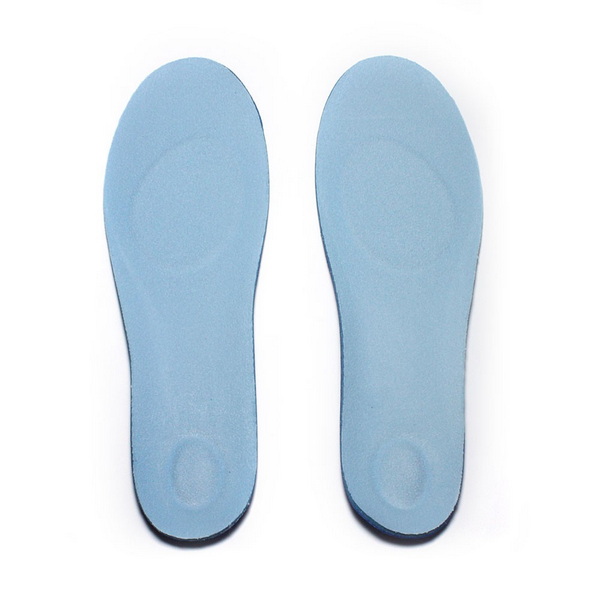
Memory foam insoles are made from a special viscoelastic polyurethane material that reacts to body temperature and pressure. When you step on it, the foam molds to your foot's exact shape, evenly distributing pressure across the surface. Once you remove pressure, it slowly returns to its original form, hence the name memory foam.
This technology was originally created by NASA to cushion astronauts during high-impact launches. Today, it's widely used in mattresses, cushions, and shoes because of its superior shock absorption and comfort. In footwear, memory foam insoles create softer landings, prevent fatigue, and keep feet cushioned through long hours of wear.
Whether inserted into sports sneakers, business shoes, safety boots, or casual loafers, memory foam insoles adapt naturally to the shape of the wearer's feet.
Consumers and brands alike have embraced memory foam insoles due to their combination of comfort, versatility, and durability.
- Adaptive Cushioning: The foam conforms to your unique foot contour, offering a tailor-made fit and reducing friction during movement.
- Shock Absorption: Ideal for prolonged standing or walking, it reduces strain on knees, ankles, and the lower back.
- Pressure Distribution: Reduces concentrated stress areas, minimizing heel and arch pain.
- Durability: Properly made memory foam maintains thickness and bounce much longer than standard foam materials.
- Thermal Control: Modern foams integrate ventilated or temperature-stable features to prevent overheating.
For industries like sports, medical footwear, and occupational safety, memory foam insoles have become a symbol of quality and ergonomic innovation.
Finding high-quality memory foam insoles depends on your intention—personal use, retail reselling, or bulk OEM production. The sourcing channel you choose will determine price, customization capability, and long-term value.
For individual buyers or small retailers, the most straightforward solution is purchasing through established online and offline marketplaces.
Well-known platforms like Amazon, eBay, and AliExpress carry hundreds of models from global brands. Local chains such as Walmart, Target, and Walgreens also supply a variety of foam-based insoles suitable for everyday shoes or sports footwear.
You can compare options by examining:
- Thickness and cushioning level
- Arch support design
- Breathability and moisture control
- Customer reviews
This channel offers fast access and easy replacement but limited customization. It's ideal if you're seeking immediate comfort for personal use.
Wholesale and business customers often look for more control over pricing, quality, and branding. That's why many importers choose to buy directly from manufacturers, especially from China's footwear component industry.
China is recognized as a global leader in insole manufacturing, offering memory foam insoles in numerous styles—flat, contoured, reinforced with gel, or covered with antimicrobial fabrics.
Professional factories can fulfill:
- Custom size and shape orders to fit different shoe categories
- Brand logo embossing and private label packaging
- A combination of materials such as EVA foam, PU foam, and breathable fabric layers
- OEM and ODM development tailored to brand identity
Partnering directly with a skilled factory allows you to secure consistent quality, negotiate better pricing, and launch customized insole lines under your brand.
For international footwear brands or private label owners, OEM (Original Equipment Manufacturing) and ODM (Original Design Manufacturing) models are the best way to scale efficiently.
With an OEM manufacturer, you provide the design or concept, and the supplier produces insoles according to your specifications. ODM service goes even further by letting the manufacturer propose designs based on current market trends or functional innovations.
OEM/ODM memory foam insole suppliers can help you:
- Build branded insole collections specific to your target demographic
- Choose foam density, recovery time, and surface texture
- Meet international quality standards (such as REACH or CE compliance)
- Conduct durability testing for safety and performance assurance
For companies looking to enter or expand in the footwear comfort market, these partnerships ensure long-term consistency and mutual growth.
Thicker insoles cushion better but may reduce internal shoe space. A balance of medium thickness and high density works best for everyday wear, while lightweight athletes may prefer flexible thin inserts for activity-specific shoes.
Everyone's feet are different. Choosing insoles that match your arch type—flat, neutral, or high—is vital for support and comfort. Incorrect matching can lead to imbalance or discomfort.
Modern insoles often include perforated layers, mesh fabrics, or charcoal-infused linings that help control moisture and odor. These features keep the interior fresh, especially for daily use.
- Casual Walking: Soft, low-compression memory foam provides basic comfort.
- Running and Sports: Combine memory foam with EVA or gel for reactive cushioning.
- Work Boots: Denser foam with reinforced support zones ensures better stability.
- Medical or Orthopedic Use: Custom-contoured foam with deep heel cups or extra arch lift improves posture and reduces foot strain.
Durability depends on foam quality, density, and usage conditions. High-end memory foam can last for more than a year under regular wear. Avoid washing insoles in machines; instead, clean them gently with mild soap and air-dry to maintain their integrity.
China's manufacturing infrastructure gives it a competitive edge in the global footwear components market. Memory foam insole manufacturers in China have mastered the art of precision molding, quality consistency, and large-scale production efficiency.
- Advanced Machinery: Automated foam molding guarantees uniform texture and cushioning.
- Cost-Effective Production: Lower raw material and labor costs allow competitive export pricing.
- Comprehensive OEM Capabilities: Ideal for private label businesses aiming to develop proprietary insole lines.
- Quality Certification: Many factories follow strict international standards for product safety and performance.
- Flexible Order Volumes: Whether small startups or global importers, manufacturers can accommodate varying order sizes.
Additionally, the presence of strong logistics networks ensures fast global shipping, making China an attractive sourcing destination.
Before committing to a bulk order, it's essential to ensure you're working with a trustworthy manufacturer. Here's what to evaluate:
1. Company Reputation: Look for online presence, reviews, and export history.
2. Sample Evaluation: Request prototypes to check foam flexibility and recovery speed.
3. Certifications: Factories with ISO or SGS verification generally maintain higher production standards.
4. Communication Clarity: English-speaking teams facilitate smoother progress and avoid misunderstandings.
5. After-Sales Support: A credible supplier will address defects, replace faulty items, or assist with reordering efficiently.
A long-term supplier relationship is built on mutual trust, transparent pricing, and shared quality goals.
For brands expanding internationally, offering premium comfort insoles can significantly differentiate product lines. Distributors in the footwear, medical, and occupational safety markets often choose memory foam products as add-ons or components for higher-value shoe models.
- Retail and Private Label: Build your brand around comfort innovation by selling OEM insoles.
- Sports Industry: Provide specialized inserts for runners, hikers, or cyclists.
- Medical Clinics: Work with orthopedic centers to distribute customized therapeutic insoles.
- Corporate Uniforms: Supply comfort solutions for employees who stand long hours.
The development of personalized footwear accessories represents one of the fastest-growing segments in the global shoe market, and memory foam insoles sit at the core of this demand.
Innovation is driving this market forward. Manufacturers are constantly improving foam resilience, responsiveness, and environmental performance.
Emerging trends shaping the industry include:
- Eco-friendly Foams: Bio-based and recycled materials reducing environmental footprint.
- Smart Insole Technology: Sensors embedded to track posture and step count.
- 3D Printing Custom Insoles: Digital foot scanning paired with additive manufacturing for perfect fits.
- Multi-Layer Hybrid Designs: Combinations of memory foam, gel, and activated carbon for maximum comfort.
These advancements will push memory foam insoles beyond comfort into smart, ergonomic, and sustainable product categories—an exciting evolution for brands and consumers alike.
To preserve the comfort and structure of your memory foam insoles:
- Rotate pairs regularly to let each one breathe and recover shape.
- Remove them after heavy activity to air out moisture.
- Avoid direct sunlight or heat sources that might harden the foam.
- Replace insoles if they lose bounce or start flattening, typically after extended daily wear.
Proper maintenance ensures long-lasting comfort and hygiene, especially for professional use.
If you're asking Where can I get memory foam insoles?—the answer depends on your purpose. For daily wearers, retail platforms offer quick and affordable solutions. For businesses or brand owners, partnering directly with a specialized Chinese manufacturer is the most effective route to secure cost efficiency, consistent quality, and full customization.
By understanding how memory foam insoles are made, what types suit your feet or brand, and how to select trustworthy OEM partners, you can confidently enter this expanding global market. Comfortable, supportive, and technically advanced, memory foam insoles represent not just a footwear accessory—but a key step toward healthier and more comfortable living.
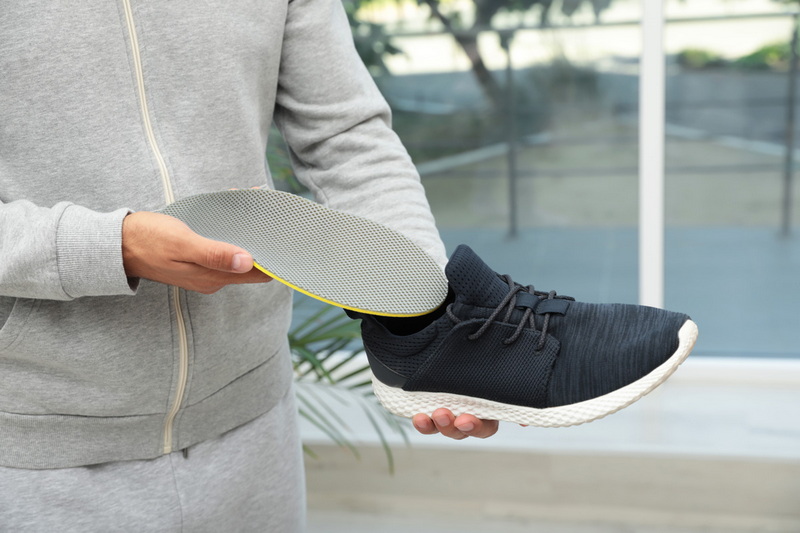
Yes, they fit almost every shoe style from sneakers and dress shoes to work boots and hiking footwear. Just ensure you select the right size and thickness.
Most high-quality insoles remain supportive for 9–12 months with regular use. However, usage conditions, body weight, and activity level can affect lifespan.
Absolutely. The cushioning reduces impact and distributes weight evenly, which often alleviates discomfort from plantar fasciitis or long-standing fatigue.
Hand-washing with mild detergent is best. Gently rinse and let them air-dry completely. Avoid hot water or machine washing to prevent foam damage.
Contact an experienced Chinese insole factory that offers OEM/ODM services. Provide specifications like material preference, logo design, and packaging. The manufacturer will produce samples for approval before mass production.


