
Views: 222 Author: Edvo Publish Time: 2025-12-30 Origin: Site


Content Menu
● Why EVA Foam Insoles Are So Popular
● Where To Buy EVA Foam Insoles?
>> 1. Direct Orders From Chinese OEM Manufacturers
>> 2. Online B2B Wholesale Platforms
>> 3. Local Importers and Distributors
>> 4. Industry Exhibitions and Trade Fairs
>> 5. Custom Collaboration With Professional OEM Partners
● Factors To Consider When Choosing Suppliers
● The Advantages of Chinese OEM EVA Insole Manufacturers
● How EVA Foam Insoles Are Manufactured
● Applications of EVA Foam Insoles Across Industries
● Steps To Import EVA Foam Insoles Successfully
● The Future of EVA Foam Insoles
● FAQ
>> 1. What makes EVA foam insoles better than other materials?
>> 2. Can I create my own private-label EVA insole line?
>> 3. Are EVA foam insoles environmentally friendly?
>> 4. How do I ensure quality when ordering from overseas suppliers?
>> 5. What is the typical production lead time for bulk EVA insoles?
In recent years, EVA foam insoles have gained tremendous popularity across the footwear industry. Whether you are a global footwear brand, a local wholesaler, or an original shoe factory, EVA foam insoles are a vital component for achieving quality, comfort, and durability in modern shoes. Their lightweight structure, flexible elasticity, and shock-absorbing performance have made them a top choice for both athletic and casual footwear.
For many companies, one of the most common questions is: Where to buy EVA foam insoles that combine cost efficiency, quality, and customization? This article provides an in-depth guide to understanding EVA foam insoles, exploring reliable sourcing options, evaluating suppliers, and selecting the best OEM manufacturer for your business.
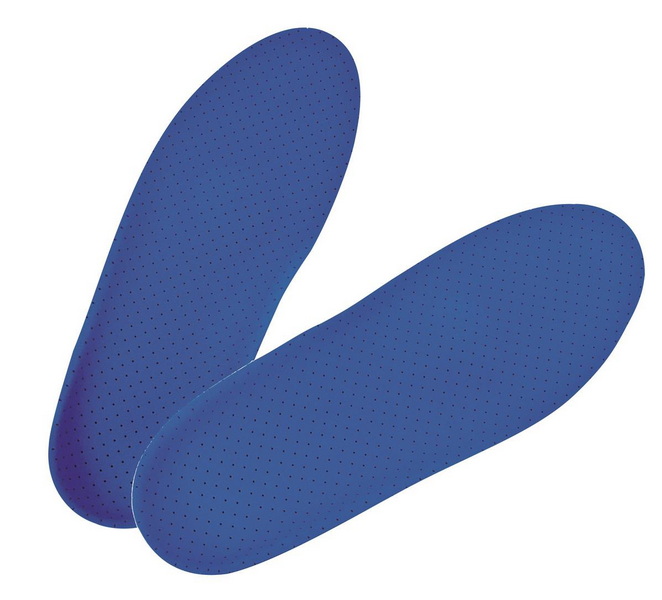
EVA, short for Ethylene Vinyl Acetate, is a versatile copolymer foam known for its excellent cushioning and flexibility. It is created by combining ethylene and vinyl acetate, producing a lightweight yet resilient foam widely used in shoe midsoles, footbeds, and other components requiring elasticity and support.
Because of its unique cell structure, EVA foam has outstanding properties such as:
- Cushioning and rebound: It absorbs impact while maintaining bounce.
- Flexibility: It bends easily without cracking or losing form.
- Water resistance: EVA does not absorb moisture, preventing odor and bacteria growth.
- Durability: It maintains its shape and performance even after extended wear.
Due to these advantages, EVA foam insoles are found in sports shoes, orthotic footwear, safety boots, sandals, and even high-end leather shoes. Manufacturers prefer EVA because it can be molded into different hardness levels, offering endless design and performance possibilities.
Footwear manufacturers and consumers favor EVA insoles for a combination of reasons that go beyond comfort alone. The material provides tangible benefits for both production and final user experience.
- Superior comfort: EVA foam insoles conform slightly to the shape of the foot, providing continuous cushioning during walking, running, or standing.
- Shock absorption: Their compressive resilience protects joints and muscles, making them ideal for athletic and work shoe applications.
- Lightweight design: Reducing overall shoe weight enhances comfort and performance, especially in running and casual shoes.
- Eco-friendly options: Many modern factories use recyclable or bio-based EVA formulations, offering sustainable choices for brands committed to reducing environmental impact.
- Cost efficiency: EVA is easier to produce and mold compared to other foam materials like PU or latex, offering an ideal balance between quality and price.
These qualities make EVA insoles a key component not only for footwear brands but also for medical, apparel, and outdoor products that emphasize ergonomic comfort.
Finding the right source for EVA foam insoles depends on your specific business model, quantity needs, and production goals. Below are several effective purchasing channels and strategies for different buyers.
China is the largest manufacturer of EVA foam insoles globally. Many factories specialize in OEM (Original Equipment Manufacturing) and ODM (Original Design Manufacturing) services, offering customized solutions for footwear brands, wholesalers, and importers.
By purchasing directly from an experienced OEM factory, you can access:
- Lower production costs with no middleman markup.
- Customization for hardness, thickness, lamination fabrics, and patterns.
- Private labeling and personalized packaging options.
- Advanced equipment such as CNC cutting, hot-press molding, and automatic lamination.
- Flexible minimum order quantities (MOQs) for pilot runs or mass production.
As one of China's leading EVA insole manufacturers, our company partners with global shoe brands and sportswear producers to create custom-made insoles that enhance comfort, stability, and aesthetics. We provide comprehensive OEM services from material selection to final packaging and shipping.
Ordering through international wholesale markets can be a good starting point for small and medium-sized businesses. Major platforms include:
- Alibaba – connects global buyers directly with verified factories and exporters.
- Global Sources – provides reliable manufacturers with strict quality control standards.
- Made-in-China – offers detailed supplier profiles and product categories.
These platforms allow you to compare prices, request samples, and negotiate directly with suppliers online. However, ensure that you verify factory credentials and production capacity before large purchases. Checking material certifications and reading customer reviews are also essential.
Partnering with a local distributor can simplify logistics, especially for buyers unfamiliar with international trade procedures. Local agents often keep standard EVA insole models in stock, enabling smaller brands or retailers to purchase lower quantities with quick turnaround. Although pricing may be higher than direct factory sourcing, this channel eliminates customs procedures and reduces shipping times.
Attending global trade fairs such as Canton Fair, ISPO Munich, and FIME Footwear Materials Exhibition provides an opportunity to meet insole manufacturers face-to-face, evaluate product samples, and discuss cooperation terms. Exhibitions often feature the latest innovations in materials, technologies, and eco-friendly products. Building personal relationships at these events often leads to long-term partnerships with reliable suppliers.
For brands seeking exclusivity or technical performance, the best solution is to develop custom EVA foam insoles with a specialized OEM partner. Working directly with a manufacturer allows total control over product specifications:
- Select EVA hardness levels for different footwear applications.
- Combine materials such as memory foam, latex, or gel for hybrid insoles.
- Adjust shapes for arch support, heel cup depth, and airflow designs.
- Add moisture-wicking fabrics or antibacterial coatings for better hygiene.
- Customize branding with embossed logos or color printing.
This cooperative model suits sports shoe producers, orthopedic footwear designers, and professional fashion brands looking for distinctive comfort solutions.
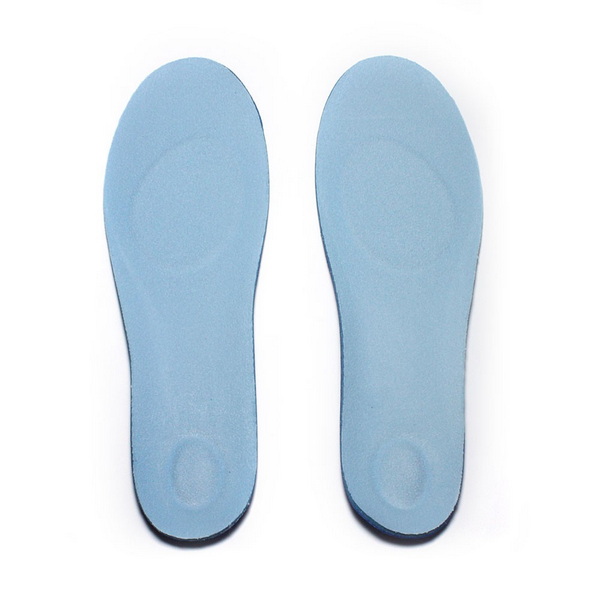
When deciding where to buy EVA foam insoles, evaluating the right manufacturer is crucial. Not all suppliers follow the same quality and production standards. Here are the most important factors to assess:
- Material consistency: High-quality EVA foam should maintain uniform cell density, ensuring even support and durability.
- Production capacity: Factories with automatic molding lines and updated machinery can meet large orders quickly.
- Customization strength: Choose suppliers capable of creating molds and adjusting formulations according to your design.
- Quality certifications: Look for ISO, SGS, or REACH-compliant producers that meet global safety requirements.
- Communication and service: Work with factories offering dedicated international sales teams that understand import processes and trade terms.
- R&D capability: An experienced R&D team ensures continuous product innovation, such as breathable or recyclable EVA materials.
Selecting a trustworthy manufacturer helps ensure on-time delivery, consistent quality, and long-term cooperation stability.
China dominates the EVA foam manufacturing market for good reason. With complete industrial supply chains, advanced equipment, and professional technical expertise, Chinese OEM suppliers provide competitive advantages that global buyers find attractive.
- Integrated production: Many factories manage the entire process — from raw EVA sheet foaming to die cutting, surface lamination, and packaging.
- Economies of scale: High output capacity means lower costs per unit without compromising quality.
- Technical expertise: Decades of manufacturing experience enable rapid development of new insole types, densities, and finishes.
- Export experience: Chinese brands are familiar with overseas shipping, documentation, and quality compliance requirements.
- Strong customization capability: Most factories can quickly prototype designs for evaluation and testing.
For footwear brands and OEM factories overseas, sourcing from China offers both efficiency and flexibility. Working with the right partner ensures your product line remains competitive in global markets.
Understanding the manufacturing process can help buyers appreciate what affects cost and quality. The typical production process follows these main stages:
1. Material preparation: EVA granules are mixed with foaming agents and color pigments in specific ratios.
2. Sheet extrusion and foaming: The blend is heated and expanded into sheets of a chosen density and thickness.
3. Cutting and molding: EVA foam sheets are cut or hot-pressed into various insole shapes, depending on shoe type.
4. Surface lamination: A fabric layer, such as mesh, velvet, or anti-slip material, is bonded on top of the foam.
5. Trimming and finishing: Insoles are trimmed for accurate sizing and quality-checked for uniform thickness.
6. Packaging: Finished insoles are packed in branded or neutral packaging, ready for export or assembly into shoes.
Each stage impacts quality. Premium factories use precision-controlled molding machines to ensure consistent compression rates and durability.
Although footwear is the primary application, EVA insoles are used across several sectors for their stability and comfort properties.
- Sports and outdoor shoes benefit from lightweight cushioning that enhances performance.
- Medical and orthopedic footwear uses EVA insoles for custom foot alignment and pressure relief.
- Safety and work boots rely on hard-density EVA for shock absorption and long-term comfort.
- Casual and fashion shoes adopt colored EVA designs for aesthetic appeal.
- Children's footwear integrates soft EVA foam for flexibility and support during growth stages.
This wide adaptability makes EVA one of the most important materials in modern footwear technology.
Once you have chosen your supplier, managing the entire import procedure efficiently is critical to operational success. The following steps are recommended for smooth international transactions:
1. Define product specifications such as sizes, thickness, colors, and packaging.
2. Request physical samples to test density, softness, and overall comfort.
3. Negotiate pricing and lead time, confirming MOQs and payment terms.
4. Place a formal purchase order with written specifications and delivery terms.
5. Review product photos or videos during production for quality assurance.
6. Arrange shipment by air, sea, or courier according to order volume and urgency.
7. Conduct final inspection before goods leave the factory to avoid defects.
Proper communication and documentation ensure every stage aligns with your expectations. Most professional Chinese OEM suppliers already have experience coordinating with foreign clients using secure payment methods such as T/T, L/C, or trade assurance.
The global insole industry continues to evolve with consumer demands for healthier, more sustainable, and performance-driven footwear. EVA foam manufacturers are now focusing on innovations that include:
- Eco-friendly EVA formulations made from recycled materials or sugarcane-based polymers.
- Enhanced ventilation systems for improved breathability and moisture control.
- Hybrid insoles combining EVA with memory foam, PU gel, or latex for layered comfort.
- Smart insoles embedded with sensors to track foot pressure and movement for sports analysis.
As these trends develop, choosing an experienced manufacturer that adapts quickly to new technologies will help your brand stay ahead in a competitive market.
EVA foam insoles are essential in today's footwear manufacturing, offering unmatched comfort, flexibility, and cost efficiency. Whether you operate as a brand owner, wholesaler, or factory, knowing where to buy EVA foam insoles directly determines your product quality and market competitiveness.
Sourcing from a reliable Chinese OEM manufacturer ensures access to consistent materials, advanced customization, and professional export service. Partnering with experienced factories allows you to transform simple foam sheets into branded, performance-oriented insoles tailored to your exact needs.
By building strategic, long-term relationships with your supplier, you not only gain quality assurance but also enhance your standing in the global footwear market. In an industry driven by innovation and comfort, EVA foam insoles will continue to be the foundation beneath every successful step.
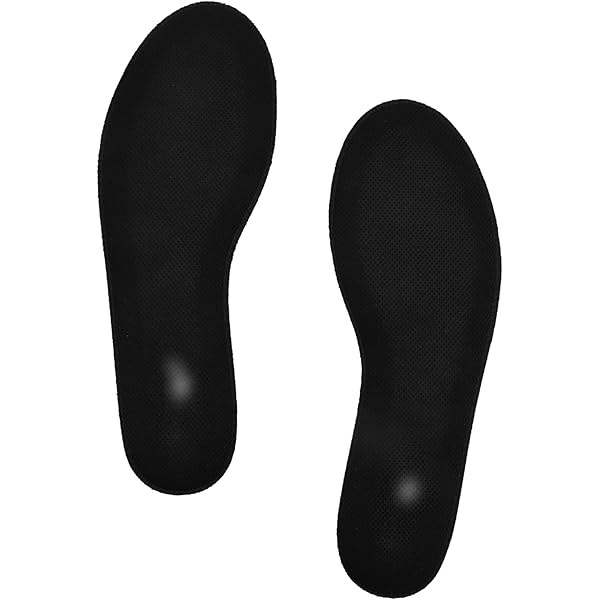
EVA foam insoles combine cushioning, flexibility, and water resistance. Compared with rubber or PU, EVA is lighter, less expensive, and easier to customize, making it the preferred choice for most footwear applications.
Yes. Through OEM manufacturing, you can customize hardness, texture, surface materials, and packaging designs, enabling complete brand identity for your insole products.
Modern factories now produce recyclable and bio-based EVA insoles that reduce environmental impact while maintaining the same high performance and comfort level.
Request detailed specifications, factory certifications, sample inspections, and pre-shipment reports. Reliable Chinese OEM manufacturers always provide documentation and customer support throughout production.
Lead time usually ranges from two to four weeks depending on customization complexity and order quantity. Partnering with large-scale factories ensures faster turnaround for bulk projects.


