
Views: 222 Author: Edvo Publish Time: 2025-12-29 Origin: Site


Content Menu
● Understanding High Arches and Their Unique Support Needs
● Essential Features of High Arch Insoles
>> 1. Multi-Layered Construction
>> 4. Shock Absorption and Energy Return
● Common Materials Used in High Arch Insoles
● Where to Buy High Arch Insoles Online
>> Specialized Orthopedic Websites
>> Local Sports and Footwear Stores
>> Direct Manufacturer Channels
● Why Choose OEM Manufacturers in China
>> Quality Certifications and Strict QC
>> Low Minimum Order Quantity (MOQ)
>> Stable Supply and Short Production Cycles
● How to Buy High Arch Insoles from OEM Suppliers
>> 4. Negotiate Pricing and Terms
>> 5. Place a Pilot Batch Order
>> 6. Long-Term Partnership Building
● Benefits of High Arch Insoles for Different Groups
>> For Active Individuals and Athletes
>> For Professionals Standing All Day
>> For Retailers, Wholesalers, and Brand Owners
● Tips for Choosing the Right Insole Supplier
● How High Arch Insoles Improve Daily Comfort
● What Makes an OEM Supplier Reliable
● Emerging Trends in Insole Manufacturing
● Choosing Between Readymade and Custom Insoles
● Why Comfort and Durability Go Hand in Hand
● Sustainability in Insole Production
● FAQ
>> 1. What is the primary benefit of high arch insoles?
>> 2. Can I get custom high arch insoles with my brand logo?
>> 3. How long do OEM-manufactured insoles typically last?
>> 4. Do high arch insoles fit all shoe types?
>> 5. What should I evaluate when choosing an insole manufacturer?
For anyone suffering from foot pain, fatigue, or imbalance, choosing the right insole can make a life-changing difference. High arch insoles, in particular, play an essential role for people whose foot arches are higher than normal. Without proper cushioning and support, the pressure on heels and balls of the feet can cause soreness, instability, and long-term joint strain.
However, the question remains: Where to buy high arch insoles? The options are numerous—from retail marketplaces to specialized orthopedic shops and global OEM manufacturers. This article explores everything you need to know before purchasing, including key product features, sourcing strategies, and why partnering with reliable Chinese manufacturers can be your smartest long-term decision.
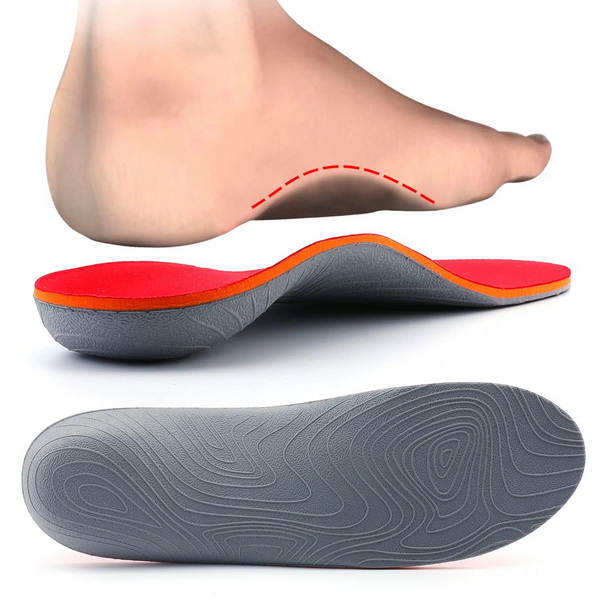
High arches, referred to medically as *pes cavus*, are more than a foot shape; they impact the way you walk, run, and distribute your body weight. Individuals with this condition often notice that their weight rests primarily on the heel and forefoot. Without sufficient midfoot support, problems like metatarsalgia, calluses, and ankle instability can occur.
A pair of well-designed high arch insoles addresses these issues by:
- Distributing weight evenly across the foot.
- Cushioning high-stress zones such as the heel and forefoot.
- Promoting better alignment for ankles, knees, and hips.
- Reducing fatigue during daily activity or sports performance.
- Preventing long-term issues such as plantar fasciitis or shin splints.
The right insoles not only enhance comfort but also protect muscles and joints from chronic stress caused by poor foot mechanics.
When deciding where to buy high arch insoles—especially from a business perspective—it's vital to understand what separates premium insoles from subpar ones. Here are the defining elements of a professionally engineered pair:
Top-quality high arch insoles use different layers for specific functions. The base layer provides structural stability, the intermediate layer adds cushioning, and the top fabric ensures breathability. Some advanced insoles integrate moisture-wicking fabrics that help control sweat and odor throughout the day.
An effective high arch insole doesn't just fill space—it supports the natural curvature of the foot. It should follow the arch contour without creating extra pressure points. Support zones made from firm EVA or TPU maintain consistent stability over time.
A deep heel cup is vital for users with high arches, as it locks the foot in place and helps absorb shock. By keeping the heel aligned with the leg axis, it improves walking posture and prevents ankle twisting.
Meanwhile, cushioning foams and gel pads provide resilience and responsive energy return. This feature is essential for athletes or people who spend several hours standing or walking each day.
Modern insoles often come with trim-to-fit outlines, enabling wearers to cut them according to specific shoe shapes. For manufacturers, offering size adjustment marks enhances usability and reduces inventory variation.
The choice of materials affects comfort, durability, and function. Leading manufacturers rely on these popular materials:
- EVA Foam – Lightweight, shock-absorbing, and budget-friendly for everyday shoes.
- PU (Polyurethane) – Provides excellent resilience and stability for long-term use.
- Memory Foam – Known for personalized molding and plush comfort.
- Gel Inserts – Improves cushioning and pressure relief in targeted zones.
- Cork and Latex – Used in eco-friendly designs for sustainable brands.
- Carbon Fiber Shells – Offer orthopedic-grade rigidity for corrective purposes.
Each material serves a different customer segment—from high-performance athletes to casual users—making material selection a key decision for both retail and OEM production lines.
The modern e-commerce landscape gives you many ways to find and purchase high arch support insoles. The right option depends on whether you are buying for personal use or sourcing for your brand.
Marketplaces such as Amazon and eBay provide countless listings from global suppliers. They are ideal for single-pair purchases, allowing consumers to compare prices and read user reviews instantly. Established brands like Powerstep, Sof Sole, and Superfeet dominate this space with recognized quality.
Dedicated websites like The Insole Store and SOLE provide more medical-grade and sport-specific options. These niche stores often categorize insoles according to foot type, arch height, and activity level, making it easier for buyers to make informed decisions.
For wholesale buyers or shoe brands seeking large quantities or private labeling, B2B marketplaces such as Alibaba, Made-in-China, and Global Sources connect buyers directly with certified manufacturers. These platforms specialize in OEM and ODM orders, making them ideal for international importers.
For buyers who prefer physical testing before purchase, local sports retailers and orthotic clinics sell insoles from leading global brands. However, retail pricing is often higher, and stock options are limited.
Many advanced manufacturers now sell directly through official websites. This channel is perfect for distributors and brand owners seeking factory-level quality assurance and unique customization.
As one of the largest global production hubs, China stands out in the footwear and insole industry due to its wide manufacturing capacity and cost efficiency. For businesses researching where to buy high arch insoles, Chinese OEM suppliers offer unmatched advantages:
Due to streamlined manufacturing lines and well-developed supply chains, Chinese factories provide competitive pricing at every production scale. This cost advantage is crucial for brands seeking profitable retail margins without sacrificing quality.
OEM factories can customize virtually every detail—from arch height and hardness level to logo imprints, fabric colors, and eco-friendly packaging. Whether your brand focuses on performance athletes or daily comfort, factory engineers can tailor products accordingly.
Many manufacturers maintain internationally recognized certifications such as ISO, BSCI, and CE. With strict internal quality control protocols, buyers can expect professional-grade consistency even across large volume orders.
For startup brands or pilot runs, factories often accept smaller orders before scaling up mass production. This flexibility helps new enterprises enter the market without heavy upfront investment.
Advanced molding technologies and automated assembly systems allow modern Chinese factories to deliver customized insoles efficiently with low defect rates.
Sourcing directly from the manufacturer might seem complex, but the process becomes manageable when structured properly. Follow these steps to ensure a reliable partnership:
Compare multiple suppliers across platforms, checking factory details, certifications, and past export markets. Look for suppliers who specialize in footcare or shoe accessories rather than generalized footwear products.
Request product samples, ideally multiple material variations. Test them for arch stability, softness, rebound, and long-term compression recovery.
Provide detailed information regarding thickness, hardness level, target shoe type, and branding design. Clear communication avoids misunderstandings during mass production.
Seek transparent pricing per pair depending on your expected volume. Discuss packaging, mold charges, lead time, and shipping arrangements upfront.
Before scaling, order a smaller batch to test retail performance and gather customer feedback. This strategy minimizes risk and builds mutual trust.
Establish consistent cooperation with reliable suppliers. Long-term partners will prioritize your brand with better terms, faster sample iteration, and continual technical upgrades.
High arch insoles stabilize foot motion, reduce shock impact, and prevent fatigue during intense physical routines. They also protect ligaments from overstrain, enabling higher athletic performance.
Doctors, warehouse staff, and hospitality workers depend on lasting support. Cushioning layers in insoles alleviate heel and metatarsal stress, keeping feet energized throughout extended hours.
Even in daily life, supportive insoles enhance posture, walking efficiency, and comfort. Slipping them into daily sneakers or dress shoes transforms the overall wearing experience.
Product variety is crucial for competitiveness. Offering custom high arch insoles under private labels broadens catalog appeal while boosting brand recognition and margins.
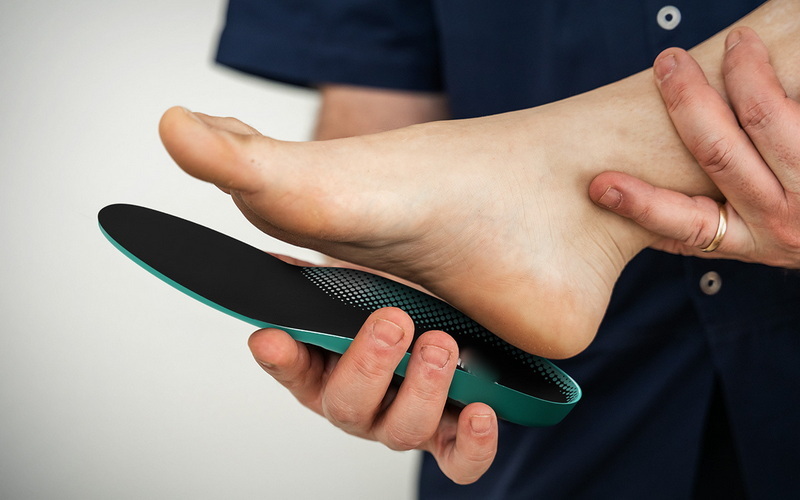
Finding the right supplier requires balancing cost, quality, and communication. Here are professional tips to identify dependable manufacturers:
- Choose those specializing exclusively in insoles or footwear accessories.
- Verify certifications and past export destinations.
- Ensure their design team supports R&D and prototyping.
- Review customer testimonials or request references.
- Look for factories offering eco-friendly or recyclable material options.
- Prioritize consistency in communication and responsiveness.
Strong partnerships with experienced suppliers reduce logistical concerns and ensure seamless global deliveries.
Wearing proper insoles changes the biomechanics of your movement. They bring both immediate and long-term benefits:
- Relieve pain caused by excessive pressure on the heel and forefoot.
- Correct over-supination and distribute body weight naturally.
- Improve blood circulation in the foot and lower limbs.
- Provide extra comfort in stiff or non-padded shoes.
- Extend shoe lifespan by balancing pressure points and reducing wear.
Comfort often goes beyond foot relief—it helps posture, productivity, and overall well-being.
Reliable suppliers share specific strengths that distinguish them from ordinary factories. Exceptional partners usually have:
- A dedicated design and development team familiar with ergonomic structures.
- Automated lamination and cutting machinery for precision consistency.
- Long-term cooperation with major international footwear brands.
- Transparent production tracking and after-sales communication.
- Environmental compliance certifications, especially for European and North American markets.
These characteristics guarantee professional collaboration, making it easier to expand your brand globally with minimal risk.
The insole industry continues to evolve with advances in materials, design, and technology. Current trends driving product innovation include:
- 3D Printing and Custom Molding: Providing precise foot contour matching for advanced comfort.
- Eco-Friendly Materials: Using recycled foams and plant-based fabrics for sustainable manufacturing.
- Smart Pressure Sensors: Integrated systems tracking foot pressure for performance analysis.
- Antibacterial Fabrics: Improving hygiene and odor control for prolonged wear.
- Lightweight Carbon Supports: Delivering durability without unnecessary weight.
As these technologies become accessible, OEM manufacturers are adapting quickly to offer modern, health-oriented products for global brands.
When deciding where to buy high arch insoles, one of the biggest questions concerns whether to choose ready-to-sell models or fully customized designs.
Readymade Insoles are ideal for distributors seeking immediate stock turnover. They typically come in standard sizes and neutral colors suitable for general consumers.
Customized Insoles, however, allow brand owners to design products that reflect their identity—choosing color palettes, structural preferences, and packaging that align with brand strategy. Customization boosts perceived value and enables differentiation in competitive markets.
Many low-cost insoles may feel soft at first but lose shape quickly after repeated wear. Long-term comfort depends on how well materials resist compression and maintain their elasticity over time.
Quality OEM insoles balance cushioning and durability through tested multi-density formulations. For instance, a core made from high-rebound EVA paired with a PU base ensures both comfort and lifespan. Retailers sourcing such products benefit from lower customer refund rates and stronger brand loyalty.
Modern consumers increasingly prefer eco-conscious footwear accessories. Manufacturers now use recycled EVA compounds, biodegradable textiles, and water-based adhesives to reduce environmental impact.
For brands looking to meet sustainable development goals, partnering with suppliers offering certified eco-friendly materials not only adds marketing value but also aligns with global environmental standards.
Knowing where to buy high arch insoles plays a crucial role in ensuring foot comfort, proper body alignment, and brand success for those in the footwear trade. While retail marketplaces and specialty stores serve regular consumers well, businesses looking for quality, scalability, and customization should look toward professional OEM insole manufacturers—especially those based in China.
Chinese suppliers combine affordability with innovation, offering tailored insoles that satisfy both comfort and aesthetic demands. By partnering with an experienced factory, you can confidently develop a product that supports every step—whether your customer is walking, running, or working long hours on their feet.
Investing in superior insoles means investing in wellness, brand reputation, and customer satisfaction for years to come.
They provide targeted support to high arches, reducing pressure on heels and forefoot while ensuring better posture and comfort.
Yes. OEM suppliers specialize in private label insoles that can display your logo, color scheme, and personalized packaging.
Premium insoles usually last six months to a year, depending on material, usage frequency, and maintenance.
Most designs fit athletic, casual, and work shoes and can be cut to size if necessary.
Consider production experience, material quality, responsiveness, MOQ flexibility, and certification standards to ensure long-term product reliability.


