
Views: 222 Author: Edvo Publish Time: 2025-11-14 Origin: Site


Content Menu
● Introduction to Orthotic Insoles
● Where To Get Orthotic Insoles?
>> Podiatrist Clinics and Medical Centers
>> Shoe Stores and Specialty Retailers
>> Orthotic Manufacturers and OEM Suppliers
● How to Choose the Right Orthotic Insole Supplier
● Custom vs. Off-the-Shelf Orthotic Insoles
● Benefits of OEM Orthotic Insoles Suppliers
● Key Criteria to Assess When Buying Online
● Modern Technologies in Orthotic Insoles
● Tips for Measuring and Fitting
● Maintaining and Caring for Orthotic Insoles
● How Orthotic Insoles Help Specific Conditions
● Sustainability and Environmental Concerns
● What to Expect from Leading OEM Insole Manufacturers
● Additional Resources and Customer Support
● FAQ
>> 1. What is the difference between custom and generic orthotic insoles?
>> 2. How long do orthotic insoles typically last?
>> 3. Can orthotic insoles help flat feet?
>> 4. Are orthotic insoles suitable for children and seniors?
>> 5. Is it possible to order orthotic insoles in bulk for retail or branding purposes?
Orthotic insoles, often referred to as orthoses, are specialized inserts placed inside footwear to realign the feet and provide essential support, cushioning, and improved stability. These products cater to a wide range of foot conditions, including plantar fasciitis, flat feet, high arches, Achilles tendonitis, bunions, heel spurs, and general poor alignment. By addressing the root causes of discomfort, they help maximize comfort, minimize fatigue, and enhance mobility for people of all ages.
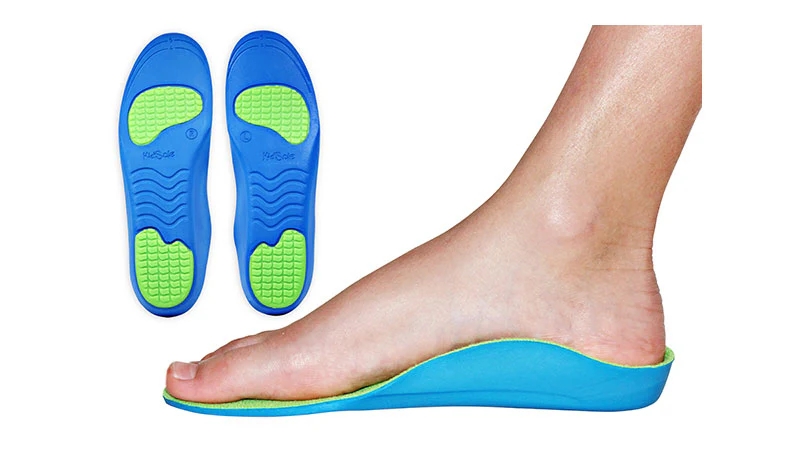
The significance of choosing the right orthotic insole extends far beyond simple comfort. Proper insoles support biomechanics and act as preventive measures against potential injuries. Some of the primary benefits include reducing foot and back pain, enhancing posture, supporting athletic performance, preventing overuse injuries, and facilitating recovery following surgery or trauma. By actively investing in high-quality orthotic insoles, you are safeguarding your long-term health and mobility.
Navigating the marketplace for orthotic insoles can be overwhelming given the sheer variety of sources, brands, and product types. Here are the most dependable ways to obtain orthotic insoles:
Consulting a medical professional remains one of the most effective routes for acquiring orthotic insoles. Podiatrists and orthopedic specialists use advanced technologies, such as three-dimensional foot scans and biomechanical assessments, to diagnose your unique foot conditions. They can prescribe truly custom orthotic insoles that reflect your specific lifestyle, physical activity level, and health requirements. Products sourced from medical clinics generally use the highest grade materials available and are tailored for optimal correction and comfort. This approach, while often more costly and time-intensive, delivers the highest degree of customization and long-term benefits for chronic or complex foot concerns.
Retail pharmacies and drugstores across cities and towns make it easy to access pre-fabricated orthotic insole options. Popular global brands and generic alternatives line the shelves, offering immediate solutions for arch support, cushioning, or pain relief. Many pharmacies now feature foot analysis kiosks that let shoppers measure their feet and receive a recommended insole. While these insoles are not custom-made, they can be an effective and affordable option for mild to moderate foot issues, and their widespread availability means you rarely need to wait for shipping.
Dedicated shoe stores, particularly those focusing on athletic, orthopedic, or work footwear, offer a wide range of insoles tailored to different needs. Knowledgeable staff are often trained to help you assess your requirements and can provide sample fittings to ensure a good match between your shoes and the insole options. Specialty retailers may also supply niche products such as sports-specific, diabetic, or pediatric insoles. By trying on insoles in person and getting advice from specialists, you increase your chances of purchasing an insole that truly complements your footwear and foot shape.
The rise of e-commerce has revolutionized how consumers shop for orthotic insoles. Leading online marketplaces provide thousands of ready-to-ship options from global brands and innovative startups. Manufacturer direct websites offer both standard and customizable solutions, allowing you to upload foot measurements or use digital tools for virtual sizing. When shopping online, always consult sizing charts, customer reviews, and seller return policies to minimize the risk of incompatibility. Online-only brands often innovate with advanced materials and designs, some of which may not be found in local stores, making this a valuable channel for discovering cutting-edge products.
For brand owners, importers, and business buyers, partnering directly with OEM (Original Equipment Manufacturer) producers offers exceptional value and flexibility. OEM suppliers can deliver tailored solutions in bulk with custom branding, private labels, and product innovation. By collaborating with a reputable orthotic insole manufacturer, businesses can secure supply chain reliability, competitive pricing, and access to skilled engineers who can develop entirely new product lines. As a leading Chinese orthotic insole manufacturer, our company specializes in addressing these needs for international brands and distributors.
Selecting the right supplier is fundamental to product satisfaction and business success. Consider the following criteria when evaluating suppliers:
- Experience in manufacturing orthotic insoles and a consistent record of satisfied customers.
- Advanced production technology and strict quality assurance protocols.
- The ability to offer both customized and off-the-shelf solutions, depending on your needs.
- International certifications and compliance with relevant health standards.
- Comprehensive after-sales support, including logistics, product guarantees, and replacement services.
- Transparent minimum order quantities and flexible customization options.
Choosing a reliable supplier not only ensures product quality but enhances your brand's reputation in the marketplace.
It's important to understand the differences between custom-made and pre-fabricated insoles to make the right purchasing decision.
Custom orthotic insoles are meticulously crafted based on detailed foot scans, medical assessments, or precise measurements. They use premium materials, address specific medical or biomechanical issues, and often last longer than generic alternatives. Custom insoles are especially beneficial for people with complex or chronic foot disorders, athletes requiring extra performance support, or anyone seeking the highest level of personalization.
Off-the-shelf insoles, meanwhile, are mass-produced for the average foot. They come in a range of sizes, support strengths, and materials but are not individualized beyond surface-level fitting. These products are best suited for mild to moderate discomfort, general support, and affordability. Most consumers find a well-chosen over-the-counter insole vastly improves comfort even without a clinical prescription.
For business clients, working with OEM suppliers presents several distinct advantages. Companies receive access to comprehensive private labeling, meaning you can brand the insoles as your own through custom packaging and logo placement. Third-party manufacturers are also equipped to meet very specific technical or design requirements, allowing brands to differentiate their offerings and respond rapidly to shifting market demands. Furthermore, engaging with a specialist OEM partner delivers the twin benefits of scalability and consistent product innovation, both key for brands or retailers aiming to expand globally.
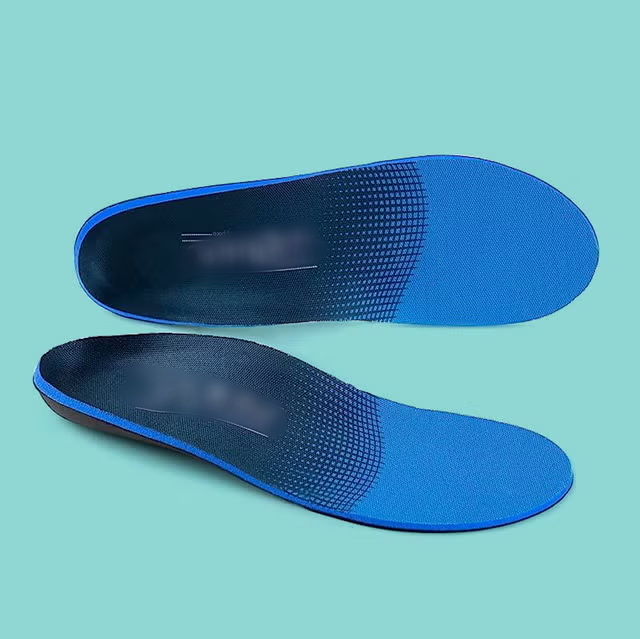
The sheer abundance of online orthotic insole sellers demands careful attention:
- Always verify seller credibility through ratings and independent reviews.
- Select sellers that provide detailed photos, clear product information, and multi-angle images.
- Confirm sizing accuracy with published charts or virtual fitting tools.
- Check for hypoallergenic, skin-safe materials if you have sensitivities.
- Read policies on refunds and exchanges thoroughly to ensure support for unresolved sizing or quality issues.
- Be cautious of counterfeit or ultra-discounted insoles, which often lack durability and clinical benefit.
By following these tips, you increase your chances of a positive online purchasing experience.
Modern advances have ushered in a new era of orthotic technology. Leading companies now employ 3D scanning and CAD modeling to create perfectly fitted insoles. State-of-the-art materials such as memory foam, medical-grade silicone, carbon fiber, and specialty gels ensure each step is cushioned, supportive, and responsive to pressure points. Some innovative products even contain embedded sensors and smart features, allowing users to track steps, gait, and pressure over time. Antimicrobial properties and moisture-wicking fabrics are becoming standard, helping to reduce odor and keep feet healthy.
Ensuring optimal fit is pivotal. Always measure both feet at the end of the day, since feet can swell and change shape during daily activity. Stand when measuring, and use a ruler or digital device for accuracy. For custom insoles, providing a foot scan, mold, or comprehensive activity history enables the specialist to recommend the most appropriate design. If possible, walk around in your selected insole for several minutes before purchase to detect any immediate discomfort.
Proper care extends the life and efficacy of your insoles. Remove insoles from shoes regularly to air them out, particularly after strenuous activity or sports. Wash gently with lukewarm water and mild soap, and allow them to dry fully before reinsertion. Avoid direct heat sources, as these can warp materials and reduce structural integrity. Regularly inspect your insoles for visible wear, flattening, or loss of support, and replace annually or when noticeable deterioration occurs.
Orthotic insoles are instrumental in treating various foot-related ailments:
- For plantar fasciitis, specialized insoles relieve heel pain by supporting the natural arch and redistributing pressure.
- Flat-footed individuals benefit from reinforced medial arch construction, helping to avert overpronation and its associated knee or back issues.
- Those with high arches can use cushioned, flexible insoles to promote even weight distribution and reduce impact on the metatarsals.
- Diabetic users may require custom insoles made of soft, pressure-alleviating materials to prevent ulcers or sores.
- Runners and athletes benefit from shock-absorbing insoles that lessen joint impact and increase stamina during intense training.
Tailoring insole choice to your unique condition maximizes both short-term relief and long-term health.
As consumers become more eco-conscious, many orthotic insole manufacturers have adopted green practices. These can include using recycled or biodegradable components, minimizing factory emissions, and implementing closed-loop recycling of production waste. Choosing manufacturers with environmental certifications or robust sustainability commitments can help reduce your footprint while promoting health.
Professional OEM factories are characterized by international certifications (ISO, CE, FDA), skilled workforce, advanced machinery, and a portfolio that caters to every market—sports, diabetic, customization, and mass volume. Such suppliers offer multilingual support, prompt worldwide shipping, and a collaborative approach to new product development, making them ideal for ambitious brands and industry innovators.
The best orthotic insole suppliers provide comprehensive support resources, such as detailed product guides, online fitting tools, instructional videos, and knowledgeable technical teams available via chat, phone, or email. After-sales support should include warranty coverage, easy replacement procedures, and expert advice on maximizing product lifespan.
Orthotic insoles provide a path to healthier, pain-free living by addressing a wide spectrum of foot-related issues, from mild discomfort to severe medical conditions. Sourcing the perfect insole is now easier than ever, whether through podiatrists, retail stores, pharmacies, online platforms, or OEM suppliers. Individual consumers and business partners alike benefit from an ever-widening range of options, improved technology, and customer-focused services. By prioritizing fit, supplier reputation, quality of materials, and ongoing care, you can ensure long-lasting comfort and performance with every step taken.
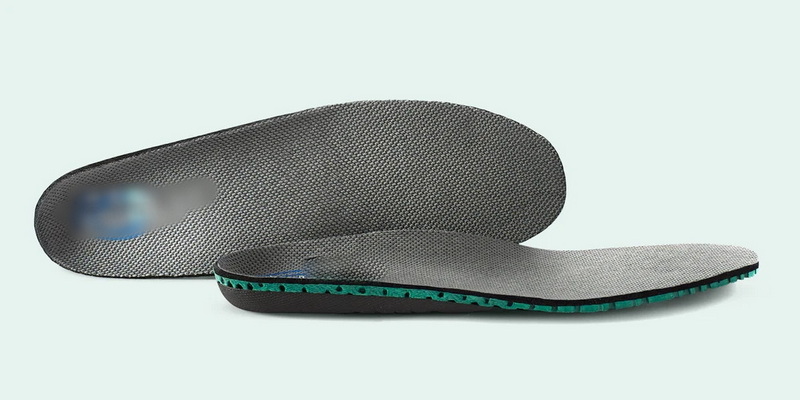
Custom orthotic insoles are designed for an individual's specific foot structure, often prescribed after professional assessment. Generic insoles, available over-the-counter, offer standard support for average feet and are more affordable but less precise in fit.
Most orthotic insoles last between nine months and one year with regular use. However, high-impact activities or heavy wearers may need to replace them sooner, while custom and premium insoles typically outlast basic versions.
Yes, insoles with built-in arch support help stabilize the foot and redistribute weight for flat-footed users, reducing pain and preventing further orthopedic complications.
Orthotic insoles are appropriate for all age groups. For children experiencing growth-related foot changes and seniors with mobility concerns, choosing the right insole type and consulting a medical professional is recommended.
Absolutely. Leading OEM manufacturers specialize in bulk orders with customizable branding, size, style, and features—enabling partners to market under their own brands and address unique business needs.


