
Language
Views: 222 Author: Edvo Publish Time: 2025-12-18 Origin: Site


Content Menu
● What Are Orthotics for Shoes?
● Where to Get Orthotics for Shoes
>> Medical and Podiatry Clinics
>> Online Custom Orthotic Providers
>> OEM Orthotics Manufacturers
● Why Work with a Chinese OEM Manufacturer
>> Exceptional Cost Efficiency
>> Advanced Manufacturing Technologies
● The OEM Orthotics Manufacturing Process
>> Step 1: Design Consultation
>> Step 2: Material Engineering
>> Step 5: Branding and Packaging
● Features of High-Quality Orthotics
● Key Factors to Consider When Choosing a Supplier
● Benefits of Custom Orthotics for End Users
● Market Applications of Orthotics
>> Industrial and Occupational Footwear
>> Medical and Rehabilitation Field
>> Comfort and Lifestyle Footwear
● Emerging Trends in Orthotics Manufacturing
● How Orthotics Support Business Growth
● FAQ
>> 1. What's the difference between regular insoles and orthotics?
>> 2. Can orthotics be customized for brand development?
>> 3. How long does it take to produce OEM orthotics?
>> 4. Are orthotics suitable for all types of footwear?
>> 5. Do orthotic manufacturers provide global shipping?
Finding the right orthotics for shoes is essential for achieving comfort, stability, and proper posture. Whether you are an individual seeking better foot support or a footwear brand planning to design custom insoles, understanding where to source quality orthotics is crucial. The global orthotic industry has evolved dramatically in recent years, driven by medical innovation, 3D scanning technologies, and growing consumer awareness of foot health.
In this guide, we will explore where to get orthotics for shoes, how to differentiate between various types, and why partnering with a reliable OEM orthotics manufacturer—especially one based in China—can offer the best combination of quality, scalability, and cost advantage.
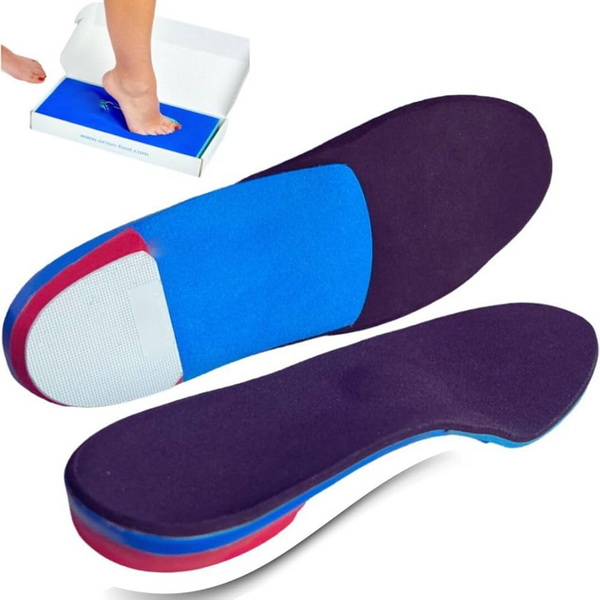
Orthotics are specialized inserts placed inside shoes to provide support, alignment, and shock absorption. They help correct biomechanical imbalances, relieve pressure, and prevent or manage foot conditions such as flat feet, heel spurs, plantar fasciitis, and overpronation.
Unlike regular insoles that focus on cushioning, orthotics are designed with anatomical precision. They enhance walking efficiency, improve posture, and reduce stress on the ankles, knees, and back — making them essential not only for clinical use but also for wellness, sport, and everyday comfort.
High-quality orthotics are typically crafted with medical-grade materials such as EVA foam, PU memory foam, thermoplastic resins, carbon fiber, and gel polymers. Each material provides unique benefits, striking a balance between flexibility, stability, and comfort.
Different foot types require different kinds of support. Below are the main categories of orthotics used in footwear and healthcare applications.
Designed with firm materials like carbon fiber or hard plastic, rigid orthotics primarily control motion. They correct misalignment and provide structural support to the arch and heel, which helps relieve pain in the legs and lower back. Rigid orthotics are commonly used in dress shoes and formal footwear.
These are created with cushioning materials such as foam, gel, or rubber to reduce pressure points and absorb shock. They're perfect for individuals with sensitive feet, arthritis, or diabetic conditions. Soft orthotics focus on comfort more than correction, making them ideal for long-standing jobs or casual shoes.
This type balances flexibility and stability. Built from multiple layers of soft and rigid materials, semi-rigid orthotics are excellent for athletes and active users. They allow natural movement while preventing injuries related to repetitive strain or over-pronation.
Custom orthotics are individually designed to match the contours of a person's feet. Using techniques like digital 3D foot scanning, mold casting, or pressure mapping, manufacturers create orthotics that perfectly fit each foot's anatomy. For businesses, offering customizable orthotics allows greater branding potential and customer satisfaction.
Identifying the right source depends on your purpose and scale of need. There are several routes available, each with specific advantages.
Retail outlets and sports shops often sell pre-made orthotics designed for general comfort. These are cost-effective and widely accessible but limited in support precision. Retail insoles are best suited for those seeking mild relief rather than clinical correction.
Podiatrists, orthopedists, and chiropractors provide medically prescribed orthotics tailored to a patient's pathology and gait. These custom inserts deliver high therapeutic value but are often more expensive due to diagnostic processes, material quality, and manual adjustments.
Modern technology allows consumers to order customized orthotics online. Some companies send impression kits or use smartphone foot-scanning apps. While this method balances accessibility and personalization, quality varies depending on the manufacturer's production capabilities.
For footwear brands, wholesalers, and distributors, collaborating with an OEM orthotics manufacturer is the smartest choice. OEM (Original Equipment Manufacturer) suppliers produce orthotics and insoles following client specifications—offering branding, packaging, labeling, and large-scale production.
China stands as the global leader in orthotic and insole manufacturing. With advanced machinery, strong supply chains, and international quality certifications, Chinese OEM suppliers deliver consistency and innovation at competitive pricing.
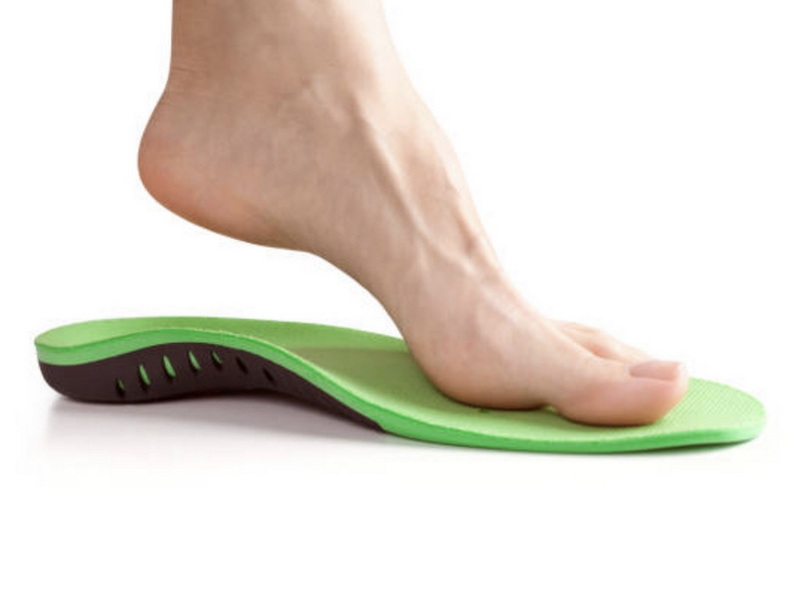
China's manufacturing ecosystem combines scale, technology, and customization. Working with an established Chinese OEM orthotics supplier brings unique benefits that advance both product quality and business profitability.
Due to mature supply networks and automation, Chinese factories offer excellent cost advantages without compromising quality. Bulk production reduces unit prices, allowing brands to compete in global markets with affordable premium products.
Top-tier factories apply:
- 3D scanning and CAD modeling for accurate shaping.
- CNC cutting and thermoforming for high precision.
- Multi-density foam molding for layered compositional comfort.
- Antimicrobial coatings and recyclable materials for sustainability.
These innovations ensure every orthotic meets medical and performance standards.
OEM manufacturers in China support multiple customization options:
- Foot arch height and hardness adjustment.
- Branding through logo embossing and custom colors.
- Packaging design to reflect brand identity.
- Eco-friendly material selections for new sustainability markets.
This flexibility empowers brands to position themselves distinctively in competitive markets.
Most manufacturers follow strict quality protocols aligned with ISO9001 and CE requirements. Each batch undergoes material testing, endurance evaluation, and ergonomic assessment to ensure consistency in comfort, appearance, and durability.
Producing orthotics through an OEM partnership involves careful design and technical cooperation between the supplier and the client.
The manufacturer and client discuss project goals, including material choice, functionality, style, and target users. Based on these requirements, engineers prepare an initial blueprint or digital model.
Selecting materials is crucial. EVA and PU foam are common for cushioning, while carbon fiber and TPU (thermoplastic polyurethane) provide rigidity. Additional layers like deodorizing mesh, anti-slip surfaces, and gel pads can be applied for enhanced comfort.
A prototype is developed using digital modeling and physical molding. It's then tested for comfort, rebound, pressure distribution, and compatibility with different shoe types.
Once samples are approved, mass production begins under computerized systems. Each unit goes through compression tests and dimensional calibration to guarantee perfect uniformity.
Manufacturers add the client's brand logo, labeling, and packaging. Some offer biodegradable packaging or recycled-paper alternatives to reduce environmental impact.
International manufacturers assist with shipping logistics, customs documentation, and after-sales services, allowing clients to maintain global-scale inventory seamlessly.
When assessing orthotic products, professional buyers and individuals should pay attention to several key characteristics:
- Arch Accuracy: Properly contoured support tailored to arch type.
- Breathability: Ventilation channels or moisture-wicking fabric layers.
- Shock Absorption: Multi-layer foam and gel integration for energy return.
- Durability: Resilience against deformation even with long-term use.
- Odor Control: Antibacterial or activated charcoal-treated surfaces.
Premium orthotics maintain these features while offering lightweight flexibility and full-foot biomechanical support.
Selecting a reliable orthotic manufacturer ensures product integrity and business success.
- Reputation and Experience: Opt for partners with export experience and positive client testimonials.
- Product Range: The wider the range, the more flexibility you have to expand product lines.
- R&D Capacity: Innovation is crucial for developing advanced designs.
- Sustainability Practices: Eco-friendly manufacturers add marketing appeal for conscious consumers.
- Communication: Clear, responsive communication simplifies collaboration.
Building long-term relationships with capable suppliers often leads to smoother development and consistent delivery.
Providing orthotics that match the user's anatomy delivers lasting results. Some notable advantages include:
- Improved posture and gait alignment.
- Reduced pain from arthritis, flat feet, or heel spurs.
- Enhanced sports performance through shock reduction.
- Increased comfort during long periods of standing or walking.
- Extended shoe lifespan through even pressure distribution.
For footwear brands, offering these performance-driven orthotics translates into greater product differentiation and customer satisfaction.
Orthotics are widely used across different market sectors due to their versatility.
Athletes require stability and performance optimization. Custom orthotics reduce injuries such as shin splints and Achilles tendon pain while improving energy efficiency.
Workers who stand for long hours—such as in factories or hospitals—benefit from ergonomic orthotics that reduce fatigue and joint stress.
Doctors prescribe orthotics to correct chronic disorders or assist rehabilitation after surgery. Medical OEM partners often work directly with healthcare institutions to supply bulk quantities.
A growing trend among shoe brands is integrating orthotics into fashion footwear, combining aesthetics with wellness to appeal to health-conscious consumers.
The future of orthotics lies in technology and sustainability. The industry is moving rapidly toward innovation-driven solutions.
3D printing enables personalized orthotic production in hours rather than days, improving precision and reducing material waste.
Manufacturers increasingly adopt natural latex, recycled EVA, and plant-based polymers to reduce carbon impact.
Sensor-embedded orthotics can track real-time gait data, helping athletes and patients analyze foot behavior through mobile apps.
Artificial intelligence assists in analyzing gait scans to design fully personalized orthotics, tailored for individual biomechanics.
Staying aligned with these trends ensures long-term competitiveness and brand relevance in the market.
For wholesalers and footwear brands, adding custom orthotics to their product line isn't just an upgrade — it's a strategic growth move.
- Higher Profit Margins: Custom products allow premium pricing.
- Brand Differentiation: Unique designs boost recognition and loyalty.
- Customer Retention: Repeat purchases increase as users replace or upgrade orthotics.
- Sustainability Branding: Eco-friendly options attract environmentally aware consumers.
Through OEM partnerships, companies can build lasting credibility as suppliers of advanced comfort and wellness solutions.
Choosing where to get orthotics for shoes depends on your personal or business goals. Individual users can purchase them from stores or clinics, but for businesses looking to scale branded, high-quality orthotics, partnering with an OEM manufacturer is the best path.
As a leading Chinese orthotics producer, we combine advanced technology, ergonomic expertise, and sustainable practices to deliver superior custom solutions for global brands, wholesalers, and retailers. Our mission is to help your business stand out with effective, comfortable, and professionally engineered orthotics that promote both foot health and commercial success.
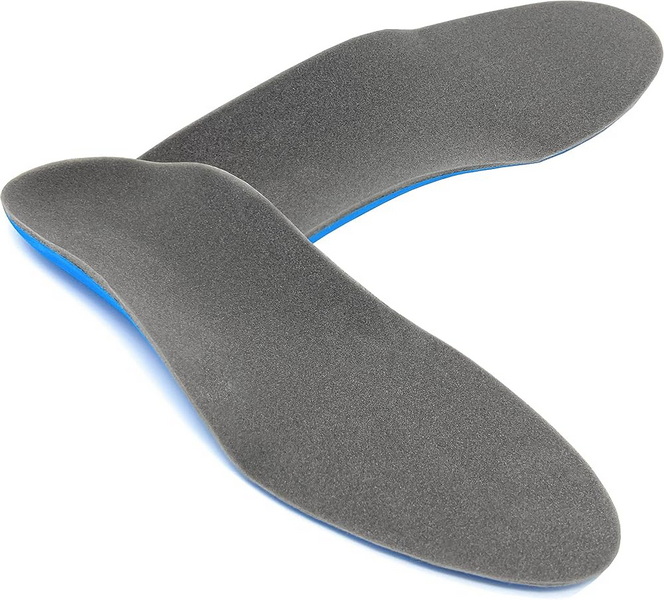
Regular insoles offer cushioning and comfort, while orthotics are designed to correct foot posture and improve biomechanics, providing medical-grade support and pain relief.
Absolutely. OEM manufacturers can create orthotics under your brand name with personalized designs, materials, packaging, and logos for market differentiation.
Typically, the production timeline ranges from 20 to 45 days, depending on order size, prototype approval, and design complexity.
Yes. Orthotics can be made for sneakers, work boots, heels, sandals, and even safety shoes. The material and thickness are customized for each footwear style.
Most Chinese OEM factories offer full export support, including international shipping, customs documentation, and after-sales assistance to ensure smooth delivery worldwide.


