
Language
Views: 222 Author: Edvo Publish Time: 2025-12-30 Origin: Site


Content Menu
● What Makes Memory Foam Special?
● Factors That Affect the Lifespan of Memory Foam Insoles
>> Foam Density
● Different Types of Memory Foam Insoles
>> Traditional Memory Foam Insoles
>> High-Density Memory Foam Insoles
>> Gel-Infused Memory Foam Insoles
>> Orthopedic or Supportive Memory Foam Insoles
>> Activated Charcoal or Bamboo-Based Insoles
● Indicators of Long-Lasting Memory Foam Insoles
● Advanced Manufacturing Techniques That Improve Durability
>> Precision Foaming and Density Control
>> Compression and Injection Molding
>> Reinforced Arch and Heel Design
>> Surface Treatment and Finishing
● OEM and ODM Advantages in Memory Foam Insole Production
● Testing Methods to Assess Longevity
● Environmental Impact and Sustainable Materials
● Maintenance and Replacement Tips
● The Long-Term Value for Brands and Wholesalers
● The Future of Memory Foam Insole Technology
● Choosing the Right OEM Memory Foam Insole Partner
● FAQ
>> 1. How often should memory foam insoles be replaced?
>> 2. What type of memory foam lasts the longest?
>> 3. Can memory foam insoles be used in all shoe types?
>> 4. How can I prevent my insoles from wearing out quickly?
>> 5. What advantages does working with an OEM manufacturer offer?
Memory foam insoles have transformed modern footwear comfort. Their ability to contour perfectly to the wearer's feet, absorb shock, and relieve pressure points makes them one of the most popular choices among athletes, workers, and everyday consumers. However, while memory foam offers remarkable cushioning, not every insole delivers the same long-term performance.
For manufacturers, wholesalers, and brand owners looking to deliver high-quality products, understanding the factors that determine durability is crucial. In this complete guide, we will explore what makes some memory foam insoles last longer than others, the technologies involved in their production, and how proper selection and design can significantly extend lifespan.

Memory foam, or viscoelastic polyurethane, responds to body weight and heat by molding to the unique contours of each foot. This adaptability makes it ideal for reducing strain and preventing fatigue. Over time, however, repeated compression can cause foam to lose elasticity.
The key lies in the foam structure: high-quality memory foam features a uniform cell distribution that allows consistent rebound. Lower-grade foam may feel soft initially but begins to flatten after extended use. The balance between softness and support determines both comfort and durability.
Brands that prioritize high-density materials and consistent manufacturing processes usually produce insoles that not only feel comfortable but also maintain structure much longer.
Several variables determine how long a pair of memory foam insoles will last before showing significant wear.
High-density foam is denser in structure and more resistant to compression. It rebounds better after each step, allowing for extended use. Lower-density insoles may be lighter, but they lose shape faster and often develop permanent imprints after a few months of wear.
Not all polyurethane foams are equal. Some blends include fillers or softening agents that lower cost but reduce product resilience. Premium, medical-grade polyurethane offers higher tensile strength and elasticity, ensuring consistent support even after prolonged use.
Modern insoles often combine multiple layers—foam, gel, EVA, or fabric—to achieve both cushioning and structure. A reinforced base layer prevents sagging, while an upper comfort layer provides softness. Multi-layer designs tend to outlast single-material options.
The wearer's activity level greatly affects lifespan. Runners, construction workers, or those who stand for long shifts will wear down insoles faster than casual users. Heavy impacts accelerate material fatigue, especially around the heel and arch.
Humidity, heat, and exposure to sweat can break down foam cells faster. Insoles with breathable top fabrics or antimicrobial treatments handle moisture better, extending usability and preventing odor build-up.
The footwear industry offers a range of memory foam insole types designed for specific applications. Their longevity varies according to design and composition.
These standard insoles emphasize cushioning. While they're economical and comfortable, they tend to compress faster under continuous load due to single-layer construction. Lifespan ranges from several months to half a year depending on usage.
These use concentrated foam with tighter cell structure. They maintain shape longer and offer better pressure resistance. Though firmer at first, they adapt perfectly to foot contours over time and can last a full year or beyond.
These pair gel pods or infused layers with foam to combine cushioning and temperature control. The gel dissipates heat effectively, keeping the feet cooler while reducing foam fatigue. They perform well in athletic or all-day wear shoes.
Designed with anatomy in mind, these insoles feature heel cups, arch reinforcement, and multiple density zones to balance comfort and support. Their robust build not only alleviates stress on joints but also extends their lifespan significantly compared with basic insoles.
These are infused with odor-neutralizing and moisture-absorbing agents. They maintain freshness over time and resist microbial growth, making them a long-lasting, eco-friendly option for both casual and performance footwear.
To identify durable insoles, pay attention to several key details:
- Recovery speed: The foam should spring back to shape soon after compression.
- Surface uniformity: No visible lumps, gaps, or inconsistent thickness.
- Stability and firmness: It should feel supportive under pressure without collapsing.
- Breathable cover fabric: High-quality textile or mesh layers improve air circulation.
- Edge bonding quality: Proper lamination prevents delamination or curling after prolonged use.
When evaluating samples or prototypes, simple compression testing and manual inspection can provide quick insights into likely product performance.
Insole longevity starts at the manufacturing stage. Modern factories employ a variety of production technologies to enhance consistency, durability, and user comfort.
State-of-the-art foaming machines control temperature, chemical ratio, and expansion pressure to produce consistent density across the entire insole mold. This eliminates weak zones, ensuring the foam wears evenly across both feet.
Compression molding ensures a tight, stable cell structure ideal for durability. Injection molding allows for more complex shapes and multi-density layering, offering superior support and longevity in high-demand footwear.
By fusing a supportive base (EVA or rubber) to a cushioning top layer (memory foam), manufacturers greatly increase tear resistance and prevent deformation. This approach is frequently used in premium athletic and safety footwear.
Embedding TPU or EVA reinforcements within the arches and heels reduces stress zones. These reinforcements act as a skeleton structure, extending foam life while adding energy return during walking.
Anti-microbial coatings, anti-slip textures, and moisture-wicking top covers protect the foam from bacterial degradation. These surface treatments contribute not only to hygiene but also to long-term shape retention.
As one of China's leading OEM and ODM memory foam insole manufacturers, we serve international footwear brands, wholesalers, and accessory suppliers who prioritize long-term comfort and durability. Our facilities employ integrated production systems that allow total control of each manufacturing phase.
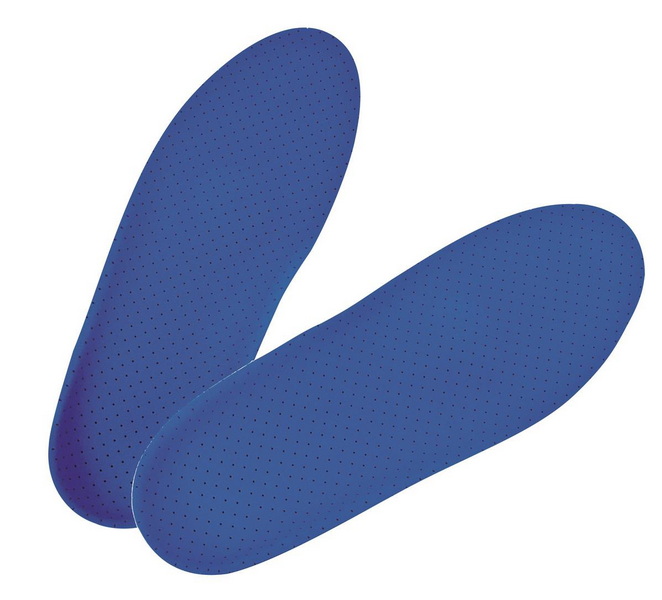
We provide tailor-made insoles based on client requirements. Brands can choose:
- Foam density and hardness.
- Multi-color or dual-density designs.
- Custom logo and insole shape.
- Breathable top fabric types.
- Special odor-resistant or cooling foam formulations.
For partners without an existing design, we offer developmental support—from sample design to material recommendation and mass production. This ensures that even newly launched brands receive reliable, competitive products designed to meet both comfort and durability expectations.
Each production line undergoes quality checks for compression recovery, dimensional accuracy, bonding strength, and odor resistance. Our test protocols ensure every product maintains performance through repeated use, even under challenging environments.
Professional insole testing can accurately predict real-world performance. Several methods are commonly used:
- Compression set test: Measures how much the foam recovers after repeated compression cycles.
- Rebound resilience test: Evaluates energy return, indicating whether the foam retains elasticity.
- Abrasion resistance: Determines surface wear when exposed to friction inside the shoe.
- Moisture exposure simulation: Tests how long insoles hold up under sweaty conditions.
- Aging chamber testing: Simulates long-term wear using heat and moisture to predict material lifespan.
By analyzing results from these tests, manufacturers and buyers gain valuable insight into how insoles will perform in the field.
With sustainability taking center stage in modern manufacturing, many companies are developing eco-conscious alternatives that reduce environmental footprint while maintaining durability.
- Bio-based polyurethane: Derived partly from natural ingredients, reduces dependency on petrochemicals.
- Recycled foam: Repurposes existing polyurethane materials, lowering waste and production emissions.
- Bamboo charcoal foam: Provides natural odor resistance and moisture absorption.
- Water-based adhesives: Used for lamination without toxic solvents.
These innovations not only prolong product shelf life but also meet increasing global demand for eco-friendly footwear components.
Even premium insoles require proper care to achieve their full lifespan. Follow these professional maintenance steps:
- Air-dry after wearing. Moisture accelerates foam aging, so dryness is essential.
- Use removable pairs. Allowing insoles to rest outside the shoe extends their usable life.
- Avoid extreme heat. Never dry near heaters or in direct sunlight; heat damages foam cells.
- Clean gently. Use mild soap and a soft cloth—never immerse insoles in water.
- Monitor shape. Replace when permanent compression marks or uneven thickness appear.
Proper practices can extend service life well past one year, maximizing both cost efficiency and user comfort.
For international footwear companies, offering long-lasting memory foam insoles provides distinct advantages:
- Brand reputation for quality: Consumers appreciate durability, promoting loyalty and repeat sales.
- Reduced return rates: Durable insoles maintain performance longer, lowering warranty issues.
- Competitive pricing leverage: High-performance products justify premium pricing tiers.
- OEM efficiency: Working directly with manufacturers enables flexible volume, stable cost, and consistent quality.
- Sustainability alignment: Durable products align with global consumer trends favoring reduced waste.
Ultimately, investing in premium insole technology results in measurable financial and reputational gains for both brands and distributors.
The insole industry is constantly evolving. Cutting-edge innovations are enhancing both durability and comfort with every generation. Some emerging trends include:
- Smart insoles that integrate pressure sensors and real-time gait analysis.
- Nano-cell memory foams with improved elasticity.
- 3D-printed insole bases for customized fit and longer durability.
- Hybrid cushioning systems that combine memory foam with spring or gel structures for enhanced energy return.
These developments represent the next stage in achieving insoles that not only last long but also adapt to users' individual movement patterns for ultimate comfort.
When selecting an OEM supplier, several essential qualities ensure long-term cooperation success:
- Experience and specialization: Work with manufacturers dedicated to insole production, not general footwear accessories.
- Advanced equipment: Factories using automated foaming and lamination ensure consistent density and bonding.
- Customization capacity: The ability to adjust hardness, thickness, and material combinations offers flexibility for global markets.
- Export compliance: Ensure the manufacturer meets ISO, REACH, or SGS standards for material safety and quality.
- After-sales support: Reliable communication and technical documentation help maintain smooth project execution.
Partnership with the right manufacturer guarantees not only long-lasting insoles but also reliable supply chain performance and product innovation aligned with your brand goals.
The question “Which memory foam insoles last the longest?” depends on several interrelated factors—foam density, quality of materials, user activity, and manufacturing expertise. While all memory foams provide comfort, only those engineered with high-density materials, advanced molding processes, and reinforced structure consistently deliver long service life.
For brands and wholesalers, the key is partnering with experienced OEM manufacturers who understand how to balance comfort with longevity through precision engineering and rigorous testing. By investing in reliable, high-performance insoles, your brand can enhance both customer satisfaction and long-term market value.
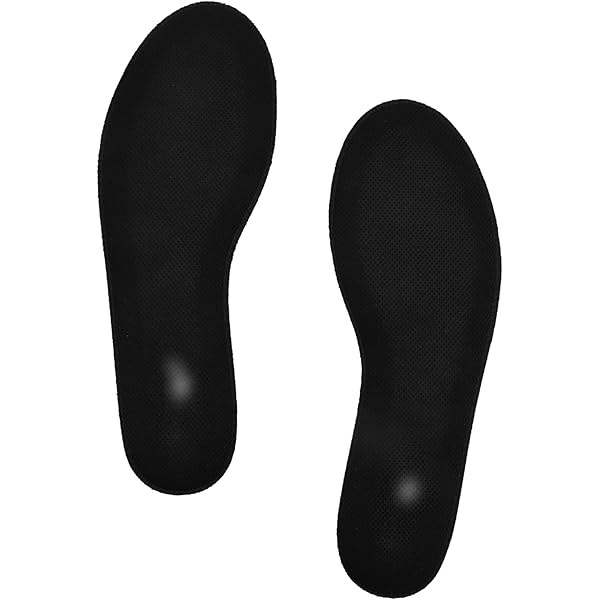
Under daily use, most insoles should be replaced every 6 to 12 months. High-density foams and multi-layer structures can last over a year if properly cared for.
High-density viscoelastic foam combined with supportive bases such as EVA or TPU typically lasts the longest, maintaining shape and cushioning even after heavy use.
Yes, they are versatile enough for sneakers, dress shoes, boots, and work footwear. Custom OEM designs can match different shoe shapes and user preferences.
Ensure proper cleaning, air-drying after each use, and rotating between multiple pairs. Avoid prolonged moisture exposure and extreme temperatures.
OEM partnerships provide flexibility in materials, branding, and design customization. They ensure consistent quality control, durability improvements, and efficient mass production tailored to your target market.


