
Language
Views: 222 Author: Edvo Publish Time: 2025-11-16 Origin: Site


Content Menu
>> Foam Insoles
>> Gel Insoles
>> Cork Insoles
● Benefits of High-Quality Insoles
● Leading Insole Brands and Models for 2025
● Material Overview and Selection Tips
● Proper Fitting and Maintenance
● Insole Solutions by Activity
● Insoles for Work Environments
>> 1. What type of insole is best for flat feet?
>> 2. Can insoles help with plantar fasciitis?
>> 3. How do I know if I need custom or moldable insoles?
>> 4. How often should I replace my insoles?
>> 5. Are gel insoles good for sports?
Finding the best sole insoles can transform your foot comfort, health, and performance. Insoles enhance shoe support by absorbing shock, aligning posture, and reducing fatigue, especially for those on their feet long hours or engaging in physical activity. This guide explains different insole types, their benefits, recent top products in 2025, and tips for choosing the right one. As a leading Chinese OEM manufacturer serving overseas brands, wholesalers, and producers, we highlight how tailored insoles meet diverse needs with quality and innovation.

Insoles, also known as footbeds or inserts, are designed to boost comfort, support, and fit inside your footwear. They come in various shapes, thicknesses, and materials to match different uses—from daily walking to sports and medical needs. Proper insoles:
- Relieve pain from foot conditions such as plantar fasciitis or overpronation.
- Improve posture and alignment, positively impacting overall body balance.
- Enhance comfort for prolonged standing or activity.
- Extend the life of shoes by reducing wear.
Foam insoles are popular for cushioning and energy return, ideal for athletes and those standing long hours. They provide good shock absorption and moderate durability.
Gel insoles offer excellent shock absorption with a soft feel, making them popular for foot pain relief and use in dress shoes where comfort and thinness are needed.
Cork insoles mold gradually to the foot shape, offering firm support and moisture control—a great choice for hiking and outdoor activities.
Leather insoles are durable and breathable, providing comfort mostly in formal or work shoes without sacrificing longevity.
These insoles can be heat-molded to fit unique foot contours, perfect for those requiring specialized arch support or corrective orthotics.
Investing in premium insoles offers:
- Better comfort during extended wear
- Reduced fatigue and joint stress due to shock absorption
- Increased stability lowering injury risks during physical activity
- Corrective support for posture and foot alignment
- Prolonged shoe lifespan by minimizing internal shoe wear
- Superfeet Hike Support: Known for comfort, stability, and multi-activity use.
- Currex RunPro Insoles: Flexible with dynamic arch support, favored by runners.
- Powerstep Bridge Adaptable Arch: Good balance of cushioning and arch support.
- Blumaka NonSlip Insoles: Max cushioning with recycled foam, good for low arches.
- Sole Performance Medium: Moldable cork and EVA mix suitable for runners and walkers.
- Foam: Cushions and supports; absorbs impact well.
- Gel: Best at shock absorption; ideal for sensitive feet.
- Cork: Provides firm support; molds to feet over time.
- Leather: Durable, breathable, enhances comfort in dress styles.
- Customization: Moldable insoles deliver personalized fit and corrective alignment.
When choosing insoles:
- Match to your activity type (running, work, hiking, casual).
- Consider your arch profile: high, medium, low.
- Check shoe space for insole thickness.
- Opt for customization if you have unique foot needs.
- Replace insoles worn out or less supportive over time.
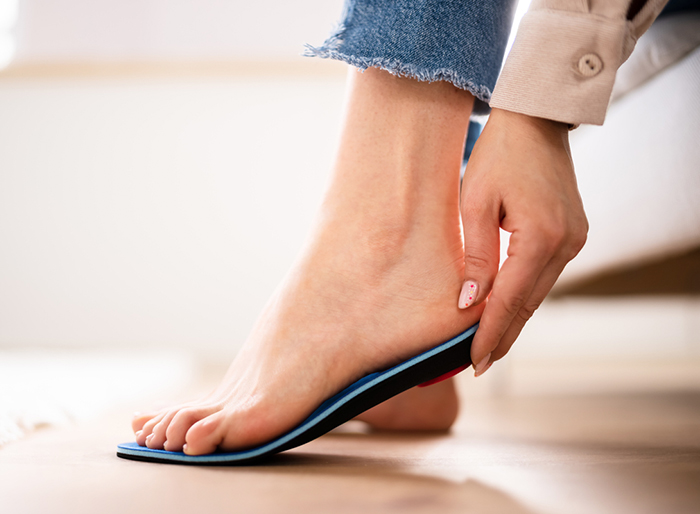
- Trim oversized insoles to shoe size using existing footbeds as guides.
- Gradually break in new insoles by wearing them few hours at a time.
- Clean insoles with mild soap and air dry regularly.
- Replace every 6–12 months depending on wear and odor.
| Activity | Best Material | Recommended Models |
|---|---|---|
| Walking | Foam, Gel | Superfeet Hike, Currex RunPro |
| Running | Foam, Moldable | Sole Performance Medium, Blumaka |
| Hiking | Cork, Moldable | Superfeet Hike, Sole Medium |
| Dress Shoes | Gel, Leather | Powerstep Bridge, Leather |
| Medical Needs | Moldable, Custom | Specialist Orthotics, Sole Moldable |
Work boots need insoles with durability, cushioning, and support to endure long hours on hard surfaces:
- Triple-layer foam insoles with moisture wicking and odor control help maintain comfort.
- Deep heel cups enhance foot stability.
- Gel pads reduce impact stress.
- Look for insoles designed for foot conditions common in workplaces such as plantar fasciitis.
OEM insoles deliver:
- Customization in design, materials, branding, and function.
- Scalable production with consistent quality.
- Compliance with international performance standards.
- Tailored packaging and marketing for brand differentiation.
Choosing the best sole insoles depends on your foot anatomy, activity type, and comfort preferences. Foam, gel, cork, leather, and customized moldable insoles each play distinct roles in protecting and supporting feet. Selecting insoles from trusted brands or custom OEM products can dramatically improve comfort, prevent injuries, and boost performance. For brands and consumers alike, understanding your needs and matching them to the right insole will ensure lasting foot health and satisfaction.

For flat feet, foam or moldable insoles offering strong arch support relieve discomfort and provide essential structure.
Yes, insoles designed with firm arch support and cushioning reduce stress on the plantar fascia and alleviate pain.
Persistent foot pain, unique arch shape, or corrective needs suggest investing in custom or moldable insoles for tailored support.
Signs like reduced cushioning, odor, or visible wear indicate it's time to replace insoles, usually every 6 to 12 months.
Gel insoles offer shock absorption for casual sports, though high-impact activities benefit more from foam or cork with stability features.


