
Language
Views: 222 Author: Edvo Publish Time: 2026-01-28 Origin: Site


Content Menu
● What Are Custom Orthotic Insoles?
● Why Choose Custom Orthotic Insoles Over Prefabricated Ones?
● Which Store Make Custom Orthotic Insoles?
>> 1. Podiatry Clinics and Medical Foot Centers
>> 2. Sports and Outdoor Specialty Stores
>> 3. Online Custom Orthotic Brands
>> 4. OEM Manufacturers and Private Label Partners
● The Process of Creating Custom Orthotic Insoles
>> Step 1: Digital Foot Analysis
>> Step 2: Design and CAD Modeling
>> Step 4: Precision Cutting or 3D Printing
>> Step 5: Finishing and Quality Testing
● Key Considerations When Choosing a Custom Orthotic Provider
● Why Choose OEM Orthotic Insoles Manufacturers in China
● Applications of Orthotic Insoles Across Industries
● Future Trends in Orthotic Insoles Industry
● FAQs About Custom Orthotic Insoles
>> 1. What are orthotic insoles used for?
>> 2. How do I know if I need custom orthotic insoles?
>> 3. Can I wear orthotic insoles with any type of shoes?
>> 4. How long do custom orthotic insoles last?
>> 5. Are OEM orthotic insoles profitable for B2B resellers?
Comfort and support start from the ground up. Your feet carry you through thousands of steps each day, making their health and stability vital to your overall well-being. Whether you're an athlete, nurse, factory worker, or simply someone who spends long hours on your feet, Orthotic Insoles can transform your comfort and performance. They provide support, balance, and corrective alignment that improve posture and relieve pain. But an important question arises — Which store make custom orthotic insoles, and how do you choose the right one for your needs or business?
This comprehensive guide explores how custom orthotic insoles are made, the types of stores and manufacturers that offer them, key benefits for individuals and businesses, and why OEM manufacturing — especially in China — has become an essential part of the global orthotic industry.
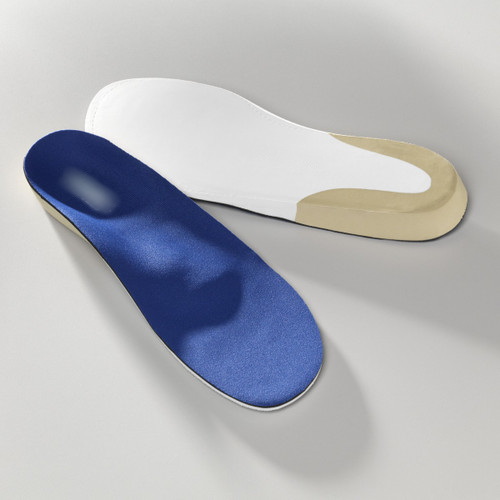
Orthotic Insoles are specialized foot supports designed to correct biomechanical issues, enhance walking posture, and reduce stress on joints. Unlike generic insoles found in retail shoe stores, custom orthotic insoles are made to match the unique contours of your feet using 3D scanning or traditional casting techniques. They offer a precise fit and targeted support for every individual.
The purpose of custom orthotic insoles extends beyond comfort:
- They correct gait abnormalities.
- They alleviate knee, hip, and lower back pain.
- They prevent long-term foot conditions such as plantar fasciitis or bunions.
- They distribute weight evenly, reducing strain and fatigue.
Because of their personalized design, custom orthotic insoles are often recommended by medical professionals such as podiatrists or physical therapists for therapeutic use.
Prefabricated insoles, though affordable, tend to offer general support without addressing each user's anatomical differences. Custom orthotic insoles, by contrast, are a personalized medical-engineered solution.
Here's why they stand out:
1. Customized Fit: Each pair is shaped to match your unique arch type and pressure distribution.
2. Improved Alignment: They correct imbalances in foot structure, ankles, and knees.
3. Pain Reduction: By minimizing pressure on sensitive areas, they relieve chronic pain.
4. Injury Prevention: Orthotic Insoles help prevent overpronation, flat feet strain, and athletic injuries.
5. Durability: High-quality materials ensure longer product life compared to store-bought options.
For professional athletes, office workers, and patients alike, custom orthotic insoles provide lasting support and health benefits unmatched by mass-produced inserts.
When searching for which store make custom orthotic insoles, there isn't a one-size-fits-all answer. It depends on whether you're an individual purchasing for personal use or a business sourcing for resale or brand development. Here's a breakdown of the main providers and what makes each suitable:
Medical professionals specializing in podiatry offer the most precise custom orthotics. Clinics use foot pressure mapping, gait analysis, and 3D molds to create insoles specifically recommended for orthopedic or medical needs. These are ideal for conditions like flat feet, diabetic neuropathy, or arthritis. Many clinics collaborate with orthotic labs for manufacturing, ensuring medical precision and quality materials.
Athletes and active individuals benefit from orthotic insoles designed for performance enhancement and injury prevention. Sports stores often partner with orthotic brands to provide customizable products. Some use foot scanners on-site to measure pressure zones and create optimized performance insoles. These offer not just comfort, but also better energy transfer during movement.
E-commerce has made it easier than ever to order custom orthotic insoles. Many online services provide impression kits or mobile apps that capture your foot shape. You can then receive customized insoles via direct shipping. These virtual orthotic stores have become popular among busy consumers who want convenience without visiting a clinic.
For business buyers, collaborating with an OEM orthotic insoles manufacturer offers unmatched flexibility. OEM (Original Equipment Manufacturer) and ODM (Original Design Manufacturer) partners can produce custom designs branded under your company name. They combine biomechanical research, ergonomic design, and large-scale manufacturing efficiency.
Our company, as one of China's leading orthotic insoles manufacturers, provides OEM and ODM solutions for international clients, including brand owners, wholesalers, and distributors. We deliver full customization options — from shape and material to performance features and private packaging — allowing foreign brands to expand their wellness and footwear product lines professionally.
The creation of custom orthotic insoles involves both science and precision craftsmanship. Modern factories integrate technology, biomechanical study, and high-quality materials into every stage.
Technicians perform a detailed foot scan to analyze arch type, pressure points, and alignment. Advanced equipment maps your foot structure in 3D for precise model creation.
Using digital design software, orthotic engineers customize the insole profile, thickness, and curvature according to the user's feet condition and lifestyle.
Different applications require different materials:
- EVA or PU for shock absorption and comfort
- Memory foam for cushioning
- TPU or carbon fiber for lightweight rigidity
- Medical-grade silicone or gel for special orthopedic cases
CNC milling or 3D printing technology ensures a consistent and accurate shape that fits perfectly in any shoe structure.
Each orthotic insole undergoes durability, flexibility, and compression resistance testing. The insoles are then refined, checked for size precision, and labeled for shipment.
By following these technological steps, modern OEM orthotic manufacturers can ensure that every pair of orthotics meets international medical safety and performance standards.
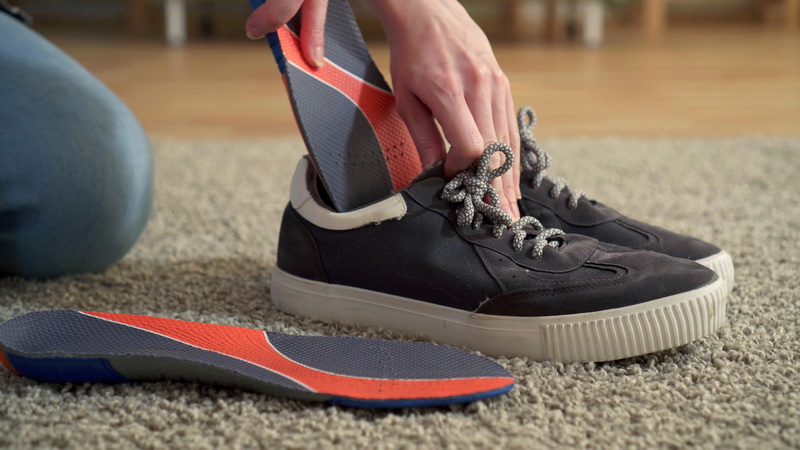
Choosing where to buy custom orthotic insoles requires careful attention to detail. Here are the essential points to evaluate:
- Professional Expertise: Does the store or manufacturer have certified specialists or biomechanical engineers?
- Technology Level: Look for providers that use 3D scanning, gait analysis, or CAD design.
- Material Quality: Premium-grade EVA, TPU, or carbon materials ensure better longevity.
- Customization Flexibility: Especially for businesses, OEM factories that provide design and branding options are ideal.
- Certifications: Medical and production certifications (ISO, CE, FDA) show reliability.
- After-Sales Service: Warranty and replacement options reflect product confidence.
Whether you need one pair or a full product line, the right manufacturer or store will integrate scientific design, comfort, and business adaptability.
China has become a global powerhouse in orthotic insoles production due to its integration of technology, manufacturing experience, and efficient supply chains. There are several reasons why international brands and wholesalers choose Chinese OEM factories for collaboration:
1. Cost Efficiency: Lower production costs without sacrificing quality.
2. Advanced Technology: Use of CAD design, CNC cutting, and robotic assembly.
3. High Flexibility: Full OEM/ODM customization, private labeling, and packaging.
4. Stable Quality: International standards, strict inspection procedures, and reliable export support.
5. Innovation Capacity: R&D teams continuously innovate ergonomic and eco-friendly materials.
Partnering with a professional OEM orthotic insoles manufacturer can help global brands develop product lines faster, enhance quality control, and achieve market scalability.
Orthotic insoles serve various industries and daily-life applications beyond personal footwear:
- Sports & Athletics: Enhance performance, boost endurance, and reduce injuries.
- Healthcare & Rehabilitation: Assist patients recovering from surgery or injuries.
- Work & Safety Footwear: Offer additional comfort for factory and service professionals.
- Everyday Lifestyle: Provide comfort for office, home, and casual shoes.
- Brand Development: Ideal product addition for fitness, wellness, and footwear brands.
As global awareness of foot health grows, orthotic insoles continue to transition from a purely medical accessory to a mainstream comfort solution.
With advancements in wearable technology and digital health, the orthotic insoles industry is evolving rapidly. Here are some trends shaping its future:
- Smart Insoles: Integrated sensors track gait, steps, and posture.
- Eco-Friendly Materials: Use of biodegradable foams and recycled elements.
- Personalized E-Commerce: AI-driven online fitting recommendations.
- 3D Printing Customization: Faster, more precise production for every customer.
- Focus on Preventative Health: Increased use of orthotic insoles for posture correction before medical issues develop.
For companies entering this field, staying ahead of these trends ensures competitive advantage and long-term sustainability.
The question “Which store make custom orthotic insoles?” can be answered on multiple levels. For individuals seeking corrective support or comfort, podiatry clinics, sports stores, and trusted online platforms provide reliable customized solutions. For brand owners, wholesalers, and distributors, partnering with a reputable OEM manufacturer in China offers scalable production, advanced technology, and full customization opportunities.
High-quality Orthotic Insoles combine science, ergonomics, and design to support every lifestyle — from athletic performance to workplace comfort. Investing in the right supplier ensures both user satisfaction and business growth. In today's global market, choosing experienced custom orthotic producers is not just about comfort; it's about stepping forward with innovation, health, and confidence.
Contact us to get more information!
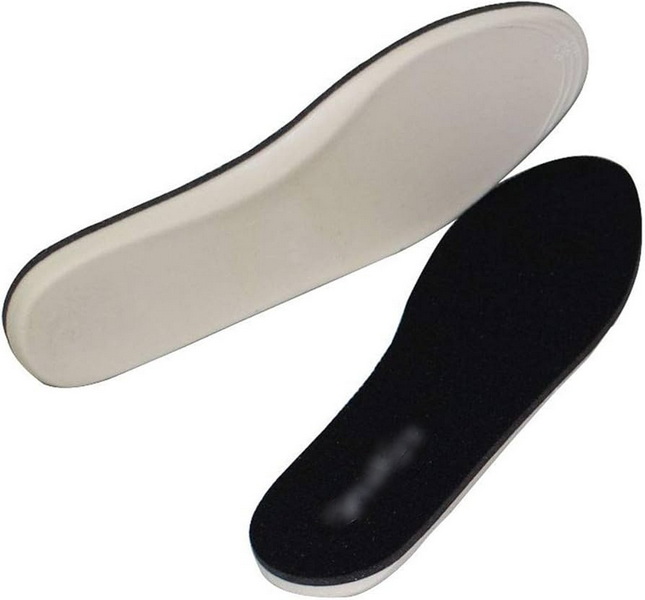
Orthotic insoles are used to correct foot imbalances, improve posture, relieve pain, and prevent ongoing strain or injuries caused by poor alignment.
If you experience foot, ankle, or knee discomfort, uneven shoe wear, or fatigue after standing long hours, you may benefit from custom orthotic insoles designed for your exact foot shape.
Yes, most orthotic insoles are designed to fit in various footwear styles, including sneakers, work boots, and casual shoes. Manufacturers can also customize thickness and shape for specific shoe types.
Lifespan varies based on material quality and usage. Typically, high-quality orthotic insoles last between 18 months and 3 years if maintained properly.
Absolutely. Collaborating with OEM manufacturers allows businesses to develop their own branded orthotic lines at competitive prices, expanding product portfolios and margins.
1. [https://www.apma.org](https://www.apma.org)
2. [https://www.footlevelers.com](https://www.footlevelers.com)
3. [https://www.orthoticshop.com](https://www.orthoticshop.com)
4. [https://www.foothealthfacts.org](https://www.foothealthfacts.org)
5. [https://www.ncbi.nlm.nih.gov/pmc/articles/PMC](https://www.ncbi.nlm.nih.gov/pmc/articles/PMC)


