
Views: 222 Author: Edvo Publish Time: 2025-11-16 Origin: Site


Content Menu
● What Makes Sole Performance Insoles Unique?
● Challenges in Meeting Global Demand
>> Manufacturing Complexity and Expertise
>> Brand Exclusivity and Fragmented Market
>> Customization and Technical Barriers
● Online vs. Offline Retail Experience
● The Hidden Role of OEM Manufacturers
● Regulatory and Certification Challenges
● Consumer Awareness and Education
● The Challenge of Counterfeits and Market Noise
● Environmental Sustainability Considerations
● Advances in Smart Insole Technology
● The Importance of Fit and Fitting Services
● The Future: Smarter, Sustainable, Widely Accessible
● Strategies for Consumers to Find Authentic Sole Performance Insoles
● OEM Partnership Opportunities for Businesses
● FAQ
>> 1. Why are genuine sole performance insoles rarely sold in stores?
>> 2. Can I customize insoles for my foot shape?
>> 3. How can I avoid counterfeit performance insoles?
>> 4. Are OEM insoles available to individual buyers?
>> 5. Is online shopping safe for performance insoles?
Sole performance insoles hold a pivotal role in delivering superior comfort, protection, and biomechanical support to footwear users worldwide. Whether supporting athletes during rigorous competitions, enabling laborers in demanding environments, or aiding individuals with specific foot concerns, performance insoles are engineered for excellence. Yet, customers frequently express frustration over how elusive these products are. This comprehensive article explores why sole insoles are so hard to find, covers the unique qualities of these specialized products, and delivers actionable solutions for both consumers and industry professionals.
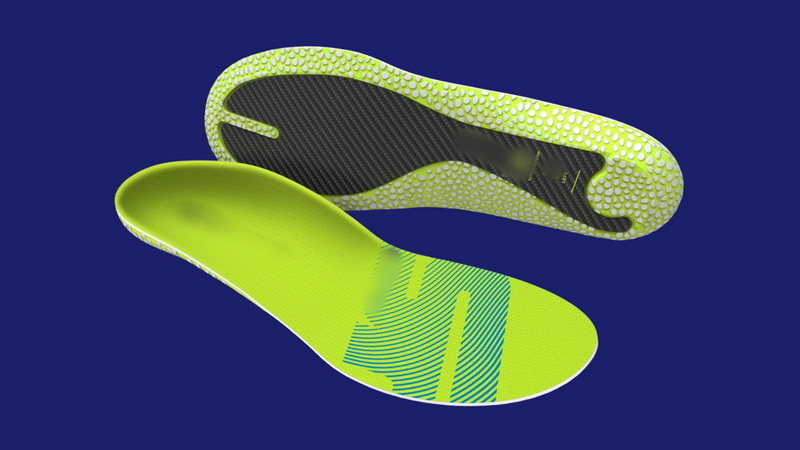
Performance insoles offer a distinct edge over conventional footbeds, stemming from innovations in biomechanics, materials engineering, and manufacturing precision. Instead of delivering basic cushioning, they address complex needs such as shock absorption, arch support, moisture control, and pressure redistribution. Engineers design these insoles with:
- Multi-layer constructions utilizing memory foam, gel pads, and advanced polymers.
- Ergonomic contours tailored to various foot shapes.
- Antimicrobial and moisture-wicking top covers to enhance hygiene.
- Zoned support for heel, arch, forefoot, and metatarsal regions.
- Customizable features based on sport, occupational, or medical requirements.
Each detail results from precise research into how the foot interacts with the ground through different activities, ensuring that performance insoles deliver critical support where it is most needed.
Despite exponential growth in global demand, the supply of genuine performance insoles lags. The scarcity is rooted in multiple converging factors:
The production of high-quality performance insoles demands sophisticated equipment, experienced technicians, and stringent process management. Only select manufacturers in China, North America, and Europe are empowered to produce insoles that genuinely meet biomechanical standards. Many lesser insoles are mass-produced with generic designs lacking scientific grounding, resulting in limited effectiveness.
Most leading insole brands collaborate exclusively with trusted OEM manufacturers—companies specializing in the creation of innovative designs according to the brand's specifications. As an OEM manufacturer, it is often the case that our products reach the end user through internationally renowned brands, leaving our own name unknown to consumers. This hidden supply chain makes it difficult for buyers to access advanced insoles directly and creates a scarcity in the retail market.
Performance insole models encompass numerous sizes, support levels, and materials types, making inventory management a complex challenge for retailers. Retailers frequently opt only to stock generic or high-rotation models, reducing the variety available to consumers. Specialty models, tailored for individual needs, are most commonly found through podiatrists, sports clinics, or direct online channels.
Major brands create exclusivity by launching performance insoles under proprietary technologies, seasonal upgrades, or geographically limited product lines. These strategies further divide the market and ensure that only a select audience gains access to genuine innovations in sole design.
Customization is the hallmark of performance insoles, involving advanced gait analysis, 3D foot scanning, and modular design. This sophistication limits mass-market adoption, as custom runs are smaller and harder to forecast. While bespoke insoles deliver the highest comfort and functionality, they are typically limited to professional clinics, athletes, or medical channels, reinforcing the scarcity in regular retail outlets.
Traditional brick-and-mortar stores generally prioritize mainstream insoles with high turnover, reducing opportunities to find genuine performance models. In contrast, online platforms expand selections but introduce new risks:
- Counterfeit products are widespread, often mimicking packaging and branding.
- Authentic insoles sell out quickly, sometimes requiring lengthy wait times.
- Customers lack the ability to try or fit products before purchasing, resulting in higher return rates and dissatisfaction.
Buyers frequently must navigate an overcrowded online marketplace where marketing claims do not always reflect substantiated benefits.
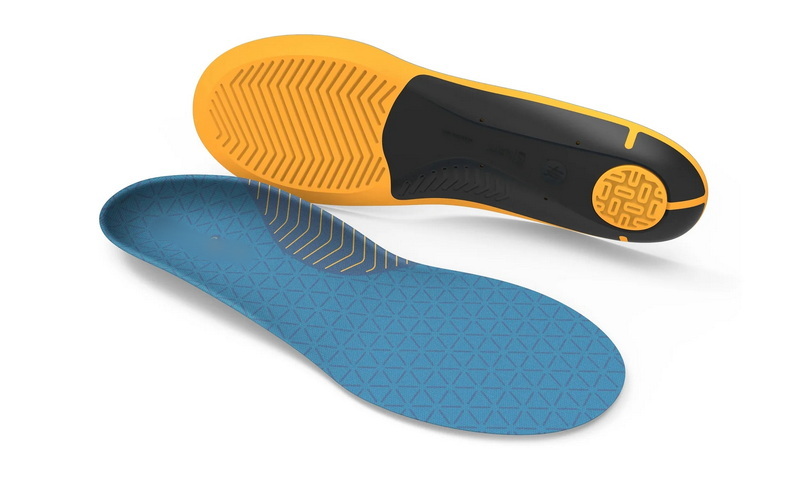
OEM manufacturers supply leading global brands with custom-designed, high-functionality insoles. Our facilities utilize smart machinery, in-house research and development, and rigorous quality standards to create insoles that meet international regulations and brand specifications. However, these products are often unavailable under the OEM's own label, contributing to the difficulty faced by individual consumers seeking direct access to cutting-edge options.
Performance insoles, especially those claimed to have medical or orthopedic benefits, must comply with international standards such as CE, FDA, and ISO certifications. The process demands extensive material testing, documentation, and strict adherence to safety guidelines. Regulatory hurdles slow down new product introductions and restrict retail flexibility, extending the time it takes for the newest innovations to reach the market.
Another barrier to broader access is the lack of consumer education regarding the technical benefits of performance insoles. Many buyers treat all insoles as generic add-ons, unaware that sole design affects posture, injury risk, and athletic performance. To address this, brands invest in clinical studies, endorsements from professionals, and detailed product information—but these efforts often target premium market segments, sidelining the average shopper.
Low-grade insoles and counterfeits are rampant in online markets and even in some retail outlets. The superficial resemblance to genuine performance insoles creates confusion, undermines consumer trust, and makes it harder for legitimate products to stand out. This proliferation of imitation products pressures authentic manufacturers to adopt security labeling, authentication programs, and consumer education campaigns.
The push for sustainable practices is transforming the performance insole sector. Leading manufacturers are adopting eco-friendly materials such as plant-based foams, recycled polymers, and biodegradable fabrics. While these innovations further distinguish premium insoles, they also increase production costs and complicate supply chains, resulting in fewer options reaching mainstream channels during early adoption phases.
Cutting-edge designs include smart insoles embedded with sensors to monitor gait, track activity, and analyze pressure points. Such technology-driven solutions promise custom feedback for athletes and individuals with medical needs. However, this sophistication further reduces broad retail distribution and means that only specialized outlets or direct OEM channels provide access to the most advanced offerings.
Achieving optimal benefit from a performance insole depends on precise fit. Clinics and select retailers offer fitting sessions using advanced digital tools, foot scans, and pressure mapping, ensuring tailored solutions for each user. While these options enhance end-user experience, they also limit mass-market availability, as fitting services are infrequent outside of specialty locations.
The industry is evolving rapidly. Innovations in manufacturing automation, sustainable materials, and digital customization promise to make performance insoles more accessible in the future. Chinese OEMs, renowned for large-scale, high-tech production, are spearheading these trends with partnerships that leverage smart prototyping, flexible distribution, and digital ordering platforms. As more manufacturers embrace direct-to-consumer offerings and as certification becomes more streamlined, it is likely the selection of genuine sole performance insoles will improve significantly for everyday buyers.
While the obstacles are many, there are effective strategies consumers can use to source genuine products:
- Research brand transparency and look for endorsements from podiatrists or sports professionals.
- Demand scientific data such as clinical trials, pressure mapping results, or peer-reviewed studies.
- Purchase only from authorized retailers, official brand websites, or reputable clinics.
- Utilize fitting services where possible to maximize value and comfort.
- Ignore bargain deals from unverified third-party sites and prioritize product authenticity over price savings.
For brands, wholesalers, and manufacturers, direct collaboration with trusted OEM partners unlocks innovation. The ability to specify features, choose sustainable materials, and demand rigorous testing ensures the finished product's market competitiveness. As a leading Chinese OEM, our company delivers advance sole designs, fast prototyping, and scalable production—key advantages for global partners seeking exclusivity and high quality.
Sole performance insoles remain hard to find because of the advanced science, manufacturing complexity, OEM supply models, regulatory requirements, and market fragmentation that characterize the industry. Brand exclusivity and a lack of consumer education further exacerbate the challenge, while the prevalence of counterfeits and limited fitting services make sourcing authentic insoles difficult for most buyers. Through strategic research, demand for certification, and leveraging fitting technologies, consumers and businesses can access genuine performance products. The future promises wider availability as smart manufacturing, sustainability, and direct-to-consumer channels disrupt the marketplace.
Most retailers stock generic insoles for quick turnover, which minimizes risk. Specialty models offering tailored biomechanical benefits are reserved for clinics, sports outlets, or online direct purchase channels.
Yes. Leading manufacturers and specialized clinics offer custom fitting through foot scanning and pressure mapping, delivering insoles tailored for unique requirements.
Insist on authorized distributors, review official branding, and look for supporting clinical or certification data. Avoid unknown vendors and always check product documentation for authenticity.
OEM production is primarily for brands and wholesalers, but some manufacturers are releasing direct-to-consumer models. Partner clinics may offer customization based on OEM platforms.
Online channels offer greater variety and access, as long as buyers verify retailer legitimacy and consult product reviews. Ensure each purchase is backed by warranties and clear return policies.


