
Views: 222 Author: Edvo Publish Time: 2026-01-16 Origin: Site


Content Menu
● Understanding Foot Orthotic Inserts
● The Growing Demand for Orthotic Inserts
● 1. To Relieve Foot Pain and Discomfort
● 2. To Correct Posture and Support Alignment
● 3. To Enhance Athletic Performance
● 4. To Prevent Future Foot Problems
● 5. To Improve Overall Comfort in Everyday Life
● 6. To Address Specific Health Conditions
● 7. To Fit Customized Footwear or Lifestyle Needs
● 8. To Support Aging Populations
● 9. To Align with Fashion and Footwear Innovation
● 10. To Meet Professional Working Needs
● 11. Advances in Orthotic Manufacturing Technology
● 12. Environmental Sustainability in Orthotic Production
● 13. The Psychological Benefits of Foot Comfort
● 14. Choosing the Right Orthotic Insert
● 15. How OEM Manufacturers Support Global Brands
● 16. Future Trends in the Foot Orthotics Industry
● FAQ
>> 1. What materials are most used in foot orthotic inserts?
>> 2. How often should I replace my orthotic inserts?
>> 3. Can I use orthotic inserts in every pair of shoes?
>> 4. Are orthotic inserts only for people with foot problems?
>> 5. What makes a professional orthotic manufacturer different?
Foot orthotic inserts have become essential accessories for modern footwear. Whether designed for athletes, workers, or the elderly, these small yet powerful products make a major difference in comfort, posture, and health. Many people invest in orthotic insoles not only to relieve pain but also to enhance their everyday performance and lifestyle. Understanding the motivations behind this purchase reveals growing trends in global health, consumer behavior, and footwear innovation.
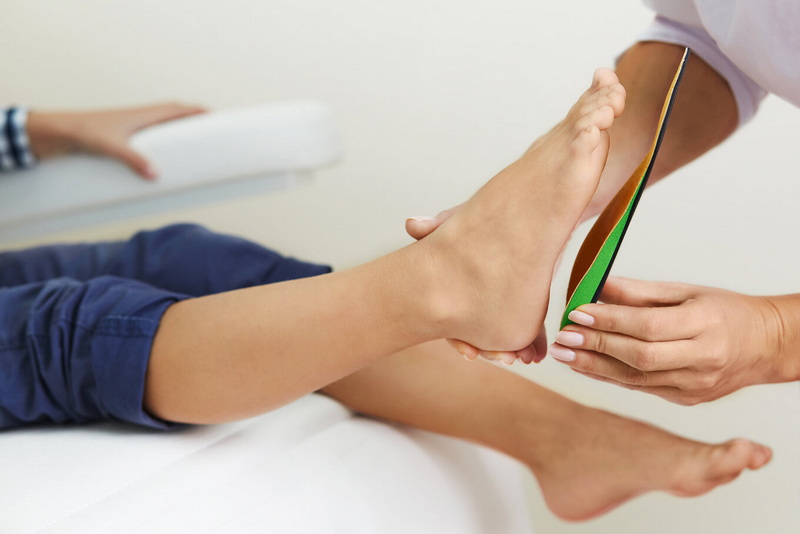
Foot orthotic inserts—often called footbeds, insoles, or orthotic supports—are specially designed devices inserted into shoes to correct biomechanical misalignments or enhance cushioning. These inserts may be made of memory foam, gel, rubber, or EVA materials, providing customized levels of firmness and support. In both clinical and consumer markets, orthotic inserts serve as a proven method for improving posture, redistributing foot pressure, and preventing pain-related conditions.
Modern manufacturing has improved significantly, allowing brands to produce inserts with multi-layer construction and ventilation properties. OEM manufacturers in China work closely with international clients to combine biomechanical science and advanced materials, creating reliable products for healthcare, sports, and lifestyle applications. Whether prefabricated or tailor-made, orthotic inserts have become integral components in quality footwear.
The popularity of foot orthotic inserts has increased dramatically worldwide. Consumers today prioritize health and comfort more than ever before. Prolonged working hours, increased physical activity, and common medical conditions such as diabetes have raised awareness of foot well-being. Additionally, aging demographics and urban lifestyles—where people spend hours walking or standing—drive demand for ergonomic footwear accessories.
The rise of e-commerce also contributes to this growth. Online shoe retailers frequently offer optional orthotic inserts, enabling customers to select comfort upgrades with a single click. As a result, orthotic inserts are no longer seen as purely medical items but as everyday comfort solutions suitable for all types of users.
Pain is the most immediate reason people purchase orthotic inserts. Minor discomfort may develop into chronic pain if left uncorrected. Orthotic insoles relieve strain on soft tissues by evenly distributing body weight across the entire foot surface, especially in the heel and arch areas.
Common issues that orthotics help address include plantar fasciitis, heel spurs, ball-of-foot pain, and arch collapse. Even mild correction can ease inflammation and restore natural walking motion. For many users, a well-designed orthotic turns daily walking into a painless experience, drastically improving quality of life.
The feet act as the foundation of the human body. When their alignment is off, the entire posture suffers. Orthotic inserts realign the foot and ankle, promoting proper joint mechanics. Once positioned correctly, the rest of the body—knees, hips, spine—remains balanced.
Many office employees who spend long hours standing at counters or walking on hard surfaces find that orthotics not only improve foot comfort but also reduce lower back and knee pain. Over time, consistent use trains the feet to maintain a healthier stance even without wearing orthotics continuously.
Athletes understand how much performance depends on balance, stability, and efficient energy transfer. Even slight misalignment can cause fatigue or injury. Orthotic inserts help runners, cyclists, and basketball players achieve better stability and shock absorption during impact.
With enhanced comfort and alignment, athletes experience improved speed and endurance. Orthotics also reduce injury risks, allowing faster recovery after training. As sports technology evolves, many athletic footwear brands now integrate customizable inserts into product design, showing strong collaboration between OEM producers and global sportswear companies.
Many buyers invest in orthotic inserts as part of preventive care. They understand that foot health affects long-term body mechanics. Wearing proper insoles early can prevent issues such as calluses, bunions, or collapsed arches.
Prevention is also vital for active professionals such as healthcare workers, retail staff, and factory employees who remain on their feet for extended hours. Orthotics minimize wear on joints, helping these users maintain stamina and avoid fatigue at work. It's a small investment that prevents much larger medical costs later.
Comfort has become a daily luxury that people actively seek. Orthotic inserts transform any standard shoe into a customized comfort experience. Soft cushioning, ergonomic shaping, and pressure redistribution work together to provide gentle support all day long.
Modern consumers often rotate between different shoe types—formal, casual, and athletic—so removable, washable insoles are in high demand. They allow users to maintain consistent comfort standards across all footwear categories. This flexibility elevates user satisfaction and builds brand loyalty for manufacturers offering these advanced options.
Orthotic inserts play an essential role for individuals managing health conditions. For example:
- Diabetes: Inserts help reduce pressure points, preventing ulcers and wounds.
- Arthritis: Soft, shock-absorbing materials ease joint stress.
- Flat Feet: Structured arch supports restore balance during walking.
- Cavus Foot (high arch): Flexible orthotics improve even weight distribution.
In many cases, podiatrists prescribe specialized insoles as part of rehabilitation therapy. Patients who consistently wear them often report long-term mobility improvement without relying on medication or surgery.
Different jobs and lifestyles demand unique footwear needs. A nurse working 12-hour shifts requires a different insole than a marathon runner. Orthotic manufacturers now design lifestyle-specific collections tailored to these varying uses.
For instance, breathable summer orthotics appeal to hot climates, while insulated models provide comfort in winter. Lightweight inserts attract younger consumers who value discreet, flexible support. This diversity broadens market segmentation and suits different regions, climates, and customer preferences.
As people age, they naturally lose fat padding in their feet, resulting in lower shock absorption capacity. Orthotic inserts provide cushioning that mimics the body's youthful resilience. For elderly individuals, even a few millimeters of additional support can dramatically improve walking comfort.
In addition, orthotics promote balance and stability, preventing falls—one of the biggest injury risks among seniors. Lightweight materials and slip-resistant structures make orthotic inserts especially beneficial for geriatric care.
Fashion once sacrificed comfort, but not anymore. Footwear design has evolved, merging ergonomic science with aesthetic value. Many modern shoes now feature removable orthotic-compatible insoles. This trend allows people to enjoy comfort without compromising appearance.
Luxury brands increasingly invest in hidden arch-support technologies. OEM factories produce customized shapes and slim silhouettes to fit designer footwear. This combination of art and anatomy transforms orthotics into lifestyle accessories, not just medical tools.
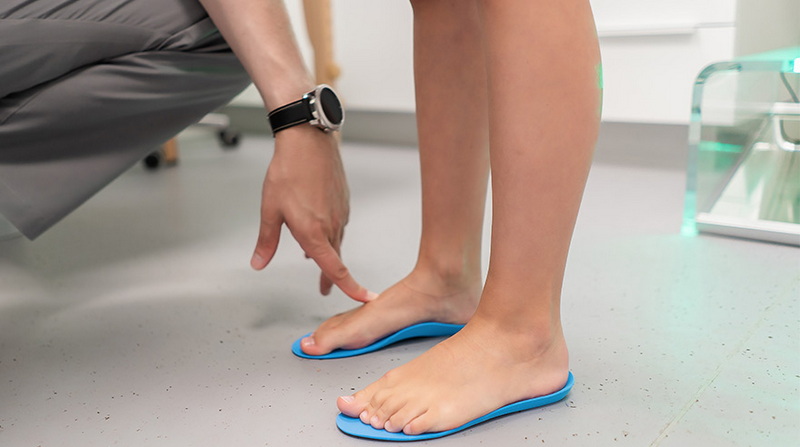
Certain professions put extreme pressure on the feet. Construction workers, chefs, and warehouse staff stand or move for hours on unforgiving floors. Orthotic insoles made from durable EVA or PU materials drastically reduce fatigue and enhance safety.
In some industries, workplaces now encourage or even require orthotic-compatible footwear as part of safety standards. For example, anti-static, anti-slip, and moisture-wicking orthotics improve both hygiene and efficiency in the workplace. The result: fewer injuries, less downtime, and higher job satisfaction.
The manufacturing technology behind orthotic inserts has advanced quickly in recent years. Automated cutting, precision molding, and 3D scanning technology allow OEM factories to produce highly accurate custom inserts on a large scale. Each model can be tailored based on foot shape, gait pattern, and target function.
Material innovation also pushes the industry forward. Memory foam offers adaptive comfort, carbon fiber provides rigidity for sports, and natural latex enhances sustainability. These technological innovations help manufacturers combine quality, speed, and environmental responsibility.
For international brands, this capability means faster launch cycles and consistent product quality across markets. Strategic cooperation with leading Chinese factories gives global companies flexibility in design, production, and packaging customization.
Sustainability has become a central factor in consumer decision-making. Manufacturers are developing eco-friendly orthotic inserts using recycled EVA, biodegradable TPU, and plant-based rubber materials. Meanwhile, waterless production methods and waste-minimization systems are reshaping modern factories.
Environmentally responsible consumers appreciate products that align with sustainability values. OEM factories that demonstrate commitment to green manufacturing—such as renewable energy use and recyclable packaging—gain a strong competitive edge internationally.
Beyond physical benefits, orthotic inserts contribute to psychological well-being. Persistent foot discomfort can degrade mood and productivity. Many people notice emotional improvement once they eliminate pain and fatigue from long hours of standing or walking.
Shoes equipped with orthotic inserts can elevate self-confidence. People feel more energetic, enthusiastic, and ready for daily challenges. In this sense, orthotic insoles not only support the body but also restore a sense of vitality and balance in life.
Selecting the correct insert type is vital for achieving desired outcomes. When choosing orthotics, buyers should consider:
- Foot type: flat, normal, or high arch.
- Activity level: everyday walking vs. athletic training.
- Shoe compatibility: thin inserts for dress shoes, thicker ones for work boots.
- Material preference: breathable, lightweight, or extra firm.
Professional shoe stores and health clinics often provide foot scans to recommend appropriate models. Some brands also offer modular inserts with adjustable pads, letting users fine-tune support according to daily needs.
OEM (Original Equipment Manufacturer) partnerships empower international brands to deliver high-quality orthotic solutions efficiently. A professional factory combines design innovation, ergonomic testing, and material expertise to serve diverse markets. The process typically includes:
1. Concept development – defining insert purpose and target consumer.
2. Sampling – crafting prototypes with different densities and contours.
3. Testing and adjustment – assessing comfort, durability, and performance.
4. Mass production – executing large-scale manufacturing with consistent quality.
5. Private labeling and packaging – presenting products under clients' brand identity.
This collaborative model ensures innovation while keeping production efficient. As a leading orthotic insert manufacturer in China, our mission is to help brands expand their market presence with reliable high-performing products crafted to global standards.
The future of orthotic inserts lies in digital customization and smart materials. 3D-printed orthotics will enable personalized designs at affordable prices. Embedded sensors could soon provide real-time data on gait, pressure, and temperature, elevating comfort and health tracking.
Sustainable production will also define the next decade. Manufacturers that embrace eco-technology and circular manufacturing processes will gain the trust of conscious consumers. Meanwhile, global shoe brands will continue integrating orthotics into mainstream footwear, turning comfort into a standard expectation rather than a luxury feature.
People buy foot orthotic inserts for countless reasons—relief from pain, posture improvement, athletic optimization, and long-term comfort. These small yet transformative accessories enhance quality of life by aligning the body, preventing injuries, and reducing fatigue. With continuous innovation and sustainable production, orthotic inserts will remain a crucial part of footwear evolution for decades to come. For global brands seeking dependable partners, working with experienced OEM manufacturers ensures products that meet both medical and market demands.
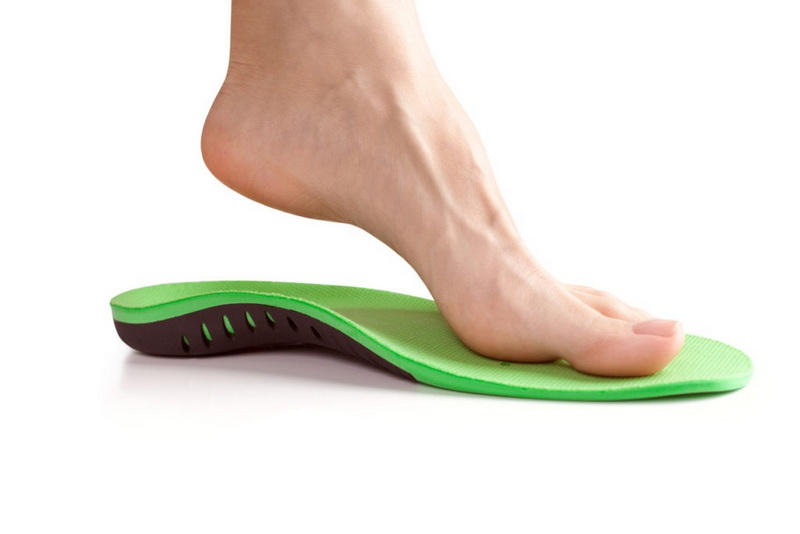
Common materials include EVA, PU, gel, silicone, memory foam, and carbon fiber. Each offers different properties such as cushioning, durability, and flexibility depending on intended use.
Replacement depends on usage intensity, but generally every 9–18 months. Worn or flattened orthotics lose support and should be replaced for continued comfort.
Yes, as long as the shoe has enough space. Many models are trimmed to fit various shoe styles, including sneakers, work boots, and formal leather shoes.
No. Even healthy individuals use them for comfort, performance, and posture benefits. Orthotics are widely used by athletes, office workers, and seniors alike.
A professional manufacturer uses precise biomechanical design, high-grade materials, and strict quality control while offering OEM/ODM flexibility to match brand requirements.


