
Views: 222 Author: Edvo Publish Time: 2025-11-20 Origin: Site


Content Menu
● What Are Orthotic Corrective Shoes?
● The Medical Necessity of Orthotic Shoes
● Tricare Coverage: Policies and Limitations
>> Tricare Coverage for Orthotic Shoes
● Medicare Coverage: When Are Orthotic Shoes Covered?
>> Medicare's Approach to Orthotic Shoes
>> Explicit Medicare Exclusions
● Prescription, Documentation, and Supplier Selection
>> The Importance of Proper Documentation
>> Choosing a Qualified Supplier
● Step-By-Step Guide to Reimbursement
● Comparing Tricare and Medicare: Coverage Matrix
● Special Cases: Diabetic Patients and Pediatric Needs
● Repairs, Replacements, and Follow-Up
● Patient Experiences: Case Studies
>> Veteran Receiving a Leg Brace
>> Diabetic Foot Disease Management
>> Pediatric Clubfoot Correction
● Maximizing Success: Tips for Insured Patients
● Emerging Trends and Future Developments
● FAQs: Will Tricare And Medicare Pay for Orthotic Corrective Shoes?
>> 1. Will Tricare pay for custom orthotic shoes not attached to a brace?
>> 2. Does Medicare cover corrective shoes for non-diabetic conditions?
>> 3. How many pairs of therapeutic shoes does Medicare cover yearly?
>> 4. What paperwork is essential to get reimbursement under Tricare or Medicare?
>> 5. How can I appeal if my claim is denied?
Orthotic for shoes are an essential part of managing various foot conditions, providing structural support, comfort, and pain relief for individuals facing mobility challenges. They play a particularly critical role for people with diabetes, post-surgical recoveries, neurological ailments, and chronic musculoskeletal disorders. For many, these shoes are medically necessary and often prescribed by healthcare professionals. However, the question of insurance reimbursement frequently arises: Will Tricare and Medicare pay for orthotic corrective shoes? This comprehensive article addresses the intricacies of coverage, demystifies insurance rules, highlights the importance of proper documentation, and provides actionable tips for maximizing insurance benefits.
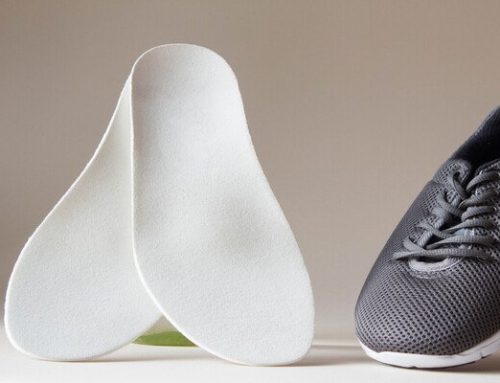
Orthotic corrective shoes are specialized medical-grade footwear designed to resolve biomechanical deficiencies, mitigate pressure points, and encourage healthy movement patterns. Durable, and often custom-made, these shoes differ significantly from conventional footwear, thanks to features such as deeper toe boxes, removable insoles, reinforced midsoles, and specific accommodations for deformities or braces.
- Used to stabilize foot deformities, control abnormal gait, and redistribute body weight across the foot.
- Essential after certain surgeries, to support nerve-damaged feet, or in conditions like arthritis, plantar fasciitis, and diabetic neuropathy.
- Can be integrated with insoles, arch supports, or leg braces for added therapeutic effect.
Medical necessity is at the heart of insurance reimbursement. Health insurers, including Tricare and Medicare, require robust documentation to establish the therapeutic need for these shoes. Common medical indications include:
- Diabetes with documented foot complications, such as ulcers or neuropathy.
- Post-surgical recovery necessitating immobilization or stabilization.
- Severe foot deformities like bunions, hammertoes, or Charcot foot.
- Neurological disorders affecting coordination and balance.
- Chronic pain or discomfort interfering with normal walking patterns.
Orthotic shoes prescribed solely for comfort, sports, or non-medical reasons are generally excluded from coverage.
Tricare is the federal health benefit program offered to United States uniformed service members, retirees, and their families. It provides coverage for hospital care, outpatient services, and durable medical equipment.
Tricare has a specific policy on orthotic shoes:
- Coverage is generally provided only when the shoes are an integral, non-separable part of a leg brace that's medically prescribed.
- Both the shoe and brace must be necessary for proper therapeutic benefit, and neither must function independently.
- The cost of the shoe is included with the brace; separate claims for orthotic shoes alone are denied.
Tricare also offers limited coverage for shoe inserts and custom modifications, provided they are linked with a covered brace or are medically required for individuals with qualifying health conditions.
Tricare exclusions are comprehensive and strictly enforced, including:
- Arch supports and shoe inserts designed solely for alignment or comfort.
- Standalone orthopedic or custom shoes not attached to a medical brace.
- Over-the-counter solutions, custom-built shoes, and modifications performed without clinical justification.
- Devices or shoes intended for sports, exercise, relaxation, or non-medical purposes.
Beneficiaries should always verify eligibility and coverage prior to purchase.
Medicare is a federal health insurance program primarily serving individuals aged 65 and older, as well as those under 65 with certain disabilities. Coverage of durable medical equipment is provided through Medicare Part B.
Medicare policies distinguish between therapeutic shoes for diabetes and those required as part of a leg brace:
- Beneficiaries with diabetes and documented severe foot disease are eligible for one pair of extra-depth or custom-molded shoes and up to three pairs of inserts per year.
- Modifications such as rigid rocker bottoms, wedges, or offset heels may also be covered for diabetic patients as prescribed by their physician.
- Shoes that are an inseparable part of a leg brace are also reimbursed under Medicare, regardless of diabetic status.
Coverage is always contingent on medical necessity, a written prescription from a Medicare-enrolled provider, and claims submitted by certified suppliers.
Most orthopedic and orthotic shoes are not covered by Medicare unless they fit the eligibility described above. This means:
- Shoes for non-diabetic conditions, unless part of a leg brace, do not qualify.
- Shoes for comfort, walking, or sport activities are always excluded.
- Non-billable, retail, and international purchases cannot be reimbursed.
Beneficiaries must ensure both their prescribing physician and supplying vendor are enrolled in Medicare before making any claims.
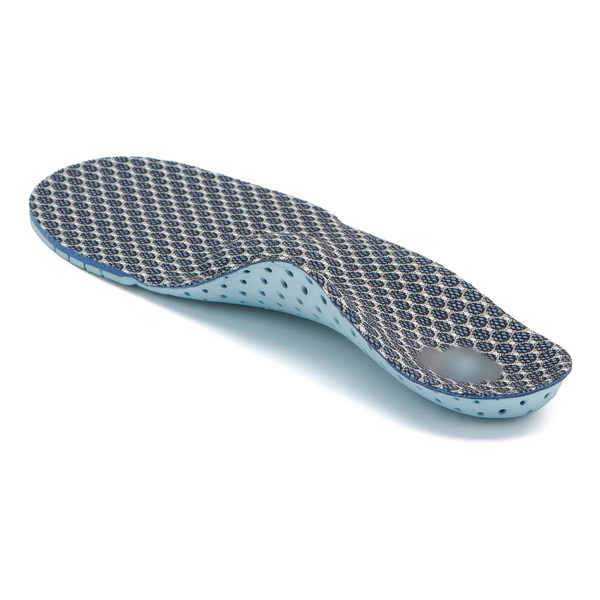
Medical documentation is crucial for insurance coverage. The following elements should be included:
- Explicit physician prescription detailing the patient's condition and necessity for orthotic corrective shoes.
- Detailed supporting medical records (diagnosis notes, imaging studies, prior treatment history).
- Documentation of failed conservative treatment, justifying need for specialty footwear.
- Demonstration that shoes cannot be sourced from standard retail and require custom fitting or integration with a brace.
Incomplete forms and missing clinical information are the primary reasons for denied claims.
- Purchase shoes and devices only from suppliers certified and enrolled with Tricare or Medicare.
- Confirm that the supplier “accepts assignment” for Medicare, so additional out-of-pocket costs are minimized.
- Avoid buying orthotic shoes from non-medical sources, even if recommended by a health professional.
Trustworthy suppliers will assist with paperwork and claims submission.
1. Schedule an appointment with your healthcare provider to confirm eligibility and discuss treatment needs.
2. Obtain a signed prescription that clearly states medical necessity for orthotic shoes or leg brace.
3. Gather all relevant medical records, diagnostic codes, and treatment documentation.
4. Choose a participating supplier and confirm assignment acceptance.
5. Work with the supplier to fill out and submit claim forms.
6. Retain copies of all paperwork, receipts, and communications for your records.
Timely submission and proactive follow-up can help avoid reimbursement delays.
| Coverage Aspect | TRICARE | MEDICARE |
|---|---|---|
| Shoes part of leg brace | Covered if medically necessary (inseparable brace) | Covered if medically necessary (inseparable brace) |
| Therapeutic shoes for diabetes | Covered with limitations | Covered for diabetic foot disease only |
| Orthotic inserts/modifications | Only if part of brace or diabetic condition | Up to three pairs/year for qualifying diabetics |
| Comfort/sports shoes | Not covered | Not covered |
| Prescription required | Yes | Yes, by Medicare-enrolled provider |
| Supplier requirements | Authorized TRICARE provider | Medicare-enrolled supplier |
Patients suffering from diabetes are at high risk for foot complications. Both Tricare and Medicare acknowledge the importance of therapeutic shoes in preventing ulcers, infections, and amputations. For these patients:
- Insurance covers custom or extra-depth shoes plus inserts annually when criteria are met.
- Modifications to accommodate foot changes—such as metatarsal bars, wedges, or rocker bottoms—may be substituted for inserts.
Children who require orthopedic footwear due to congenital or acquired conditions may be covered by insurance, particularly if the shoe is a permanent part of a prescribed brace. Coverage for repairs and replacements is allowed more frequently for pediatric patients, typically when the device is outgrown or damaged.
Covered corrective shoes and braces can be repaired or replaced periodically if damaged, worn out, or outgrown. For children under 18, replacements may occur more than once a year with appropriate medical documentation. Repairs are authorized when cost does not exceed the price of a new device, and insurance covers the labor and materials required. Always retain proof of purchase and physician validation for any repair or replacement claims.
If a claim for orthotic corrective shoes is denied, beneficiaries should:
- Request a detailed explanation for the denial.
- Review all documents for completeness and accuracy.
- Consult their physician to provide supplemental information.
- Resubmit the claim through insurer appeal channels indicated in the denial notice.
Persistent, well-documented appeals often result in successful resolution.
A retired service member develops post-traumatic foot drop, requiring a custom leg brace and shoe. With proper medical documentation confirming the inseparability of the brace and shoe, Tricare approves the full combined cost.
An elderly patient with severe diabetic neuropathy receives an order for extra-depth shoes and three pairs of multidensity inserts. Both items are covered annually under Medicare, provided that claims are correctly filed through an approved supplier.
A child born with clubfoot undergoes multiple surgeries and uses a specialized shoe-brace combination for rehabilitation. With comprehensive documentation from the treating orthopedic surgeon, Tricare authorizes ongoing replacement each time the orthotic system is outgrown.
- Always verify coverage limits, exclusions, and supplier participation before purchase.
- Discuss all options with your prescribing doctor and insurance provider.
- Maintain meticulous records of all correspondence, documentation, and claims.
- Investigate local or state financial assistance programs if insurance coverage is denied.
- Educate yourself about policy changes and annual updates from Tricare and Medicare.
Many insurance claims for orthotic shoes are denied due to misunderstanding of policy requirements. Common errors include:
- Failing to confirm medical necessity with a documented diagnosis.
- Working with non-participating suppliers.
- Assuming broad coverage for all orthotic shoes when only specific cases qualify.
- Omitting key medical notes or having incomplete paperwork during submission.
Patients should consult their insurance customer service teams and medical providers for guidance throughout the process.
With advances in medical technology, orthotic corrective shoes are becoming more customizable and effective than ever before, incorporating smart materials, pressure sensors, and embedded devices that enhance comfort and track patient outcomes. As insurance policies slowly adapt, beneficiaries should remain informed about evolving coverage rules and new medical offerings.
Complex conditions may now justify higher-level orthotic solutions, which—when documented as medically necessary and integrated into advanced leg braces—sometimes qualify for greater reimbursement or more frequent replacement approvals. Despite persistent challenges, patient advocacy and legislative updates continue to broaden opportunities for those in need of durable medical equipment.
Orthotic corrective shoes are an indispensable resource for many patients, alleviating pain, correcting gait, and preventing significant foot complications. Tricare and Medicare provide coverage for these shoes under strict conditions, generally limited to cases where the shoes are part of a prescribed leg brace or are medically indicated for diabetic foot disease. Proper documentation, adherence to insurance policies, and careful navigation through the claims process are critical for successful reimbursement. Patients seeking coverage for orthotic shoes should engage qualified healthcare providers, utilize participating suppliers, and familiarize themselves with all policy details to avoid unnecessary expenses.
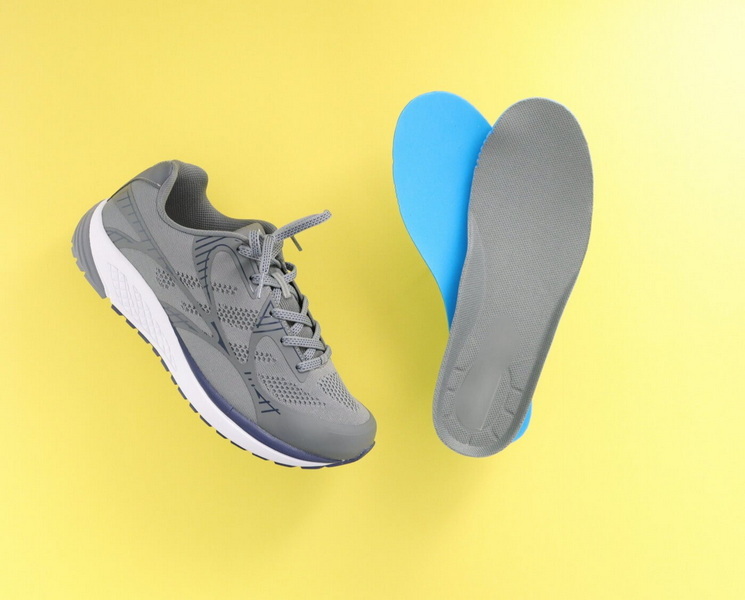
Tricare typically will not reimburse standalone custom orthotic shoes. Coverage is only provided when shoes are a necessary, inseparable part of a medically required leg brace.
Medicare restricts shoe coverage outside of diabetes-related needs unless the shoe is physically attached to a leg brace needed for treatment.
Medicare allows one pair of therapeutic shoes and up to three pairs of inserts per calendar year for qualifying diabetic patients.
A written prescription detailing the medical necessity, supporting clinical records, and a claim submitted through an approved supplier are mandatory for coverage.
If denied, obtain the insurer's written explanation, gather additional medical evidence, and follow the official appeals process outlined in your coverage plan.


