
Views: 222 Author: Edvo Publish Time: 2025-11-22 Origin: Site


Content Menu
● Understanding Orthopedic Insoles for Kids
● Key Benefits of Kids' Orthopedic Insoles
● Types of Orthopedic Insoles for Children
● Who Should Use Orthopedic Insoles?
● The OEM Solution: Buying Direct from Manufacturers
>> OEM Capabilities for Orthopedic Insoles
● Evaluating Kids' Orthopedic Insole Suppliers
>> R&D and Technical Innovation
>> Customization and OEM Support
>> Scalability and On-Time Delivery
>> Compliance with International Standards
● Manufacturing Process of Orthopedic Insoles for Kids
● Advanced Technology Trends in Kids' Insole Manufacturing
● Materials Used in Children's Orthopedic Insoles
● Key Features International Buyers Demand
● Branding and Packaging for Global Success
● International Shipping and Logistics
● Why Source from Chinese OEM Insole Manufacturers?
● Real-Life Success: A Case Study
● Placing an Order: Best Practices
● After-Sales Service and Support
● Procurement Strategy: Tips for Wholesalers and Brands
● FAQs
>> 1. What is the typical minimum order quantity for OEM orthopedic insoles for kids?
>> 2. Can children's orthopedic insoles be produced with eco-friendly materials?
>> 3. How can I ensure I select the right insole size and type for my child customers?
>> 4. What certifications are important for exporting kids' orthopedic insoles?
>> 5. How long does manufacturing and international shipping of OEM orders typically take?
When it comes to children's health, proper foot support is essential. Parents, clinicians, and footwear brands worldwide increasingly understand the significance of orthopedic insoles for kids. Whether you are an international wholesaler, sports shoe maker, or retail brand seeking a trustworthy OEM partner, finding the right supplier of kids' orthopedic insoles is critical for building your reputation and keeping young customers comfortable. This comprehensive article examines everything you need to know about sourcing orthopedic insoles for children, including product features, materials, manufacturing processes, choosing reliable manufacturers, and navigating global shipping considerations.

Every parent wants their child to have healthy, pain-free feet. The orthopedic insole sector directly addresses this need. Kids' orthopedic insoles are expertly engineered to support developing foot structures, correct gait abnormalities, and alleviate discomfort from flat feet, pronation, or plantar fasciitis. Unlike generic inserts, orthopedic insoles for children emphasize anatomical design, soft cushioning, arch support, and even corrective features for sports, school, and daily wear.
- Promote healthy growth and bone alignment
- Prevent long-term foot disorders
- Reduce muscle fatigue during activity
- Improve comfort for flat feet, overpronation, foot pain
- Foster better posture and lower limb alignment
Orthopedic inserts are ideal not only for young patients with diagnosed foot conditions but also as preventative measures for active children, young athletes, or kids spending long hours standing.
There's no one-size-fits-all when it comes to pediatric foot health. Main types include:
- Arch-support insoles for flat feet or low arches
- Cushioning insoles for shock absorption, especially during sports
- Corrective insoles—custom-molded for clinical needs
- Multi-layered insoles combining foam, gel, and fabric
Kids' orthopedic insoles are beneficial for:
- Children who complain of heel, foot, or knee pain
- Active kids involved in sports or dance
- Kids with a family history of foot deformities
- Those with visible gait abnormalities (inward/outward ankle rolling)
- Children recuperating from injuries or post-surgical care
For brands, retailers, and wholesalers, sourcing orthopedic insoles directly from OEM factories confers clear advantages: lower cost, full customization, robust supply chain control, and strong private label support. Leading Chinese manufacturers leverage advanced R&D, automated production lines, and extensive logistics experience to support global partners.
- Private label branding and packaging
- Custom size, color, and design options
- Material choices: memory foam, PU, gel, EVA, TPR, etc.
- Logo imprints and unique patterns
- Flexible bulk ordering and rapid delivery schedules
Selecting a reliable manufacturer involves more than price comparison. Consider:
A reputable producer enforces strict quality control throughout production. Certifications such as ISO, CE, or standards for local markets add credibility and ensure product consistency.
Children's foot physiology and biomechanics change with age. Leading suppliers invest in robust R&D, ergonomic testing, and child-specific mold design—ensuring that orthoses truly cater to young users' developmental needs.
Strong OEM support enables clients to differentiate with custom logos, specialized materials, unique shapes, and child-friendly designs—tailored to the specific market or retailer.
Robust manufacturers maintain modern machinery, automated lines, and efficient production management systems, backing reliable lead times and scalable supply.
International buyers require that products pass safety certifications and labeling for their sales regions, such as REACH (EU), Prop 65 (California, USA), among others.
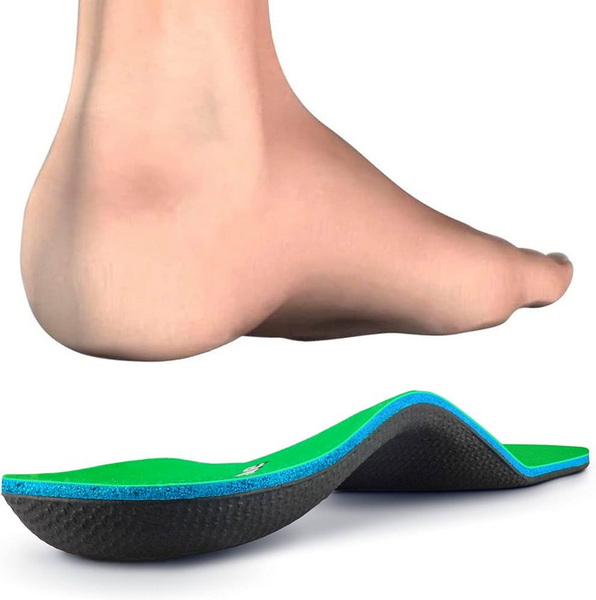
Orthopedic insoles are now produced using a blend of traditional craftsmanship and advanced technologies:
1. Product Strategy and Design
- Market and medical input informs ergonomic and orthopedic goals.
- CAD software is used to create footbeds based on pediatric foot anatomy.
2. 3D Modeling and Prototyping
- 3D scanning and modeling are increasingly utilized, providing precise anatomical matches for custom insoles.
- Prototypes are often quickly fabricated with CNC milling or 3D printing.
3. Injection Molding and Material Processing
- Key materials—like EVA, PU, TPR, and memory foam—are injected, compressed, or thermoformed under high temperatures and pressure.
- For multi-layer products, upper fabrics (mesh, leather, or antimicrobial textiles) are laminated onto structural bases.
4. Assembly and Finishing
- Additional elements, such as gel pads for shock absorption or TPU arch supports, are added.
- Specialized shaping, grinding, or trimming machines refine the insoles' contours.
5. Branding, Printing, and Final QA
- Product logos, sizing, and batch numbers are printed or embossed.
- Each product batch is inspected for consistency in material performance, durability, and hygiene.
6. Packaging and Fulfillment
- Branded, child-friendly packaging and multilingual guides complete the process.
- Export teams handle compliance checks, documentation, and shipping arrangements.
Modern orthopedic insole factories are rapidly adopting digital manufacturing to improve customization and efficiency. Notable trends include:
- CAD/CAM (computer-aided design/manufacturing) for rapid design, prototyping, and reproducibility
- CNC milling for precise cutting and multi-density foam shaping
- 3D printing for bespoke or small-batch custom insoles
- Automated layering techniques integrating antibacterial textiles or advanced polymers
- AI-driven quality control systems identifying inconsistencies in batch production
With these innovations, companies can produce anatomically optimized, comfortable, and precise insoles for children worldwide—improving outcomes, reducing returns, and boosting customer loyalty.
Modern kids' orthopedic insoles must balance comfort, hygiene, and durability. Typical materials include:
- EVA: Lightweight, highly flexible, superb shock absorption
- Memory foam: Delivers personalized, pressure-relieving fit
- PU (polyurethane): Resistant to wear, long-lasting cushioning
- Gel inserts: Targeted zone comfort, excellent for sports or high-activity children
- Antimicrobial fabrics: Help prevent odor and bacterial growth
- Reinforced TPU or nylon supports: Ensure structural integrity in arches and heels
Each material layer is chosen for its performance, compliance, and child safety, ensuring both comfort and resilience in daily use.
Buyers, brands, and wholesalers commonly prioritize:
- Breathable, sweat-wicking surfaces
- Lightweight design, especially for smaller children's shoes
- Machine-washable, hypoallergenic materials
- Non-slip, durable bottom layers for safety
- Eye-catching, child-appropriate designs for retail shelves
- Sizing that covers a complete range, from toddlers to teens
Effective branding and packaging differentiate products at retail and increase consumer trust. Strong OEM suppliers offer:
- Fun, colorful graphics pitched to children's tastes
- Secure, tamper-proof packaging suited for export markets
- Multilingual labels, usage instructions, and care guides
- Green materials and packaging for eco-conscious buyers
Efficient logistics and compliance are vital for successful overseas distribution:
- Flexible shipping terms (FOB, CIF, DDP) to suit buyer requirements
- Multiple transport modes (sea, air, express) for different urgencies
- Comprehensive export documentation
- Drop-shipping or direct-to-retail solutions for major clients
China's well-developed supply chain ecosystem offers clear advantages:
- Access to cutting-edge materials and machinery
- High-volume capacity paired with strict quality control
- Experienced English- and multilingual service teams
- Prompt prototyping and sampling
- Competitive pricing due to scale and operational efficiencies
- Reliable partnerships based on years of global export experience
A partnership with a reputable Chinese OEM manufacturer facilitates rapid growth, seamless customization, and consistent success in children's orthopedic insole markets.
Consider a European footwear chain that transitioned to Chinese OEM-supplied orthopedic insoles. Collaborating closely on design, branding, and ergonomic requirements, they launched a custom product series in just two months. The switch led to double-digit cost savings, streamlined inventory, and a loyal retail following, proving the value of a responsive, innovative supplier relationship.
Before launching your project, keep these tips in mind:
- Confirm minimum order quantities (MOQs) and order flexibility
- Request detailed samples for fit and finish checks
- Provide specifications on sizes, designs, and branding
- Clarify lead times, incoterms, and payment schedules
- Set packaging and labeling standards for each market
Clear communication ensures successful project launches and lasting business growth.
World-class manufacturers stay invested in your success:
- Responsive multilingual customer service for global clients
- Fast resolution of issues or warranty requests
- Product installation, use, and care guidance
- Assistance with compliance documentation for smooth customs clearance
Navigating the B2B buying process can be daunting. Streamline your sourcing with these recommendations:
- Begin with a trial batch or sample order to test market fit and product quality
- Request production facility tours (virtual or in-person) to verify standards
- Carefully review certifications and client references
- Define customization requirements in writing for accuracy
- Insist on clear, detailed timelines, packaging designs, and shipment documentation
By doing so, you ensure optimized procurement, avoid costly errors, and position your business for growth.
Sourcing orthopedic insoles for kids is both a health mission and a business strategy. By aligning with a top-tier Chinese OEM manufacturer, you secure high-quality, trustworthy, and entirely customizable products delivered efficiently to your market. Whether you're launching your own brand, refreshing retail lines, or supplying schools and clinics, understanding the latest product categories, manufacturing innovations, global logistics, and buyer best practices empowers you to deliver real value—building a reputation for child comfort, safety, and growing sales.
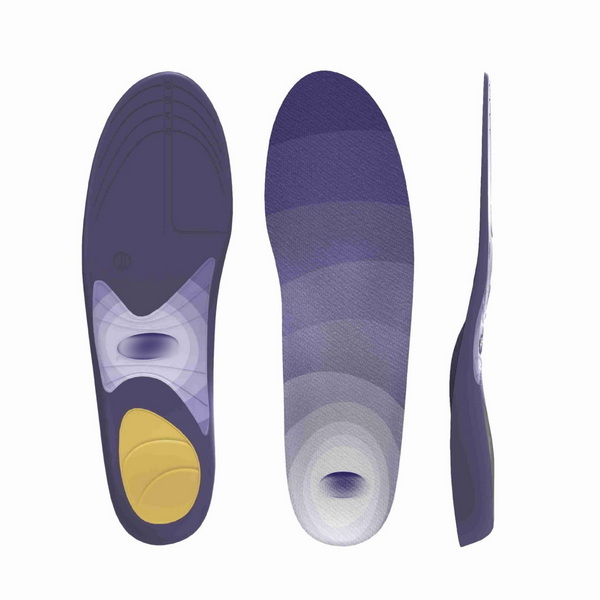
Most manufacturers set the minimum order quantity based on the chosen material and product complexity, with standard MOQs ranging from 500 to 1,000 pairs. Special requests or packaging designs can affect these thresholds—so it's best to discuss details upfront to negotiate flexible terms.
Absolutely! Many leading suppliers offer sustainable options, including recycled EVA, bio-based foams, organic cotton linings, and fully biodegradable packaging. If eco-certification or green labeling is a customer demand in your market, simply communicate this requirement early to your OEM partner.
Collaborate with your manufacturer to review detailed size charts and compare typical regional shoe sizing. Factor in whether the insoles are for general school use, sports, or therapeutic correction. Always test samples in real shoes for fit and function before placing large orders.
Depending on your market, required certifications may include ISO, CE, and local health or safety standards such as REACH for the European Union or Prop 65 for the State of California. Reliable OEMs will furnish certificates and undertake product testing to ensure smooth customs and retail compliance.
Lead times vary by volume and product complexity. Standard manufacturing usually takes between 15 and 30 days, with express sampling possible for urgent launches. Shipping options include international express (3–7 days), air (7–15 days), and sea freight (20–45 days), tailored to your business's requirements.


