
Views: 222 Author: Edvo Publish Time: 2025-12-20 Origin: Site


Content Menu
● What Is an FSA and How It Works
● Types of Shoe Insoles and Their Eligibility
>> Medical or Prescription Orthotic Insoles
>> Over-the-Counter or Comfort Insoles
● Understanding Medical Necessity and Documentation
● How to Purchase FSA-Eligible Insoles
● Why FSA Eligibility Matters for Brands, Retailers, and Factories
● The Role of OEM Manufacturing in the Insole Market
● Global Demand for Orthotic and Health Insoles
● How to Market FSA-Eligible Insoles Effectively
● Key Factors That Influence FSA Reimbursement
● Practical Examples of Eligible Conditions
● Expanding Product Innovation in the FSA Category
● Tips for Consumers to Maximize Their FSA Benefits
● Future Outlook for FSA and Health-Orthotic Markets
● FAQ
>> 1. Can I pay for orthotic insoles with my FSA card?
>> 2. Are mass-market or sports insoles FSA-eligible?
>> 3. What if I buy insoles online?
>> 4. Are custom-made insoles worth it for FSA usage?
>> 5. How often can I replace my orthotic insoles under FSA?
For many people, shoe insoles are more than just accessories—they serve as essential components of daily health management. Whether addressing chronic foot pain, supporting alignment, or improving comfort during long hours on your feet, insoles play a vital role. However, when medical expenses rise, consumers often seek to offset costs through healthcare plans. One of the most common questions is: Are shoe insoles covered by FSA?
The short answer is yes, in some cases—but the eligibility depends on details such as the type of insole, its medical purpose, and proper documentation. This article breaks down how FSAs work, which insoles qualify, how to purchase them properly, and what brands and wholesalers can do to offer compliant, FSA-eligible products.
A Flexible Spending Account (FSA) is a tax-advantaged program available to employees in the U.S. It allows individuals to allocate pre-tax income toward qualifying medical expenses. By using pre-tax dollars instead of after-tax income, employees can effectively reduce their overall tax burden while covering healthcare essentials.
FSAs are managed by employers and typically funded through payroll deductions. Each plan year, employees decide how much money to deposit into their FSA, subject to annual contribution limits set by the IRS. However, the "use-it-or-lose-it" rule applies. Participants usually need to spend their FSA funds within the same plan year or risk forfeiting them, which encourages careful planning.
For medical goods like shoe insoles, determining eligibility often comes down to whether a product is prescribed or medically necessary. Not all comfort-related purchases qualify under FSA guidelines.
The eligibility of insoles is largely determined by medical necessity and product classification. Let's look more closely at the two primary categories.
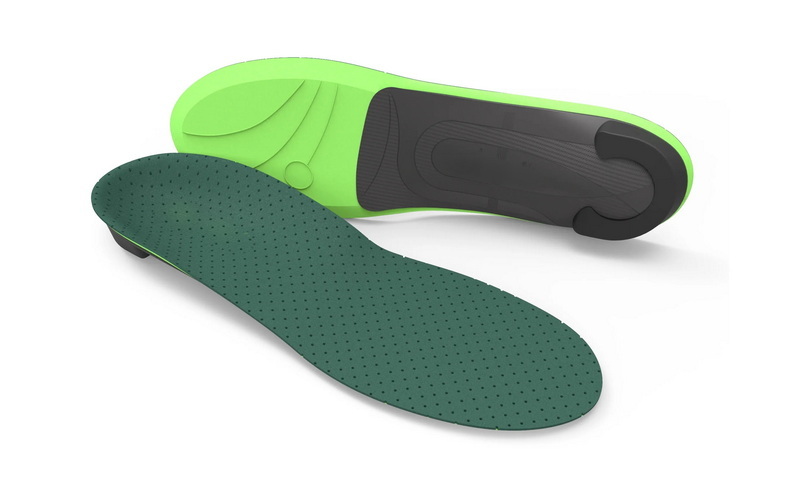
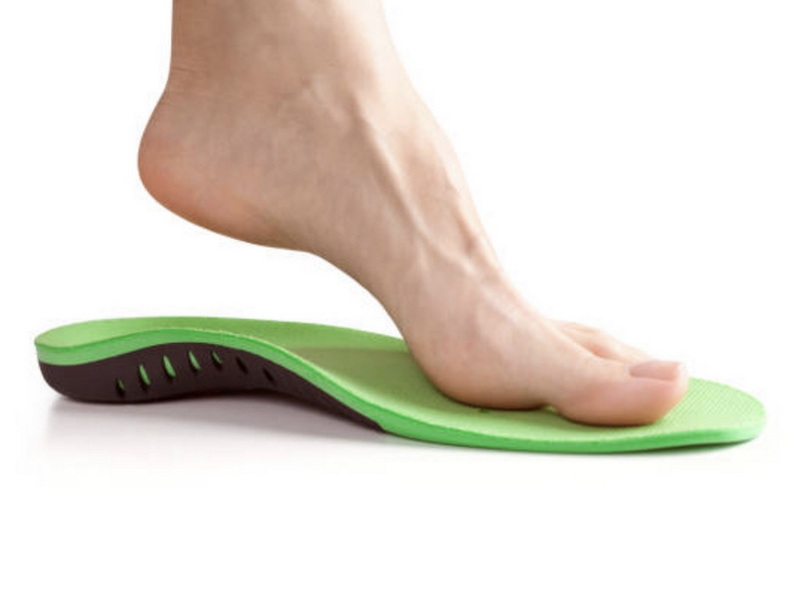
Orthotic insoles are custom-made or medical-grade inserts prescribed by healthcare professionals such as podiatrists or orthopedic doctors. These insoles are designed to correct biomechanical issues, improve foot alignment, or relieve pain caused by diagnosed conditions like plantar fasciitis or flat feet.
Because orthotic insoles serve a therapeutic function, they are almost always FSA-eligible. Consumers should keep detailed records including:
- A prescription or Letter of Medical Necessity (LMN) issued by a licensed medical practitioner.
- An itemized receipt showing purchase details, date, and provider information.
Once approved, the user can pay directly with an FSA card or submit a reimbursement claim through the plan administrator.
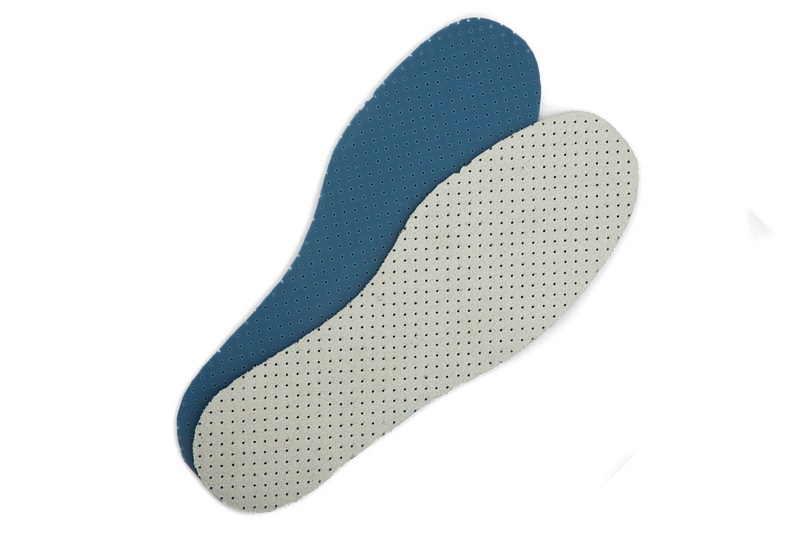
On the other hand, shoe inserts that provide general comfort or cushioning without a medical purpose are usually not FSA-eligible. These include mass-market gel inserts, basic foam pads, and non-prescription arch supports.
However, a gray area exists: if an over-the-counter insole is specifically marketed for relief of medical conditions—such as diabetic pain relief insoles—and a user has an LMN from a physician, it may still qualify. Always confirm with your FSA administrator before purchasing.
The difference between qualified and non-qualified products lies in proof of medical need. FSAs are intended for healthcare-related spending, not for general comfort or lifestyle improvements. Therefore, the following documents are critical:
- Doctor's prescription specifying why insoles are needed.
- Letter of Medical Necessity (LMN) detailing diagnosis and treatment goals.
- Proper receipts showing both patient and product identification.
Without these, even genuine medical devices may have their claims denied. Consumers are encouraged to communicate directly with their FSA custodian or HR department before making purchases.
Purchasing FSA-approved insoles doesn't need to be complicated. Here's how both consumers and distributors can ensure compliance.
1. Consult a professional.
Start by visiting a podiatrist or orthopedic clinic for a foot assessment. If you are diagnosed with a condition requiring orthotics, ask for a written recommendation or LMN.
2. Choose reliable suppliers.
Buy from providers authorized to sell medical-grade orthotic insoles. Many clinics and verified online platforms issue receipts compatible with FSA submissions.
3. Use your FSA card or submit for reimbursement.
Some merchants allow direct FSA card payments. If not, keep your receipt and associated documents to file a reimbursement claim.
4. Keep documentation safe.
Always retain copies of all prescriptions and receipts in case of audits or plan review.
If you are a brand owner, distributor, or wholesaler, understanding FSA eligibility can help you develop higher-value products and marketing advantages.
- Increased consumer trust: Products promoted as FSA-eligible stand out in the medical and health product categories. Customers associate them with professional reliability.
- Diversification of market channels: FSA-eligible insoles can be distributed to pharmacies, orthopedic clinics, and healthcare suppliers, not just sports and retail stores.
- Regulatory compliance as a selling point: Qualifying products for healthcare use strengthens a company's reputation, especially when competing in international markets.
- Premium pricing opportunities: Consumers are willing to pay more for products approved or certified as medically beneficial.
For Chinese OEM manufacturers and exporters, aligning product standards to meet U.S. FSA eligibility criteria opens large-scale supply chain opportunities. It allows manufacturers to serve international brands targeting wellness and medical segments.
As one of China's leading OEM shoe insole manufacturers, our company collaborates with global brands to create products that combine comfort, innovation, and medical compliance.
We help our clients design and produce:
- Orthotic insoles suitable for podiatric clinics and medical distributors.
- Custom anatomical molds using memory foam, EVA, or high-density PU.
- Advanced shock absorption layers and pressure-equalizing heel cups.
- Anti-bacterial, breathable covers for hygiene and comfort.
Each design can be customized with brand logos, retail-ready packaging, and labeling aligned with FSA-eligible product requirements. With professional R&D support, compliance documentation, and quality control, our goal is to help you enter the U.S. and European medical-grade footwear markets with confidence.
The global orthotic insole market continues to grow rapidly due to several factors:
- Rising awareness of foot health and posture alignment.
- Increasing prevalence of conditions such as plantar fasciitis, diabetes, arthritis, and obesity.
- Demand for affordable, accessible custom-fit insoles in e-commerce channels.
- Expansion of FSA- and HSA-eligible product categories supported by healthcare incentives.
In this expanding environment, OEM manufacturers that produce certified medical-grade insoles can enjoy greater brand partnerships with U.S., European, and Middle Eastern clients who serve the healthcare consumer market.
Becoming FSA-compliant is only the first step. Effectively promoting your product to healthcare-conscious buyers requires strategic marketing and accurate messaging.
1. Educate your audience.
Consumers often misunderstand what “FSA-eligible” means. Use advertising, packaging, and website content to explain that your insoles are qualified medical devices.
2. Collaborate with medical professionals.
Partner with clinics, chiropractors, and podiatrists for endorsement or referrals. Their expertise enhances product credibility.
3. Highlight functional benefits.
Instead of just “comfort,” emphasize features like “corrective arch support,” “pressure redistribution,” or “plantar fasciitis pain relief.”
4. Provide documentation assistance.
Offer templates for LMNs, billing codes, or filing instructions that help customers claim their reimbursements smoothly.
5. Leverage SEO and digital platforms.
Optimize product listings and blog posts using search phrases such as “FSA eligible insoles,” “orthotic shoe inserts,” and “custom medical insoles.” This draws traffic from both retail consumers and medical practitioners.
While FSA eligibility can be straightforward, reimbursement approval often hinges on processing accuracy and plan-specific differences.
- Plan variation: Each employer's FSA plan may interpret rules differently. Always confirm eligibility before making large purchases.
- Clear documentation: Keep professional paperwork readable, signed, and properly dated.
- Product categorization: Marketing language should clearly define the insole as a medical or orthotic product, not a fashion accessory.
- Consistency of claims: Avoid misleading terms like “massager” or “sport insert,” which could lead to reimbursement denial.
By maintaining transparent labeling and consistent terminology, brands can reinforce both consumer trust and administrative approval rates.
Orthotic insoles specifically designed for medical use can assist with a wide range of conditions, including:
- Plantar fasciitis – reducing heel strain and arch pressure.
- Flat feet or overpronation – improving weight distribution.
- Metatarsalgia – cushioning the ball of the foot.
- Diabetic foot care – preventing ulcers and supporting circulation.
- Arthritic pain – absorbing impact and stabilizing joints.
- Post-surgery recovery – assisting in proper healing alignment.
When insoles are prescribed for these medical cases, documentation will typically make the product fully FSA-eligible.
The FSA-covered footwear accessory sector is growing beyond traditional materials. Manufacturers are integrating smart sensors, pressure-measurement technology, and 3D-printed molds for better customization. Advanced insoles can monitor gait patterns, detect pressure zones, and transmit data to mobile apps for medical analysis.
While not all smart insoles are currently reimbursable, the line between wellness technology and medical utility continues to blur. Manufacturers that stay ahead with clinically validated features and certifications will likely capture future market share in the FSA category.
Consumers aiming to make the most of their FSA accounts should consider several strategies when it comes to shoe insoles:
- Check your plan balance regularly to avoid losing unused funds at year-end.
- Consult your podiatrist annually to determine if your condition requires new orthotics.
- Save receipts digitally for easy access during tax filing or reimbursement.
- Explore online FSA stores, which pre-list eligible medical items to simplify purchase decisions.
- Keep multiple pairs of orthotics—one for daily use and one for athletic activities—if approved under the same medical necessity.
By planning purchases strategically, consumers can improve foot health and utilize their tax-advantaged funds wisely.
Healthcare policies continue to evolve, and more employers are expanding FSA and HSA coverage lists to include preventive wellness items. As awareness grows regarding musculoskeletal health, supportive insoles and orthotic footwear are gaining recognition as part of preventive care rather than reactionary treatment.
For manufacturers and brand owners, this trend translates into substantial growth potential. Companies that focus on durability, ergonomics, medical endorsement, and sustainability can expect greater demand as consumers prioritize long-term foot health and posture alignment.
So, are shoe insoles covered by FSA? In most cases, yes—if they serve a medical purpose and proper documentation is provided. Custom orthotics prescribed by podiatrists are typically eligible, while basic comfort inserts are not. Consumers should always confirm their plan's requirements and maintain supporting documents such as prescriptions or LMNs.
For global brands and OEM manufacturers, FSA eligibility creates a valuable product niche. By designing medical-grade insoles with premium performance and compliance standards, you can attract both healthcare consumers and business partners worldwide. As foot health awareness grows, FSA-approved insoles will remain a vital intersection of medicine, comfort, and innovation.
Yes, orthotic insoles prescribed by a medical provider are eligible. Always retain your doctor's note and purchase receipt for verification.
No, general comfort or athletic performance insoles typically do not qualify because they are not considered medically necessary.
Online purchases can still be reimbursed if you have a valid prescription and purchase from a reputable platform that provides an itemized receipt suitable for FSA claims.
Yes, custom orthotics often deliver superior biomechanical correction and comfort. Because they are prescription-based, they qualify under most FSA programs.
You may use FSA funds each year to replace worn insoles if your doctor confirms ongoing medical necessity and issues updated documentation.


