
Views: 222 Author: Edvo Publish Time: 2026-02-28 Origin: Site


Content Menu
● Why Do Shoe Insoles Get Holes?
● Tools and Materials You'll Need
● Step-by-Step Guide: How To Fix the Hole in Your Shoe Insole
>> Step 1: Remove and Inspect the Insole
>> Step 2: Clean the Damaged Area
>> Step 3: Cut and Prepare the Patch
>> Step 4: Apply Adhesive Carefully
>> Step 5: Secure and Let It Set
>> Foam Insoles
>> Gel Insoles
● When Should You Replace Instead of Repair?
● How to Prevent Future Damage to Shoe Insoles
● Eco-Friendly Tips for Old or Damaged Shoe Insoles
● Buying New Shoe Insoles: What to Look For
● FAQ
>> 1. How long does a repaired shoe insole last?
>> 2. Can I use duct tape to fix a hole in an insole?
>> 3. What glue works best for shoe insole repair?
>> 4. Are replacement insoles better than repairing old ones?
>> 5. How can I avoid shoe insole holes in the future?
Anyone who wears shoes daily knows how vital Shoe Insoles are to comfort and foot health. But even the best insoles wear down over time, especially in high-pressure areas like the heel or ball of the foot. When holes start forming, you might wonder — should you replace the insoles or repair them? The good news is that fixing a hole in your Shoe Insole is possible with the right tools, materials, and techniques. This guide will walk you through everything you need to know about how to fix a hole in a shoe insole quickly and effectively, saving both time and money.
Before repairing, it helps to understand why Shoe Insoles develop holes in the first place. The causes can vary based on usage, environment, and material.
- Pressure and friction: Continuous foot pressure and movement create wear, especially in thinly padded insoles.
- Sweat and moisture: Damp conditions weaken foam or gel insole layers over time.
- Low-quality materials: Cheaper insoles often degrade faster due to poor durability.
- Improper shoe fit: Loose or overly tight shoes can cause uneven friction.
- Overuse: Runners, workers, and athletes use shoes intensively, leading to quicker deterioration.
Understanding the cause helps prevent future damage and guides you to choose longer-lasting Shoe Insoles after repair.
Fixing a hole isn't complicated, but having the right items makes it easier and more durable. Here's what to prepare:
- Scissors or a craft knife
- Sandpaper or a nail file
- Strong adhesive (like contact cement or silicone glue)
- Patch material (foam, felt, or another piece of an old insole)
- Cloth or paper towel
- Optional: replacement foam insert, waterproof sealant, marker
Make sure the shoe and Shoe Insoles are completely clean and dry before starting any repair.
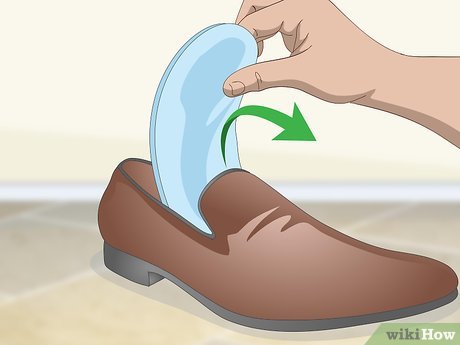
Take the Shoe Insole out of your shoe. This allows you to better inspect the damaged area. Identify how deep or large the hole is—small surface holes can be patched easily, while deep ones might require additional padding or filler.
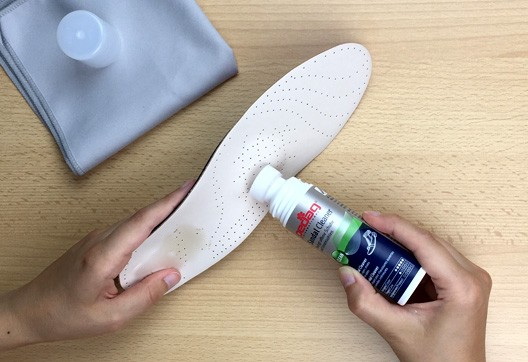
Use a dry cloth to remove dirt, sweat residue, and dust. If necessary, slightly sand around the hole with sandpaper to create a smooth surface for adhesion. Cleanliness ensures your patch material sticks properly and stays in place under pressure.
Cut a piece of patch material that's slightly larger than the hole. Foam or rubberized material from an old Shoe Insole works perfectly since it mimics the original texture and elasticity. Test the patch's thickness—it should match the rest of the insole so your foot balance isn't affected.
Apply glue evenly on both the patch and the area surrounding the hole. Contact glue works best because it forms a durable bond. Wait for about 30 seconds (or per instructions) for the adhesive to become tacky, then press the patch into place firmly. Wipe off excess glue immediately.
Place a flat object or some pressure (like a weight) over the patched area and let it dry for several hours or overnight. Proper curing time increases durability, preventing the patch from peeling when you wear the shoe again.
Once dry, check the surface of the Shoe Insole. Trim any uneven edges and test-walk in your shoes. If you feel lumps or imbalance, sand lightly or adjust by adding a thin comfort pad.
Different materials require slightly different repair approaches. Here are several options depending on what type of Shoe Insoles you have.
Use soft foam padding or cushioning sheets. Avoid hard adhesive, which can stiffen the insole.
Cut a small gel pad from another insole or a gel forefoot insert. Use flexible silicone glue so the patch maintains elasticity.
For premium or dress shoes, apply thin leather patches using leather cement. Press firmly to ensure smoothness and comfort.
If you use medical-grade orthotic Shoe Insoles, consult your podiatrist or the manufacturer before any repair. DIY changes may affect the insole's support structure.
Not all insoles are worth fixing. Sometimes, replacing them is the smarter and healthier option. Replace your Shoe Insoles if:
- Holes are widespread or the material crumbles easily.
- The surface fabric has worn completely through.
- The insole has lost shape or arch support.
- There's a strong odor or mold growth.
- Repairs only last a few days.
Quality OEM Shoe Insoles from a reliable manufacturer can last months longer and provide better cushioning and antibacterial protection.
Prevention extends the lifespan of your insoles far better than repeated repairs. Here's how you can protect them:
1. Rotate your shoes. Avoid wearing the same pair daily to let Shoe Insoles air out.
2. Use moisture absorbers. Silica gel packs or cedar shoe trees keep the insoles dry.
3. Clean regularly. Gently hand wash and air-dry insoles once a month.
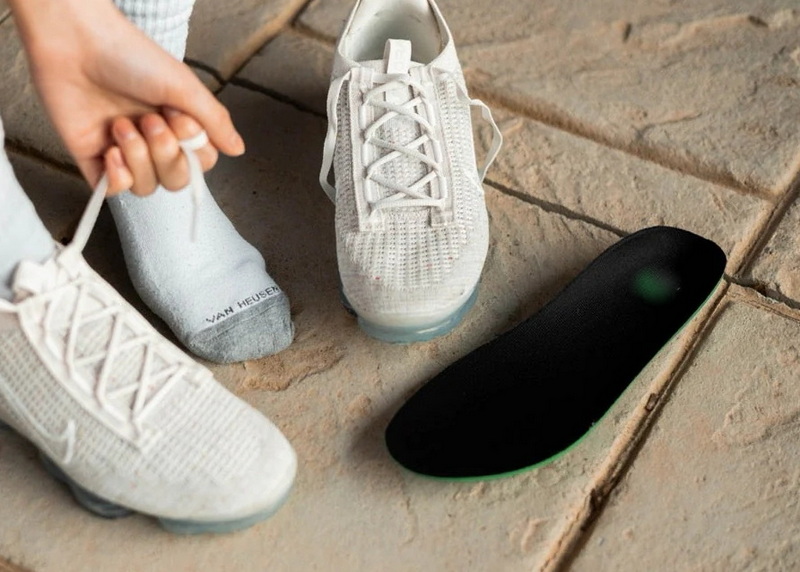
4. Wear socks. Cotton or breathable socks reduce direct friction and odor buildup.
5. Replace periodically. Even the best insole wears out eventually; change them every 6–12 months depending on usage.
By following these tips, your Shoe Insoles will maintain comfort and durability for much longer.
Rather than throwing away old Shoe Insoles, consider a few sustainable uses:
- Cut into small pads to cushion tool handles or furniture legs.
- Use for gardening as kneeling pads or soil protection.
- Repurpose the foam for craft projects or packaging protection.
Environmentally conscious choices help reduce waste and give your insoles a second life.
When you decide to replace your Shoe Insoles, it's worth investing in a high-quality pair. Consider these features:
- Material quality: Memory foam, gel, and EVA are common for comfort and durability.
- Arch support: Pick insoles that match your foot type (flat, normal, or high arch).
- Moisture control: Anti-bacterial and breathable designs prevent odor.
- Customization: OEM insoles can be tailored to brand specifications or specific shoe models.
- Ease of cleaning: Removable and washable designs extend lifespan.
If you're sourcing for retail or brand manufacturing, partnering with a professional OEM Shoe Insoles manufacturer ensures consistent quality and custom design flexibility.
Knowing how to fix a hole in a shoe insole empowers you to extend your footwear's life while saving on replacement costs. Whether it's a minor patch or a full replacement, clean and careful work ensures your shoes remain comfortable and well-supported. Always check if the repair feels balanced underfoot and replace insoles when damage becomes extensive. Quality Shoe Insoles, proper care, and smart maintenance habits keep your feet healthy and your shoes performing like new.
Contact us to get more information!
A well-repaired Shoe Insole can last several months, depending on the repair method and usage frequency. Occasional users may get six extra months of comfort, while heavy users may need to replace sooner.
It's a temporary fix. Duct tape wears out quickly under sweat and friction. For a lasting solution, use foam or gel patches with adhesive suited for footwear materials.
Contact cement, silicone glue, or specialized shoe adhesive provide the best bond for Shoe Insoles, especially those made from foam, EVA, or gel materials.
If the Shoe Insoles are thin, smelly, or losing shape, replacement is better. Repair is ideal for small holes or when you need a short-term fix.
Keep insoles dry, wear socks, alternate shoes, and invest in durable insoles designed for your activity level. Proper maintenance can double their lifespan.


