
Language
Views: 222 Author: Amanda Publish Time: 2025-09-01 Origin: Site


Content Menu
● Understanding Orthotic Insoles vs. Original Insoles
● Why Removing Original Insoles Is Generally Recommended
● When Can You Keep the Original Insoles?
● How to Properly Fit Orthotic Insoles
● Choosing the Right Shoes for Orthotic Insoles
● Addressing Common Concerns About Orthotic Insoles and Original Insoles
● Summary
● Frequently Asked Questions (FAQs)
>> 1. Should I always remove the original insoles to use orthotic insoles?
>> 2. Can I wear orthotic insoles in any shoe?
>> 3. How do I know if my shoes are suitable for orthotic insoles?
>> 4. What should I do if my shoes feel tight after inserting orthotic insoles?
>> 5. Can I use the same orthotic insoles in different types of shoes?
When investing in an orthotic insole, one of the most common questions is: Do I remove the original insoles when using orthotics? The answer, while seeming simple, depends on multiple factors including the type of shoe, the orthotic design, and individual comfort needs. This article explores everything about orthotic insoles, how they compare to factory-fitted insoles, whether to remove the original insoles, and tips for proper fitting to maximize the benefits of orthotics.

Every pair of shoes typically comes with original insoles—these are factory-fitted footbeds designed mainly for basic comfort, cushioning, and improved shoe wearability. These original insoles vary from brand to brand and shoe to shoe; some are removable while others are fixed.
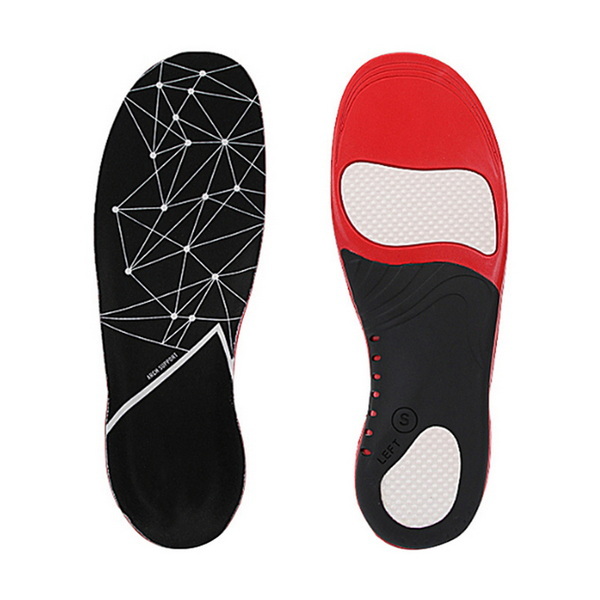
By contrast, orthotic insoles are specially designed inserts that focus on foot alignment, structural support, and addressing specific foot problems such as plantar fasciitis, flat feet, or overpronation. Orthotic insoles offer a much more customized and therapeutic solution than standard insoles.
Orthotic insoles are often prescribed by healthcare professionals, especially podiatrists, after a thorough assessment of foot mechanics. They work to redistribute pressure away from problem areas, improve gait, and provide long-term relief from pain. Sometimes, orthotics are off-the-shelf, but custom-made orthotic insoles deliver the highest level of correction and comfort.
Many podiatrists and shoe experts advise removing the original insoles before placing orthotic insoles inside shoes. The reasons include:
- Space and Fit: Orthotic insoles are usually thicker and more supportive. Layering them over the original insoles can make the shoes too tight, causing discomfort. Tight shoes can lead to blisters, pinching, and reduced mobility.
- Proper Alignment: Orthotic insoles are designed to align the foot correctly. Overlaying them over original insoles can misalign the orthotics, reducing their effectiveness and sometimes even worsening foot issues.
- Comfort and Stability: Removing the factory insoles allows the orthotic insole to sit flat and secure without sliding or shifting inside the shoe. Stability is crucial for orthotic function because unwanted movement can compromise correction.
- Durability: Orthotic insoles tend to be more durable and supportive compared to typical factory insoles which might compress over time. By removing original insoles, users ensure their orthotics do not suffer unnecessary wear or damage caused by friction or improper positioning.
While removing original insoles is common advice, there are conditions where keeping them could be beneficial or necessary:
- Roomy Shoes: If the shoe originally has ample space, you may combine the orthotic insole with the original insole to add extra cushioning without compromising fit. For example, in hiking boots or running shoes with deep footbeds, layering can sometimes work well.
- Thin Orthotic Insoles: Some orthotic insoles are designed slim and flat, allowing them to be used on top of factory insoles without making the shoe feel tight or uncomfortable.
- Medical Prescription: A healthcare provider may advise using both insoles together for additional shock absorption or cushioning combined with support.
- Sensitive Feet: People with particularly sensitive feet or medical conditions affecting skin integrity may need the extra padding of both insoles.
Even if keeping the original insoles, it is important to test wearability for comfort, fit, and support to ensure the correct functionality of the orthotic insole is preserved.
Proper fitting of orthotic insoles is essential to maximize their benefits and comfort. Follow these steps to ensure a good fit:
1. Remove the Original Insoles: If possible, take out the factory insoles to create enough room and avoid double layers of cushioning.
2. Insert the Orthotic Insole Flat: Place the orthotic securely against the shoe's footbed, making sure it sits flush without curling or bending.
3. Wear and Test: Walk around the house initially to feel how the orthotic supports your foot. Pay attention to any areas of pinching or discomfort.
4. Adjust or Trim if Needed: Some orthotic insoles come with markings for trimming. If the insole is slightly too large, carefully trim the edges to fit your shoe perfectly.
5. Shoe Fit Check: Ensure your shoe still fits comfortably after inserting the orthotic. Shoes that are too tight can reduce circulation and cause discomfort.
6. Lace or Strap Shoes Securely: Proper shoe closure helps maintain orthotic position and prevents sliding during movement.
7. Gradual Break-In: If new to orthotics, wear them for short periods initially, gradually increasing wear time to allow feet to adapt.

The effectiveness of orthotic insoles also depends heavily on the shoes they are used with. Wearing orthotic insoles in inappropriate footwear can reduce their benefits and cause discomfort. Consider these key factors when selecting shoes suitable for orthotics:
- Removable Insoles: Always choose shoes with removable original insoles so you can replace them with orthotic insoles easily.
- Deep Footbeds: Shoes with deep toe boxes and footbeds provide enough space to accommodate orthotic insoles comfortably.
- Wide or Adjustable Fit: Shoes with adjustable straps, laces, or wide sizing are preferable to accommodate the added thickness of orthotic insoles.
- Supportive Construction: High-quality shoes with good heel support, arch support, and firm midsoles complement the function of orthotic insoles.
- Activity Specific: Choose shoes designed for your primary activities (walking, running, work, casual) to ensure compatibility and maximize therapeutic benefit.
Avoid shoes that are too narrow, shallow, or stiff, as these can cause pressure points and reduce the effectiveness of orthotics.
Proper care extends the life of orthotic insoles and maintains their support:
- Regular Cleaning: Many orthotics are washable. Use mild soap and water and allow them to air dry away from direct heat.
- Inspect for Wear: Check for signs of compression, cracking, or thinning. Replace orthotics as recommended by your podiatrist.
- Rotate Shoes: Use orthotics in multiple pairs of shoes if possible to extend their lifespan and allow shoes to air out.
- Store Properly: Keep orthotics flat and avoid bending when not in use.
New users often have questions and concerns, including:
- Will removing original insoles affect shoe cushioning badly? Orthotic insoles often provide better support and adequate cushioning themselves, but if extra padding is needed, consider thicker orthotics or adding gel pads selectively.
- Can layering insoles cause foot pain? Yes, if the shoe becomes too tight or orthotics shift inside, pain or discomfort can result.
- My shoes feel loose after removing the original insoles—is this a problem? Slight looseness can happen but can be adjusted with thicker orthotics or shoe inserts designed to fill the space.
- Do orthotic insoles fit all shoes equally well? No, some shoes are better suited for orthotics than others, especially regarding space and removable footbeds.
In summary, for most users, removing the original insoles before inserting orthotic insoles is advisable to ensure proper fit, optimal support, and the full therapeutic benefits of Orthotic Insoles. However, exceptions exist based on the shoe type, orthotic design, and medical recommendations. Comfortable fit and correct alignment should always be the priority.
Taking the time to properly fit orthotic insoles and selecting compatible shoes enhances foot health, reduces pain, and improves overall comfort. Orthotic insoles play a vital role in managing foot problems and promoting long-term wellness when used appropriately.
Generally, yes. Removing original insoles helps orthotics fit properly and function effectively. However, in roomy shoes or with thin orthotics, keeping the original insoles might be acceptable.
Not all shoes accommodate orthotics well. Shoes with removable insoles, deep footbeds, and good arch support are best suited to orthotics.
Check if the original insoles are removable and if the shoe has enough room for the orthotic. A deeper toe box and wider fit are indications of suitability.
Try removing the original insoles first. If still tight, consider shoes with more space or consult a podiatrist for recommendations.
It depends on your foot needs and shoe types. Different activities might require different orthotics for best support and comfort.
[1](https://www.stridesoles.com/blogs/articles/do-i-remove-original-insoles-when-using-orthotics)
[2](https://alineinsoles.com/blogs/news/do-i-remove-original-insoles-when-using-orthotics-insoles)
[3](https://www.upandrunningpodiatry.com.au/do-you-remove-your-insoles-with-3-4-orthotics/)
[4](https://www.solescience.ca/questions-orthotics-youve-always-wanted-ask/)
[5](https://www.upstep.com/a/community/orthotics/do-insoles-go-over-the-insole-that-comes-in-the-shoe-or-do-we-remove-the-one-that-s-there)
[6](https://www.reddit.com/r/BBallShoes/comments/sqyfv7/does_anyone_here_put_aftermarket_insoles_over_the/)
[7](https://www.royaldevon.nhs.uk/media/sneklmhq/advice-for-wearing-orthotic-insole-devices-275-v5.pdf)
[8](https://heelthatpain.com/foot-orthotic-guide/)
[9](https://thinlineglobal.com/blog/how-to-put-insoles-in-shoes)


