
Views: 222 Author: 3BU Technology Publish Time: 2026-05-03 Origin: Site


Spending long hours in combat boots without proper insoles is one of the fastest ways to develop chronic foot pain, knee issues, and lower‑back fatigue. As a manufacturer working with soldiers, law enforcement officers, and outdoor professionals across different countries, I have seen first‑hand how the right combat boot insoles transform foot support, comfort, and even mission performance. [tacticalgear]

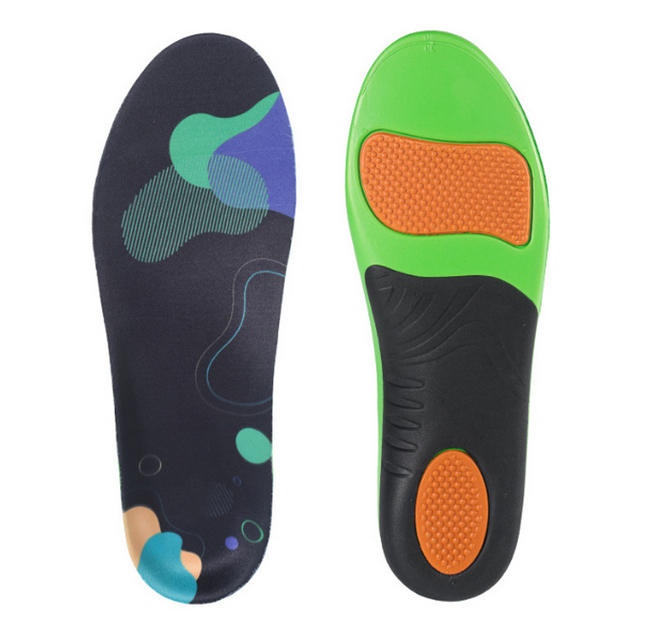
Standard boot footbeds are usually thin, flat pieces of foam that offer almost no structured support. Combat boot insoles, by contrast, are designed as orthotic‑style inserts that stabilize your arch and heel, improve alignment, and absorb shock through long marches, rucking, and tactical training. [protalus]
Key differences include: [upstep]
- Reinforced arch contour for better load distribution
- Deep heel cup to cradle and stabilize the calcaneus
- High‑density foam or PU layers for shock absorption
- Moisture‑wicking top fabric to manage sweat and reduce blisters
These design details might look small, but together they significantly reduce strain on the plantar fascia, ankles, knees, and lower back. [blog.anodyneshoes]
Most issued or off‑the‑shelf combat boots ship with flat, low‑cost insoles that compress quickly. In real‑world use, that often leads to: [lowamilitaryboots]
- Hot spots and blisters during long marches
- Arch collapse and foot fatigue after a full duty day
- Knee and hip discomfort from poor alignment
- Increased risk of overuse injuries like plantar fasciitis
Lab‑based alignment testing in the military and tactical footwear segment shows that structured insoles can restore much more natural foot mechanics compared with flat stock footbeds. For soldiers and tactical users, that difference translates into more stable footing under load and improved endurance during multi‑day operations. [tacticalgear]
The primary job of a high‑quality combat boot insole is to maintain the natural shape of your arch under load. [forminsoles]
- It spreads pressure more evenly across the entire foot.
- It reduces localized strain on the plantar fascia.
- It helps prevent over‑pronation (foot rolling inward) and supination (foot rolling outward). [blog.anodyneshoes]
Users who replace flat footbeds with orthotic‑grade insoles often report a noticeable reduction in end‑of‑day arch pain within the first week. [upstep]
A deep, contoured heel cup cradles the heel bone and keeps it centered as you move. [lowamilitaryboots]
This matters because:
- Stable heels improve overall lower‑limb alignment.
- It reduces shear forces that contribute to blisters.
- It provides a more locked‑in feel in the boot, especially on uneven terrain. [tacticalgear]
For heavy rucking or carrying body armor, this rear‑foot stability can make a surprising difference in how secure and grounded you feel. [lowamilitaryboots]
Combat operations, training, and field work involve repetitive, high‑impact movements on hard surfaces—think asphalt, rocky trails, or packed soil. [upstep]
Well‑designed insoles act like miniature shock absorbers inside your boots: [blog.anodyneshoes]
- Multi‑layer foams or PU absorb and spread impact forces.
- Forefoot cushioning reduces metatarsal stress during toe‑off.
- Heel cushioning reduces the jarring effect of heel strike under heavy load.
This is especially important when carrying heavy packs, weapons, or equipment, where each step multiplies the impact through your joints. Over time, better shock absorption helps reduce fatigue and may lower the risk of stress‑related injuries. [tacticalgear]
Foot mechanics directly affect the alignment of your knees, hips, and lower back. When your arches collapse and heels tilt inward or outward, your entire kinetic chain compensates. [rei]
Combat boot insoles that support a neutral stance can: [protalus]
- Improve lower‑limb alignment during marching and sprinting
- Encourage a more natural gait pattern
- Reduce compensatory strain in knees, hips, and lumbar spine
Tactical insole brands report that up to 9 in 10 users show improved alignment in lab settings when switching from flat insoles to structured designs. While user experiences vary, many servicemembers informally report feeling less "beat up" at the end of a long training day after upgrading their insoles. [reddit]
In hot, humid, or wet environments, feet sweat heavily. Trapped moisture in boots leads to: [rei]
- Skin maceration
- Blisters and hot spots
- Fungal infections and odor
Modern combat boot insoles often use breathable, moisture‑wicking top covers to draw sweat away from the skin. Combined with perforated foam or airflow channels, this improves micro‑climate inside the boot and helps keep feet drier during missions. [rei]
From field reports and user feedback across the tactical and outdoor industries, we see recurring patterns once people upgrade their boot insoles. [reddit]
Common improvements include:
- Infantry soldiers: Less heel pain and fewer blisters during long rucks
- Law enforcement patrols: Reduced lower‑back fatigue after 10–12 hour shifts on pavement
- Outdoor professionals and guides: Better stability when carrying packs on rough terrain
- Security and logistics staff: More all‑day comfort on warehouse or airport floors
In online tactical communities, users with plantar fasciitis often highlight aftermarket insoles as one of the most effective, low‑cost changes they made to keep working or training. [reddit]
Start by identifying whether your arch is low, medium, or high. [rei]
- Low arches/flat feet: Look for firmer, higher‑profile arch support to prevent collapse. [tw.my-best]
- Neutral arches: Choose moderate, contoured support for balanced alignment. [rei]
- High arches: Prioritize cushioned support that fills the arch and spreads pressure. [blog.anodyneshoes]
If you are unsure, a simple wet‑footprint test or consultation with a foot‑care professional can help. [rei]
Your typical use should guide your insole choice: [upstep]
- Heavy rucking and long marches: Emphasize firm arch support plus strong heel and forefoot cushioning.
- Urban patrol and standing: Focus on shock absorption and comfort over very hard surfaces.
- Mixed field and vehicle use: Choose a balanced design that does not feel too thick in confined spaces.
Common insole materials include: [blog.anodyneshoes]
- EVA or PU foam: Lightweight, supportive, and durable under repeated compression.
- Gel inserts: Extra cushioning in high‑impact zones, often in heel and forefoot.
- Top covers: Moisture‑wicking fabrics, antimicrobial treatments, or smooth textiles for easy sock glide.
For tactical environments, insoles that combine firm structural layers with a comfortable top layer often provide the best blend of support and comfort. [tacticalgear]

Switching to structured insoles can change how your feet and muscles work. A short adaptation phase helps you get the full benefit. [upstep]
1. Remove the original footbed from your combat boots so the new insole sits flat and secure. [rei]
2. Trim the new insoles along the guideline at the toe area if needed, using your original insole as a template. [rei]
3. Test the fit by standing and walking indoors for a few minutes—your heel should sit deep in the heel cup, with no folding or buckling. [upstep]
4. Break in gradually over 3–7 days: start with a few hours per day, then extend to full‑day wear as your feet adapt. [upstep]
5. Monitor pressure points; mild muscle soreness can be normal at first, but sharp or persistent pain is a sign you may need a different profile or to consult a professional. [rei]
Even the best insoles do not last forever. Over time, materials compress and lose their ability to support and cushion. [blog.anodyneshoes]
Typical replacement indicators:
- Visible flattening or permanent compression marks
- Cracked, torn, or delaminated top covers
- Loss of spring or cushion when you press the arch or heel
- Persistent foot fatigue or new discomfort in boots that previously felt fine
For active military or tactical users, many experts recommend replacing insoles every 6–12 months, depending on intensity and environment. [blog.anodyneshoes]
Benefit | What It Means In Use |
|---|---|
Arch support for combat boots | Maintains natural arch shape, reduces plantar fascia strain forminsoles |
Heel stabilization in duty boots | Deep heel cup improves alignment and reduces heel slip forminsoles |
Shock absorption under heavy load | Cushioned layers reduce impact on joints and muscles tacticalgear |
Moisture‑wicking insole surface | Keeps feet drier, helps prevent blisters and odor rei |
Tactical insole durability | High‑density foams resist compression during daily duty cycles tacticalgear |
This structure not only informs users quickly but also reinforces long‑tail phrases related to combat boot insoles and foot support. [delante]
From a manufacturing and R&D perspective, combat boot insoles sit at the intersection of biomechanics, material science, and real‑world tactical needs. [tacticalgear]
Leading OEM manufacturers typically: [delante]
- Work with podiatrists or sports‑medicine consultants to refine arch profiles and heel cups.
- Test different foam densities and PU formulations for optimal balance between durability and comfort.
- Customize moisture‑management fabrics and antimicrobial treatments to suit specific climates.
For brand owners, choosing an experienced insole manufacturer allows you to offer differentiated boot comfort without redesigning your entire footwear line. High‑performance insoles can become a signature feature that sets your combat boots apart in a crowded market. [youtube]
Even the strongest combat boot shell cannot protect your feet if the inside is flat and unsupportive. By upgrading to high‑quality combat boot insoles designed for your arch type, daily load, and mission profile, you invest directly in better support, comfort, and long‑term foot health. [forminsoles]
If you are a brand owner, wholesaler, or boot manufacturer, partner with an OEM insole specialist who can engineer military‑grade insoles tailored to your product line and target users. For individual users, start by trying a well‑structured tactical insole in your current boots—you will feel the difference with every step. [youtube]
Yes. Even premium boots often ship with flat, generic footbeds that do not provide adequate arch support or shock absorption for long duty days. Upgraded insoles complete the boot system by supporting your foot's natural mechanics. [protalus]
Structured insoles with firm arch support and a deep heel cup can reduce strain on the plantar fascia and improve heel cushioning, which many users with plantar fasciitis find helpful. However, chronic pain should always be evaluated by a medical professional. [blog.anodyneshoes]
They can, especially if they are thicker or you leave the original footbed inside. Removing the stock insole and carefully trimming the new insert usually restores proper internal volume and a secure fit. [upstep]
For active military and tactical users, replacement every 6–12 months is common, depending on mileage, load, and environment. Noticeable flattening or new discomfort is a clear sign it is time to replace them. [blog.anodyneshoes]
Policies vary by branch and unit, but many service members use aftermarket insoles as long as they do not alter the external appearance of the boot. Always check your unit's uniform regulations if you are unsure. [lowamilitaryboots]
1. Forminsoles – "How Combat Boot Insoles Improve Foot Support." [forminsoles]
2. TacticalGear.com – "Ultimate Guide to Tactical Boot Insoles." [tacticalgear]
3. REI – "How to Choose Insoles or Shoe Inserts | Expert Advice." [rei]
4. Reddit r/army – "Good brand of insoles for boots?" [reddit]
5. Anodyne Shoes Blog – "Say Goodbye to Boot Soreness: The Best Insoles for Comfort." [blog.anodyneshoes]
6. Protalus – "Best Insoles for Military Boots | Landing Gear." [protalus]
7. Upstep – "Best Insoles for Military Boots: Tactical Footwear Upgrades." [upstep]
8. Lowa Military Boots – "A Guide To Finding The Best Insoles For Military Boots." [lowamilitaryboots]
9. Garmont Tactical – "Insoles: Tactical Boots Accessories." [garmonttactical]
10. Delante – "How to Do SEO for the Footwear Industry?" [delante]
11. Metro Shoes SEO Case Study – YouTube, "How Metro Shoes Revolutionized Their E‑Commerce Strategy." [youtube]


