
Language
Views: 222 Author: 3BU Technology Publish Time: 2026-05-04 Origin: Site


Gel and memory foam insoles each shine in different scenarios: gel wins for durability and shock absorption, while memory foam is better for personalized pressure relief and day‑long comfort in low‑ to medium‑impact use. From a manufacturer's and long‑term user's perspective, the "best" choice depends on foot type, activity, environment, and replacement budget—not on material hype alone. [upstep]
When you stand 10–12 hours a day, walk on concrete floors, or push through long shifts in safety boots, the wrong insole material can turn every step into a problem you feel in your knees, hips, and lower back. As a footwear OEM manufacturer working with global brands, and as someone who has personally tested hundreds of insole constructions, I can say that gel and memory foam are not "one is good, one is bad"—they solve different problems. [forminsoles]
In this guide, we will break down gel vs memory foam from a real‑world, expert, and user‑experience angle: how each material is built, how it behaves after months of use, and how to choose the right structure for your customers or product line. We will also add highly practical tips on sizing, cleaning, replacement, and what to watch in OEM development briefs. [algeos]
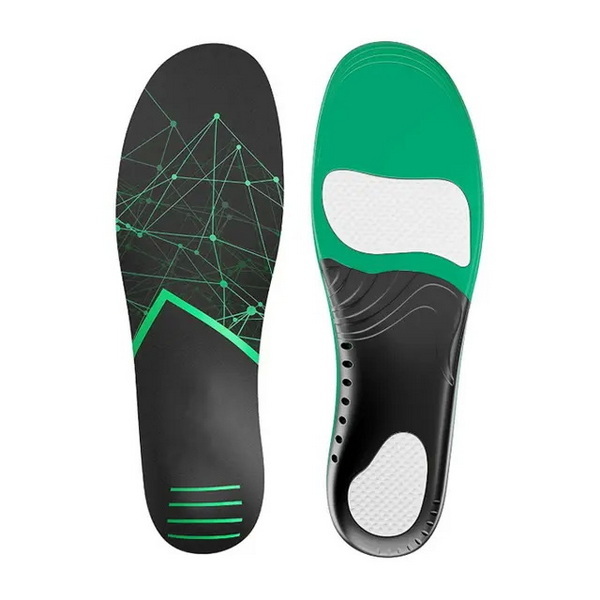
Gel insoles are typically made from a viscoelastic polymer gel—a thick, elastic compound engineered to deform under impact and then slowly return to its original shape. The gel can be cast as a full sheet, honeycomb structure, or positioned as heel and forefoot pads in a foam or EVA carrier. [jcinsoles]
This structure gives gel insoles excellent shock absorption, especially under the heel, where ground‑reaction forces are highest during walking and running. Because the gel itself is relatively stable, it resists permanent compression better than most low‑density foams, maintaining performance over a longer time horizon. [forminsoles]
From the user's perspective, a good gel insole feels:
- Springy but controlled – you feel a soft landing without a "sinking" sensation. [forminsoles]
- Cooler – gel dissipates heat more efficiently than dense foam, which helps in warm environments or enclosed footwear. [jcinsoles]
- Stable under load – the arch area tends to feel more supported, especially when gel is integrated into a structured midsole or firmer foam chassis. [way-yeah]
Many workers, runners, and people in retail or healthcare environments report that gel helps delay the onset of foot fatigue on hard surfaces, even though no insole can completely stop soreness after extreme hours on your feet. [reddit]
Gel insoles are typically the better choice if:
- You do high‑impact activities: running, HIIT, court sports, or frequent jumping. [theinsolestore]
- You stand on concrete or hard industrial floors for long shifts and need impact dampening more than deep contouring. [foxnews]
- You prefer a firmer, more structured feel under the arch instead of a plush "cushion cloud." [way-yeah]
- You need longer product life and want to reduce replacement frequency. [forminsoles]
From an OEM perspective, gel is often specified in performance, work, and sport categories, where tested shock‑absorption values and durability matter more than ultra‑soft initial comfort. [algeos]
Memory foam insoles use viscoelastic polyurethane foam (often originally developed for aerospace use) that responds to heat and pressure. When you step on it, the cells compress and then slowly recover, creating a temporary "imprint" of your foot. [upstep]
Because memory foam spreads load over a wider contact area, it is very effective at pressure redistribution—which is why it is often recommended for users with sensitive feet, mild plantar fasciitis, or general forefoot discomfort. However, under continuous high loads, the foam matrix can gradually lose resilience and remain partially compressed. [reddit]
Most users describe memory foam as:
- Soft and cradling – your foot "sinks in" slightly and feels enveloped. [upstep]
- Highly personalized – the insole shape adapts to your arch and pressure points over several hours or days. [jcinsoles]
- Warm and cushioned – the temperature‑sensitive nature of the foam makes it feel softer as it warms up, but firmer in cold conditions. [forminsoles]
For office workers or travelers, this can feel like a gentle mattress for your feet—especially when walking at low to moderate intensity. But for runners or people in heavy boots, the same softness can become unstable or "mushy" over time. [theinsolestore]
Memory foam insoles are typically preferable when:
- You walk or stand at low to moderate intensity but for long durations, such as in offices, retail, hospitality, or daily commuting. [theinsolestore]
- You have sensitive feet, mild plantar fasciitis, or bony prominences and need targeted pressure relief. [upstep]
- You prioritize immediate plush comfort over maximum shock absorption and long‑term durability. [reddit]
- Your shoes have enough internal volume to accommodate a slightly thicker insole without causing tightness. [forminsoles]
In OEM projects, memory foam is often used to create a premium "comfort story" for lifestyle sneakers, casual shoes, and travel footwear where the emotional feeling of softness is a key selling point. [upstep]
From testing and user feedback, gel and memory foam behave differently under three key dimensions of comfort: [jcinsoles]
- Impact cushioning: Gel typically absorbs vertical shock better, especially in the heel.
- Pressure redistribution: Memory foam spreads pressure across the foot more evenly, which is helpful for hotspots and sensitive areas.
- Stability and control: Gel, usually combined with a firmer chassis, provides more consistent arch support and less lateral "rolling" under load.
Industry test data and independent insole guides consistently report foam as "best for cushioning and pressure relief," while gel is highlighted for shock absorption and sports use. [algeos]
For longevity, gel usually comes out ahead:
- Gel: Highly resistant to permanent compression; retains its shape and cushioning longer, making it suitable for high‑impact or high‑frequency use. [forminsoles]
- Memory foam: Prone to flattening over time; regular users and long‑distance walkers often notice a loss of bounce, sometimes within a few months, especially with cheaper foams. [reddit]
User comments on forums and review platforms frequently complain that memory foam "always flattens out," whereas high‑quality gel inserts maintain performance even after the shoes are worn out. [outdoorgearlab]
- Temperature sensitivity: Memory foam becomes softer when warm and firmer when cold, which can be uncomfortable in low temperatures. Gel is comparatively temperature‑stable and maintains a consistent feel in most climates. [forminsoles]
- Weight and bulk: Gel designs are often thinner and lighter, ideal for tight‑fitting shoes. Memory foam tends to be bulkier, which can crowd the toebox or make dress shoes feel tight if not sized carefully. [theinsolestore]
For buyers and product managers, this means that the same footbed geometry cannot simply be swapped between gel and memory foam without re‑validating fit and internal volume in target footwear. [algeos]
Aspect |
Gel Insoles |
Memory Foam Insoles |
|---|---|---|
Core Function |
Shock absorption, especially in heel and forefoot forminsoles |
Pressure redistribution and custom contouring upstep |
Comfort Feel |
Firmer, springy, stable platform forminsoles |
Soft, cradling, mattress‑like feel upstep |
Durability |
High resistance to compression, longer life in heavy use forminsoles |
More likely to flatten with time, especially in high impact upstep |
Temperature |
Stable in heat and cold, cooler on foot forminsoles |
Softer when warm, noticeably firmer in cold upstep |
Thickness & Fit |
Usually thinner, better for tight shoes forminsoles |
Thicker, needs more shoe volume forminsoles |
Best For |
Athletes, workers on hard floors, long‑term wearers forminsoles |
Casual wear, office workers, sensitive feet forminsoles |
Cost Over Time |
Higher initial price but fewer replacements forminsoles |
Lower entry price, more frequent replacement forminsoles |
Ask yourself (or your end‑customers):
1. Where do you spend most of your time? Concrete factory floor, hospital corridor, office carpet, or city streets. [rsonline]
2. What is your activity intensity? Light walking, all‑day standing, or sports and running. [theinsolestore]
3. How sensitive are your feet? Any history of plantar fasciitis, flat feet, or forefoot pain. [upstep]
For high‑impact work or sports, gel is usually safer. For low‑impact but long duration and general comfort, memory foam can be very satisfying. [way-yeah]
- Flat feet or low arches: A structured insole with proper arch support is more important than the top material alone. Gel combined with a shaped base, or memory foam over a supportive mid‑layer, works better than flat pads. [algeos]
- High arches: Memory foam's contouring helps fill the arch gap and reduce concentrated pressure, especially in casual shoes. [theinsolestore]
- Neutral feet: Both gel and memory foam can work; evaluate based on activity and personal comfort preference. [forminsoles]
In OEM design, we often pair multi‑density constructions (for example: EVA + gel heel pad + memory foam top cover) to balance support, shock absorption, and comfort in one platform. [jcinsoles]
- Hot, humid climates or enclosed work boots: Gel generally runs cooler and, depending on the top fabric, can manage moisture better. [jcinsoles]
- Cold environments: Memory foam may feel stiff until warmed by body heat, which some users dislike in winter footwear. [upstep]
- Odor and hygiene: Gel itself does not absorb much moisture, while foam can trap sweat and lead to odor unless combined with antimicrobial treatments. [forminsoles]
If you are designing or choosing insoles for long‑term, high‑sweat environments, prioritize breathable top fabrics and antimicrobial treatments, regardless of the core material. [rsonline]
A poorly trimmed insole can cause folding, blisters, or toe crowding. To get a precise fit: [algeos]
1. Remove the original insole from your shoe and use it as a template.
2. Trace the outline onto the new insole and trim gradually from the toe end only.
3. Test fit frequently – the insole should lie completely flat with no buckling.
4. If using in safety or athletic footwear, ensure the insole does not interfere with toe protection caps or heel counters.
For OEM partners, always validate insole fit during last development stages, not as an afterthought; insole thickness can subtly alter internal length and ball‑girth feel. [algeos]
- Gel insoles: Wipe with a damp cloth and mild soap; allow to air‑dry completely before reinserting. Avoid high heat, which can deform the polymer structure. [theinsolestore]
- Memory foam insoles: Spot‑clean only, using a mild detergent and minimal water; excessive soaking can damage the foam and adhesives. Always dry away from direct sunlight or heaters. [upstep]
For corporate or industrial customers, choosing insoles that are easy to wipe clean (rather than machine‑washable) can significantly reduce maintenance time and cost in large fleets of footwear. [rsonline]
From both lab testing and user feedback, replacement windows typically look like this: [outdoorgearlab]
- Gel insoles: Often last 6–12 months or more with daily use, sometimes outlasting the shoe itself in normal conditions.
- Memory foam insoles: Commonly require replacement every 3–9 months, depending on user weight, activity, and foam quality.
Signs that you need new insoles include visible flattening, loss of rebound, bad odor that persists after cleaning, or renewed onset of foot pain in a previously comfortable shoe. [outdoorgearlab]
The insole industry is moving beyond the "gel vs memory foam" debate by introducing hybrid and eco‑focused materials: [atoms]
- Cork and plant‑based foams: Cork and other plant‑based materials offer natural cushioning, antimicrobial properties, and a lower environmental footprint; they are increasingly seen in midsoles and insoles for lifestyle and outdoor shoes. [atoms]
- Advanced EVA and Poron foams: Modern EVA and microcellular foams achieve impressive shock absorption and stability without the heat retention of dense memory foam. [theinsolestore]
- Multi‑layer systems: Combining gel pods, supportive EVA shells, and thin memory foam top covers allows manufacturers to tune comfort for different user groups within one product family. [jcinsoles]
For OEM buyers and brand owners, these trends mean you can differentiate your product line not just by material name but by performance story, sustainability, and use‑case specificity. [atoms]
From an industry and user‑experience standpoint, the most reliable guideline is:
- Choose gel insoles if you need long‑lasting shock absorption, cooler feel, and stability in high‑impact or long‑shift settings (runners, industrial workers, healthcare staff, logistics, and retail on hard floors). [foxnews]
- Choose memory foam insoles if you want plush, customized cushioning for casual walking, office work, travel, or if you have sensitive feet that benefit from gentle contouring and pressure relief. [forminsoles]
Many experienced users end up rotating both: gel for work or training days and memory foam for off‑days, travel, or light use. As a manufacturer, offering both options—or a hybrid construction—within your catalog lets your customers select precisely the feel and performance that match their lifestyle. [upstep]
Neither material alone replaces a medical‑grade orthotic, but memory foam can help redistribute pressure under the heel and arch, while gel heel pods improve shock absorption. For chronic pain, a structured insole with proper arch support plus targeted cushioning is more important than material alone. [algeos]
Yes, many runners and experts favor gel or gel‑enhanced insoles for daily training because of their consistent shock absorption and durability, especially on hard surfaces. Ensure the insole does not alter your shoe's fit and that it complements the existing midsole cushioning rather than over‑softening it. [forminsoles]
Memory foam is viscoelastic and gradually loses resilience with repeated compression; cheaper foams or heavy, high‑impact use accelerate this process. When the foam no longer rebounds, it stops distributing pressure effectively and should be replaced. [reddit]
Contrary to what some people expect, many modern gel insoles are relatively light and thin, particularly when gel is used only in targeted zones like heel and forefoot. Users sometimes perceive them as lighter than thick, full‑length memory foam inserts that add more bulk and volume to the shoe. [jcinsoles]
If your shoes are tight, a thick memory foam insole can cause discomfort and toe crowding; in such cases a slimmer gel insert or a low‑profile support insole is more appropriate. Alternatively, remove the original footbed and replace it entirely with the new insole to preserve internal volume. [forminsoles]
1. Upstep – "The Differences Between Memory Foam vs. Gel Insoles." [](https://www.upstep.com/a/answers/orthotics/the-differences-between-memory-foam-vs-gel-insoles)
2. Form Insoles – "Gel vs. Memory Foam Insoles: Which Material Is Best?" [](https://www.forminsoles.com/blogs/insoles/gel-vs-memory-foam-insoles-which-material-is-best-for-your-feet)
3. JC Insoles – "Memory Foam vs. Gel Insoles: EVA Midsole & Key Differences." [](https://www.jcinsoles.com/post/memory-foam-vs-gel-insoles-eva-midsole)
4. Form Insoles – "Memory Foam Footbed vs Gel Insoles." [](https://www.forminsoles.com/blogs/insoles/memory-foam-footbed-vs-gel-which-wins)
5. The Insole Store – "Insole Guide: How to Choose the Right Insole." [](https://theinsolestore.com/pages/insole-guide)
6. Algeos – "What Type of Insoles do I Need? 2026 Guide." [](https://www.algeos.com/company-news/post/algeos-product-guides/choose-correct-orthotic-insoles)
7. Atoms – "Shoe Materials: Definitive Guide 2026." [](https://atoms.com/articles/shoe-materials-definitive-guide-2026)
8. Fox News – "Expert‑recommended insoles for runners, nurses and people with foot pain." [](https://www.foxnews.com/deals/best-insoles-foot-pain)
9. RS Online – "鞋垫品牌排行榜推荐及选购指南." [](https://www.rsonline.cn/web/content/discovery/ideas-and-advice/best-insoles)
10. Reddit – "Gel and memory foam insoles are not as comfortable as advertised …" [](https://www.reddit.com/r/unpopularopinion/comments/wwpuaa/gel_and_memory_foam_insoles_are_not_as/)
11. Reddit – "Memory foam insoles: are they worth it?" [](https://www.reddit.com/r/BuyItForLife/comments/zcifft/memory_foam_insoles_are_they_worth_it/)
12. Way‑Yeah – "What is better, memory foam or gel insoles?" [](https://www.way-yeah.com/news/what-is-better-memory-foam-or-gel-insoles/)
13. Outdoor Gear Lab – "The Best Insoles | Tested & Ranked." [](https://www.outdoorgearlab.com/topics/shoes-and-boots/best-insoles)


