
Views: 222 Author: Edvo Publish Time: 2026-01-03 Origin: Site


Content Menu
● Understanding Why Tennis Shoes Squeak
>> Friction Between Orthotic Inserts and Shoe Interior
>> Moisture and Sweat Build-Up
>> Outsole Contact with Flooring
>> Air Trapped in Cushioning Layers
>> Material Expansion and Contraction
● Step-by-Step Guide to Stop Squeaky Tennis Shoes
>> Step 1: Identify the Source of the Noise
>> Step 2: Remove and Inspect Orthotic Inserts
>> Step 3: Dry Shoes and Inserts
>> Step 4: Apply Powder for Friction Reduction
>> Step 5: Use Non-Slip Layers
>> Step 6: Adjust Orthotic Fit
>> Step 8: Treat the Shoe Materials
>> Step 9: Refresh or Replace Damaged Orthotics
● Advanced Fixes for Persistent Squeaking
>> Perform a Surface Modification
>> Use Shoe-Liner Modification
>> Professional Repair from a Cobbling Service
>> Add Sound-Absorbing Footbeds
● Preventing Future Shoe Squeaks
>> Keep Your Shoes Dry and Clean
>> Apply Periodic Conditioning
>> Replace Insoles and Outsoles Periodically
● The Role of Material Technology in Noise Prevention
● Environmental Conditions and Shoe Performance
● Why Choose OEM Orthotic Inserts from a Professional Manufacturer
● Choosing the Right Insole for Your Activity
● Extending the Life of Your Shoes and Inserts
● FAQs About Silencing Squeaky Tennis Shoes
>> 1. Why do tennis shoes start squeaking after adding orthotic inserts?
>> 2. How can moisture control help stop squeaks?
>> 3. Can silicone sprays fix squeaky shoes safely?
>> 4. What are the best materials for silent orthotic inserts?
>> 5. Does replacing old orthotics always eliminate shoe noise?
Few things are more irritating than your tennis shoes making squeaky sounds every time you walk across a gym floor or hard surface. While tennis shoes are engineered for comfort and performance, those quiet steps can turn noisy when orthotic inserts are added. The squeak may be small, but its echo can be embarrassing, distracting, and downright annoying.
For athletes, professionals, and people who wear customized orthotics daily, this sound can undermine both focus and confidence. Luckily, understanding the causes behind those high-pitched noises and applying the right solutions can restore comfortable, silent performance. This comprehensive guide walks you through the reasons tennis shoes squeak, detailed methods to eliminate the noise, and preventive measures to keep them that way.
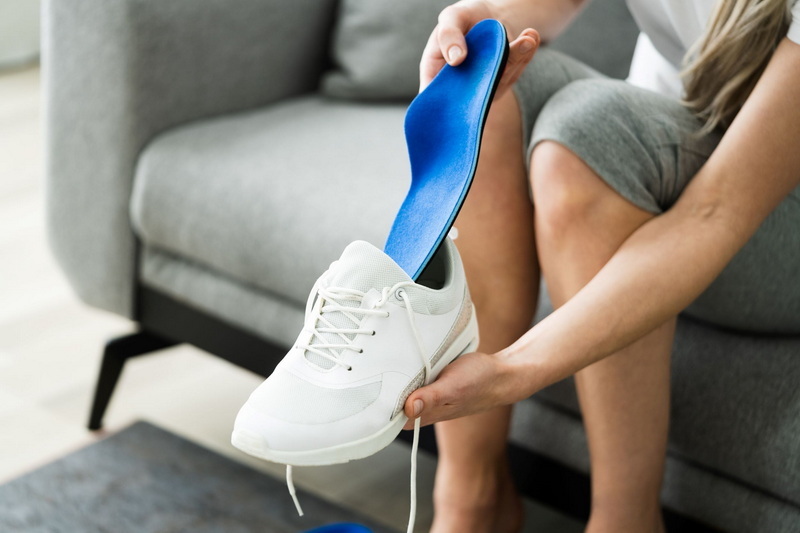
Every squeak tells a story about friction, moisture, or movement within your footwear. To effectively stop the noise, you need to pinpoint where and why it originates.
When two surfaces move repeatedly against one another—such as the smooth underside of an orthotic insole and the midsole of your shoe—they create vibrations that result in squeaks. Orthotic inserts that are slightly smaller, have a shiny plastic base, or shift during activity are prime culprits. Poor adhesive connection or uneven contact surfaces contribute to the sound.
Shoes that absorb moisture during workouts or long wear become more prone to squeaking. Water or sweat trapped between the insole and the bottom layer of the shoe increases slipperiness. Each step presses air and moisture between layers, producing that squeaky, sticky noise. Sports shoes made from porous materials, like mesh or EVA foam, are highly susceptible.
Sometimes, the squeak is external. Gym floors, polished tiles, or freshly cleaned surfaces interact with rubber outsoles to create friction and noise. Hard rubber compounds in athletic footwear can intensify this effect, particularly when shoes are new.
Certain modern tennis shoes incorporate air pockets or gel pads in their midsoles. While these improve shock absorption, internal air movement or trapped moisture bubbles can emit squeaking sounds when compressed under weight shifts.
Temperature and humidity impact footwear materials. Leather, foam, and synthetics expand or contract slightly depending on the climate. As a result, seams or glued joints rub against each other, producing minor sounds that grow louder over time.
Pinpointing the root cause helps you fix the problem efficiently. Follow these steps to silence your squeaky tennis shoes and restore peaceful movement.
Place your shoes on and walk across different surfaces such as wooden floors, rubber mats, and carpet. Listen carefully to determine if the squeak comes from the outsole, midsole, or inside layer. Remove the orthotic insert, test again, and note any changes. This quick test tells you whether the problem lies within the shoe structure or the insert itself.
Take the inserts out completely. Check for smooth or shiny sections on the underside because they indicate sliding areas. Examine the shoe cavity for dust, moisture, or loose debris that might cause poor grip. Ensure no wrinkles or lifted spots in the insole liner are causing rubbing noises.
Damp shoes amplify squeaks. Begin by air-drying both shoes and inserts. Open up the tongues, loosen the laces, and let airflow reach internal spaces. You can use absorbent paper or silica packets to extract moisture. For quicker results, place them near a fan but avoid direct heaters. Drying removes the main contributor to sticky-sounding friction.
Dust a small amount of baby powder, cornstarch, or baking soda inside your shoes before reinserting orthotics. This fine layer absorbs residual moisture and allows smooth, silent movement. Shake your shoes lightly to distribute the powder evenly, then slide the orthotics back in firmly.
For people allergic to powders, small sheets of soft, breathable fabric can work instead—acting as a thin barrier between surfaces.
Sometimes adding texture helps. You can use a thin anti-slip mat or fabric pad under the orthotic to secure it in place. Dryer sheets or microfiber cloth work well for temporary fixes. In professional footwear, manufacturers often apply micro-patterned surfaces or anti-slip coatings to prevent this exact issue.
Fit plays a huge role in preventing sound. If your insert is too small, it moves with each step. Secure it using removable double-sided tape or a light spray adhesive on the heel area. Avoid permanent glue, as you may want to remove or replace inserts later. Correct positioning ensures minimal movement and friction reduction.
Dirt and grime stuck in outsole treads can modify how rubber interacts with different floor types. Clean the bottom using mild soap and a brush. Let it dry fully. This simple cleaning step can dramatically reduce squeaky noises caused by external friction.
Lubricate rubbing parts of the upper shoe using a tiny bit of leather conditioner or petroleum jelly. Apply delicately around the tongue edges, heel collar, and eyelets. For synthetic shoes, silicone-based conditioners work better than oily ones. This reduces the rubbing noise caused by material stiffness and repeated flexing.
If you notice worn, cracked, or compressed areas on the orthotic, replacement might be the fastest solution. Orthotics that lose their structural firmness rub unevenly against the base, producing more sound. High-quality, precision-cut orthotics maintain consistent fit and noise-free use over longer periods.
Sometimes basic fixes aren't enough—especially for performance shoes or medical orthotics used in professional sports. In these cases, advanced techniques help achieve lasting results.
Coat the underside of your insert with a thin layer of EVA spray or non-stick silicone film. This engineered coating helps reduce drag between materials and increases grip consistency across temperature changes. Orthotic manufacturers often pre-apply such films for OEM clients.
If squeaking originates from beneath the removable liner, lift it gently and place a piece of tissue-thin foam or felt underneath. This subtle adjustment cushions friction points and balances compression zones across the shoe's base.
If your shoes contain complex midsole structures, like air units or gel pods, professional repair experts can inspect for micro air leaks or loose glue joints. Tiny adhesive reapplications or structural resealing can restore soundless function without voiding warranties.
Brands that produce orthotics for performance athletes often add sound-absorbing fabrics like suede-backed foam. These materials act as acoustic dampers, absorbing vibration energy before it transforms into audible squeaks.
Preventive maintenance matters as much as the fix itself. A few careful habits can help keep your tennis shoes and orthotic inserts silent and in perfect working condition.
After each use, remove the insoles and let your shoes air out. Avoid trapping moisture inside gym bags. Even the highest quality orthotics can squeak if stored damp.
Rotating shoes gives each pair time to dry and decompress naturally. Moisture levels decrease, and material tension normalizes—both critical in preventing noise.
Clean orthotics according to manufacturer recommendations. Wipe surfaces gently with a damp cloth and let them dry completely before reinsertion. Never soak foam or gel inserts.
Just as you condition leather jackets, do the same for leather or semi-leather footwear components. Maintaining flexibility minimizes stiffness noises around pressure points like the heel and tongue.
Athletic shoes have limited material lifespans. Soft foam layers degrade, adhesives weaken, and components loosen, producing more sound. Replacing worn parts restores structural harmony—and quiet performance.
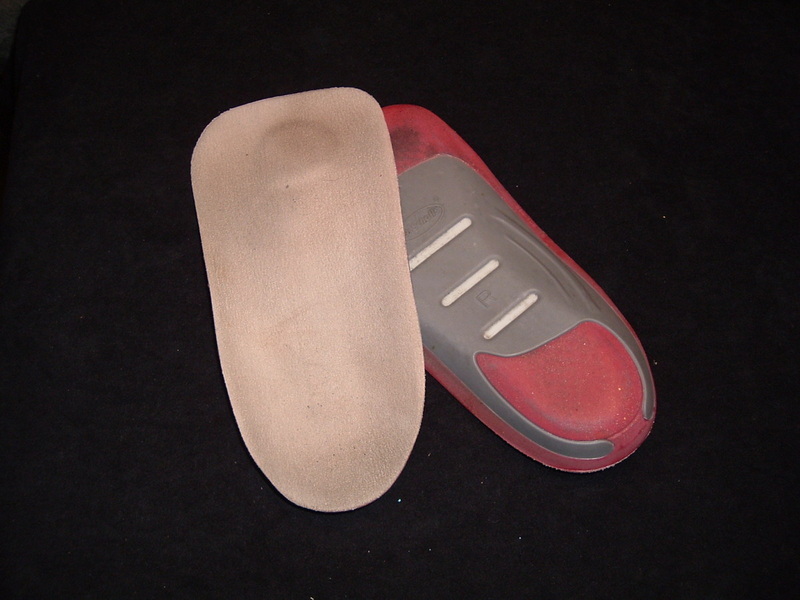
Not all shoes and orthotics are created equal. Modern material science drives innovation in manufacturing processes to reduce friction and sound.
High-end orthotic inserts often use specialized materials:
- Thermoplastic polyurethane (TPU): Adds durability and excellent elasticity.
- EVA foam with microcell technology: Provides lightweight cushioning and consistent compression recovery.
- Anti-slip silicone coatings: Increase stability inside footwear.
- Moisture-control microfibers: Keep interiors dry, preventing squeaks caused by wet movement.
Similarly, shoes that include dual-density outsoles and ventilated footbeds create balanced airflow, preventing trapped humidity and friction points.
OEM manufacturers that produce orthotic insoles for global brands focus intensely on fit accuracy. A fraction of a millimeter in design tolerance can make the difference between silent comfort and constant noise. Advanced CNC trimming and 3D-fit modeling ensure inserts match shoe cavities perfectly, eliminating movement that leads to sound.
Environmental factors like humidity, temperature, and even indoor cleaning products can influence squeaking behavior.
- High humidity: Moist air increases softening in foams and glues. For sports played in humid conditions, ventilated mesh inserts help.
- Cold environments: Some synthetic foams harden slightly, leading to squeaking on bending. Warm up shoes before wearing in winter.
- Cleaning residues: Floor polishes or detergent residues create slippery surfaces, amplifying squeaky echoes. Cleaning your soles before games prevents this.
By understanding these contextual factors, both consumers and retailers can educate themselves to prevent unwanted acoustic problems from their performance footwear.
If you're a shoe brand, wholesaler, or sports manufacturer seeking lasting silence and quality comfort, partnering with a professional orthotic insole supplier is a strategic move.
An experienced OEM manufacturer provides customization in:
- Fit precision: CAD-based design guarantees perfect integration with shoe molds.
- Material balance: Tailored density and friction-resistance prevent internal movement.
- Testing standards: Each pair undergoes walking simulation tests to ensure no squeaking under pressure.
- Bulk flexibility: Large-scale production ensures consistent quality for export and domestic orders.
These solutions go beyond comfort—they build brand reputation. Wholesale buyers appreciate inserts that deliver long-term satisfaction, silent motion, and durable performance.
Even in the same shoe size, users may require different insert types depending on their lifestyle and physical needs.
- Athletic performance insoles: Focus on energy return, breathability, and stability under stress.
- Everyday comfort orthotics: Prioritize soft cushioning and all-day moisture control.
- Medical-grade orthotics: Tailored to foot alignment and pressure distribution.
- Industrial or safety footwear insoles: Feature anti-static, puncture-proof, and noise-free properties.
Selecting the right insert ensures your foot and shoe work together efficiently—without friction, slippage, or sound.
Longevity and silence go hand in hand. Shoes that retain shape support comfort and stay noise-free longer. To extend product life:
- Avoid machine washing tennis shoes unless specified by the manufacturer.
- Use gentle cleaning sprays for insoles.
- Store shoes in breathable bags, not sealed containers.
- Replace orthotic inserts every six to twelve months for heavy use or annually for moderate wear.
When inserts fit tightly and materials stay clean and dry, every movement remains effortless and silent.
The faint squeak from your tennis shoes might not be a mechanical failure—it's simply a signal that your footwear components need small adjustments. With consistent care and the right materials, even orthotic-equipped shoes can move silently and smoothly.
By drying, cushioning, and securing your inserts, or upgrading to high-quality OEM orthotics built for precision fit, you can enjoy noise-free performance whether on the court, at the gym, or during daily routines. Soundless comfort is achievable when design, materials, and maintenance align perfectly.
For brands seeking to deliver both performance and peace, choosing an experienced orthotic insole manufacturer ensures every shoe that carries your label walks silently—yet confidently—into the market.
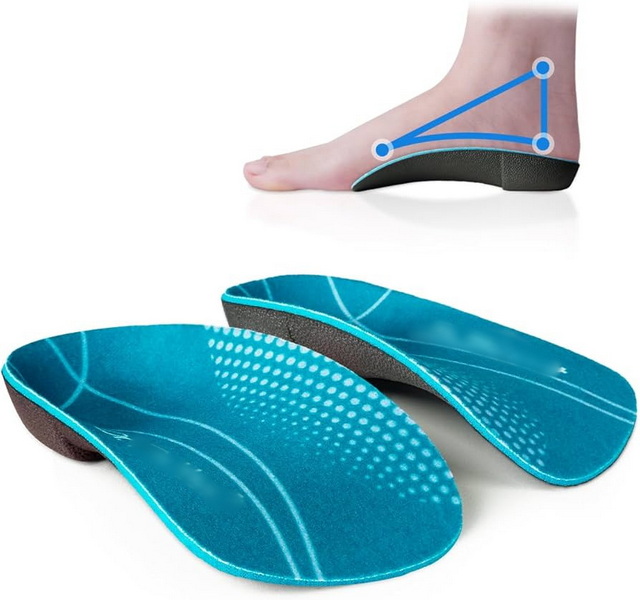
Orthotic inserts may be slightly smaller than the shoe cavity or made from materials that slide within the sole, creating friction. Ensuring a snug, dry fit and adding powder or a non-slip layer typically resolves it.
Moisture reduces friction control inside footwear. Using breathable insoles, drying shoes after every wear, and storing them in ventilated spaces prevent internal squeaking.
Yes, a small amount of silicone applied under the insole or on the outsole can temporarily reduce friction. However, use sparingly to avoid slippery surfaces that affect stability.
EVA foams, TPU bases, and microfiber-lined surfaces are popular. They provide balanced cushioning and noise-free flexibility that enhance traction within footwear.
Usually yes. Older inserts lose their shape, developing gaps that cause squeaks. Replacing them with fresh, high-quality models often stops the noise immediately.


