
Language
Views: 222 Author: Edvo Publish Time: 2025-11-28 Origin: Site


Content Menu
● Understanding Instep, Arch And Ski Boot Fit
● Why An Arched Ski Insole Usually Works Better
● When Too Much Arch Under The Instep Is A Problem
● Matching Arch Height To Foot Type
● Instep Height, Shell Volume And Insole Shape
● Performance Benefits Of An Arched Instep Area
● Comfort, Fatigue And Injury Risk
● Role Of Arch Support For Different Skiers
● How To Choose The Right Ski Insole Arch
>> Step 1 – Analyze Your Foot Type
>> Step 2 – Consider Your Skiing Style
>> Step 3 – Test Fit And Pressure Points
>> Step 4 – Fine‑Tune With A Boot Fitter
>> Step 5 – Re‑Evaluate Over Time
● Additional Design Factors Beyond The Arch
● Materials, Flex Profiles And Temperature
● Moisture, Warmth And Hygiene
● Customization Options For Brands And OEM Customers
● How A Professional OEM Insole Manufacturer Can Help
>> FAQs
>> 1. Do all skiers need arched ski insoles?
>> 2. Can too much arch support cause pain in ski boots?
>> 3. Are heat‑moldable ski insoles better than standard ones?
>> 4. How often should ski insoles be replaced?
>> 5. What is the difference between ski insoles and everyday arch supports?
A ski boot is a rigid shell, so the insole becomes the main interface between your foot and the equipment. The way the instep and arch are shaped determines how your weight travels down into the skis, how stable you feel, and how quickly fatigue sets in. A well‑designed arch insole does not force a new shape into your foot; it gently supports the structure you already have so you can ski longer, stronger, and with more control.
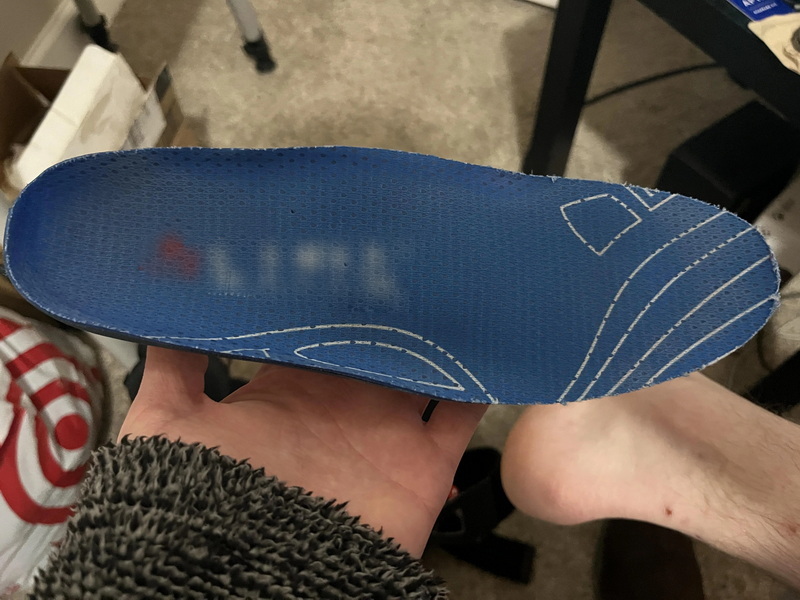
The instep is the upper mid‑foot area under the boot tongue, while the arch is the curved underside of the foot that sits on the insole. Many skiers feel pressure on the top of the foot and assume it is an “arch problem”, but that is usually related to shell volume and buckle tension over the instep. True arch support happens underneath the foot through the insole's profile, not on top through the boot shell.
In a correctly fitted ski boot, the shell and liner hold the heel and ankle securely while the insole cradles the arch from below. When the arch collapses too much inside the boot, the foot lengthens and spreads, which can cause toe bang, rubbing, and loss of precision. When the arch is supported in a neutral position, your stance becomes more stable and predictable.
An arched ski insole helps share the load across the full length of the foot instead of concentrating pressure on the heel and forefoot. This is important because skiing applies repetitive, high‑force movements through a relatively small contact area inside a hard shell. By adding support under the instep, you reduce excessive strain on the small stabilizing muscles in the foot.
With better support, the ankle and knee tend to track more cleanly over the skis, so edging feels smoother and more consistent. This is why many skiers notice immediate improvements in balance and control when they upgrade from flat stock insoles to structured ski‑specific footbeds.
However, more arch is not always better. If the arch beneath the instep is too high or too aggressive, it can push the mid‑foot upward and create a hard pressure ridge. Typical warning signs include burning, pinching, cramping, or numbness in the first few runs, even with normal buckle tension.
An overly tall or rigid arch also reduces internal boot volume, which can increase pressure on the top of the foot and interfere with blood circulation. In extreme cases, skiers with very sensitive feet or very high arches may feel they are being “pried” out of the heel pocket by the insole, which destroys stability instead of improving it.
Flat, thin stock insoles supplied with many ski boots do little more than cover the boot board. As the foot flexes and absorbs impacts, the arch is free to collapse, often leading to over‑pronation and extra movement in the boot. This wastes energy and can make your knees drop inward, hurting both edge grip and joint comfort.
In contrast, arched insoles use a contoured profile and structured materials to guide the foot into a more neutral position. This does not lock the foot completely; rather, it limits harmful excess motion and keeps the heel better centered. The result is a cleaner transfer of force into the ski with less slop and better feedback from the snow.
Different feet need different levels of support. Ski insoles are often offered in low, medium, and high arch profiles, or are custom‑molded to your exact shape. The aim is to fill the “gap” under the arch so the foot can relax onto the insole without either collapsing or being pushed up.
- Flat or low arches generally benefit from more pronounced support to prevent the foot from rolling in excessively.
- Medium arches tend to work best with moderate support that maintains the natural curve without feeling intrusive.
- High arches need the space under the mid‑foot filled with a supportive but slightly cushioned shape so that weight can be spread rather than focused on the heel and ball.
The boot's internal volume over the instep is just as important as the insole shape under it. Skiers with high insteps already feel close contact under the boot tongue, so adding a thick or very tall insole might remove too much space. In such cases, it is often better to choose a slimmer but still supportive insole and, if needed, modify the shell for more instep room.
Skiers with low insteps or low‑volume feet can often use a slightly thicker or more sculpted insole to fill the internal void. This reduces sliding, improves heel hold, and can make buckle adjustments more effective because the boot no longer has to be overtightened to control the foot.
When the insole's instep area follows the foot's natural arch, pressure is distributed more evenly from heel to toe. This steady platform improves how you pressure the ski tips in a turn, how you stay balanced in variable snow, and how precisely you can control edge angle.
In dynamic situations—fast carving, moguls, drops, and landings—a stable arch support reduces unwanted twisting and rolling of the foot. Instead of fighting to stay centered inside the boot, your legs can focus on steering the skis and absorbing terrain, which boosts both performance and confidence.
Skiing often means hours of static stance combined with high‑impact vibration. Without support, the plantar tissues under the foot must work constantly to stabilize the arch, which leads to fatigue and pain over time. An arched insole acts like an internal framework that carries part of this load.
Better alignment and pressure distribution can also reduce stress on the ankles, knees, hips, and lower back. While insoles are not medical treatment, many skiers report fewer instances of plantar irritation, shin pain, and medial knee discomfort after switching to properly designed ski footbeds.
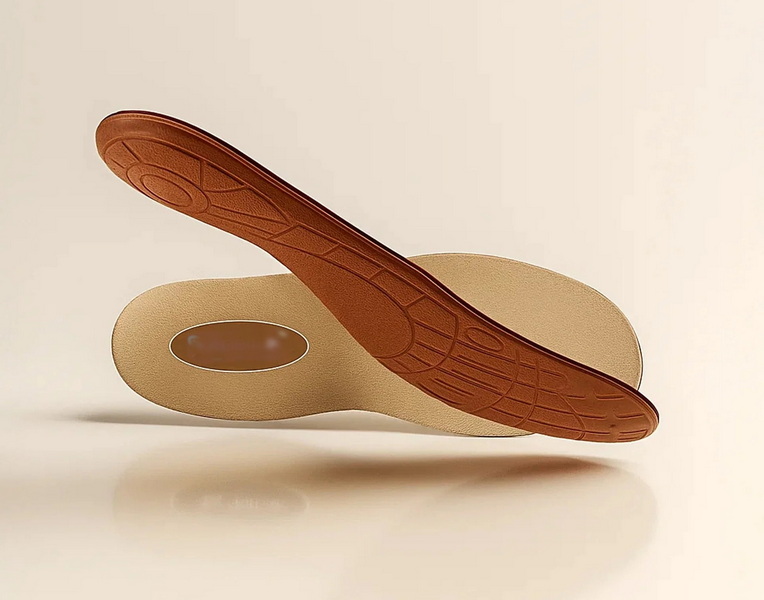
Beginners and intermediate skiers tend to move around more inside the boot because their stance is still developing. A supportive insole helps center the foot, making it easier to feel what the skis are doing and to build good habits. Less motion inside the boot generally means faster skill progress and fewer blisters.
Advanced, expert, and professional skiers often demand precise edge control and consistent feedback in all conditions. For them, a carefully tuned arch profile can make the difference between “okay” and “dialed‑in” performance. On long days, the reduction in fatigue and pain can also be decisive for safety and enjoyment.
Start by assessing your natural arch height, using a footprint on a damp surface or a basic arch test. Notice whether the mid‑foot area in your print is mostly filled in, moderately curved, or shows a narrow band. This simple visual check points you toward low, medium, or high arch support.
If possible, have a boot fitter or foot specialist observe you standing and flexing. Watching how your knees track and how much your arches drop under load reveals whether you need extra support or a more flexible design that allows a bit of movement.
Your preferred terrain and speed also influence the ideal arch shape. If you ski fast, carve hard, or enjoy steeps and off‑piste terrain, you will usually appreciate a firmer, more supportive arch that locks in stability. Strong support helps your body handle sudden impacts and directional changes.
If you ski casually on groomed slopes at moderate speeds, comfort may be your top priority. In that case, a slightly softer or more cushioned arch profile can feel more forgiving while still offering noticeably better support than a completely flat footbed.
When trying insoles, place them inside your boots and stand in your normal skiing stance with the buckles moderately closed. You should feel the arch contacting the underside of your foot along a broad area, not just at one sharp point. There should be a sense of gentle lift and stability, not of being poked or forced.
Flex forward as if starting a turn and check whether the pressure under the arch remains comfortable. If discomfort appears quickly, the arch may be too high, the material too stiff, or the insole too thick for your boot volume. Lower‑profile or more flexible options often solve this issue.
A skilled boot fitter can modify footbeds and shells to create a fully integrated fit. Minor grinding or sanding can lower overly aggressive arch sections, while posting and padding can add support in targeted zones. At the same time, shell stretching, tongue reshaping, or buckle repositioning can improve instep comfort.
This fine‑tuning is especially valuable if you have asymmetrical feet, previous injuries, or conditions like very flat feet or very high arches. The goal is always the same: a neutral, relaxed stance with firm support and no pressure hotspots.
Materials in insoles compress and fatigue, particularly if you ski frequently or apply high forces. Over time, the arch may lose height and definition, which brings back the same problems you had with flat stock footbeds: more movement, more fatigue, and less precision.
Make a habit of inspecting your insoles at the beginning of each season. If the foam is crushed, the cover is worn, or you notice more foot soreness after skiing, it is probably time to replace or remold them. Keeping the arch support fresh maintains the original fit of your boots.
While the arch under the instep is crucial, a complete ski insole design also considers several other elements. A deep, supportive heel cup helps stabilize the rearfoot and prevent it from sliding sideways, which is essential for edge control. When the heel is locked in, the arch can do its job more effectively.
Forefoot structure matters as well. A slightly wider, well‑cushioned forefoot zone accommodates natural spreading of the toes while keeping the metatarsal heads from digging into a hard boot board. Some ski‑specific designs incorporate mild metatarsal support to encourage better toe alignment without causing crowding.
Ski insoles must work in cold conditions, so materials should provide consistent support even when temperatures drop. Very soft foams that feel comfortable indoors can become stiff, thin, and unsupportive on the hill. Good designs use a mix of firm structural layers and softer top covers for both stability and comfort.
Different flex profiles suit different skiers. Very stiff insoles offer maximum support and responsiveness but may feel harsh for lighter or less aggressive riders. Moderately firm designs usually provide an ideal balance for most recreational and advanced skiers, maintaining shape under load while still offering some give.
Although the primary purpose of a ski insole is mechanical support, moisture management is also important. Breathable covers and moisture‑wicking layers help keep feet drier, which reduces blister risk and slows heat loss. Drier skin is less likely to break down under friction inside the boot.
Some insoles use antimicrobial treatments or washable covers to improve hygiene over many days of use. For skiers who spend entire seasons on snow, this can be a practical advantage, as boots often stay damp and warm between runs, creating an environment for odor if not managed properly.
From a manufacturing and OEM standpoint, arch design is a powerful way to differentiate ski insoles in the market. Brands can specify distinct arch heights, shapes, and stiffness levels for beginner, performance, and expert product lines. They can also offer separate models for flat feet and high arches to address key niche segments.
Working with an experienced factory makes it possible to combine technical requirements with branding and packaging needs. This includes integrating custom colors, logos, surface textures, and perforation patterns while maintaining consistent arch geometry and quality control. For international wholesalers and ski‑boot brands, this kind of customization adds value without increasing complexity at retail.
A dedicated insole manufacturer with ski expertise understands how arch design interacts with shell shape, liner construction, and different regional foot types. This allows the factory to propose proven last shapes and arch profiles that match common boot volumes and skiing styles in different markets.
For overseas brands, wholesalers, and boot manufacturers, partnering with such a factory provides access to tailored arch solutions, stable quality, and flexible order quantities. Together, it becomes easier to develop collections that cover low, medium, and high arch needs, from entry‑level to premium, while keeping costs competitive and delivery reliable.
For most skiers, the instep area on a ski insole should indeed be arched, but in a way that respects the natural shape and height of the foot. A thoughtful arch profile supports the mid‑foot, stabilizes the heel, and reduces unnecessary motion inside the boot, which directly improves comfort, balance, and edge control.
Too little support allows the arch to collapse and the foot to fatigue quickly; too much or too rigid support can create painful pressure points and circulation problems. The optimal solution is a correctly sized, well‑designed ski insole that combines an appropriate arch height with a stable heel cup, comfortable forefoot, and materials that perform in cold conditions. When fine‑tuned with a proper boot fit, this combination helps skiers of all levels enjoy longer, safer, and more precise days on the mountain.
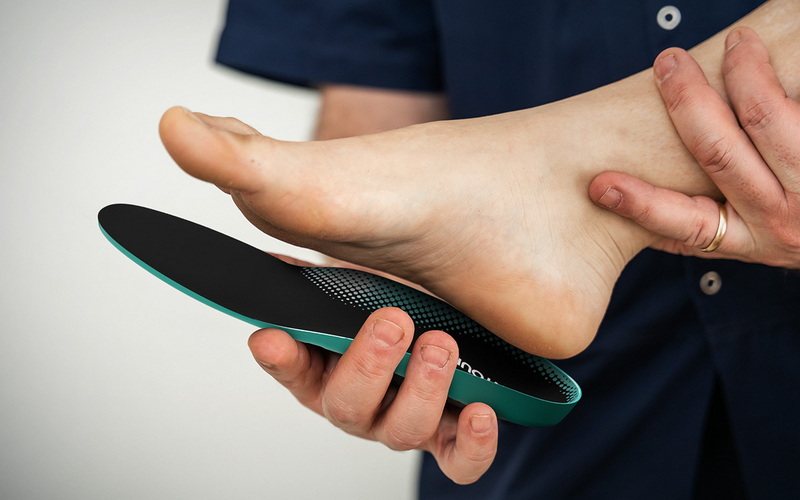
Not every skier requires a very tall or aggressive arch, but almost everyone benefits from more structure than a flat stock insole provides. The goal is gentle, supportive contact under the arch that matches your foot, not a rigid wedge that forces a new shape.
Yes. If the insole pushes too firmly into the arch, it can cause burning, cramping, or numbness in the mid‑foot and even increase pressure on the top of the foot by lifting it into the shell. When this occurs, a lower‑profile or more flexible arch design is usually more suitable.
Heat‑moldable insoles can be very effective because they adapt to your arch and heel contours, providing even contact and fewer hotspots. Their performance still depends on starting from a sound design with an appropriate arch height, but molding helps fine‑tune the fit to your feet.
Most active skiers should consider replacing insoles every one to several seasons, depending on usage intensity, body weight, and insole quality. Signs it is time to change include visible compression, loss of arch shape, increased movement in the boot, and more frequent foot fatigue.
Ski insoles are engineered for rigid shells, forward‑lean stance, and cold environments, so they emphasize thin yet firm support, heel stability, and precise energy transfer. Everyday arch supports used in running or walking shoes usually focus more on cushioning and flexibility than on the high‑precision control required in ski boots.


