
Language


Content Menu
>> Common Types of Shoe Insoles
>> Why Cutting Insoles Matters
● Tools You'll Need to Cut Insoles for Shoes
● Step-by-Step Guide: How To Cut Insoles for Shoes
>> Step 1: Remove Existing Insoles
>> Step 2: Compare and Align the New Insoles
>> Step 5: Test Fit the Insole
● Tips for Cutting Insoles Accurately
● How To Cut Insoles for Different Shoe Types
>> Dress Shoes
>> Boots
>> Casual or Everyday Sneakers
● Maintaining and Caring for Your Shoe Insoles
● Advantages of Customized Shoe Insoles
● When To Replace Instead of Cut
>> 1. How do I know if my insoles are too big?
>> 2. Can I cut gel insoles the same way as foam ones?
>> 3. Should I cut both insoles at the same time?
>> 4. Is it okay to use old insoles as templates?
>> 5. How many times can I trim an insole before it's ruined?
Finding the perfect fit for your shoes often comes down to one small but critical detail — the shoe insoles. Whether you've purchased new shoe insoles that don't quite fit your footwear or want to replace old ones, cutting them properly ensures maximum comfort and support. Knowing how to cut insoles for shoes the right way can make a huge difference in how your shoes feel and perform throughout the day.
In this comprehensive guide, we'll walk you through every step of the process — from understanding shoe insole materials to trimming techniques, product maintenance, and fitting. Let's get started.

Shoe insoles are removable inserts placed inside shoes to provide comfort, stability, and proper alignment for your feet. They can serve multiple functions depending on the type of footwear and the user's needs.
- Comfort Insoles – Made with soft foams or gels to provide extra cushioning for all-day wear.
- Support Insoles – Reinforced insoles that promote foot alignment and reduce fatigue, often featuring arch or heel support.
- Orthotic Insoles – Custom or semi-custom options designed to correct biomechanical foot issues or provide medical-grade support.
- Thermal or Winter Insoles – Designed to keep feet warm and insulated in cold environments.
- Athletic Insoles – Specifically built for sports performance, shock absorption, and moisture control.
Shoe manufacturers design every shoe differently, even within the same size range. That's why a “size 9” in one brand may not perfectly fit a “size 9” in another. Pre-made shoe insoles often come in larger sizes with cutting guidelines so that users can customize them to fit their footwear precisely.
A properly cut insole prevents bunching, curling, or slippage inside the shoe. It also helps reduce friction, blisters, and pressure points — key factors that affect comfort and longevity of wear.
Cutting shoe insoles may sound simple, but using the right tools ensures accuracy and prevents damage. Gather the following items before you start:
- A pair of sharp scissors or craft knife
- Your existing shoe insoles (to use as a size template)
- A pencil or marker for tracing outlines
- A flat clean surface for safe cutting
- Ruler or measuring tape (optional, for added precision)
Note: Always cut cautiously. Rushing the process can result in uneven edges or over-trimming, which may render the insole unusable.
Cutting shoe insoles correctly involves precision, patience, and attention to detail. Follow the step-by-step guide below for the best results.
Take out the original insoles from your shoes if they are removable. These will serve as your size reference. If your shoes don't have removable insoles, measure the inside of the shoe using a ruler or by tracing its inner sole on a piece of paper.
Place the new insole flat on a clean surface. Align your old insole on top of it, matching the heel sections closely. The heel alignment ensures that your new insole fits snugly in the shoe without affecting balance or toe room.
Using a pencil or marker, carefully trace along the edge of your old insole onto the new one. This outline marks where you'll trim. Keep your grip stable — accuracy here ensures comfort later.
With sharp scissors, cut slowly along the traced line. Start from the toe area and move toward the heel for smoother control. If you're using a craft knife, cut on a safe surface like a cutting mat.
Pro tip: Always cut slightly outside the traced line first. It's easier to trim more if needed than try to fix an overly short insole.
Insert your new insole into the shoe and check the fit. There should be no bunching or folding. If it feels too tight, remove it and trim tiny additional sections from the toe area until it fits perfectly.
Once satisfied, repeat the trimming for the second insole. Make sure both are symmetrical and comfortable. Smooth the edges with scissors or gentle sanding if they feel rough.
Now your shoe insoles are correctly cut and ready to improve your walking comfort and stability.
Here are a few extra tips that can help achieve professional-level results when adjusting shoe insoles:
- Always use sharp scissors to prevent jagged edges. Dull blades can tear foam or fabric layers.
- Mark lightly if you plan to reuse or adjust the insoles again — avoid thick or permanent markings.
- Cut gradually. Removing too much at once may ruin the fit. Work in small increments.
- Test with socks. The thickness of your socks affects how the insoles fit inside your shoes.
- Work on a flat surface for maximum control and safety.
While the general steps remain similar, here are a few specific considerations for different types of footwear.
Athletic shoes often have precise arch and heel designs, so focus on maintaining the contours of the insole. Cutting too much from the toe area may affect balance or traction.
For formal leather shoes or heels, thinner and sleeker shoe insoles work best. Trim carefully so they don't shift inside or make the shoes feel tighter.
Boots typically have deeper cavities, so choose thicker insoles for warmth and cushion. You may not need to cut much from the heel area since boots are more forgiving in fit.
Sneakers vary widely in size and design, so check both the toe length and width closely. Always test your insole after each adjustment.
Cutting your shoe insoles is just part of the process. Proper maintenance extends their lifespan and hygiene.
- Remove insoles regularly and air them out after wearing.
- Spot-clean using mild soap and water; avoid soaking.
- Let insoles air dry completely before reinserting them into your shoes.
- Avoid heat or direct sunlight, which can warp foam materials.
Even high-quality insoles wear down over time. Replace them every 6–12 months depending on usage, activity level, and material type. If you notice compression, odor, or cracking, it's time for a new pair.
Cutting your own insoles might seem simple, but it brings several important benefits:
- Perfect Fit: Customized trimming ensures compatibility with your shoe's internal structure.
- Improved Comfort: Eliminate gaps, folds, or sliding that cause discomfort.
- Extended Shoe Life: Reduced internal friction helps maintain the shoe's original shape.
- Better Hygiene: Freshly fitted insoles improve breathability and odor control.
- Enhanced Support: Tailored insoles can complement your gait and posture.
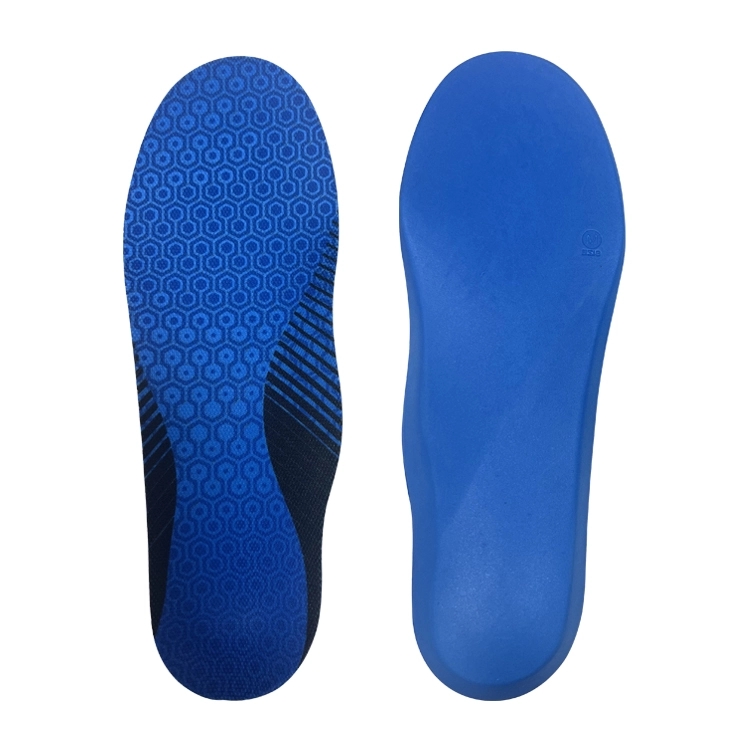
When trimming shoe insoles, even small errors can lead to poor fit or discomfort. Avoid these frequent pitfalls:
- Cutting too much material at once.
- Ignoring heel alignment.
- Using dull or uneven cutting tools.
- Failing to check fit after each trimming.
- Forgetting to match the pair for balance and symmetry.
A good rule of thumb: “Measure twice, cut once.”
Sometimes, the issue isn't size — it's condition. If your current shoe insoles show deep cracks, worn padding, or odor buildup, replacement is a better choice than reshaping.
New insoles provide the support and cushioning your feet deserve, while trimming old ones may not restore their original comfort.
Always handle scissors or knives carefully when preparing to cut shoe insoles. Place them on a stable surface, keep your hands clear of the cutting edge, and store tools safely after use. This attention to safety ensures a smooth DIY process and prevents injury.
Learning how to cut insoles for shoes is a valuable skill for anyone who values comfort, precision, and foot health. With a few simple tools and careful steps, you can transform any pair of factory-cut shoe insoles into perfectly fitted inserts that support your daily activities.
Custom-fitting your insoles helps improve posture, enhance comfort, reduce fatigue, and extend the lifespan of your footwear. Whether you're trimming insoles for athletic shoes, dress shoes, or boots, accuracy and patience are key. Treat your insoles as essential comfort gear — not afterthoughts.
Contact us to get more information!
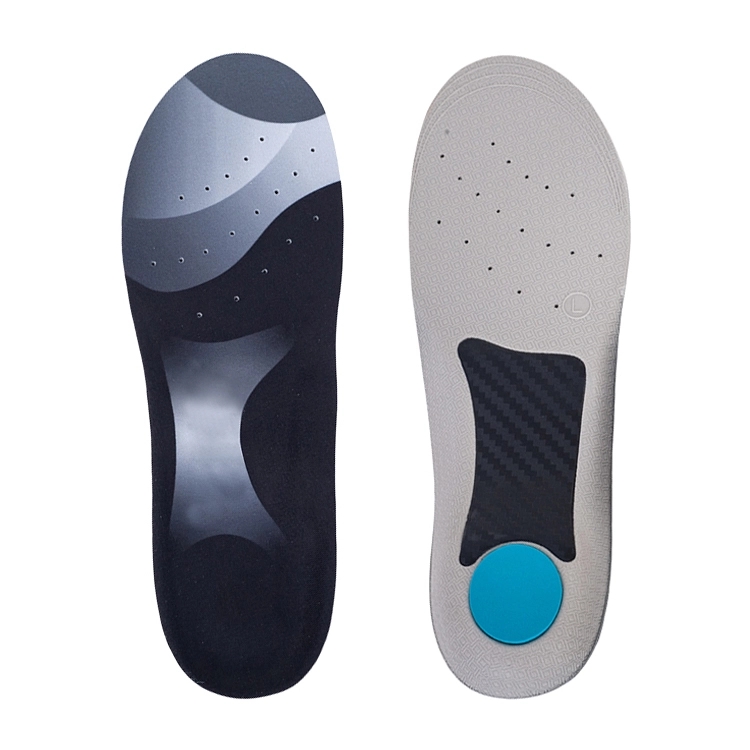
If your insoles curl upward at the toe or heel or cause the shoe to feel tight, they're likely too large. Trimming them slightly along the toe area usually solves the issue.
Yes, but use extra care. Gel insoles are thicker and may require a sharp utility knife instead of scissors. Always cut slowly and test fit frequently.
No. Cut and test one insole first, then use the correctly trimmed piece as a template for the other. This ensures perfect symmetry between both feet.
Absolutely. Old insoles provide the most accurate reference for your shoe's shape. Just make sure they haven't warped from heavy use before tracing.
Realistically, you can make minor adjustments two or three times. After that, edge integrity and comfort begin to degrade. It's often better to replace rather than over-trim.


