
Language
Views: 222 Author: Edvo Publish Time: 2026-02-22 Origin: Site


Content Menu
● Why Disinfecting Shoe Insoles Matters
● Identifying When Shoe Insoles Need Disinfecting
● Step-by-Step Guide: How To Disinfect Shoe Insoles
>> 2. Brush Away Debris and Dirt
>> 3. Prepare a Cleaning Solution
>> 5. Disinfect with Natural Agents
>> 8. Apply Disinfecting Spray (Optional)
● Advanced Disinfection Techniques
>> Machine Washing Precautions
● How Often Should You Disinfect Shoe Insoles?
● Tips To Keep Shoe Insoles Fresh Longer
● How Manufacturers Ensure Hygiene in Shoe Insoles
● Environmentally Friendly Disinfection Tips
● FAQ About Disinfecting Shoe Insoles
>> 1. How often should I replace shoe insoles?
>> 2. Can I wash shoe insoles in a washing machine?
>> 3. Are vinegar and baking soda safe for all insole types?
>> 4. What's the best way to remove bad odor from insoles?
>> 5. How can manufacturers make antibacterial shoe insoles?
Keeping your shoe insoles clean and disinfected is essential for both hygiene and comfort. Over time, moisture, sweat, and bacteria build up inside shoes, leading to unpleasant odors and potential foot infections. Whether you're a consumer seeking to keep your shoes fresh or a brand sourcing OEM shoe insoles, understanding how to properly disinfect them can help extend their lifespan and protect foot health.
Shoe insoles come in direct contact with the sole of your foot, which naturally sweats during daily activities. This moisture creates a warm, damp environment—an ideal breeding ground for bacteria and fungi such as Staphylococcus, Candida, and Trichophyton. Disinfecting insoles isn't just about eliminating odors; it's about preventing issues like athlete's foot, toenail fungus, and skin irritation.
For manufacturers and wholesalers, ensuring your shoe insoles are easy to clean and resistant to microbial growth is a competitive advantage. Clean, fresh insoles improve user experience, which directly reflects product quality and brand reliability.
Before learning how to disinfect, it's useful to know when it's necessary. Here are signs that your insoles could use a deep cleanse:
- A persistent, unpleasant odor even after airing out.
- Visible discoloration or staining.
- Dampness that lingers after wearing.
- Itchy or irritated feet after use.
- A musty smell when shoes are stored.
If these signs appear, it's time to disinfect the shoe insoles thoroughly. Regular cleaning—at least once every two weeks for frequently worn shoes—helps prevent the buildup that leads to odor and infection.
Different materials require different cleaning methods. Start by checking the insole type—foam, gel, leather, or fabric—before choosing your approach.
Always take out the insoles before cleaning to ensure complete access to both sides. This prevents moisture from getting trapped inside the shoe and speeds up drying.
Use a dry, soft brush or an old toothbrush to remove dirt, dust, and lint. This prepares the surface for a more effective disinfection process.
Mix warm water with a mild detergent or antibacterial soap. For stronger disinfecting power, add a few drops of white vinegar or rubbing alcohol. Avoid harsh chemicals like bleach, which may damage the surface or affect color stability.
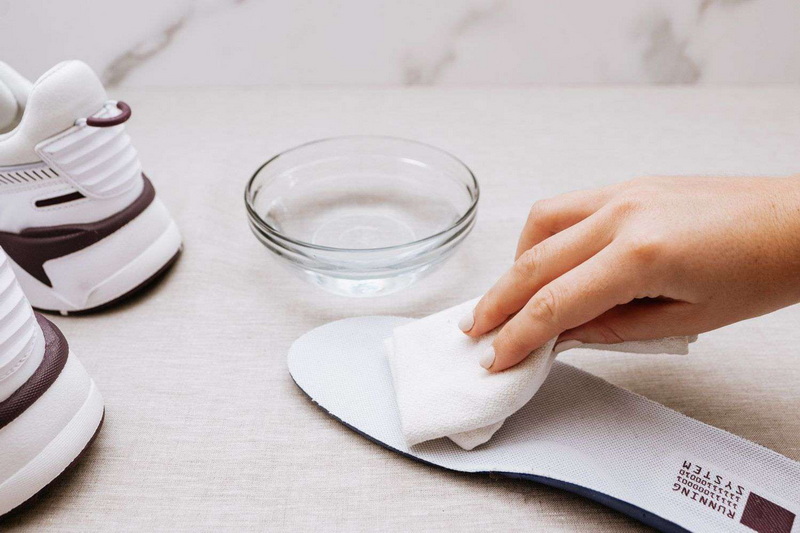
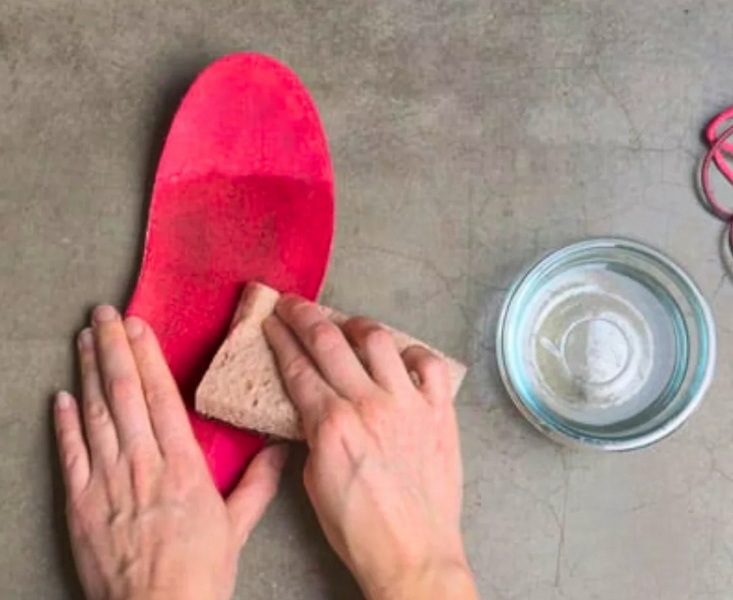
Dip a cloth or sponge into the solution and scrub the shoe insoles gently. Focus especially on heel and toe areas where sweat accumulates. For heavily soiled insoles, let them soak in the solution for 10–15 minutes before rinsing.
You can kill bacteria naturally using household ingredients:
- White vinegar: Mix one part vinegar with one part water. Spray lightly on both sides.
- Baking soda: Sprinkle and leave overnight to neutralize odors.
- Tea tree oil: A few drops mixed with warm water work as a natural antiseptic.
Use a clean, damp cloth to remove soap or residue. Leaving detergent behind can cause skin irritation.
Let the shoe insoles air dry naturally in a well-ventilated area. Do not place them in direct sunlight or under strong heat sources, as high temperatures can deform the material.
Once dry, use an antifungal or antibacterial spray for extra protection. This is especially useful for sports shoes or work boots used in humid environments.
For factories, brands, or bulk users, professional cleaning or antimicrobial processing can significantly improve hygiene performance.
UV light is effective for killing up to 99.9% of bacteria and fungi. Several OEM shoe insole manufacturers integrate UV systems during production to pre-disinfect insoles before packing.
Modern shoe insoles can be coated with silver ions, copper, or zinc-based materials that continuously inhibit bacterial growth. These coatings offer long-term protection and reduce the need for frequent disinfection.
Some insoles are machine-washable, but always check the product label. Use a laundry bag and select a gentle cycle with cold water. Avoid tumble drying—air drying ensures shape retention.
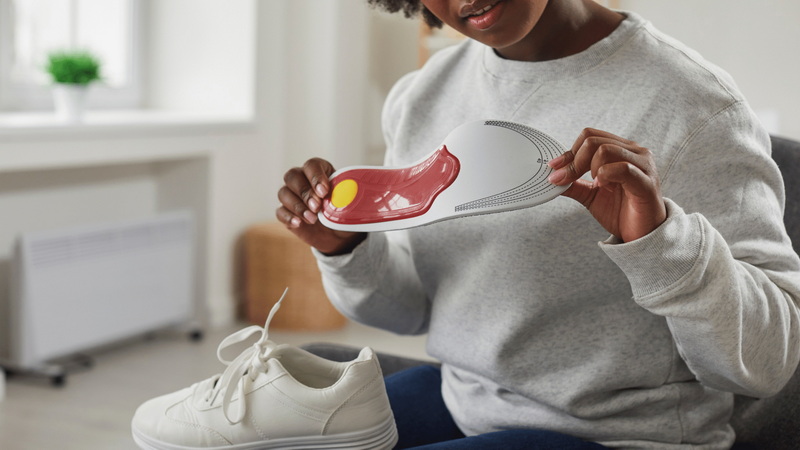
For everyday use, disinfecting your shoe insoles once every two to three weeks is adequate. However, if you sweat heavily or wear the same pair daily, do it weekly. Athletes and workers in hot climates should disinfect more frequently to prevent bacterial buildup.
Consistency is more important than intensity. Light, regular cleaning produces better long-term results than occasional, harsh scrubbing.
Simple habits can help maintain freshness between disinfections.
- Rotate shoes: Give each pair a day off to dry completely.
- Use deodorizing powders: Baking soda or specialized shoe powders absorb sweat.
- Store shoes in a dry place: Avoid dark, enclosed areas that trap moisture.
- Wear clean socks: Synthetic or moisture-wicking materials reduce bacterial transfer.
- Replace insoles regularly: Depending on usage, change them every 3–6 months.
These preventive measures reduce microbial growth, extending the usable life of your shoe insoles.
As a leading OEM shoe insole manufacturer in China, we integrate quality materials and modern hygienic processing during production. Each insole type—foam, EVA, gel, leather, and orthotic—is tested for moisture resistance and antibacterial effectiveness.
During manufacturing, disinfection and odor-control treatments are applied to ensure the insoles remain clean even during long-distance shipping. This approach enhances user safety and confidence, helping global brands meet both comfort and hygiene expectations.
Sustainability is increasingly vital in today's footwear industry. You can disinfect your shoe insoles safely without harming the environment by following these green methods:
- Use biodegradable detergents with natural antibacterial ingredients.
- Avoid chemical sprays containing alcohols or formaldehyde.
- Reuse rinsing water for cleaning other footwear.
- Opt for insoles made of recyclable or antimicrobial materials.
By combining eco-friendly habits with regular cleaning, both consumers and manufacturers contribute to sustainable hygiene.
When disinfecting your shoe insoles, avoid these frequent errors:
- Using boiling water or bleach: Both may break down foam or adhesives.
- Skipping drying: Moisture trapped inside shoes encourages mold.
- Leaving them in sunlight too long: UV and heat can cause cracking.
- Over-spraying disinfectant: Excess liquid may make insoles slippery.
- Ignoring manufacturer guidelines: Always check label instructions before cleaning.
Proper care ensures both durability and hygiene remain balanced.
Disinfecting shoe insoles is not just a matter of odor control—it's essential to maintaining a healthy environment for your feet. With the right approach, you can remove bacteria, eliminate unpleasant smells, and extend the functional life of your insoles. For businesses and brands, investing in high-quality OEM shoe insoles designed for easy maintenance and microbial resistance ensures long-lasting consumer satisfaction.
By adopting regular disinfecting habits and using smart, sustainable cleaning methods, everyone—from daily shoe wearers to international manufacturers—can keep shoes fresher, safer, and more comfortable.
Contact us to get more information!
Generally, replace shoe insoles every 3–6 months depending on usage and foot activity. Frequent use or high-sweat conditions may require earlier replacement.
Some shoe insoles are machine-washable, but always read manufacturer instructions. Use a gentle cycle, cold water, and avoid heat drying to prevent deformation.
Yes, these are natural disinfectants suitable for most shoe insoles, but avoid prolonged soaking for leather or gel types to preserve integrity.
Sprinkle baking soda overnight or spray diluted vinegar to neutralize odors. Regular cleaning combined with proper drying keeps them fresh longer.
Manufacturers add antimicrobial agents like silver ions or copper into insole materials to resist bacterial growth during use and storage.


