
Language


Content Menu
>> Main Functions of Shoe Insoles:
>> Common Types of Shoe Insoles
● Step-by-Step Guide: How To Fit Insoles in Shoes
>> Step 1: Remove the Old Insoles
>> Step 3: Trim the Insoles (If Needed)
● How To Fit Insoles in Different Types of Shoes
>> Dress Shoes
>> Work Boots
>> High Heels or Fashion Shoes
● Common Mistakes When Fitting Shoe Insoles
● Benefits of Properly Fitted Shoe Insoles
● How To Maintain Your Shoe Insoles
>> Cleaning
>> Storage
>> Replacement
● When to Consider Custom Insoles
● Why Fit Matters: The Science Behind Shoe Insoles
>> 1. How often should I replace Shoe Insoles?
>> 2. Can I wash Shoe Insoles in a washing machine?
>> 3. Do I need to remove the factory insole before adding a new one?
>> 4. Are the same Shoe Insoles suitable for all shoe types?
>> 5. What should I do if my insoles move inside the shoe?
Finding the perfect pair of shoes can be difficult, especially when it comes to comfort and support. That's where Shoe Insoles come in — they transform ordinary footwear into a customized comfort experience. However, knowing how to fit insoles in shoes properly is essential to achieve the full benefits they offer. Poorly fitted insoles can cause discomfort, shorten shoe life, or even lead to posture or walking issues.
As a leading insole manufacturer in China providing OEM services for international brands, we understand how important it is to ensure Shoe Insoles fit perfectly. In this guide, we'll walk you through every detail — from choosing the right insole size to trimming, inserting, and maintaining them for long-term comfort.
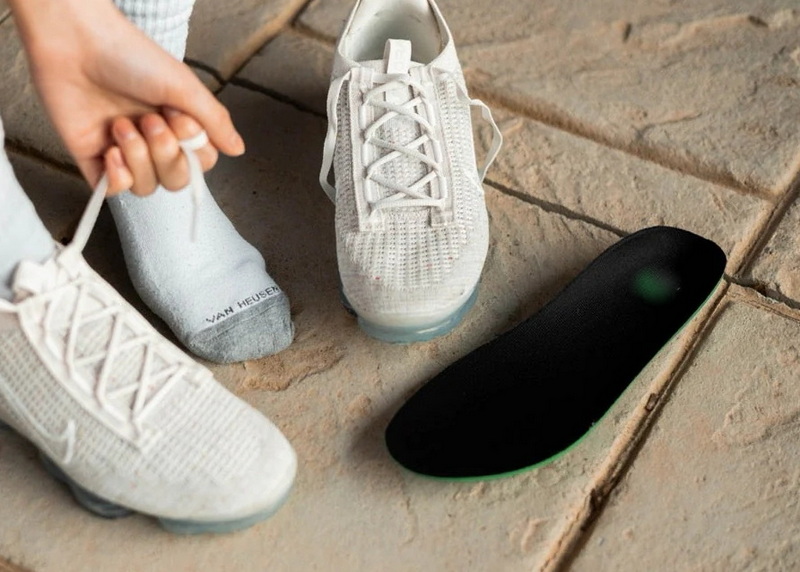
Before fitting them, it's crucial to understand what Shoe Insoles actually are. Insoles are removable inserts placed inside footwear to improve cushioning, support, and fit. They serve various purposes depending on their design and materials.
- Comfort improvement: Add extra cushioning and softness.
- Arch support: Provide stability and correct foot alignment.
- Moisture control: Many insoles include breathable or antibacterial materials.
- Shock absorption: Reduce the impact on the joints during walking or running.
- Corrective alignment: Help with pronation or supination for orthopedic needs.
- Full-Length Insoles: Cover the entire sole, offering overall support.
- 3/4-Length Insoles: Stop just before the toes, allowing more toe room.
- Gel Insoles: Improve comfort and shock absorption for high-impact activities.
- Memory Foam Insoles: Provide personalized comfort by molding to foot shape.
- Orthotic Insoles: Medical-grade designs to correct biomechanical imbalances.
The type you choose determines how you fit them into your shoes.
Fitting Shoe Insoles properly involves several simple but essential steps. Follow these instructions carefully to ensure maximum comfort and performance.
If your shoes already have a built-in or removable insole, take it out. Most footwear comes with a standard manufacturer's liner that can interfere with your new insole's fit. Using two insoles together makes the shoe too tight, so always start with a clean base.
To remove, hold the heel area of your shoe and gently pull the insole from the back to front. Avoid tearing or bending if you plan to reuse it later.
Place your old insole on top of your new Shoe Insole. This allows you to check if the size aligns correctly. If the new insole is longer, you will need to trim it for a perfect fit.
Trimming is common, especially when using full-length insoles. Use scissors to carefully follow the outline of your old insole as a guide. Always cut a little less than needed first — you can trim again, but you can't replace what you've removed.
For best results:
- Cut slowly and evenly from the toe area (never from the heel).
- Test the size after each small adjustment.
- Make sure both left and right insoles match in shape.
Once trimmed, gently slide each Shoe Insole into the shoe. Ensure the heel portion sits firmly in the heel cup and the toe edge lies flat at the front. Smooth out any folds or creases before wearing them.
Put on your shoes and walk around. Pay attention to how they feel — the insole should contour smoothly to your foot and not move inside the shoe. If you feel tightness in the toe box or pressure at the heel, consider trimming again or loosening the laces slightly.
Different shoe categories may require specific approaches when fitting Shoe Insoles. Below are useful guidelines for common styles.
Athletic or running shoes often have removable insoles, making replacements simple. Choose high-performance or gel-based Shoe Insoles that absorb shock and improve energy return. Ensure they stay secure during motion by checking the insole's grip on the shoe's midsole.
Dress shoes are narrower and less flexible than sports footwear. Use thin, low-profile insoles that won't crowd the shoe. Trim precisely to maintain elegance and ensure comfort during long wear hours.
For industrial or safety footwear, durability and arch support matter most. Opt for heavy-duty insoles with extra cushioning under the heel. Make sure they don't shift even with prolonged standing or walking on hard surfaces.
Sneakers accommodate most insole types, giving you flexibility in comfort. Memory foam or breathable Shoe Insoles are ideal for everyday use, especially for those who walk long distances.
Select specialty insoles designed for pressure redistribution. They often come in partial or targeted pads rather than full-length insoles to fit narrow, curved interiors.
Even though fitting Shoe Insoles seems simple, small mistakes can cause discomfort. Here are frequent errors to avoid:
- Not removing the original insole: Leads to tightness and poor ventilation.
- Over-trimming: Can cause the insole to shift or fail to stay in place.
- Using mismatched sizes: Always match the insole with your shoe size range.
- Ignoring arch shape: Insoles come in flat, medium, or high-arch designs.
- Skipping tests: Always walk in them indoors first before wearing outdoors.
Avoiding these errors ensures long-lasting comfort and optimal performance.
When your Shoe Insoles fit correctly, they enhance both comfort and health. Below are some key advantages:
- Better posture and gait alignment.
- Reduced fatigue, especially for people standing for long periods.
- Improved shock absorption, minimizing joint strain.
- Extended shoe lifespan, since even pressure prevents sole damage.
- Personalized comfort, tailored to your exact foot shape.
For athletes, well-fitted insoles can even improve balance and performance by stabilizing foot positioning during movement.
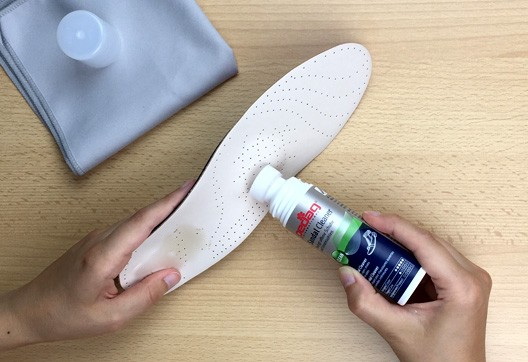
To get the most from your Shoe Insoles, regular maintenance is crucial.
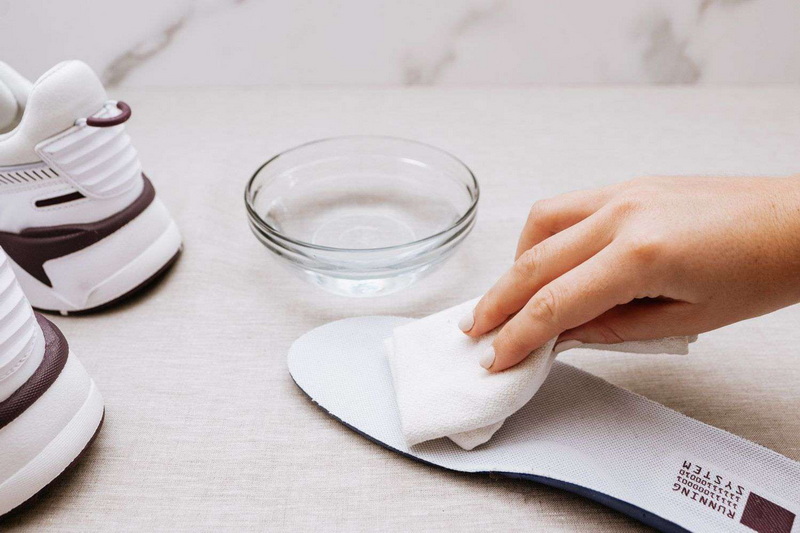
Remove the insoles weekly and wipe them with a damp cloth. For sweat or odor build-up, use mild soap and let them air dry.
When not in use, store your insoles in a cool, ventilated place. Avoid direct sunlight or heat sources that could warp the materials.
Even the best Shoe Insoles wear down over time. Replace them every 6–12 months depending on usage frequency. Signs like reduced cushioning, odor retention, or curling edges indicate it's time for renewal.
Sometimes standard insoles don't provide enough support, especially for individuals with flat feet, overpronation, or chronic foot pain. In such cases, custom Shoe Insoles made through professional scanning and molding are ideal.
As an experienced OEM insole manufacturer, we recommend discussing with a podiatrist or orthopedic specialist to assess your needs. Custom insoles enhance long-term comfort and body balance, especially in professional or high-impact footwear.
Foot comfort isn't only about softness — it's a matter of biomechanics. Every step generates impact that travels from your feet to your knees and hips. Properly fitted Shoe Insoles distribute this pressure evenly, improving body alignment and reducing stress on joints.
In fact, research shows correct insole fit can:
- Decrease plantar pressure by up to 30%.
- Improve energy efficiency during walking.
- Prevent injuries linked to overuse or poor posture.
The science is clear: fit your insoles properly, and your whole body benefits.
Knowing how to fit insoles in shoes correctly can completely transform your footwear experience. Whether you're an athlete, office worker, or someone who spends long days on your feet, the right Shoe Insoles make a significant difference. Always remove old liners, trim carefully, and test fit before long wear. Maintain your insoles regularly, replace them when needed, and you'll enjoy better comfort, stability, and performance every day.
Well-fitted Shoe Insoles are not a luxury — they are an investment in your daily comfort and health.
Contact us to get more information!
Most Shoe Insoles should be replaced every 6–12 months depending on usage, activity level, and material quality. Heavy users like runners may need new ones sooner.
No, machine washing can damage the structure of Shoe Insoles. Instead, clean them gently with warm water, mild soap, and air dry completely.
Yes, always remove the original insole before inserting new Shoe Insoles. This prevents overcrowding and ensures a snug, proper fit.
Not necessarily. Work boots, sports shoes, and dress shoes each need specific insole designs for optimal performance and comfort.
If Shoe Insoles slip, try placing double-sided tape at the heel area or choose insoles with an anti-slip bottom surface.


