
Language
Views: 222 Author: Edvo Publish Time: 2026-01-04 Origin: Site


Content Menu
>> The Anatomy Behind High Arches
>> How High Arches Affect Mobility
● Why Insoles Matter for High Arches
>> Shock Absorption and Cushioning
● Key Features to Look for in Insoles for High Arches
>> 2. Firm Yet Responsive Cushioning
>> 4. Breathable and Antimicrobial Fabric
>> 5. Proper Thickness and Fit
>> 6. Durability and Retention
● Types of Insoles for High Arches
>> Athletic Performance Insoles
>> Cork or Carbon Fiber Insoles
● How to Select the Right Insoles for High Arches
>> Step 1: Understand Your Foot Mechanics
>> Step 2: Evaluate Your Lifestyle
>> Step 3: Match Shoe Category
>> Step 5: Replace Periodically
● Additional Tips for Care and Maintenance
● How Insoles Improve Daily Life
● Common Mistakes When Choosing Insoles
● FAQs About Insoles for High Arches
>> 1. What causes high arches?
>> 2. Can insoles permanently correct high arches?
>> 3. How long do high arch insoles last?
>> 4. Are custom orthotics worth the cost?
>> 5. Can I use high arch insoles in all shoes?
People with high arches—known medically as pes cavus—often experience unique discomforts, including foot instability, intense pressure on the heels and forefoot, and reduced shock absorption. When the arch of your foot is unusually high, the middle part of your sole barely touches the ground, concentrating pressure on the balls and heels. Over time, this imbalance can lead to pain that extends beyond your feet, affecting your knees, hips, and even spinal alignment.
Whether you're an athlete, a worker who spends hours on your feet, or simply someone who values comfort and stability, choosing the right arch insole can dramatically impact your overall well-being. In this article, we'll answer the question: Which insoles are best for high arches? We'll explore what causes high arches, why proper support matters, the types of insoles designed for them, and expert advice on selecting and maintaining the right pair.
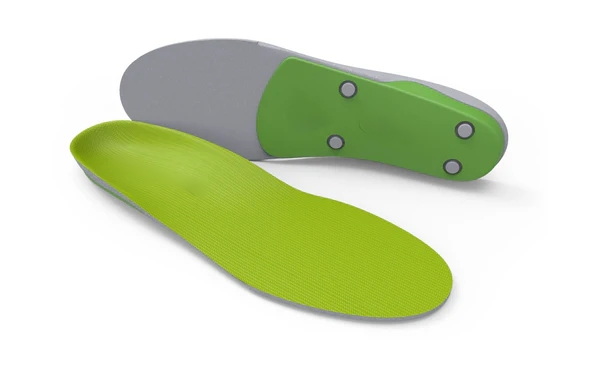
High arches occur when the foot's natural curve is excessively elevated, causing an uneven distribution of body weight. This structure leads to increased stress on certain areas of the foot and weakens its ability to absorb shock. The condition can be genetic or result from neurological issues that affect muscle balance in the foot. While high arches are less common than flat feet, the discomfort they cause can be just as significant.
Because the foot makes less surface contact with the ground, it doesn't cushion impacts effectively during walking or running. People with high arches may notice their shoes wear out unevenly, especially around the heel and toe. The reduced stability can also lead to ankle sprains, plantar fasciitis, and even knee injuries due to improper alignment.
- Persistent heel or arch pain after standing or walking.
- Pressure points near the ball of the foot or heel.
- Frequent ankle turning due to instability.
- Foot fatigue after short periods of activity.
- Calluses forming under the toes or arch.
If you experience several of these symptoms, supportive insoles can bring measurable relief almost immediately by restoring balance and cushioning.
Properly designed insoles provide a foundation that restores natural movement. A contoured insole fills the gap under your arch, ensuring more even pressure distribution and minimizing strain on joints.
Without effective shock absorption, the sudden impact of walking or running transfers directly to your spine and lower legs. Insoles equipped with multi-layer cushioning systems, such as memory foam combined with gel, reduce these impacts and protect your body from fatigue.
For those who walk on hard surfaces daily or engage in physically demanding work, insoles improve both stability and safety. A deep-heel cup locks the heel in place, enhancing body balance and preventing ankle rolling—a common issue for high arch types.
Sustained misalignment can lead to chronic problems such as shin splints, tendonitis, and lower back pain. Using arch-support insoles doesn't merely improve comfort; it actively reduces stress on the skeletal system, preserving joint health and posture over time.
Choosing an insole for high arches is not a one-size-fits-all process. Quality, material, flexibility, and design all contribute to overall performance. Consider the following aspects before purchasing:
Soft cushioning alone is not enough. For high-arched feet, structured arch support is essential to fill the gap under the foot and keep your body weight evenly distributed. Look for contoured insoles that mirror the natural shape of your feet.
Ideal insoles combine firmness for stability and softness for comfort. Materials like EVA foam, memory foam, and gel composites deliver the balance needed for everyday walking or athletic use.
The heel is the first area that absorbs impact when you walk. A deeper cup stabilizes your foot's rear section, guiding proper motion from heel strike to toe-off.
Because moisture can cause odors and skin irritation, choose insoles made with breathable mesh or anti-odor fabric linings. Some models include activated charcoal or bamboo fiber coatings to keep your feet dry and fresh all day.
Too thick insoles can make shoes tight, while overly thin ones may provide inadequate support. Selecting a trim-to-fit design allows you to customize the insole precisely to your shoe type—whether sneakers, boots, or dress shoes.
Over time, repeated compression can flatten and weaken lower-quality insoles. To ensure long-lasting performance, choose designs that maintain elasticity and contour even after extensive wear.
Not all insoles serve the same purpose. Certain models cater to work environments, others to sports, or formal wear. Here's a closer look at what's available:
Orthotic insoles are medically engineered to stabilize and correct foot posture. They provide the strongest level of arch support and are ideal for severe pain or long-standing foot conditions. Though more expensive, orthotics deliver targeted alignment and endurance, making them perfect for extended daily wear.
Gel insoles emphasize shock absorption, distributing impact evenly across the foot. They are especially beneficial for professions involving long-standing hours. The gel pocket around the heel and forefoot adds comfort, making them suitable for everyday use as well.
Memory foam insoles adapt to your foot's shape, providing a personalized feel. They contour naturally over time, supporting your arches while reducing stress points. These are great for casual use and walking shoes.
Leather blends durability and breathability, offering solid orthotic support for business or formal shoes. While firmer than foam, they maintain structural integrity for months of frequent use, preventing slippage within footwear.
Runners, cyclists, and gym enthusiasts benefit from insoles that offer energy return and flexibility. Athletic models support shock absorption during quick movements and provide lateral stability, reducing injury risks during activities that require speed and agility.
For those seeking eco-friendly or high-durability options, cork and carbon fiber provide long-lasting hardness and shape retention. These are excellent for users who prefer solid frameworks without too much cushioning but need arch elevation.
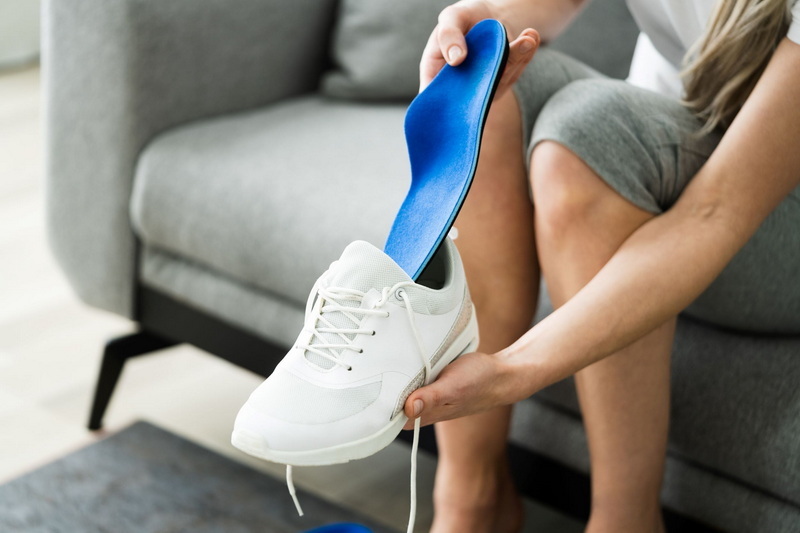
The first step is acknowledging how your feet move. If your arches are high, your pronation (foot roll) tends to be limited. Choosing an insole that balances this motion ensures smoother walking mechanics and less strain on muscles.
Consider when and where you plan to wear the insoles. For instance, industrial workers need extra durability, while athletes prioritize responsiveness. If you spend hours on concrete floors, extra cushioning around the heel is crucial.
Insoles for running shoes differ from those for dress shoes. Always match the insole thickness and material to the type of footwear—some shoes require thinner foam to preserve interior space.
After inserting the insole, make sure your heel sits snugly without sliding. The arch should feel supportive, not rigid. If discomfort occurs, test multiple types until you find your ideal combination of structure and comfort.
Even premium insoles lose their elasticity after months of use. Replacing them regularly ensures ongoing protection for your joints and muscles. Generally, heavy users should change insoles every six months.
- Clean gently using mild soap and air dry completely before reuse.
- Avoid direct heat such as dryers or radiators; high temperatures weaken foam and adhesives.
- Rotate between pairs if you use insoles daily in different shoes.
- Inspect for wear—flattened arch areas or cracked heel cups signal replacement time.
- Store in a ventilated place to prevent odors and moisture buildup.
High-arched individuals often underestimate how much proper insoles improve their quality of life. Once properly fitted, they notice:
- Reduced soreness after long work shifts or workouts.
- Better shoe stability, especially when walking on uneven terrain.
- Minimal pressure on toes and fewer calluses.
- Improved body alignment, leading to less fatigue overall.
In the long term, these benefits also enhance mobility in aging adults and prevent irreversible joint stress.
Even with good intentions, many people make avoidable mistakes. To ensure you get the maximum value, avoid these pitfalls:
1. Picking soft cushioning only: Comfort without support leads to quicker fatigue. Choose balanced firmness.
2. Ignoring shoe type: Thick insoles may not fit tight shoes correctly.
3. Skipping break-in periods: Insoles often need a few days for your feet to adapt naturally.
4. Overlooking material flexibility: Hard insoles may feel uncomfortable during extended use if not designed correctly.
5. Using worn-out insoles too long: Degraded insoles can actually harm posture more than no insole at all.
High arches create specific biomechanical challenges, but the right insole can completely transform foot comfort and stability. Whether you prefer a soft memory foam for cushioning, a firm orthotic for structural alignment, or a hybrid gel-foam design for versatile support, the key is balance—support for your arch, padding for your stride, and stability for your ankle.
Building a sustainable habit of using quality insoles reduces pain, improves posture, prevents injuries, and enhances overall mobility. If you have high arches, investing in the right pair today is not a luxury—it's an essential step toward lifelong foot health and comfort.
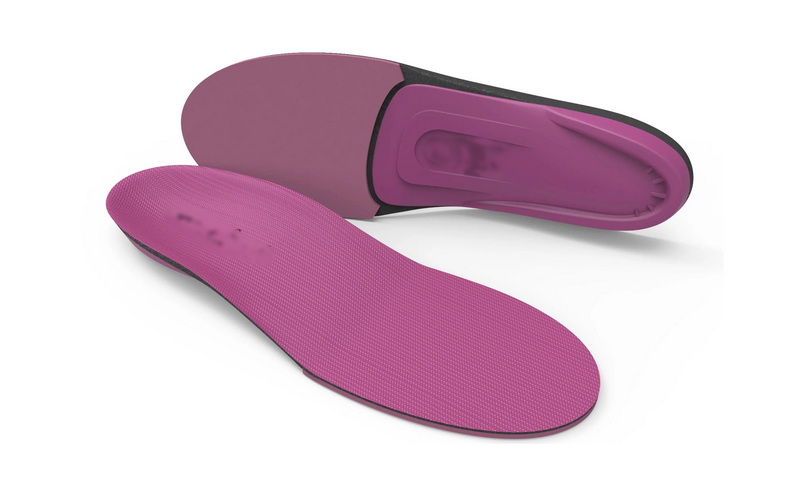
High arches are often hereditary but can also result from muscle or nerve conditions that alter foot structure. Lifestyle factors rarely cause them, though prolonged strain without support can worsen symptoms.
No. Insoles do not reshape bone structure, but they do help realign the foot during movement, improving comfort, balance, and reducing pain.
Depending on usage and material quality, they typically last from six months up to one year. Heavy activity levels may shorten their lifespan due to compression and wear.
Yes, if you have chronic pain or significant high arch deformities. Custom orthotics provide personalized correction, though pre-made insoles usually offer sufficient support for most users.
Most can fit into sneakers, walking shoes, or boots. However, for formal or tight shoes, trim-to-fit or low-profile insoles are more appropriate.


