


Content Menu
● When Wedge Insoles Count as Orthotics
● When Wedge Insoles Are Not Orthotics
● Common Types of Wedge Insoles
>> Heel Wedges and Full-Length Wedges
● Biomechanics: How Wedge Insoles Work
● Conditions That May Benefit from Wedge Insoles
>> Pronation and Supination Problems
>> Knee Discomfort Related to Alignment
>> Foot Fatigue and Postural Strain
● Materials and Construction of Modern Wedge Insoles
● Off-the-Shelf vs Custom Orthotic Wedges
● Fitting and Using Wedge Insoles Correctly
● Everyday Wear and Footwear Compatibility
● Care, Maintenance, and Replacement
● Why OEM Wedge Insoles Are Attractive for Brands
● How a Chinese OEM Manufacturer Adds Value
● FAQ
>> 1. Are wedge insoles the same as custom orthotics?
>> 2. Can wedge insoles help with overpronation?
>> 3. Do wedge insoles work for knee problems?
>> 4. Can I put wedge insoles in any shoes?
>> 5. How long do wedge insoles last before replacement?
Wedge insoles are a specialized type of in-shoe support designed to tilt the foot and adjust alignment, and in many situations they function as orthotic insole devices. In practice, they sit at the intersection between simple comfort inserts and fully custom orthotics, offering targeted biomechanical correction without the complexity and cost of prescription devices.
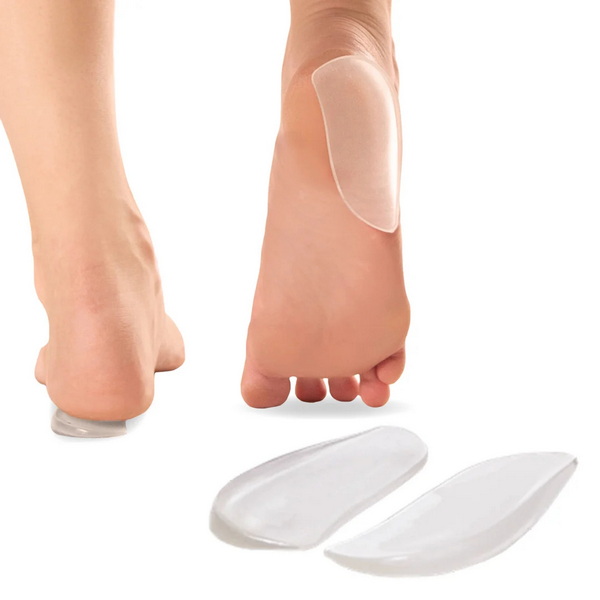
Wedge insoles are inserts with one side thicker than the other, creating a gentle angle under the heel, forefoot, or the entire length of the foot. This angled structure changes how the foot contacts the ground and how forces travel up through the ankle, knee, and hip.
Unlike flat cushioning inserts that only provide softness, wedge designs actively influence the way the foot rolls inward or outward during walking and running. By shifting pressure from one side of the foot to the other, they help address common alignment problems and related discomfort.
Orthotics are devices placed inside footwear to support, correct, or improve the function of the feet and lower limbs. They can be simple prefabricated inserts or fully custom devices made from a 3D impression of the patient's foot.
High-level goals of orthotics include:
- Guiding the foot into a more efficient position
- Reducing stress on joints, tendons, and ligaments
- Improving comfort and stability during daily activities and sports
Orthotics often combine several elements: arch support, heel cups, forefoot pads, and wedge components. Wedge insoles can be considered one of these corrective elements when used with a clear biomechanical purpose.
Wedge insoles qualify as orthotic devices when they are used to correct or control foot and leg mechanics rather than just to add cushioning. When a podiatrist or therapist recommends a medial or lateral wedge to change foot position, that wedge is functioning as an orthotic component.
Key reasons they can be viewed as orthotics:
- They modify the angle of the foot relative to the ground.
- They aim to reduce abnormal rotation at the ankle or knee.
- They support a treatment plan for specific musculoskeletal conditions.
In many clinical settings, professionals start with wedge-based adjustments before prescribing complex custom orthotics, especially when the main problem is excessive rolling inward or outward.
Not every wedge-style insert is a true orthotic. Some mass-market products focus mainly on comfort or height without a clear medical or biomechanical purpose.
Situations where wedge insoles are not fully orthotic:
- Fashion wedges designed mainly to add extra lift.
- Very soft, unstructured wedges that compress quickly and do not control motion.
- Generic inserts with minimal guidance on which foot problem they target.
In these cases, they behave more like regular insoles or comfort accessories, even though the shape is angled.
Lateral wedges are thicker on the outer side of the foot. They are often used to:
- Reduce excessive outward tilt of the leg at the knee.
- Help people who roll onto the outside of the foot.
- Rebalance pressure for ankle stability issues.
Medial wedges are thicker on the inner side. They typically aim to:
- Control overpronation, where the foot rolls too far inward.
- Support flat or collapsing arches.
- Improve alignment through the knee and hip for those whose legs rotate inward.
Heel wedges sit only under the rearfoot, focusing on the early phase of each step. Full-length wedges extend under the midfoot and forefoot, influencing the entire gait cycle. Clinicians and brands choose between them according to how much correction and control are required.
When a wedge redirects the foot slightly inward or outward, it changes the line of force passing through the joints. Small angle changes can reduce overload in specific areas, such as the inner knee compartment or certain tendons around the ankle.
Benefits of these changes can include:
- More even pressure distribution under the feet.
- Reduced twisting forces at the knee and hip.
- Smoother, less tiring gait for people with structural imbalances.
This is why wedge insoles are commonly integrated into treatment plans for chronic joint pain and for people with long-standing alignment issues.
- Overpronation: Medial wedges help resist excessive inward collapse, which can aggravate plantar fascia, tibial stress, and knee discomfort.
- Supination: Lateral wedges shift load away from the outer border of the foot, supporting better stability and reducing strain on the lateral ankle.
By changing how the foot contacts the ground, a wedge can decrease stress transferred to certain areas of the knee joint. This approach is often combined with strengthening and stretching exercises for a more complete solution.
People who spend long hours standing or walking often experience fatigue when the foot alignment is suboptimal. A correctly chosen wedge can help:
- Reduce uneven wear on shoes.
- Support a more balanced posture through the lower body.
- Make extended standing more tolerable.
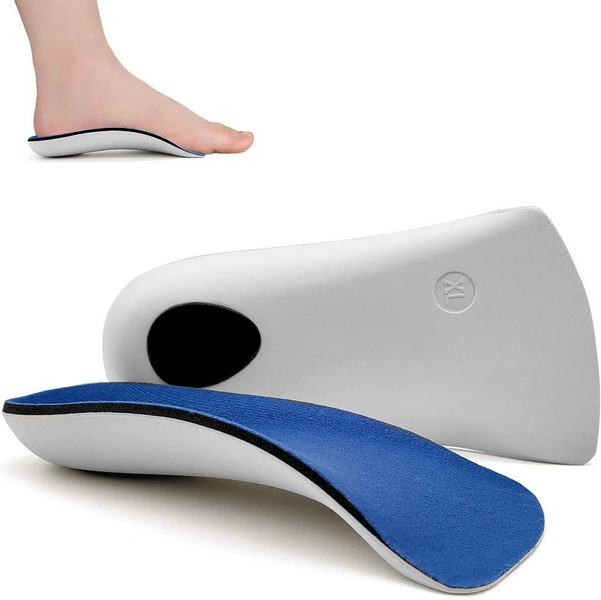
High-quality wedge insoles are typically made from specialized foams and polymers that combine support with comfort. Common materials include:
- Lightweight foams that hold shape and resist collapse.
- High-rebound layers that disperse impact.
- Soft top covers for skin comfort and moisture management.
The wedge angle is built into the rearfoot, forefoot, or full length. Precision cutting and molding ensure that the angle is consistent from pair to pair, which is critical for predictable biomechanical effects. For OEM production, brands can specify hardness, thickness, and top-cover options tailored to their market.
Some wedge insoles are sold as ready-to-wear products with standard sizes and angles. These are easy to distribute through retailers and are often sufficient for mild alignment issues or early-stage discomfort.
Custom wedge orthotics, by contrast, are:
- Designed from a detailed assessment, often using foot scans.
- Tailored to asymmetries between left and right feet.
- Combined with other orthotic features such as arch support and metatarsal pads.
For brands and wholesalers, there is growing demand for premium pre-formed wedges that mimic many benefits of custom devices but at a more accessible price point.
To get the best result from wedge insoles, correct orientation and placement are essential. Key fitting points include:
- Ensuring the thicker edge of the wedge is placed on the intended side of the foot.
- Avoiding excessive wedging that causes new pressure spots or discomfort.
- Matching wedge thickness to the user's shoe volume so that fit remains secure.
Many users benefit from a short adaptation period, gradually increasing wear time over several days. This allows muscles and joints to adjust to the new alignment.
Wedge insoles can be used in a variety of footwear categories, including work shoes, casual sneakers, and sport models. When designing OEM products, it is important to consider:
- Profile height, so the wedge fits in both low-volume and high-volume footwear.
- Flexibility zones, so the insole works with the shoe's natural bend points.
- Slip resistance on the bottom surface, so the wedge stays in place during movement.
For best performance, wedges should be used in shoes with reasonably stable soles and secure uppers. Very soft or worn-out shoes may reduce their corrective effect.
Good maintenance extends the lifespan and effectiveness of wedge insoles. Recommended practices include:
- Regular cleaning with mild solutions and thorough air drying.
- Rotating pairs if used for long shifts, to keep them fresh.
- Inspecting for compression, cracks, or loss of angle that signal it is time to replace them.
Even robust wedge inserts will gradually lose resilience under repeated load, so timely replacement helps maintain the desired level of support and correction.
For international brands, wholesalers, and manufacturers, partnering with a specialized factory for wedge insoles offers several advantages:
- Ability to offer both comfort and functional orthotic-style products under one label.
- Differentiation in markets that increasingly value foot health and performance.
- Flexibility to develop collections tailored to running, hiking, work safety, or medical support.
A mature OEM partner can provide technical guidance on angles, densities, and shapes that best match target users, from athletes to older adults.
As a Chinese wedge insole and footwear insert producer, a factory can deliver:
- Full customization of wedge geometry for different pathologies and footwear categories.
- Multiple material options, from basic foam to high-performance polymers.
- Consistent quality across large runs, essential for global retail and medical channels.
For brand owners, this means the ability to launch complete product ranges that feel and function like orthotics while remaining accessible to everyday consumers.
Wedge insoles do qualify as orthotics when they are specifically designed and used to correct foot and lower limb alignment rather than simply to provide cushioning. By introducing a calculated angle under the heel or forefoot, they can influence gait, redistribute pressure, and ease stress on joints, bridging the gap between ordinary insoles and fully custom orthotic devices. With thoughtful design, correct fitting, and reliable OEM manufacturing, wedge insoles give brands and users a practical way to bring orthotic-style benefits into everyday footwear.
No. Wedge insoles can function as orthotic components, but custom orthotics are built around a detailed assessment of an individual's feet and include multiple corrective features. Wedge inserts are usually simpler and more standardized, although they still offer meaningful biomechanical effects when properly used.
Yes. Medial wedge insoles are commonly used to limit excessive inward rolling of the foot associated with overpronation. By supporting the inner side of the foot, they promote more neutral alignment through the ankle and knee and can reduce related discomfort.
In many cases they can help, especially when knee pain is linked to alignment issues or uneven loading through the joint. By changing how the foot meets the ground, wedges can influence forces transmitted to the knee. However, results vary and they are best used as part of a broader management plan guided by a professional.
Wedge insoles fit best in shoes with enough internal volume and reasonably stable soles. Most casual, sports, and work shoes handle them well, while very tight or highly flexible shoes may reduce their effectiveness or feel uncomfortable. Choosing the right size and thickness is important for a secure fit.
Lifespan depends on body weight, activity level, materials, and usage time, but many users will need replacement after extended months of regular wear. Signs that it is time to replace them include flattening of the wedge, loss of resilience, or new pressure points that did not exist when the insoles were new.


