
Views: 222 Author: Edvo Publish Time: 2025-11-27 Origin: Site


Content Menu
● Understanding HSA Rules for Orthotic Inserts
● Eligible vs. Non‑Eligible Orthotic Purchases
>> Typically Eligible Situations
>> Situations That Often Do Not Qualify
● Why Documentation Matters So Much
● Practical Steps to Use an HSA Card for Orthotic Inserts
>> 1. Start With a Professional Foot Evaluation
>> 2. Request a Clear Prescription or LMN
>> 3. Choose the Right Type of Orthotic Product
>> 4. Pay With Your HSA and Keep All Records
● Benefits of Using HSA Funds for Orthotics
● How Orthotic Inserts Help Foot and Body Alignment
● Considerations for Brands, Wholesalers, and OEM Buyers
● FAQs About Using an HSA for Orthotic Shoe Inserts
>> 1. Do I always need a prescription to use my HSA card for orthotic inserts?
>> 2. Are over‑the‑counter insoles eligible for HSA reimbursement?
>> 3. Can I buy orthopedic shoes and inserts together with my HSA card?
>> 4. What happens if my HSA provider later decides my orthotic purchase was not eligible?
>> 5. Can I use my HSA for orthotic inserts for my spouse or child?
you can often use your HSA card for orthotic inserts if they are considered medically necessary devices used to treat or prevent a specific foot or lower‑limb condition. To minimize the risk of denial or penalties, it is important to select the right type of orthotic, keep proper documentation, and follow your HSA plan's procedures carefully.
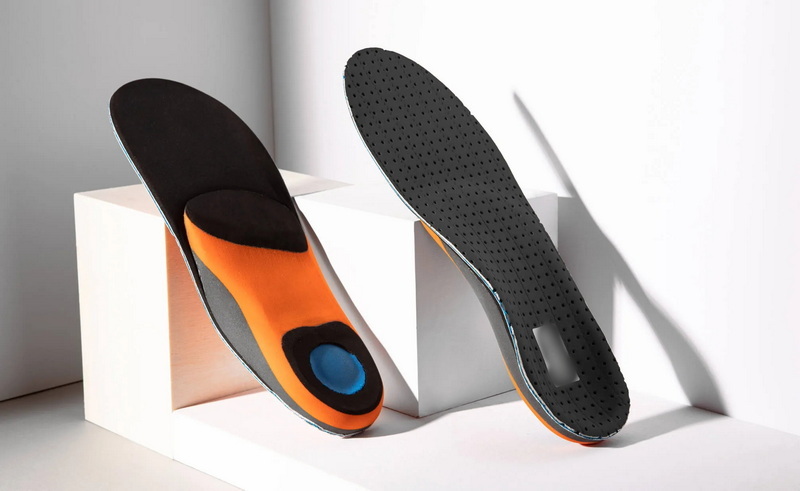
A Health Savings Account is a tax‑advantaged account that allows you to pay for qualified medical expenses with pre‑tax money. For an expense to qualify, it must be primarily for diagnosis, cure, mitigation, treatment, or prevention of disease, or to affect the structure or function of the body.
Orthotic shoe inserts fit into this definition when their main purpose is to address a medical need—such as plantar fasciitis, flat feet, over‑pronation, diabetic foot risk, heel spurs, or chronic knee and back pain linked to abnormal foot mechanics. When inserts are bought primarily for comfort, style, or sports performance without a documented medical condition, they are far less likely to qualify as eligible HSA expenses.
Orthotic products fall on a spectrum from clearly medical to purely comfort‑oriented. Understanding this difference helps you decide when your HSA card is appropriate and when it is safer to pay out of pocket.
- You receive a diagnosis (for example, plantar fasciitis, flat feet, high arches, or diabetic neuropathy) and your doctor or podiatrist recommends orthotic inserts as part of a treatment plan.
- You obtain custom‑molded orthotic insoles based on a foot scan or cast, specifically tailored to your foot anatomy and medical condition.
- You buy therapeutic or orthopedic insoles that are clearly marketed for medical use, such as diabetic insoles, arch‑support insoles for plantar fasciitis, or heel cups intended for heel spurs.
- You purchase replacement orthotics when your original pair wears out, and your provider has already documented the continuing need in your records or prescription.
In these cases, the orthotic inserts are clearly functioning as medical devices rather than as everyday comfort accessories, and your HSA administrator is much more likely to accept them as qualified expenses.
- Soft foam or gel insoles bought only to make shoes more comfortable, without any diagnosis or medical recommendation.
- Sport or fashion insoles advertised mainly to improve performance, jump higher, or feel softer, with no real medical positioning.
- Trendy comfort products, pads, or insoles bought impulsively in a retail store where there is no connection to your personal medical history.
In these scenarios, the inserts are usually viewed as general‑use items. Even if they help you feel better, they do not meet the formal medical‑care standard that HSA rules require.
From the HSA administrator's perspective, documentation is what transforms a simple shoe accessory into a medically necessary device. Without documents, they have no way to tell whether your purchase is for health or just for convenience.
Key types of documentation include:
- A prescription from a qualified provider that specifically mentions orthotic shoe inserts, custom orthotics, orthopedic insoles, or similar devices as part of the treatment plan.
- A Letter of Medical Necessity (LMN) explaining your diagnosis, symptoms (for example, heel pain, arch pain, metatarsalgia), recommended orthotics, and the expected medical benefit.
- Itemized receipts or invoices that list the product clearly and distinguish between medical devices and any non‑medical accessories you might buy at the same time.
Good documentation supports your case if the HSA provider audits your account, and it also helps your tax position if the authorities ever question your withdrawals. Even when your HSA card runs successfully at checkout, you should assume you may be asked for backup evidence later.
To make the process as smooth and safe as possible, you can follow a simple approach that works both for custom orthotics and many medical‑grade over‑the‑counter products.
If you have persistent foot, ankle, knee, or back discomfort—especially pain that worsens when walking or standing—schedule an appointment with a podiatrist, orthopedic specialist, sports medicine doctor, or experienced primary‑care physician. Describe your symptoms in detail and explain how they affect daily life or work.
During the exam, your provider may look at your gait, leg alignment, arch shape, and any history of injuries or systemic conditions like diabetes or arthritis. If they determine that abnormal foot function is contributing to your problem, they may recommend orthotic inserts as part of conservative treatment.
If orthotic inserts are recommended, ask the provider to issue a written prescription or LMN that:
- Names the diagnosis or condition (for example, plantar fasciitis, pes planus, metatarsalgia, diabetic neuropathy).
- States that orthotic shoe inserts or custom orthotics are medically necessary to treat or manage this condition.
- Indicates the expected duration of use and whether replacements are likely to be needed periodically.
This document can be used both with your HSA administrator and at vendors that accept HSA cards directly.
Based on your diagnosis and budget, you and your provider can decide whether you need:
- Custom‑made orthotics created from a scan or cast, often ideal for complex structural problems or long‑term conditions.
- Medical‑grade prefabricated insoles with firm arch support, deep heel cups, and targeted cushioning for specific conditions.
- Specialized diabetic inserts designed to distribute pressure, protect sensitive areas, and reduce ulcer risk.
- Heel cups, metatarsal pads, or full‑length therapeutic insoles designed for clinical conditions rather than general comfort.
When you shop, focus on products with clear medical positioning, structural support features, and materials suitable for long‑term, therapeutic use.
If the seller accepts HSA cards, you can usually pay directly with your HSA debit card at checkout. If not, you can pay with another method and later submit a reimbursement claim using your HSA portal or forms.
In either case, remember to:
- Save itemized receipts and order confirmations.
- Attach or upload the prescription or LMN where required.
- Record the date, product details, and amount in your own files.
These steps allow you to respond quickly if the HSA administrator or tax authorities ask for information later.
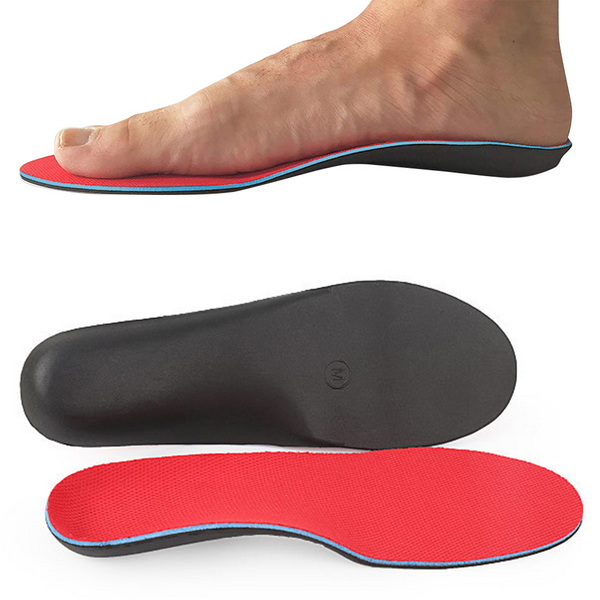
Using an HSA for orthotic shoe inserts can reduce your out‑of‑pocket burden and help you afford higher‑quality, medically appropriate products.
Key benefits include:
- Pre‑tax savings: Money you contribute to an HSA is generally not subject to income tax, so every qualified dollar spent on orthotics effectively costs you less after tax.
- Access to better products: With the help of pre‑tax funds, many people can step up from basic comfort insoles to fully custom or medical‑grade options tailored to their condition.
- Long‑term foot health: Correcting or compensating for biomechanical issues early can reduce the risk of future injuries, chronic pain, and complications, especially in people with diabetes or heavy occupational demands on their feet.
Over time, good orthotics can contribute to better quality of life, improved mobility, and a lower need for more invasive treatments.
Orthotic shoe inserts work by supporting the arches, stabilizing the heel, and redistributing pressure across the foot to improve function. When the foundation of the body is better aligned, stresses on ankles, knees, hips, and the lower back can be reduced.
For example:
- In flat‑footed individuals, firm arch support can prevent the foot from collapsing inward, helping to limit over‑pronation and associated knee pain.
- In people with plantar fasciitis, a supportive insole can reduce strain on the plantar fascia, making every step less painful and allowing the tissue to heal over time.
- For those with diabetic neuropathy, therapeutic insoles can help protect areas of high pressure, reducing the risk of skin breakdown and ulcers.
Because these improvements directly address medical conditions, they reinforce the classification of orthotic inserts as legitimate medical devices suitable for HSA spending when properly documented.
If you are a brand owner, wholesaler, or footwear manufacturer sourcing orthotic inserts from an OEM factory, product design and documentation can help your end customers successfully use HSA funds.
Useful strategies include:
- Developing product lines clearly targeted at medical use (for example, plantar fasciitis insoles, diabetic depth inserts, occupational safety insoles) with consistent technical specifications.
- Using accurate, medically focused descriptions that explain the conditions the product is designed to support, while avoiding exaggerated or unsupported claims.
- Providing technical data sheets that medical professionals and consumers can reference when preparing prescriptions and LMNs.
- Ensuring consistent quality in materials and construction so the orthotics deliver reliable support and durability in real‑world use.
By aligning design, marketing, and documentation with medical needs, OEM partners help downstream customers integrate orthotic products smoothly into HSA‑supported care plans.
You can often use your HSA card for orthotic shoe inserts when they are medically necessary devices prescribed or recommended to treat a diagnosed foot or lower‑limb condition. Custom orthotics, diabetic inserts, and medical‑grade arch‑support insoles are usually more clearly eligible than generic comfort pads, especially when backed by a prescription, a Letter of Medical Necessity, and itemized receipts. To protect your tax advantages and avoid penalties, always keep thorough documentation, consult your HSA administrator if you are unsure, and work closely with a qualified healthcare professional to select the right orthotic solution for your needs.
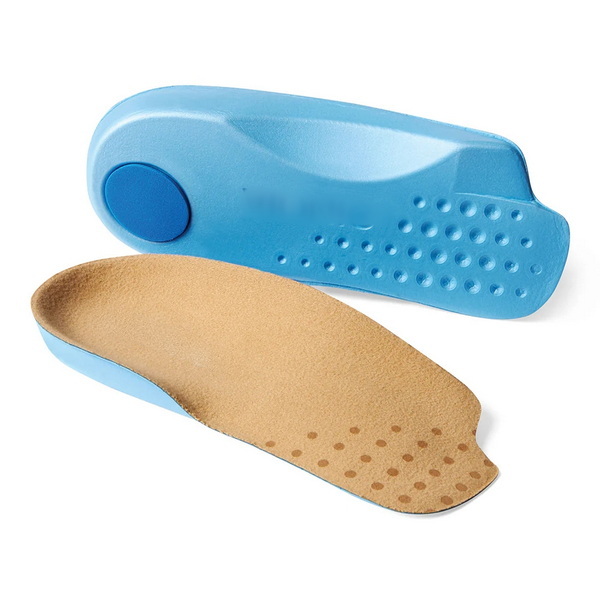
A prescription or Letter of Medical Necessity is strongly recommended because it proves that the inserts are being used to treat a specific medical condition. While some plans may approve over‑the‑counter medical‑grade insoles without a prescription, written documentation greatly reduces the risk of later denial or penalties.
Over‑the‑counter insoles can qualify if they are clearly therapeutic products intended for a diagnosed condition and are supported by a doctor's recommendation or LMN. Generic foam or gel insoles purchased only to improve comfort, without a documented medical need, are usually treated as non‑qualified personal‑use items.
You can sometimes use HSA funds for orthopedic shoes when they are medically necessary, but in some cases only the additional cost above standard footwear is considered eligible. Orthotic insoles prescribed for medical reasons are often easier to classify as fully eligible, provided that you keep proper documentation and itemized receipts.
If a purchase is later ruled non‑qualified, you may have to repay the amount to the HSA or treat it as taxable income, and you might owe an additional penalty if you are below the relevant age threshold. Keeping prescriptions, LMNs, and receipts and checking eligibility with your HSA administrator before major purchases helps avoid these problems.
Yes, HSA funds can generally be used for qualified medical expenses incurred by your spouse and eligible dependents as well as yourself. The same rules apply: the orthotic inserts should be medically necessary, tied to a diagnosed condition, and supported by appropriate documentation.


