
Views: 222 Author: Edvo Publish Time: 2025-12-04 Origin: Site


Content Menu
● What Determines If Insoles Can Be Machine Washed
● Why Hand Washing Is Usually Safer
● Step-by-Step Hand Washing Method
● When Machine Washing Can Be Considered
● Risks of Washing Insoles in a Machine
● How to Deodorize Insoles Without a Machine
● Drying: The Critical Step After Cleaning
● Daily and Weekly Maintenance Habits
● When to Replace Insoles Instead of Washing
● Tips for Brands, Wholesalers, and Producers
● FAQ
>> 1. Is it safe to put all shoe insoles in a washing machine?
>> 2. How often should I wash my shoe insoles?
>> 3. What is the best way to remove odor from insoles?
>> 4. Can I use a dryer after washing my insoles?
>> 5. How can brands and wholesalers reduce returns related to insole damage?
Most removable shoe insoles are not designed for frequent machine washing, and hand washing is usually the safest way to clean them. Whether you can wash an insole in a washing machine depends on the material, structure, and care instructions provided by the manufacturer.
Different insole materials react very differently to water, detergent, and friction. Some constructions tolerate gentle washing, while others deform or delaminate after only a few cycles.
- Foam and memory foam insoles can lose cushioning, warp, or crack when exposed to strong mechanical action or hot water.
- Gel, air-cushion, and multilayer designs often rely on adhesives that can soften and separate in a washing machine.
- Orthotic and custom insoles are usually engineered with precise shapes and densities, so they are typically recommended for hand cleaning only.
Before putting insoles into a washer, always check the care label, packaging, or product catalog. If there is no clear statement that machine washing is allowed, treat them as hand-wash-only.
Hand washing gives full control over temperature, detergent concentration, and scrubbing strength, which helps protect both comfort and durability. It also reduces surface abrasion and twisting forces that can break down cushioning.
- Gentle manual cleaning protects the shape of the arch, heel cup, and forefoot padding.
- It helps preserve surface fabrics, coatings, printed logos, and antibacterial or deodorant treatments applied during production.
For high-value insoles supplied to sports brands, workwear companies, or comfort-shoe labels, hand washing aligns better with the expected product lifespan.
A simple, repeatable routine makes insole care easy for everyday users. You can present these steps in your article as a standard care guide for your OEM products.
- Remove the insoles from the shoes and shake or brush away loose dust.
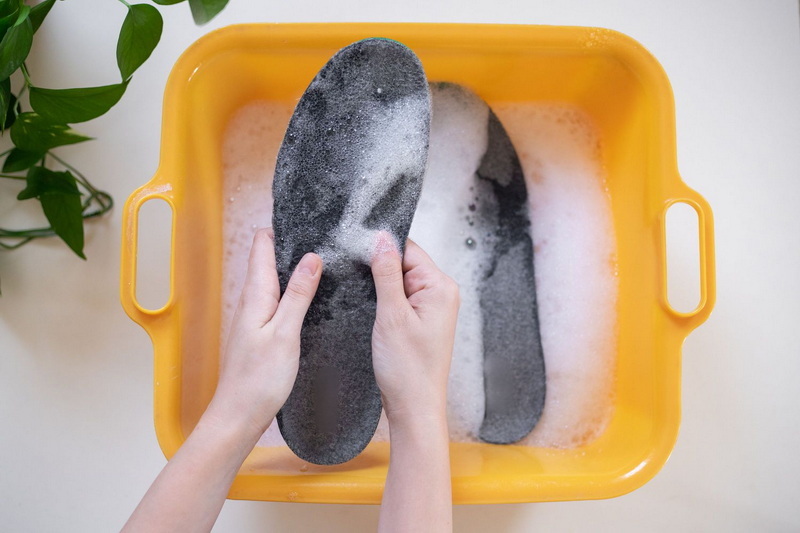
- Prepare a basin with mild detergent and lukewarm water.
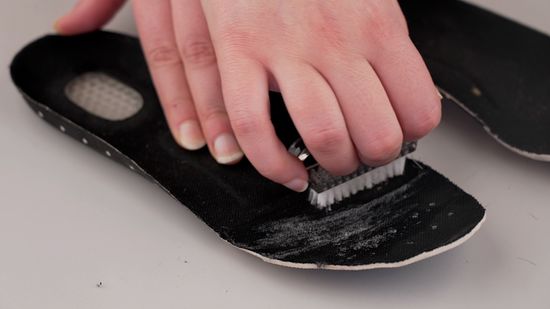
- Use a soft brush or cloth to clean both sides, focusing on heel, arch, and forefoot zones where sweat and dirt accumulate.
- Rinse carefully until the surface no longer feels slippery from detergent.
- Press gently with a towel to remove surface moisture, then lay flat or hang in a well-ventilated area to air dry.
This method is suitable for most foam, fabric, gel, and many performance insoles. It also helps end users maintain freshness without damaging the material.
Machine washing can sometimes be used, but only under strict conditions. A few casual or athletic insoles are designed to be washed together with shoes, yet even for these products, a gentle program is recommended.
- Only place insoles in the washer if the manufacturer clearly states that machine washing is acceptable.
- Use a delicate cycle with cool or lukewarm water and a small amount of mild detergent.
- Place insoles in a protective laundry bag to reduce friction, bending, and impact.
Even when machine washing is allowed, over-washing will accelerate wear. Hand washing remains the main care method, while machine washing is reserved for rare deep-clean needs.
If insoles are not designed for machine washing, several negative effects can appear very quickly. These problems directly impact comfort, support, and appearance.
- Deformation: aggressive agitation and spinning can bend the arch area, collapse foam cells, or distort the heel cup.
- Delamination: glued layers, printed top covers, and extra pads can separate and bubble.
- Surface damage: fabrics may pill, peel, or fray; printed patterns and branding may fade.
- Odor retention: trapped moisture deep inside the material can actually increase long-term odor if drying is incomplete.
From an OEM perspective, these issues can increase returns and complaints, so it is safer to guide consumers toward gentle cleaning methods.
Odor control is one of the main reasons people think about machine washing. However, odor can often be managed effectively with simple, low-risk methods.
- Use a mild deodorizing spray developed for shoes and insoles to control bacteria and refresh the surface.
- Allow insoles to dry completely between wears; regular ventilation is one of the best natural odor defenses.
- Rotate between multiple pairs of shoes and insoles so each pair has enough time to dry.
For OEM antibacterial and moisture-wicking insoles, combining these deodorizing habits with occasional hand washing keeps products feeling fresh for a long time.
Correct drying is just as important as the washing process. Poor drying practices can undo the benefits of cleaning and shorten product life.
- Always air dry insoles at room temperature in a shaded, ventilated place.
- Avoid direct sunlight, radiators, fireplaces, or other strong heat sources that can harden or warp the material.
- Do not twist or wring insoles to remove water; instead, press gently with a towel.
For users in humid climates, it helps to dry insoles near a fan or open window. As an OEM supplier, you can highlight this in your care card to prevent deformation and complaints.
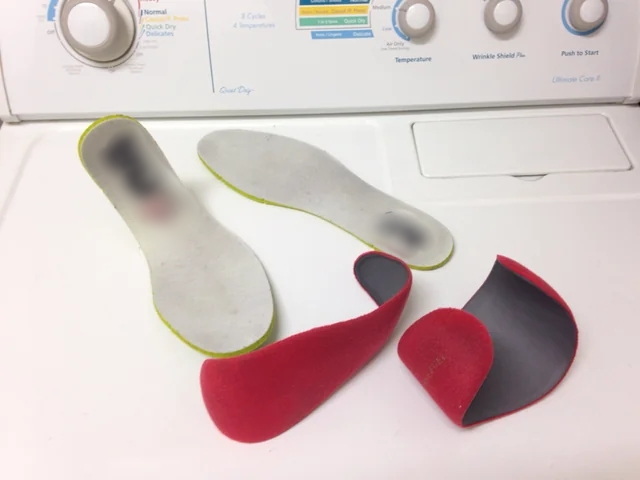
Different insole materials need slightly different care strategies. Adding this section to your article gives authority and helps end users treat each product correctly.
- Standard foam insoles: suitable for quick hand washing with mild detergent and air drying; avoid soaking for long periods.
- Memory foam insoles: respond best to surface cleaning with a damp cloth and very gentle brushing; heavy soaking can damage the internal structure.
- Gel or hybrid insoles: clean with a soft cloth or sponge; avoid sharp brushes that might scratch the surface or edges.
- Fabric-covered insoles: use a soft brush to lift dirt from the textile surface; rinse thoroughly to remove detergent residue.
- Leather top-cover insoles: wipe with a damp cloth using specialized leather cleaner or mild soap, then condition occasionally to prevent drying and cracking.
By specifying recommended methods for each material category in your OEM catalog, you help brands create clear, precise care instructions.
Beyond formal washing, simple daily practices keep insoles cleaner and extend their service life. Encouraging these habits can become part of your marketing content and product packaging.
- Remove insoles from shoes at the end of the day to let both sides air out.
- Tap insoles lightly to remove dust, small particles, and dried mud.
- If feet sweat heavily, change socks promptly and allow shoes and insoles to rest overnight.
For heavy users, such as workers who stand all day or athletes, a weekly routine of light cleaning and deodorizing supports long-term comfort.
Cleaning cannot restore structure once the insole has reached the end of its lifespan. Replacing insoles on time is essential to maintain comfort, support, and hygiene.
- If the insole is visibly flattened in the heel or arch area, cushioning performance is already compromised.
- If cracks, holes, or deep creases appear, the material can no longer distribute pressure properly.
- If odor remains strong even after careful cleaning and deodorizing, the internal structure may hold bacteria that are difficult to remove.
In your OEM communications, you can recommend a reasonable replacement cycle based on use scenario, such as more frequent replacement for running or work insoles than for occasional casual wear.
As a leading insole manufacturer serving overseas brands and wholesalers, you can build added value into every product line through clear cleaning guidance and thoughtful design.
- Work with buyers to choose materials that match the care expectations of their market, such as easy-to-clean textiles for family footwear or premium foams for performance sports.
- Provide ready-made, customizable care instructions and icons that brands can print directly on packaging, websites, and user manuals.
- Offer optional upgrades such as antibacterial treatments, quick-dry layers, or deodorizing top covers to reduce odor issues and after-sales complaints.
By positioning your factory as both a manufacturer and a care expert, you help your partners deliver better user experiences and reduce warranty costs.
Most removable shoe insoles should be cleaned by hand, and only clearly labeled products should ever go into a washing machine on a gentle cycle. For long service life and stable comfort, the combination of mild detergent, careful hand washing, correct drying, and simple daily maintenance is far more important than using powerful machine programs. As a professional insole OEM manufacturer, providing precise care guidance, material-based recommendations, and practical deodorizing tips helps your international partners reduce complaints, extend product lifespans, and enhance their brand image.
It is not safe to put every type of insole in a washing machine, because many foam, gel, and multilayer designs can warp, shrink, or separate under mechanical stress. Unless the care instructions clearly allow machine washing, insoles should be cleaned by hand to avoid damage.
The ideal washing frequency depends on usage, but most people benefit from cleaning insoles whenever there is noticeable odor or visible dirt. Light deodorizing between washes and regular ventilation can reduce the need for deep cleaning.
The best approach is to keep insoles dry and clean while using a gentle deodorizing method such as a shoe spray or a dry deodorizing powder. Combined with regular hand washing, this breaks the odor cycle and improves long-term freshness.
Using a dryer is not recommended, because strong heat can cause foam to harden or crack and can weaken adhesives. Air drying at room temperature in a well-ventilated place is the safest option for almost all insole materials.
Brands and wholesalers can reduce returns by selecting appropriate materials, clearly communicating cleaning and drying instructions, and avoiding claims that suggest machine washability when products are not designed for it. Working closely with an experienced OEM partner helps optimize structure, labeling, and customer education.


