
Views: 222 Author: Edvo Publish Time: 2025-12-21 Origin: Site


Content Menu
● Understanding Full-Length Custom Orthotics
● Can You Wear Full Length Custom Orthotics Over Sewn Insoles?
>> 1. Shoe Depth and Internal Volume
>> 3. Type and Intended Use of Orthotics
● When Wearing Orthotics Over Sewn Insoles Works Well
● Tips for Achieving the Best Fit
● Material Innovations for Orthotic-Shoe Integration
● Choosing the Right Shoes for Orthotics
● Caring for Your Orthotics and Sewn Insoles
● Comfort and Performance Balance
● FAQ on Wearing Orthotics Over Sewn Insoles
>> 1. Can full-length orthotics damage shoes with sewn insoles?
>> 2. Are shorter or ¾-length orthotics better for sewn-insole shoes?
>> 3. Can I use heat or tools to adjust sewn insoles for orthotics?
>> 4. Do full-length orthotics change shoe size requirements?
>> 5. How can I stop orthotics from sliding on sewn insoles?
As awareness of foot health, posture alignment, and comfort rises globally, more individuals are investing in custom orthotic insoles to improve their mobility and reduce fatigue. Orthotics are beneficial for people suffering from flat feet, heel pain, or arch collapse, but a common question arises among wearers: Can you wear full length custom orthotics over sewn insoles?
This seemingly simple question deserves a detailed exploration because the answer depends on various factors—such as shoe design, insole material, orthotic type, and intended usage. Understanding how orthotics interact with sewn insoles helps ensure that comfort, correction, and support are not compromised.
In this article, you will learn when wearing full-length orthotics over sewn insoles is appropriate, what challenges it may present, and how to optimize your shoes for the perfect combination of support and comfort.
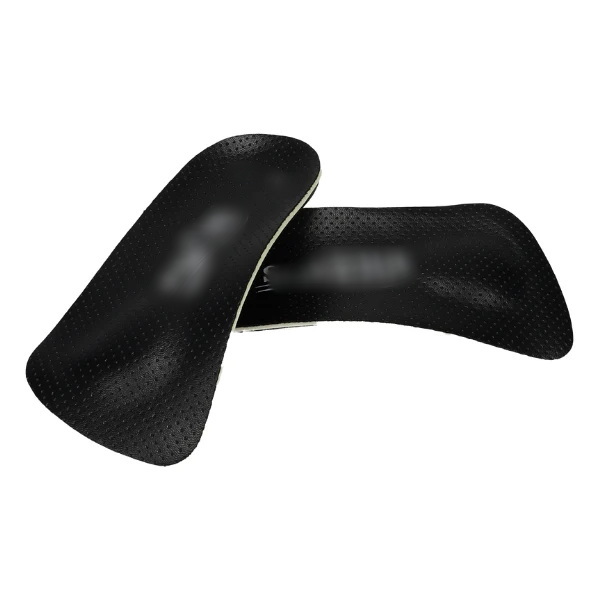
Full-length custom orthotics are medical-grade shoe inserts crafted according to precise foot measurements. They extend from heel to toe, offering continuous support across the entire foot. A podiatrist or orthopedic specialist usually designs them to correct biomechanical imbalances by providing:
- Enhanced arch stability
- Heel alignment and shock absorption
- Pressure redistribution to prevent hotspots
They can be made from several materials including ethyl-vinyl acetate (EVA), thermoplastic, or even carbon fiber composites. The choice of material often depends on the user's weight, activity level, and orthotic purpose. For instance, athletes may prefer lightweight, flexible carbon-fiber composites, while individuals who work standing for long hours might need thicker, cushioned EVA orthotics for impact relief.
Unlike generic insoles sold over the counter, custom orthotics are medical devices designed to address individual structural needs. For best results, they should rest firmly against a stable shoe base that mirrors the foot's natural contour.
Sewn insoles refer to footwear interiors that are permanently stitched to the midsole or upper. They are not removable like standard foam or adhesive insoles. You can find sewn insoles in classic leather shoes, durable work boots, or designer sneakers. These insoles often add rigidity, style, and long-term durability, but they also reduce flexibility for inserting custom orthotics.
Shoes with sewn insoles generally have a fixed structure that was not originally designed to accommodate aftermarket inserts. While the sewn insole might have some padding, it rarely provides corrective alignment or tailored arch support. As a result, users who need orthotics to address biomechanical issues sometimes face a dilemma about how to integrate them properly.
Yes, it is technically possible to wear full-length custom orthotics over sewn insoles, but it depends on how the orthotic fits into the shoe's interior and how it interacts with your foot structure. Several factors determine whether this configuration is beneficial or problematic.
Shoes are built with a specific internal height. Adding a full-length orthotic increases your foot's elevation inside the shoe. This can compress the toe area, alter the shoe's intended fit, or cause rubbing along the edges.
If your shoes already fit snugly, inserting a full-length orthotic over a sewn insole can make them uncomfortably tight. To avoid this, look for models labeled “orthotic-friendly” or “extra depth.” They provide more internal space to accommodate both sewn insoles and inserts without compromising circulation or comfort.
Custom orthotics rely on precise placement to deliver therapeutic benefits. The orthotic heel cup should rest directly beneath the foot's heel bone, and the arch support must align with your natural arch contour. Placing orthotics over sewn insoles that have uneven surfaces, padding, or stitching ridges may cause misalignment. Over time, this misalignment could lead to additional strain on your ankles or knees.
If you notice discomfort or instability after adding an orthotic, the issue is likely due to altered positioning caused by the sewn insole's shape. Testing multiple shoe models or consulting a shoe technician can help mitigate this.
The suitability of wearing full-length orthotics over sewn insoles largely depends on why you're using them.
- Corrective orthotics (for pronation, supination, or leg length discrepancy) are most effective when placed on a stable, flat surface.
- Cushioning orthotics (for general comfort or shock absorption) can typically be layered over sewn insoles without serious drawbacks.
If your primary aim is comfort rather than structural correction, you have more flexibility in layering.
The material combination of both the sewn insole and orthotic affects grip and stability. Smooth leather sewn insoles, for example, may cause orthotics to slip during movement. Using anti-slip foam pads or textured orthotics helps maintain positioning and prevents unwanted shifting during walking.
There are many situations where wearing full-length custom orthotics on top of sewn insoles can be practical and convenient:
- Everyday footwear: For casual walking shoes where extra height or precision correction is not an issue.
- Temporary use: During short-term periods when your feet need extra cushioning.
- Moderate activity: When using orthotics primarily to relieve mild foot pain or fatigue instead of fixing structural deformities.
- Trial periods: When you are testing new orthotics and prefer not to modify or replace your existing footwear.
This approach allows you to improve comfort without altering the original shoe design or voiding the warranty on expensive shoes.
In some circumstances, using full-length orthotics over sewn insoles could cause more harm than good.
- Tight boots or dress shoes: Limited space can squeeze your toes, limit blood flow, and cause blisters.
- Sports or running shoes: High activity levels increase movement, causing instability if the orthotic isn't securely positioned.
- People with medical conditions: If you have plantar fasciitis, severe overpronation, or diabetic foot sensitivity, your orthotics must rest directly on a stable base to work effectively.
- Uneven surfaces inside shoes: Any wrinkles, curves, or raised stitching under the orthotic can cause localized pressure points leading to discomfort or injury.
In these situations, replacing the sewn insole (if possible) or using custom shoes built to fit orthotics would yield better results.
If you decide to wear full-length orthotics over sewn insoles, follow these steps to ensure safety and comfort:
1. Assess the available space: Try your orthotics inside the shoes and walk for several minutes indoors. Ensure your toes have enough clearance.
2. Use non-slip aids: Add grip pads or adhesive dots beneath your orthotics to prevent shifting on smooth leather or fabric bases.
3. Choose thinner orthotics: Ask your podiatrist or manufacturer for slim-profile versions tailored for sewn-insole footwear.
4. Wear proper socks: Thinner socks can offset the height added by orthotics and maintain circulation.
5. Break them in gradually: Increase wear time progressively over one or two weeks to allow your body to adapt.
6. Inspect for wear signs: Check for shoe creasing, uneven wear, or discomfort. These signs indicate misalignment or poor fit.
These habits make the adjustment smoother and prevent long-term discomfort.
Orthotic efficiency depends significantly on how well the shoes accommodate them. Footwear professionals and podiatrists can modify shoes or orthotics for improved compatibility:
- Partial sole removal: Technicians can carefully detach parts of the sewn insole to create recessed space for your orthotics without damaging the shoe.
- Custom shoe builds: OEM shoemakers, particularly experienced factories in China, can produce shoe designs with built-in orthotic channels or deeper footbeds tailored to your specifications.
- Orthotic redesign: If an orthotic is too thick or stiff, professionals can adjust it slightly to reduce volume and enhance comfort.
Working with a qualified manufacturer or podiatry professional helps achieve balance between shoe aesthetics and function—especially for companies developing specialized footwear lines for orthotic users.
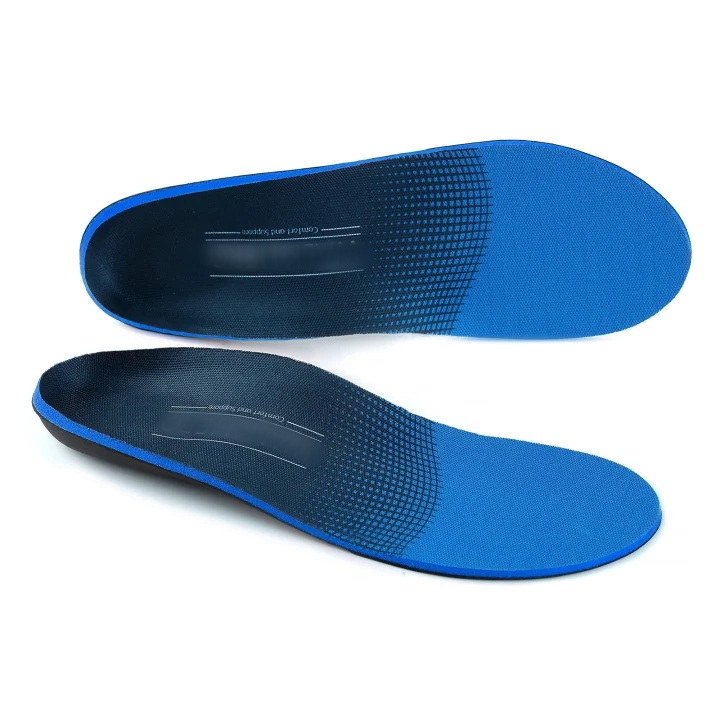
Recent material advancements have improved how orthotics interact with different shoe interiors. For instance, hybrid foam-latex compositions and memory-support fibers allow orthotics to compress locally around stitching or seam patterns on sewn insoles without losing shape consistency. Some high-end orthotics also come with dual-surface linings—a soft top for comfort and a grippy bottom to enhance adhesion when placed over leather or synthetic insole bases.
For shoe manufacturers, choosing compatible materials ensures that sewn insoles and orthotics can coexist without causing slippage or distortion. Modern production techniques now make it easier to integrate partial removable layers above sewn insoles, giving wearers the flexibility to adjust for thickness or add orthotic inserts without altering the shoe's underlying construction.
If you plan to wear orthotics regularly, select footwear designed with supportive features:
- Removable insoles or extra-depth designs for inserting orthotics with ease.
- Firm heel counters that stabilize foot movement.
- Wide toe boxes providing room for both orthotics and natural toe spread.
- Sturdy midsoles for balance and durability.
Some premium brands explicitly market orthotic-compatible shoes. Even among sewn-insole models, there are designs with built-in orthotic cavities to make layering easier.
When buying shoes, always bring your orthotics to the store. Trying them together ensures proper fit and helps you avoid costly replacements or discomfort later.
Maintaining both your orthotics and shoes prolongs their lifespan and hygiene quality:
- Clean regularly: Wipe the orthotic surface with a damp cloth, avoiding harsh detergents.
- Allow airing time: Remove orthotics from shoes overnight to prevent moisture buildup.
- Check periodically: Inspect for wear or edge curling that may cause uneven pressure inside the shoe.
- Replace as needed: Most orthotics last between one and three years depending on use frequency and materials.
Proper maintenance ensures consistent support and prevents shoe odor or structural weakening from sweat absorption.
Ultimately, the goal of combining custom orthotics and sewn insoles is to achieve the right balance between biomechanical correction and all-day comfort. Every foot shape is unique, and what works for one person may not suit another. Experimenting within safe limits—preferably with professional supervision—helps identify your ideal combination.
Consider this approach as layered comfort engineering: The sewn insole provides the base integrity, while the orthotic adds targeted alignment control. Balancing these two layers correctly can transform your walking experience without the need for expensive custom footwear replacements.
So, can you wear full length custom orthotics over sewn insoles?
Yes, you can—provided the shoe offers sufficient depth, the orthotic aligns correctly, and material compatibility prevents slippage. For most users seeking enhanced comfort or mild arch support, layering works well. However, for medical-grade correction or sports performance, direct orthotic placement on a flat shoe base remains ideal.
Before committing to a setup, test thoroughly and seek professional adjustments if needed. A well-matched combination of orthotics and sewn insoles not only enhances comfort but also extends your footwear's functionality, helping your feet stay healthier, stable, and pain-free through every step.
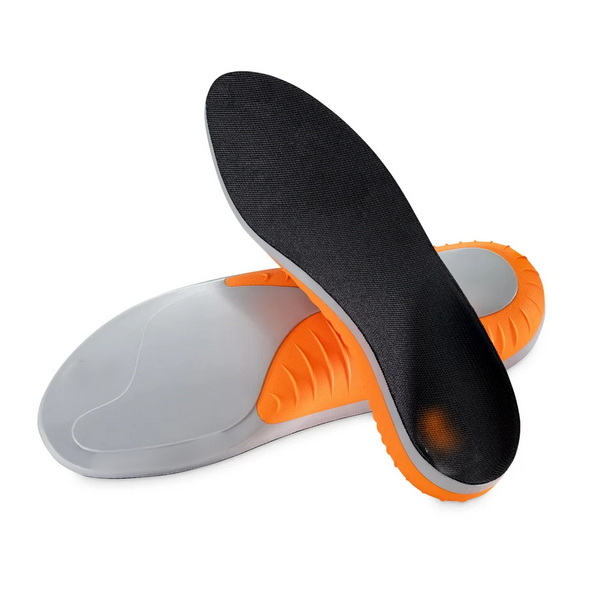
Not usually. However, excessive pressure or thick orthotics may stretch the upper fabric or deform stitching over time. Choose flexible but supportive inserts that fit snugly without forcing the shoe's structure.
They can be. Three-quarter orthotics require less shoe depth and focus support under the arch and heel. They're ideal if your shoes are slightly shallow or if you experience tightness in the toe box.
Avoid altering sewn insoles with heat guns or knives. Doing so can damage stitching, adhesives, or material integrity. If adjustment is necessary, consult a professional cobbler or podiatrist.
Yes. Because they slightly elevate your foot, you may need half a size larger shoe. Trying on shoes with orthotics during purchase ensures accurate sizing and comfort.
Use textured, non-slip adhesive pads or orthotics with rubberized bases. You can also apply a thin anti-slip mesh between layers to stabilize positioning during extended wear.


