
Views: 222 Author: Edvo Publish Time: 2025-12-21 Origin: Site


Content Menu
● Understanding Insoles and Orthotics
● Can You Wear Insoles with Orthotics?
>> When You Should Avoid Wearing Both
>> When It Might Be Acceptable
● How to Check If the Combination Works Properly
>> Flexibility During Movement
● Materials and Structural Design Considerations
● How to Combine Insoles and Orthotics Safely
● Orthotic and Insole Maintenance Tips
● Signs You Need Orthotics or New Insoles
>> Indications That You Might Need Orthotics
>> Indications That You Only Need Insoles
● The Importance of Professional Guidance
● The Relationship Between Comfort and Correction
● FAQ
>> 1. Can I place my orthotics on top of my insoles?
>> 2. Are insoles and orthotics interchangeable?
>> 3. What type of shoes are best for orthotics?
>> 4. Can I trim orthotics or insoles for fit?
>> 5. How can I extend the life of my insoles and orthotics?
Foot comfort plays a vital role in daily health and productivity. For anyone who spends hours standing or walking—athletes, workers, medical staff, or the elderly—foot support can impact overall posture, balance, and performance. Many people rely on orthotic insoles to relieve discomfort or correct structural foot problems. Yet a common and important question remains: Can you wear insoles with orthotics?
The answer depends on how each product functions and how your footwear fits. Insoles and orthotics are not identical; they serve different purposes even though both are used inside shoes. This article will explain in detail the differences, potential combinations, material choices, and professional advice to help you decide whether wearing them together is suitable for you.

Although insoles and orthotics look similar, they differ greatly in design, purpose, and construction.
Insoles, also known as footbeds or inner soles, are supplemental layers placed inside shoes to enhance comfort. They are typically mass-produced and come in various materials, such as foam, EVA, gel, or cork, depending on the level of softness or firmness desired. Their primary goal is to improve everyday comfort by adding cushioning, shock absorption, and warmth.
Many consumers purchase insoles over the counter to reduce foot fatigue from long hours of walking or standing. For example, workers who stand all day on hard surfaces—like retail or manufacturing employees—use foam or gel insoles to minimize pressure buildup on the feet. Runners may choose athletic insoles that provide extra spring and energy return.
However, insoles do not usually correct structural or biomechanical problems. They focus on cushioning rather than medically altering foot alignment.
Orthotics, by definition, are medical-grade inserts custom-designed or prescribed by podiatrists or orthopedists to treat specific foot conditions. These devices are usually crafted based on a 3D mold or scan of the user's foot, ensuring a personalized fit and support pattern.
They aim to correct problems like overpronation, plantar fasciitis, flat arches, or high arches. Orthotics realign the feet and help distribute body weight evenly, reducing strain on ankles, knees, hips, and the spine.
Types of orthotics include:
- Custom orthotics: Tailored to an individual's anatomy and medical diagnosis.
- Prefabricated orthotics: Semi-custom options available at pharmacies and sports stores, offering moderate correction.
Orthotics are inherently more rigid and precise than insoles, which are softer and more general-purpose. Therefore, understanding their different objectives helps determine whether they should be worn together.
While it might seem logical to add an insole for extra cushioning on top of your orthotic device, this is not always appropriate. In most cases, orthotics already incorporate carefully calculated geometry to adjust your foot position and support pressure points. Adding another layer can interfere with these mechanics.
Yet, under certain conditions, wearing both can work if done carefully and with professional supervision.
There are several situations where you should not combine an insole and an orthotic:
1. Limited Space: Most shoes are designed with a specific internal depth. Adding both inserts can make the shoe too tight, causing discomfort or circulation issues.
2. Altered Foot Alignment: Orthotics are built at exact angles to influence your gait. Placing a soft insole beneath or above can shift these angles and neutralize medical benefits.
3. Reduced Stability: Stacking layers creates sliding or movement between inserts, which may increase the risk of imbalance or slipping.
4. Overcorrection: The orthotic's height and contour may combine with the insole's cushioning to push your foot into an unnatural position.
In short, comfort might briefly increase with more padding, but biomechanical performance will usually decrease.
Occasionally, both can coexist when used strategically:
- For Additional Heel Cushioning: If your orthotic lacks sufficient shock absorption, adding a thin, flat insole for heel support underneath may help.
- When Orthotics Don't Cover the Entire Foot: Some medical orthotics only support the heel and arch, leaving the forefoot open. A minimal insole can fill that space for comfort.
- Replacing Damaged Shoe Linings: If your shoes have worn-out footbeds, a lightweight insole can act as a buffer beneath the orthotic.
- When Adjusting Fit in Larger Shoes: People with slightly oversized shoes may add a slim insole to improve fit without compromising support.
Even in these cases, consultation with a podiatrist or orthotic specialist is highly recommended before making changes.
If you decide to combine both insoles and orthotics, you must evaluate performance and comfort carefully. Here are essential indicators that show whether your choice is appropriate.
After inserting both, check if your shoes still fit comfortably. You should be able to move your toes freely and stand without excess pressure across the instep. If the shoe feels cramped, the setup may be too thick.
Walk briefly indoors to assess balance. You should feel stable, with your feet landing naturally. Any wobbling or unusual pressure on arches suggests misalignment caused by the added insole.
Standing barefoot and then with your combination can help identify differences in weight or posture. Persistent soreness or burning sensations in one part of the foot indicates improper support.
A comfortable combination should provide stability without rigidity. You should be able to flex your foot and ankle without resistance or rubbing inside the shoe.
Monitoring these signs will help ensure you receive both comfort and biomechanical efficiency from your footwear.
Both insoles and orthotics come in diverse materials, densities, and styles. Each material influences performance differently, depending on whether the goal is correction, shock absorption, or cushioning.
- Foam: Soft, lightweight, and versatile. Perfect for everyday shoes and moderate cushioning.
- Gel: Extremely flexible and shock absorbent. Ideal for running or sports.
- Cork: Provides firm structure with a natural feel. Great for those needing mild support.
- EVA (Ethylene Vinyl Acetate): Durable, supportive, and lightweight, often used in athletic designs.
- Carbon Fiber: Rigid yet ultralight, used for custom orthotics that require contour precision.
- Polypropylene: Hard plastic with excellent durability, suitable for medical devices.
- High-Density Foam: Offers a balance between stiffness and comfort, good for semi-rigid orthotics.
- Leather: Common in traditional orthotics for breathability and moderate structure.
Selecting materials should depend on intended use. For example, orthopedic shoes often prioritize medical-grade rigidity and form correction, while performance footwear demands a mix of lightweight support and flexibility.
OEM manufacturers of insoles and orthotics must pay attention to this balance—matching material density and thickness to specific footwear categories such as running, hiking, or work shoes.
When you decide to experiment with both products, careful setup ensures safe and effective use:
1. Seek Professional Evaluation: Always consult a podiatrist or qualified shoe specialist first. They can assess foot anatomy and suggest compatible products.
2. Remove Factory Insoles if Needed: Many shoes include removable liners. Taking them out makes space for the orthotic and possibly a thin replacement insole.
3. Use Low-Profile Inserts: Choose insoles that are thin enough to fit under your orthotic without raising the heel or arch height too much.
4. Test Combinations Gradually: Start wearing the combined setup for short periods, then extend usage to full days if comfort remains.
5. Evaluate Regularly: Check after a week or two of wear. If any new pain in the knees, hips, or back develops, the combination may not be aligned properly.
Practical testing and gradual adjustment are key to finding the ideal arrangement.
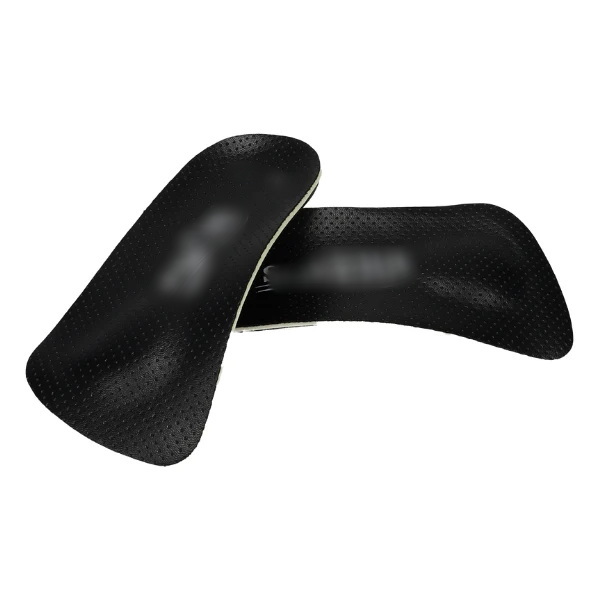
Even with properly designed inserts, incorrect shoes can compromise performance. If your goal is to use orthotics, your footwear should meet certain criteria.
- Removable Insoles: This allows easy replacement with orthotics.
- Adequate Depth: The shoe interior should have enough space to hold inserts without crushing toes.
- Firm Heel Counter: Provides stability and prevents slipping at the back of the foot.
- Proper Arch and Width: Wide or deep shoes accommodate orthotics more comfortably.
Athletic, walking, or work shoes from reputable brands often meet these conditions. High heels, narrow loafers, or thin flats generally do not support orthotic use effectively because of limited internal volume.
When combining insoles and orthotics, always test them inside the shoe you intend to wear daily. Different shoe models can yield dramatically different results.
Proper care extends lifespan and ensures hygiene. Neglect can cause odor, reduced elasticity, or microbial buildup.
- Remove Inserts Daily: Allow them to air out overnight, preventing moisture accumulation.
- Clean Gently: Use a damp cloth and mild soap, avoiding soaking in water.
- Keep Away from Heat: Dry at room temperature; direct sunlight or dryers may deform materials.
- Check for Flattening: Over time, foam densities may compress and lose their support. Replace when thickness or contour noticeably changes.
- Rotate Pairs: Frequent users can alternate between two sets to reduce wear and maintain comfort over time.
Proper maintenance protects both product quality and your foot health.
Many people use standard insoles without realizing their issues may require orthotics instead. Recognizing these signs helps you choose the right product.
- Chronic heel or arch pain.
- Frequent fatigue or soreness even with cushioned shoes.
- Uneven shoe wear patterns.
- Regular knee, hip, or lower back pain during walking.
- Diagnosed conditions like plantar fasciitis or flat feet.
- Temporary soreness from prolonged standing.
- New shoes that feel slightly too firm or rigid.
- Development of pressure points or irritation but no structural pain.
Orthotics should always be considered a medical instrument, while insoles serve as a comfort enhancer.
DIY adjustments may help in the short term, but only qualified professionals understand how foot alignment impacts the rest of the body. A podiatrist can conduct gait analysis and 3D scanning to ensure that your insert combination meets biomechanical needs.
For athletes, customized advice can also improve performance—proper alignment allows more efficient energy transfer and reduces injury risk. Elderly individuals benefit from pressure redistribution, reducing the chance of blisters or joint damage.
Furthermore, for export-focused manufacturers and distributors, partnering with professional orthotic designers enhances OEM credibility, as it aligns product development with real medical standards.
Sometimes consumers assume that more cushioning automatically equals better comfort. However, true foot comfort depends equally on support and alignment. Excessive softness might initially feel good but can lead to instability, causing strain on muscles and ligaments over time.
Orthotics focus on structure first, then add targeted cushioning where medically necessary. Insoles reverse that order—they provide overall softness without structural correction. When both are used correctly, they can complement each other. When used randomly, they can conflict and create imbalance.
Therefore, the right combination requires balance: stability for posture and softness for comfort. Each foot condition, shoe type, and user lifestyle influences this delicate equilibrium.
The question “Can you wear insoles with orthotics?” does not have a one-size-fits-all answer. For most users, orthotics already offer adequate cushioning and mechanical support, and adding insoles can interfere with their intended function. However, in specific cases—like partial orthotic coverage, worn shoe footbeds, or added heel comfort—wearing both can work safely when recommended by a professional.
Always consider fit, stability, and foot alignment before layering inserts. Choose proper footwear with enough depth, maintain both accessories regularly, and seek expert advice if pain develops. Your feet are the foundation of your daily mobility—treat them with care, professional guidance, and products that truly complement each other.
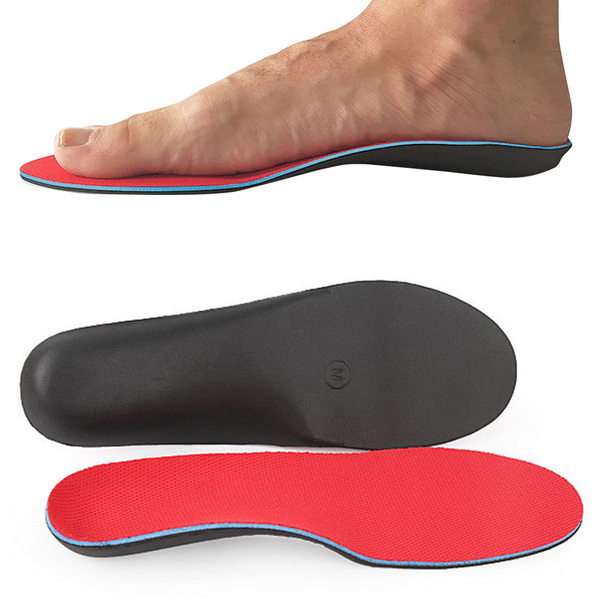
It's generally not advised. Most shoes have limited space, and stacking inserts can alter your foot's alignment. For the best results, remove the original insole before placing your orthotic inside.
No. Insoles are primarily for comfort and minor cushioning, while orthotics are medical devices for correction and support. They address different needs.
Shoes with removable liners, deep heels, and firm midsoles are ideal. Sports shoes, walking shoes, and work boots are often compatible, while high heels or flats usually lack adequate depth.
Prefabricated insoles can be trimmed for size adjustment. Custom orthotics, however, are precision-made and should never be altered without professional oversight.
Air them out daily, clean regularly with mild soap, avoid heat, and monitor for wear. Replace insoles every six to twelve months and orthotics approximately every two years.


