
Views: 222 Author: Edvo Publish Time: 2025-12-04 Origin: Site


Content Menu
● How Removing Insoles Changes Your Shoes
● Short‑Term Situations Where You Might Skip Insoles
● Long‑Term Risks of Wearing Shoes without Insoles
● Minimalist and Barefoot‑Style Footwear versus Removing Insoles
● Benefits of Keeping or Upgrading Insoles
● Hygiene and Comfort Inside the Shoe
● Choosing the Right Type of Insole
● Common Mistakes When Using Insoles
● Are There Any Downsides to Wearing Good Insoles?
● Why Brands and Buyers Benefit from Quality OEM Insoles
● Practical Tips If You Still Want to Remove Insoles
● FAQ
>> 1. Is it always bad to remove insoles?
>> 2. Can wearing shoes without insoles damage my feet?
>> 3. Are insoles only for people with foot pain?
>> 4. How do I know if I need stronger support instead of just soft cushioning?
>> 5. How often should I replace my insoles?
Wearing shoes without insoles changes the way your feet interact with the shoe and the ground. Instead of landing on a cushioned, shaped surface, your foot now rests directly on the harder midsole or inner board. This can feel fine for a short time, especially in soft or very flexible footwear, but it often becomes uncomfortable as time and distance increase. For anyone who walks, runs, or stands for long stretches, a well‑designed insole is usually the difference between just okay and truly supportive comfort.
For people with sensitive feet, flat arches, high arches, or a history of foot or joint problems, removing the insole can be especially risky. They rely on the shoe insole to help support and position the foot so that ankles, knees, hips, and lower back can share the workload in a healthy way. Without that extra layer of cushioning and support, pressure concentrates on smaller areas, which leads to soreness, hot spots, and sometimes long‑term strain.
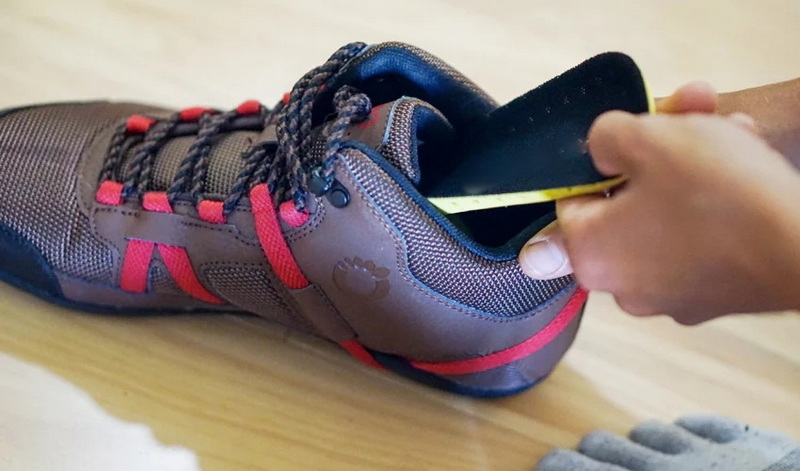
When you take the insole out of a shoe, you are not just removing a soft layer. You are also changing volume, shape, support, and the overall “ride” of the shoe. The interior becomes deeper and often slightly looser. This can feel good if the shoe was too tight, but it also introduces more movement of the foot inside the shoe, which can create friction. As the foot slides and rubs against seams and lining, blisters and chafing become more likely.
At the same time, the shoe loses a key part of its structure. Many insoles are designed to cradle the heel, support the arch, and smooth the transition from heel to forefoot. Without that element, the midsole may feel harder or less forgiving, even if it is made from a soft material. The result is a harsher impact when the heel strikes the ground and less guidance when the foot rolls forward.
There are a few controlled situations where wearing shoes without insoles can be acceptable, especially for people with healthy feet. One example is very short, low‑intensity use such as walking around the house or doing quick errands. If the shoes are reasonably cushioned and the user is not on their feet for a long time, the body can often tolerate this limited exposure.
Another situation is when a shoe feels too tight because of swelling, thick socks, or an existing bandage. Removing the insole can create a little extra room so that the upper does not press uncomfortably on the top or sides of the foot. In that case, skipping the insole is a temporary fitting solution, not a long‑term strategy. As soon as the swelling or special condition passes, it is better to return to a properly cushioned, supported setup.
If wearing shoes without insoles becomes a habit, especially during workdays or sports, several long‑term issues can appear. First, the continuous impact on unprotected heels and forefeet can irritate soft tissues and joints. Over time, this can contribute to heel pain, arch strain, and discomfort in knees and hips. The body is very good at adapting, but repeated stress without adequate cushioning slowly wears it down.
Second, the lack of structured support under the arch and around the heel can worsen alignment problems. When the arch collapses too far or the heel tilts inward or outward with each step, the whole kinetic chain compensates. This can lead to muscle fatigue, tendon overload, and even back pain. Many people are not aware of these subtle changes until symptoms have already become difficult to ignore.
Some people point to minimalist or barefoot‑style shoes as a reason to remove insoles from regular footwear. This is a common misunderstanding. Minimalist shoes are designed from the ground up to work with a very thin or integrated footbed. The geometry of the sole, the flexibility of the materials, and the relationship between heel and forefoot are all engineered with that goal in mind.
Simply removing the insole from a traditional running shoe, trainer, or work boot does not turn it into a minimalist model. Instead, it breaks the original design. The user ends up with less cushioning and less support than intended, and the partly exposed internal structure may not be comfortable under the foot. If someone truly wants a barefoot‑style experience, it is better to choose footwear designed for that purpose and transition gradually rather than improvising by removing insoles.
For most users, keeping the insole in place or upgrading to a higher‑quality version delivers clear advantages. A good insole spreads out the impact of every step across a larger area, so no single part of the foot absorbs all the shock. This helps protect heels, metatarsal heads, and joints throughout the lower body. Over the course of a long workday or a long walk, this difference is very noticeable.
Support is another major benefit. A thoughtfully shaped insole cups the heel and supports the arch so the foot stays more stable. That stability translates into better balance, more confident movement, and a reduced chance of rolling the ankle. In daily life, this means less fatigue and fewer end‑of‑day aches. In sports, it can mean improved performance and a lower risk of strain.
The insole also plays an important role in managing moisture, temperature, and hygiene. Many insoles are made with breathable, moisture‑wicking top layers that pull sweat away from the skin. Some incorporate antimicrobial treatments or structures that encourage airflow under the foot. This helps keep the interior of the shoe fresher and reduces unpleasant odors.
When the insole is removed, the foot often sits directly on a harder, less breathable material. Moisture can pool, the skin remains damp for longer, and odor‑causing microbes can grow more easily. Over time this can damage both the shoe and the skin. For users who wear closed shoes for many hours, maintaining a breathable, replaceable insole surface is a simple and effective way to care for both foot and footwear.
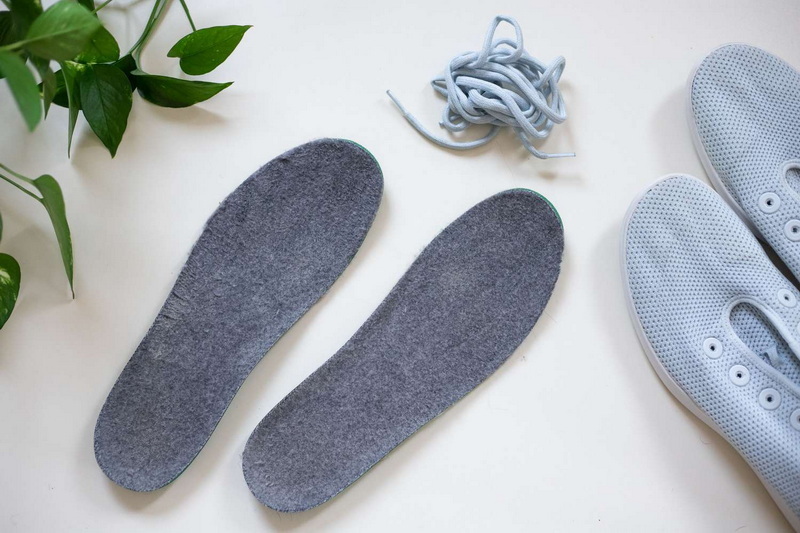
Not all insoles are the same. Different activities, foot shapes, and environments call for different designs. Cushioned comfort insoles focus mainly on softness and impact absorption, making them suitable for casual wear, light walking, and people who simply want a more comfortable step. These models usually use foams or similar materials that compress gently under load.
Supportive performance insoles are built with a more structured arch and deeper heel cup. They are ideal for users with flat feet, high arches, or recurring pain. These models help control foot motion and align the lower body during movement. For workers, athletes, or anyone who spends long hours on their feet, this type of insert can make a clear difference in endurance and overall comfort.
Although insoles are helpful, they can cause problems when chosen or used incorrectly. One common mistake is selecting a model with very rigid arch support for feet that prefer softer guidance. The result can be pressure under the arch or along the inside of the foot. Instead of relief, the user feels new soreness or even sharp pain after a short time.
Another mistake is skipping the adjustment period. Even a well‑designed insole changes how the foot loads, so the muscles and joints need time to adapt. Wearing a completely new insert for an entire day right from the start can feel uncomfortable. It is better to begin with shorter sessions and gradually increase wear time over days, allowing the body to settle into the new support pattern.
High‑quality, well‑fitted insoles are generally safe, but there are a few potential downsides to be aware of. If the insole does not match the shoe shape, it can buckle, fold, or slide inside, creating uneven surfaces under the foot. This leads to hot spots, blisters, and instability. Correct sizing and compatible shoe volume are very important.
Poorly made insoles can also wear out quickly, losing cushioning and shape long before the shoe itself is finished. When that happens, the user may feel as if the shoes have suddenly become hard and unforgiving. Replacing worn inserts at the right time keeps comfort level consistent and protects the investment in the footwear. Listening to how the body feels and examining the insole regularly helps catch this issue early.
From a brand or sourcing perspective, building strong insoles directly into the footwear line is a powerful value driver. A customer may not see the insert at first glance, but they feel it from the first step. Shoes that feel supportive, soft, and stable from the inside are far more likely to win repeat purchases and positive reviews.
Working with a dedicated insole manufacturer allows brands, wholesalers, and large buyers to tailor the entire footbed experience. Different regions and target groups can receive specific density, shape, and surface materials. Lightweight sports models, protective safety shoes, casual lifestyle sneakers, and outdoor boots can each have a dedicated insole design that matches their use scenario. This integrated approach gives the final product clear advantages over generic shoes with thin, flat liners.
Some users will still prefer to remove insoles in particular situations. To do this more safely, it helps to follow a few practical steps. First, limit total time and intensity when going insole‑free. Begin with very short periods and watch closely for signs of stress such as burning sensations, deep fatigue, or joint aches.
Second, consider using a thinner replacement footbed instead of leaving the shoe completely bare. A slim insert can restore some cushioning and smooth out the interior without making the fit too tight. Finally, keep the shoe interior clean and dry. After use, loosen the laces, open the shoe, and allow air circulation so that moisture can escape. This protects both foot health and shoe life.
It is possible to wear shoes without insoles, but doing so turns the shoe into a harsher, less supportive environment for the feet, especially during long days and demanding activities. For most people, a comfortable, well‑shaped insole offers essential cushioning, better alignment, improved hygiene, and more predictable performance over time. Whether for everyday wear, professional work, or sports, treating the insole as a key component of the shoe rather than a disposable extra leads to healthier feet and more satisfied users.
It is not always bad, but it should be done with care and only for short, low‑intensity use when the feet are healthy. As soon as discomfort or fatigue appears, it is better to replace the insole or switch to footwear designed to be worn without one.
Over time, the lack of cushioning and support can contribute to strain in the arches, heels, and forefoot, and may aggravate existing issues in ankles, knees, or hips. The risk is higher for people who are on their feet for long periods or who already have foot problems.
Insoles are important for people with foot pain, but they also work as a preventive tool for healthy users. A supportive insert helps distribute load, reduce impact, and slow down fatigue, which keeps feet feeling better throughout the day and may reduce the chance of problems in the future.
If you feel unstable, notice your feet rolling in or out, or experience repeated pain around the arches or knees, you may need structured support rather than extra softness alone. In that case, a more supportive insole design or professional assessment can help find the right solution.
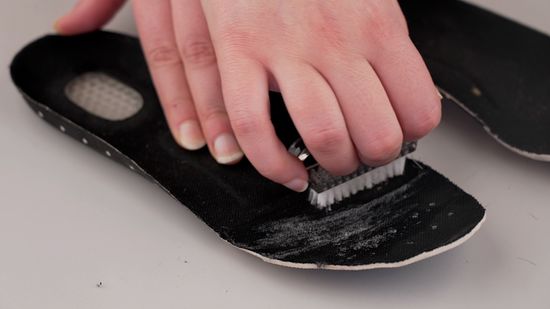
Insoles should be replaced when they lose their shape, resilience, or surface integrity. Signs include flattened foam, visible cracks, peeling layers, or a sudden increase in end‑of‑day soreness compared with earlier in the life of the shoe.


