
Language
Views: 222 Author: Edvo Publish Time: 2026-01-21 Origin: Site


Content Menu
● Understanding the Purpose of Shoes Insoles
>> Why Proper Shoe Fit Is Important
● How Shoes Insoles Make Shoes Smaller
>> 1. Reducing Internal Shoe Volume
>> 2. Improving Overall Fit and Grip
>> 3. Supporting Heel Lift Correction
>> 4. The Layered Insole Technique
>> 5. Using Targeted Inserts for Partial Fit Issues
● Types of Shoes Insoles and Their Fit Effects
>> Half Insoles
● The Importance of Material Choice
● Selecting the Correct Insole Thickness
● Scientific Explanation: Why Insoles Work
● Common Mistakes When Using Shoes Insoles
>> Using the Wrong Size or Shape
>> Choosing Excessive Thickness
● Step-by-Step Guide: Installing Shoes Insoles
● Benefits Beyond Size Adjustment
● When Shoes Insoles Are Not Enough
● Eco-Friendly Developments in Shoes Insoles
● Tips for Maintaining Shoes Insoles
● FAQ
>> 1. How much smaller can insoles make my shoes?
>> 2. Can I use two insoles in one shoe?
>> 3. Which insoles are best for running shoes?
>> 4. How often should I replace my insoles?
>> 5. Can insoles fix loose boots or work shoes?
Finding a shoe that fits perfectly can be surprisingly difficult. You might purchase a new pair only to discover they are slightly too loose, causing your heels to slip or your toes to move uncomfortably with each step. Before returning them or letting them gather dust in the closet, consider using Shoes Insoles. Many people wonder whether insoles can help make shoes smaller — and the truth is, they absolutely can, within reason.
This comprehensive guide dives into how Shoes Insoles can alter shoe fit, what types work best for reducing internal space, and how to properly use them for comfort, performance, and longevity.
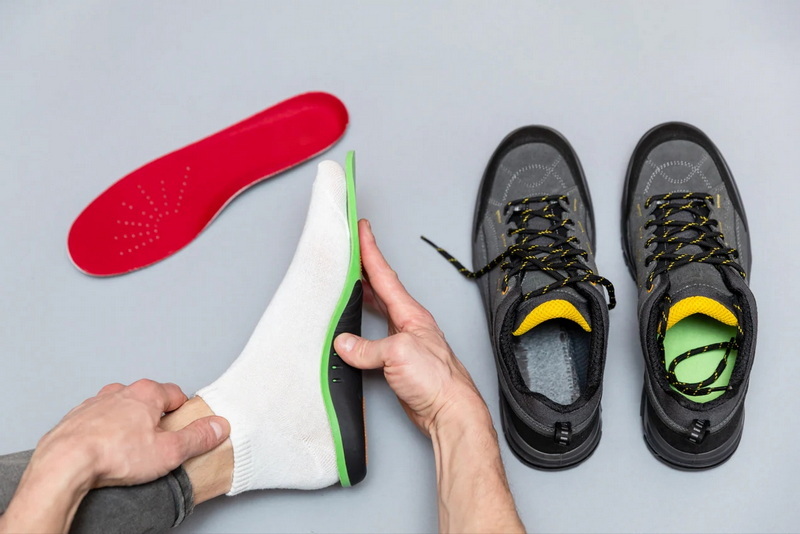
Shoes Insoles are removable inserts designed to improve comfort and support inside footwear. They may be made from foam, gel, cork, leather, or other cushioning materials. Modern insoles come in different thicknesses and levels of support, allowing users to customize the feel and fit of their shoes.
While many people associate insoles with orthopedic support or athletic performance, they also play a crucial role in size adjustment. When placed inside a loose shoe, insoles fill empty space, providing a tighter, more controlled fit.
Shoe fit isn't just about comfort — it's about health and function. A poorly fitting shoe may lead to problems such as:
- Blisters and calluses
- Foot arch pain or plantar fasciitis
- Reduced stability and inefficient walking mechanics
- Increased fatigue or joint pressure after long wear
A correctly fitting shoe provides a secure yet natural space for your foot, ensuring balance, stability, and comfort. Shoes Insoles can correct many small fitting issues that occur when shoes are slightly too big.
When you insert an insole, it takes up physical space inside the shoe, effectively reducing its internal volume. This volume reduction typically equals about half a shoe size, depending on the insole's thickness and material density. For example, a high-density foam insole can provide a snug and stable feel, whereas a gel insole may compress more easily but still help reduce movement.
Loose shoes often lead to excessive movement between your foot and the shoe's inner wall. Insoles help create uniform contact, minimizing friction and the chance of blisters. This improved grip enhances walking confidence and control, especially in leather shoes or boots that naturally stretch over time.
Some Shoes Insoles raise your heel slightly, filling extra depth in the shoe and changing how your weight distributes across the foot. This adjustment not only gives a tighter fit but also improves posture, balance, and gait in long-term use.
When a single insole isn't enough to fix a loose shoe, consider layering two thinner insoles or combining one with a flat liner. This technique increases padding thickness and helps reduce unwanted space further. However, be careful not to overfill the shoe; too much cushioning may cause discomfort or restrict blood flow.
For people who experience looseness only in specific areas — such as the heel or toe box — partial Shoes Insoles like heel grips, forefoot pads, or tongue cushions can correct localized fit issues. They provide extra friction where needed without altering the entire shoe interior.
Cushion insoles provide comfort and shock absorption. Made from materials like EVA foam or gel, these insoles compress slightly but still help to occupy space inside the shoe. They are excellent for sneakers, work shoes, or casual footwear where extended walking comfort is needed.
Designed to support the arch and reduce overpronation, arch support insoles help maintain proper alignment while filling moderate space inside the shoe. Though slightly thicker than basic inserts, they add firmness and stability for long days on your feet.
Orthotic Shoes Insoles are custom-designed or semi-custom inserts prescribed for specific foot conditions. Since they are shaped to perfectly match your foot's contours, they fill loose areas effectively while improving gait and pressure distribution. Orthotics are ideal if you experience both fit and health concerns.
Half insoles, which occupy only the front half of your shoe, reduce extra space around the toes. They are common in high heels, flats, and loafers. They work best when the heel fits well but the toe box feels roomy.
Heel cups and pads are added to the back of the shoe to reduce slippage. They are particularly useful for leather shoes or boots with stiff heel counters. These small inserts make the shoe feel smaller without altering the rest of the fit.
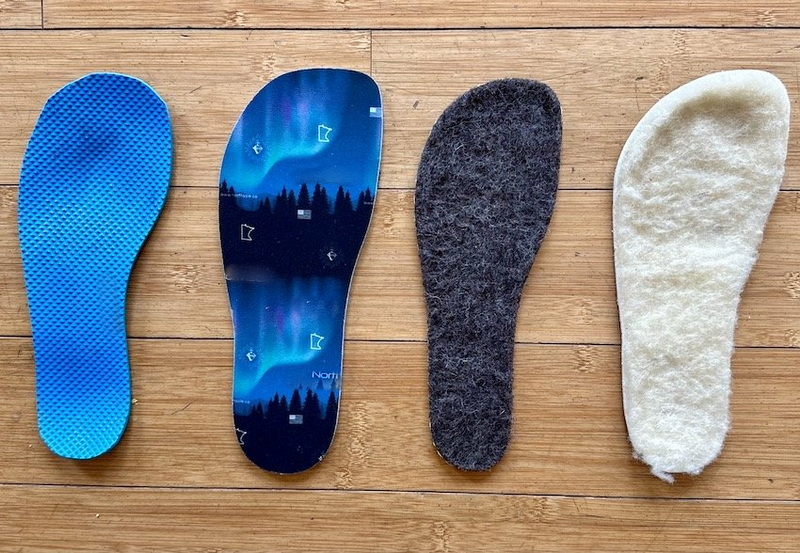
Choosing the right material determines not only comfort but also how much smaller your shoes will feel.
- Memory Foam: Soft and adaptive, this material molds to your foot but compresses over time. Best for cushioning rather than size correction.
- Gel: Offers excellent shock absorption and medium thickness. Suitable for filling moderate interior gaps.
- Cork: Firm, durable, and supportive. Cork insoles hold shape longer and effectively reduce shoe size.
- Leather: Breathable and elegant, ideal for dress shoes with minimal extra space.
- EVA or PU Foam: Lightweight yet dense, commonly used in athletic shoes for dual benefits of stability and cushioning.
Softer materials feel comfortable but compress more, while firmer materials maintain consistent volume and fit modification over time.
Thickness directly impacts how much smaller your shoe will feel. Choose based on the degree of looseness:
- Thin (2–3 mm): Ideal for slightly loose shoes or dress shoes with tight structure.
- Medium (4–6 mm): Suitable for running shoes or casual sneakers with more interior room.
- Thick (7–10 mm): Best for boots or footwear that are about half a size too large.
Some insoles can be trimmed slightly at the toe area to ensure perfect fit — always trim conservatively to avoid cutting too much.
When you place an insole inside a shoe, it constrains available space and changes the distribution of weight and pressure. The foot's alignment shifts upward and slightly forward, eliminating gaps and reducing motion inside the shoe. This biomechanical adjustment gives a “smaller” feel while maintaining natural movement.
However, Shoes Insoles do not shrink shoe materials — they simply reshape the way your foot interacts with the interior structure. Think of it as reorienting the internal environment for optimal stability.
Some people buy insoles that do not match the shoe's length or insole contour. This mismatch causes uneven pressure, discomfort, or bulging. Always cut along the guideline printed on the underside for proper sizing.
Too-thick insoles can make shoes feel cramped and alter your gait. They may also reduce ventilation, leading to moisture buildup and odor.
If you have flat feet or high arches, using a generic insole may worsen discomfort. Choose targeted arch support designs tailored to your anatomy.
Even high-quality Shoes Insoles lose their shape and firmness with use. Replace them every 6–8 months if worn daily, or as soon as they show visible compression marks.
1. Remove existing insoles from your shoes, if possible.
2. Place new insoles on top of old ones to compare size and shape. Trim gently along the outline.
3. Insert the new pair from heel to toe, ensuring a smooth, snug lay-down.
4. Test by walking indoors for a few minutes. Adjust thickness with heel grips or toe pads as needed.
5. Check comfort and balance after prolonged wear; fine-tune or replace if uneven pressure develops.
Following this process ensures proper placement, long-term comfort, and balanced fit.
While making shoes smaller is a key function, Shoes Insoles offer numerous additional advantages:
- They provide enhanced cushioning and arch support, easing joint pressure.
- They prolong the life of expensive shoes by reducing internal wear.
- They manage odor and moisture buildup through breathable materials.
- They help improve athletic performance by stabilizing the foot and improving energy return.
- They prevent fatigue by evenly distributing body weight across the sole.
For anyone who spends long hours standing or walking, insoles are an affordable way to extend both comfort and durability of footwear.
If your shoes are one full size or more too big, insoles alone may not completely solve the fit issue. In such situations, consider:
- Wearing thicker socks for additional padding.
- Using both insoles and heel grips together.
- Consulting a professional cobbler to add permanent internal padding or adjust the heel structure.
Combining multiple solutions typically provides the most natural and comfortable results for oversized shoes.
Sustainable manufacturing has become a growing focus in the footwear accessory industry. Environmentally conscious Shoes Insoles now use recycled cork, latex foam, or biodegradable polyurethane. Many brands also offer bamboo fiber or charcoal-infused variants for natural odor control and antibacterial function.
By choosing eco-friendly insoles, consumers not only enjoy better comfort but also contribute to a greener manufacturing process with reduced carbon impact.
To maximize the lifespan and hygiene of your Shoes Insoles, follow these maintenance steps:
- Remove insoles periodically to air-dry overnight.
- Wipe with a damp cloth using mild soap — avoid soaking.
- Rotate insoles if you own multiple pairs of shoes.
- Replace at the first sign of permanent flattening or odor.
Proper maintenance prevents bacterial buildup and ensures continuous comfort and fit support.
In summary, Shoes Insoles are among the simplest yet most effective ways to make slightly large shoes fit smaller. They do not physically reduce shoe size, but they limit interior space and improve overall fit stability. Whether you use foam, gel, cork, or orthotic inserts, the right insole thickness can make a world of difference.
Beyond adjusting fit, insoles contribute significantly to foot health, stability, and posture. They are an affordable, removable, and customizable solution to common footwear issues. If you value both comfort and performance, upgrading your shoes with quality Shoes Insoles can be one of the best investments for your feet.
Contact us to get more information!
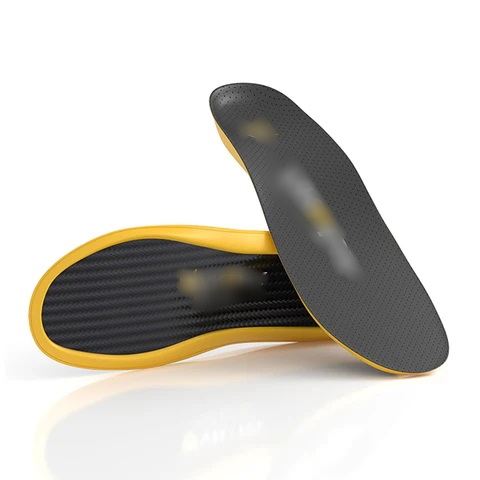
Typically, insoles can make your shoes feel up to half a size smaller, depending on their thickness and material density. Thicker foam or cork versions have a more noticeable effect than thin inserts.
Yes, layering is possible if shoes are significantly loose, but avoid overfilling. The shoe should feel snug, not tight, and your toes should move freely.
For running footwear, opt for Shoes Insoles with strong arch support, moisture control, and impact absorption. EVA foam or orthotic insoles are ideal choices.
High-quality insoles usually last six months under regular use. Replace them sooner if you notice thinning, odor, or loss of cushioning.
Yes. Thick orthotic insoles or double layers can reduce internal volume in boots effectively, enhancing both comfort and ankle stability.
1. American Podiatric Medical Association
2. The Foot & Ankle Center
3. Runners World – Guide to Best Insoles and Inserts
4. Verywell Health – Orthotics and How They Work
5. Footwear News – Sustainable Developments in Insoles


