
Views: 222 Author: Edvo Publish Time: 2025-12-06 Origin: Site


Content Menu
● What Orthotic Inserts Are Designed To Do
● Do Orthotic Inserts Really Make You Slower?
● How Orthotics Can Support Athletic Performance
● Why Orthotics Sometimes Feel Slower At First
● Long‑Term Speed: Training Consistency And Injury Prevention
● Choosing The Right Orthotic For Speed And Comfort
● Practical Tips For Integrating Orthotics Into Training
● Considerations For Different Sports
● How A Professional Insole OEM Partner Adds Value
● FAQ
>> 1. Can orthotic inserts actually improve my speed?
>> 2. Why do my new inserts feel stiff and slower at first?
>> 3. Are lighter inserts always better for performance?
>> 4. How do I know if my inserts are helping or hurting performance?
>> 5. Should competitive athletes use custom orthotics or standard sports insoles?
Orthotic inserts do not automatically reduce athletic speed; when they are well designed and correctly matched to the foot, they often help athletes move more efficiently and sustain higher training loads with less pain. Performance usually suffers only when the inserts are poorly fitted, too rigid, or introduced too quickly, which can disrupt natural movement patterns and cause discomfort.
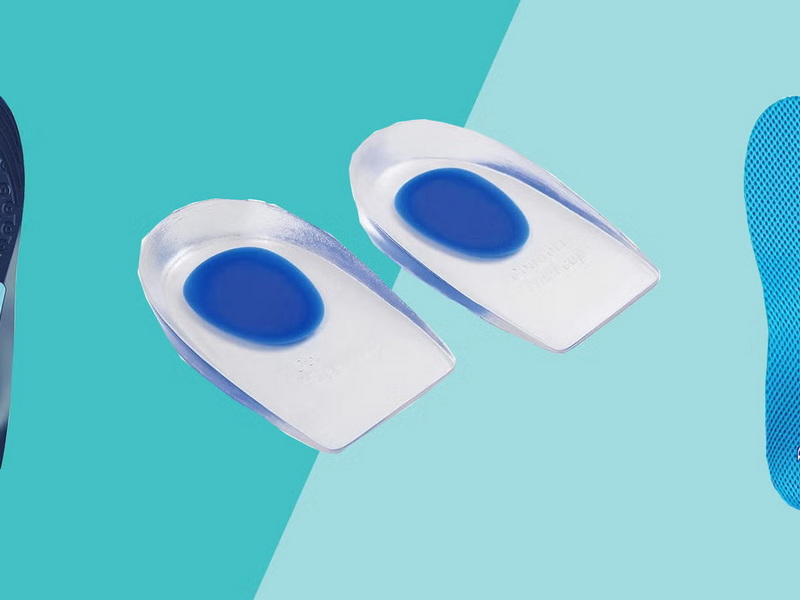
Orthotic inserts are structured supports placed inside footwear to guide how the foot contacts the ground, distributes pressure, and transmits force through the lower limbs. Instead of being simple cushions, they are meant to influence alignment, posture, and muscle loading over repeated steps or athletic movements.
Some designs focus mainly on comfort and shock absorption, while others focus on biomechanical correction that addresses specific issues such as flat arches, high arches, or excessive inward or outward rolling of the foot. For athletes, the goal is usually to create a more stable, efficient base that supports consistent training and powerful movement rather than to change technique in a dramatic way.
Most sports medicine literature suggests that properly selected inserts are more likely to maintain or slightly improve performance than to slow an athlete down. Research and clinical experience indicate that when a device reduces unnecessary muscle work, improves alignment, and feels comfortable, the net effect is usually better efficiency, not worse.
Speed tends to drop when an insert conflicts with the body's preferred movement path, forcing muscles to work harder just to adapt to the new shape under the foot. This may happen if the device is too controlling, too thick for the shoe, or not tailored to the individual's gait and sport demands.
From a performance perspective, inserts can help in several practical ways that are closely tied to how fast, explosive, and enduring an athlete can be.
- They can enhance alignment of the foot and ankle, which supports better tracking of the knees and hips, reducing wasted sideways movement.
- They help redistribute pressure so that no single area of the foot carries excessive load over long sessions, which lowers local fatigue and soreness.
- They often reduce micro‑instability with each step, helping athletes feel more grounded and confident when accelerating, changing direction, or landing from jumps.
All these factors support smoother, more economical movement, which is directly relevant to sustained speed and high‑intensity efforts. Athletes who feel secure underfoot are usually better able to focus on technique and tactics instead of worrying about pain or instability.
Many athletes report that new inserts initially feel strange or even performance‑limiting, especially during the first training sessions. This is not necessarily a sign that the device is bad; it often reflects an adaptation period while the nervous system and muscles learn a slightly different loading pattern.
During this early phase, steps may feel shorter, landings may feel stiffer, or the athlete may feel more aware of the arch and heel support. If the design is broadly appropriate, these sensations usually fade as the body adapts, and comfort and confidence improve. If discomfort stays high, causes blisters, or clearly disrupts natural motion, the device or shoe combination likely needs adjustment or replacement.
Over weeks and months, the ability to train consistently has far more impact on performance than any small immediate change in speed caused by inserts. When a support device reduces stress on vulnerable tissues, it can lower the chance of common overuse problems in the foot, shin, and knee that might otherwise interrupt training.
Athletes who stay healthy can maintain volume and intensity more reliably, which improves endurance, technique, and race performance. In this sense, even if the inserts cause a brief adjustment period, the long‑term result is often a stronger, faster, and more resilient athlete.
Selecting support devices with performance in mind requires attention to both the foot and the footwear as a system. The following considerations are especially important for athletes worried about speed:
- Profile and stiffness should match the sport: Explosive, court‑based sports often benefit from more responsive, supportive shells, while endurance activities may require a blend of cushioning and guidance.
- Volume and shape must match the shoe: Overfilling the inside of a shoe alters fit, toe room, and midfoot pressure, which can compromise both comfort and quickness.
- The device should feel secure under load: Sliding, rocking, or noticeable gaps between the support and the foot can delay push‑off and waste energy.
Consulting sport‑focused foot specialists can help athletes identify which features really matter for their gait and competitive goals rather than choosing generic products without guidance. Brands and wholesalers who offer clearly differentiated performance lines make it easier for end users to find the right match.
Introducing any new support device into a training routine should be done thoughtfully to avoid the feeling of being slower or clumsier. The following steps can help athletes and coaches manage the transition:
- Start with low‑intensity sessions such as easy runs, light drills, or technical work instead of full‑speed intervals or competitions.
- Gradually extend usage from short segments to full training blocks as comfort and coordination improve.
- Track subjective feedback about comfort, fatigue, and any new soreness; if negative signs persist, adjust the device or seek professional review.
Athletes can also compare how they feel on days with and without the device during the early phase, focusing on comfort, stability, and post‑session soreness rather than just raw time. Over time, the goal is to achieve a point where the support feels natural and unobtrusive, allowing performance to reflect fitness and technique rather than foot discomfort.
Different sports place different demands on the feet, so the relationship between support devices and speed can vary by discipline. For example, distance running places repeated impact and alignment stress on the lower limbs, while court sports highlight lateral stability and sudden stops.
- Endurance sports often benefit from devices that maintain comfort and form over long durations, which helps athletes hold pace with less drift in technique.
- Court and field sports may prioritize explosive change of direction and multi‑directional control, demanding a design that is supportive without feeling sluggish.
- Power‑oriented activities such as sprinting and jumping may require minimal bulk under the forefoot so that energy transfer into the ground remains crisp and immediate.
Recognizing these sport‑specific demands allows both end users and product developers to avoid one‑size‑fits‑all assumptions that can lead athletes to think support devices are automatically slower.
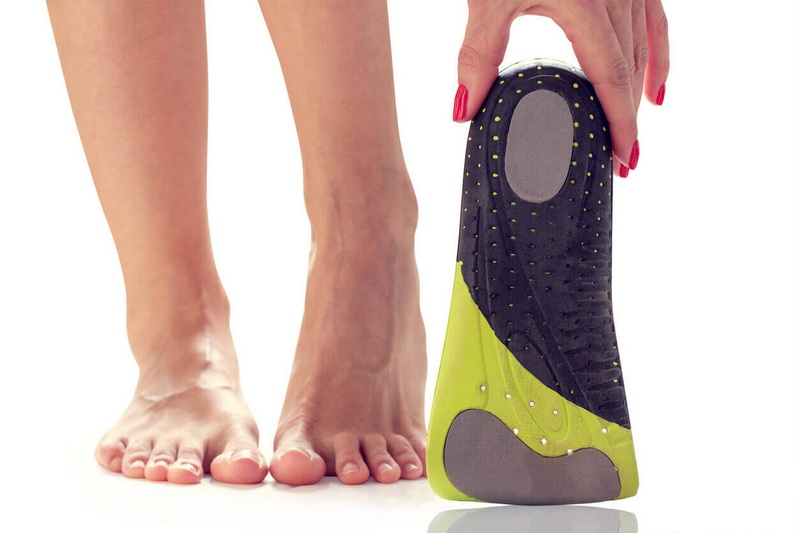
For overseas brands, wholesalers, and manufacturers, working with an experienced support‑product factory is essential for balancing performance and comfort in this category. A dedicated production partner can design ranges that address everyday comfort, sports performance, and orthotic‑style correction, each tailored to specific consumer needs and price points.
An advanced facility can combine different foams, shells, and top covers and refine the shape through testing so that the final product supports natural movement rather than fighting it. This helps global partners offer support products that feel light, stable, and responsive under real‑world athletic loads, avoiding the stereotype that inserts are bulky and slow.
Orthotic inserts do not inherently make athletes slower; they alter mechanics, and when that change supports the body's preferred movement path, the result is usually better comfort, efficiency, and training consistency. A temporary sensation of heaviness or awkwardness is common when first using a new device, but it usually fades with gradual adaptation and proper matching between device, shoe, and sport.
Long‑term performance depends more on staying healthy and training consistently than on minor differences in support thickness or stiffness, and well‑designed inserts can play a key role in keeping athletes active and progressing. For international brands and wholesalers, partnering with a professional insole manufacturer makes it possible to deliver support products that help users move better and feel faster instead of slower.
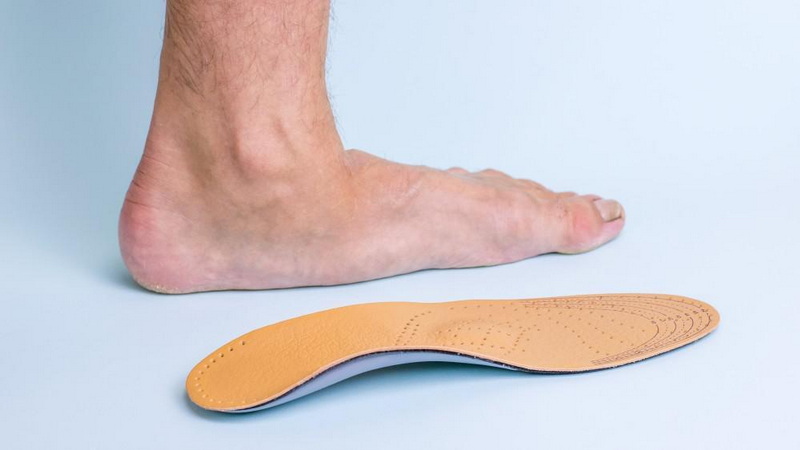
Support devices can contribute to better speed by reducing unnecessary muscle work, improving alignment, and keeping discomfort low, which helps you run or move more efficiently. When form holds up better in the later stages of a race or match, overall performance often improves even if the device itself does not feel like a direct boost.
New devices may initially limit some of the motion you are used to, so muscles and joints have to learn a slightly different movement pattern. If the design is broadly suitable, this sensation usually decreases over several sessions; if it does not, a review of shape, stiffness, and shoe fit is needed.
Light construction can help shoes feel more agile, but extremely light devices that do not provide real support may fail to deliver stability or comfort benefits. A well‑balanced design that provides enough structure without feeling bulky is usually more effective than simply choosing the lightest option available.
Positive signs include reduced pain, fewer hot spots, more stable landings, and the ability to maintain form longer in hard sessions. Warning signs include persistent new aches, blisters, or a sense of fighting against the support with every step; in that case, a specialist should reassess the design and fit.
Custom designs are often recommended for athletes with significant alignment issues, recurrent injuries, or very sport‑specific demands, because they can be tuned to individual needs. Many recreational or developing athletes, however, do well with carefully chosen standard products that offer structured support without the higher cost of full customization.


