
Language
Views: 222 Author: Edvo Publish Time: 2026-01-02 Origin: Site


Content Menu
● Understanding Insoles and Orthotics
● The Key Question: Do Orthotics Go on Top of Insoles?
● Correct Placement and Fitting Methods
● When Can Orthotics Be Placed Over Insoles?
● Role of Orthotics and Insoles in Foot Mechanics
● OEM and Manufacturing Insights
>> Advanced Material Technology
● Importance of Proper Foot Support in Daily Life
● Choosing Between Insoles and Orthotics
● Proper Maintenance and Replacement
● How Orthotics Enhance Footwear Performance
● Emerging Trends in Orthotic and Insole Design
● Practical Tips for Consumers
● FAQ
>> 1. Can I use both insoles and orthotics at the same time?
>> 2. How do I know if I need orthotics or just insoles?
>> 3. Can I transfer my orthotics between different shoes?
>> 4. What materials make the best orthotics for durability?
>> 5. How can footwear brands benefit from OEM orthotic manufacturing?
Foot comfort and support are essential for maintaining mobility, preventing injury, and improving posture. However, many people are unclear about the differences between orthotics and insoles—and more importantly, how they should work together in a shoe. Whether you are an athlete seeking performance improvement, a factory worker on your feet all day, or a shoe brand developing ergonomic designs, understanding the correct placement of orthotics insoles can make a profound difference in the final comfort and function of footwear.
One of the most common consumer questions we receive as a leading Chinese OEM insole and orthotic manufacturer is: Do orthotics go on top of insoles? The answer may seem simple, but it actually involves an understanding of biomechanics, footwear construction, and proper product application.
In this comprehensive guide, we'll explain what insoles and orthotics are, their differences, their manufacturing processes, and the correct method of using orthotics within shoes. We'll also discuss scenarios when both may coexist, how to maintain them properly, and how OEM solutions can bring superior comfort, health benefits, and market value to global footwear brands.
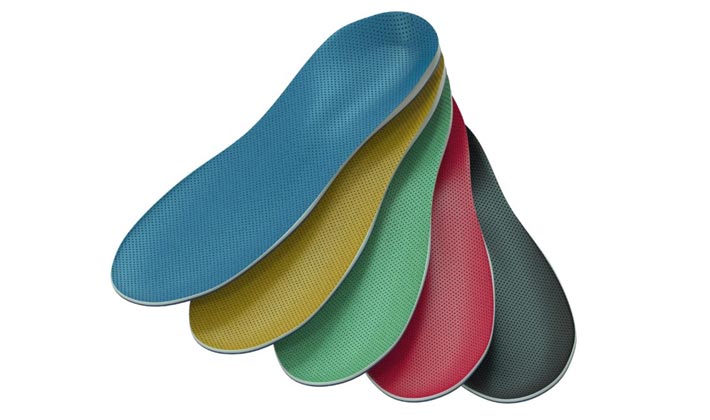
Insoles, sometimes called footbeds or inserts, are components designed primarily to add cushion and improve comfort. They are usually removable and found in almost all commercial footwear—from running shoes to work boots. Insoles are typically made using materials like:
- EVA (Ethylene Vinyl Acetate) – lightweight and resilient foam for daily support.
- PU (Polyurethane) – dense and durable, perfect for long-term use.
- Memory Foam – soft foam that adapts to the foot's shape for plush comfort.
- Gel or Silicone – added to absorb shock and relieve heel or forefoot pain.
- Latex Foam – breathable and flexible, used in budget-friendly footwear.
The main role of an insole is not clinical correction, but comfort enhancement. It distributes foot pressure evenly, reduces friction, and offers mild arch support, helping prevent fatigue after long hours of standing or walking.
Orthotics are corrective devices crafted to realign and stabilize the feet and lower limbs. Unlike ordinary insoles, orthotics are developed using biomechanical engineering to influence how a foot moves during each step. They can be:
- Custom-made orthotics: Created based on 3D foot scans or plaster casts for individuals with medical needs.
- Prefabricated orthotics: Stock solutions designed according to standard arch patterns, available off-the-shelf but still more structured than basic insoles.
Orthotics are often recommended for conditions such as flat feet, plantar fasciitis, metatarsalgia, Achilles tendonitis, shin splints, or knee misalignment. The key difference lies in their purpose—where insoles offer cushioning, orthotics provide correction and alignment.
The short, correct answer is no—orthotics should not go on top of insoles. Instead, they should replace the insole entirely so that the orthotic sits directly on the shoe's footbed.
Layering one on top of the other can cause more harm than good. Here's why:
- Reduced space: Adding layers decreases shoe depth, cramping your toes and arch.
- Weakened alignment: Orthotics function properly only when fitted flat on the shoe's base. Placing them above soft insoles alters their design angle, diminishing effectiveness.
- Increased friction: Two layers may slide against each other, creating instability or blisters.
- Over-thick cushioning: Too much material can compress unevenly and throw off your gait.
Therefore, the correct setup ensures the orthotic maintains its supportive structure and contacts the shoe directly for maximum stability and corrective benefit.
To achieve the best results, orthotics should be carefully fitted using the following process:
1. Remove the shoe's insole—most are removable and lightly attached.
2. Place the orthotic inside the shoe—ensure the heel cup settles snugly at the back without gaps.
3. Check alignment—your heel and midfoot should sit naturally in the orthotic shape.
4. Test the fit—stand and walk for several minutes. If the shoe feels too tight, try a half size larger or a different design with deeper support.
5. Trim edges if needed—prefabricated orthotics usually include trimming guidelines for compatibility with various shoe sizes.
This configuration stabilizes the foot structure and guarantees long-term comfort even under heavy use.
While generally not recommended, there are a few exceptions where orthotics may go over insoles:
- Fixed insoles: Some shoes have insoles permanently glued or stitched—like formal leather shoes, football boots, or work boots. If removal is impractical, a slim-profile orthotic can sit above the insole.
- Temporary usage: For testing or short-term trials, it's acceptable to place an orthotic over the insole temporarily until proper fitting is confirmed.
- Extra cushioning needs: In special conditions, people with sensitive soles may add thin foam or gel layers beneath rigid orthotics for softness.
However, it's important to ensure the shoe still fits comfortably without excessive tightness or instability.
The human foot is a complex structure composed of 26 bones and over 30 joints. It acts as both a shock absorber and propulsion engine during movement. When alignment is off, even slightly, the consequences can reach the knees, hips, and lower back.
Insoles serve as passive comfort accessories, redistributing pressure and providing mild enhancements to comfort. Orthotics, however, act as active correction tools, rebalancing the biomechanical relationship between the foot and lower body.
For example:
- In a person with flat arches, orthotics raise the arch to restore natural alignment.
- In runners who overpronate (roll inward excessively), orthotics correct the angle during push-off, reducing strain on ankles and knees.
- For those with plantar fasciitis, orthotics control heel motion and relieve ligament tension.
Understanding these differences helps footwear professionals design shoes that naturally guide the body toward optimal posture and efficiency.
As one of China's specialized OEM manufacturers in shoe insoles and orthotics, we combine engineering expertise with material science. Each product is developed to balance comfort, performance, durability, and cost-effectiveness. Some of the core materials include:
- High-density EVA: Provides lightweight cushioning and controlled flexibility.
- Carbon fiber plates: Offer rigidity and corrective stability for severe biomechanical corrections.
- TPU arch shells: Reinforce the midfoot structure without adding weight.
- PU cushioning layers: Extend durability and provide rebound.
- Mesh or bamboo charcoal fabrics: Add breathability and odor control.
We also integrate multi-layer lamination techniques that bond cushioning foams, stabilizing cores, and fabric surfaces into seamless composites for improved consistency.
OEM orthotic production involves rigorous understanding of client needs and end-user goals. Our customization process includes:
- 3D foot scanning for anatomical accuracy.
- CAD-based mold design for precise curvature and density mapping.
- Dual-density molding to balance stiffness and flexibility.
- Custom branding options like screen-printed or laser-engraved logos.
- Tailored hardness indexes (Shore C rating) according to sport type or occupation.
Through this standardized yet flexible approach, we help global brands and wholesalers deliver health-oriented, ergonomic footwear solutions suitable for diverse consumer groups.
Many people underestimate how crucial correct foot alignment is to overall well-being. Your feet carry the entire body weight throughout each step, influencing your knees, hips, and spinal posture. Poor footwear support often leads to common problems like:
- Chronic foot pain and fatigue.
- Heel spur and plantar fasciitis.
- Shin splints or joint inflammation.
- Postural imbalances leading to back pain.
Using well-engineered insoles and orthotics does not just benefit comfort—it improves the efficiency and safety of every step. Whether you're an athlete or a worker, proper support transforms long-term performance and health.
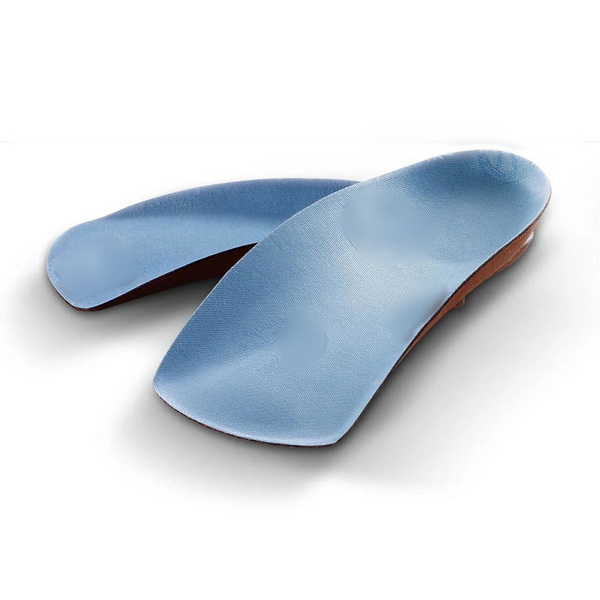
When deciding which is right for you, consider the following guidelines:
| Foot Concern | Recommended Device | Description |
|---|---|---|
| Tired feet or mild discomfort | Insole | General cushion and pressure relief. |
| Plantar fasciitis / arch pain | Custom orthotic | Realigns arch and supports heel stabilization. |
| Flat feet or overpronation | Rigid orthotic | Provides corrective structure. |
| Sports activities | EVA or PU insole | Lightweight shock absorption. |
| Diabetic or sensitive users | Gel insole with cover | Soft cushioning for gentle protection. |
| Heel pain / spur | Orthotic with deep heel cup | Targets and stabilizes heel pressure. |
For mass-market footwear, soft insoles suffice. But for individuals requiring medical-grade support, orthotics are a non-negotiable necessity.
Even the best orthotics or insoles lose performance over time. Continuous compression, heat, and moisture gradually degrade materials. Follow these maintenance steps to extend service life:
- Air dry after use: Remove inserts nightly to release moisture.
- Avoid extreme heat: Never place near radiators or sunlight.
- Hand clean only: Use a mild detergent; never machine wash.
- Regular inspections: Watch for flattening, peeling, or cracks.
- Replace on schedule: Insoles typically last 6–12 months, orthotics 2–3 years.
For OEM clients and distributors, we provide lifespan evaluations, density testing, and sustainable recycling plans for bulk product cycles.
High-performance footwear is no longer measured by design alone. Comfort engineering is now a core competitive factor for brands. Orthotics, when integrated properly, offer multiple advantages:
- Biomechanical correction: Aligns the ankle and arch for optimal posture.
- Shock absorption: Reduces stress on joints and tendons.
- Improved energy return: Enhances walking or running performance.
- Custom adaptability: Allows targeted variants for sports, health, and fashion.
- Reduced warranty claims: Fewer customer complaints about discomfort or sizing issues.
By embedding orthotic elements in design, OEM footwear brands can position themselves in premium comfort segments and differentiate from competitors.
The future of orthotic technology is shifting toward smart comfort systems. Innovations include:
- 3D printed orthotics customized from digital foot scans for perfect contouring.
- Eco-friendly materials such as bio-based EVA or recycled PU foams.
- Heat moldable inserts that adjust precisely to body weight and pressure.
- Sensor-integrated orthotics used for gait analysis and athletic feedback.
- Hybrid designs that combine corrective shells with soft memory foam topsheets.
These trends are redefining the intersection of medical science and footwear design. For OEM manufacturers, adopting these technologies early ensures global competitiveness in orthopedic and lifestyle footwear sectors.
If you're a consumer considering orthotics or insoles, keep these tips in mind:
- Before buying, check whether your existing shoe insole is removable.
- Start wearing orthotics for short periods each day, gradually increasing duration.
- Always purchase footwear with sufficient depth and volume to accommodate inserts.
- Replace worn-out footwear regularly—an orthotic is only as good as the shoe structure beneath it.
- For specific pain or deformity, consult a podiatrist before choosing off-the-shelf products.
These habits will help you enjoy optimal comfort and long-lasting foot support.
So, should orthotics go on top of insoles? In general, they should not. Orthotics are meant to replace, not double up with insoles. Their effectiveness depends on direct contact with the shoe's internal base, where they can maintain proper shape, stability, and alignment. While there are occasional exceptions, removal of the old insole remains the rule for best comfort and performance.
Understanding the difference between insoles and orthotics helps consumers use them correctly and allows manufacturers to design footwear that supports the body naturally. Through advanced materials, custom design, and precise engineering, orthotic technology offers solutions that enhance both well-being and product quality across global markets.
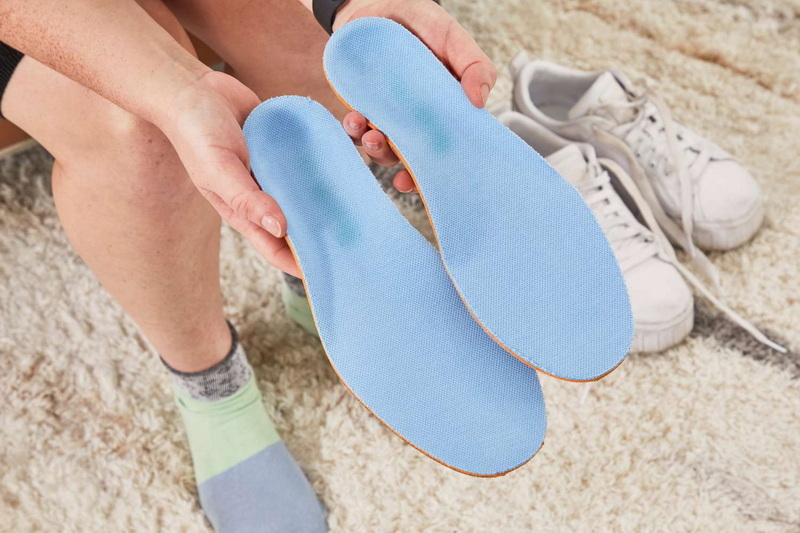
Generally, orthotics replace the insole. Layering can make your shoe feel tight and reduce support efficiency. However, if the original insole is fixed, using a slim orthotic above it is acceptable when properly fitted.
If your main concern is comfort, regular insoles will suffice. But if you have pain, alignment issues, or medical recommendations, orthotics are the right choice.
Yes, as long as the shoe provides enough depth and the shape is compatible. Many users have one pair of orthotics that they move between daily, athletic, and work shoes.
High-density EVA, TPU shells, and carbon fiber plates are popular for long-lasting orthotics. For premium comfort, these can be laminated with softer PU or memory foam layers.
OEM orthotic manufacturing allows brands to offer differentiated comfort products, strengthen brand reputation, and meet growing consumer demand for ergonomic footwear.


