
Views: 222 Author: Edvo Publish Time: 2026-01-07 Origin: Site


Content Menu
● What Is an FSA and How Does It Work?
● Are Orthotic Insoles FSA-Eligible?
● When Does My FSA Cover Orthotic Insoles?
● Custom vs. Prefabricated Orthotics Under FSA
● How Medical Necessity Affects Coverage
● How to Use FSA Funds to Buy Orthotic Insoles
● Common Foot Conditions That Support FSA Eligibility
● Limitations and Exclusions to Keep in Mind
● Strategies for Consumers to Maximize FSA Benefits
● Strategies for OEM and Brand Buyers in the U.S. Market
● FAQ
>> 1. Do all FSAs cover orthotic insoles?
>> 2. Do I need a prescription for FSA reimbursement?
>> 3. Are custom orthotics and off-the-shelf insoles treated differently?
>> 4. Can I buy orthotic insoles online with my FSA card?
>> 5. What documentation should I keep for my FSA claim?
Yes, in most cases a standard healthcare FSA in the United States does cover orthotic insoles when they qualify as a medical expense, especially if they are designed to treat a specific foot condition or prescribed by a healthcare professional. However, plan details vary, so it is essential to check your individual FSA rules and keep proper documentation such as receipts and, when needed, a prescription or letter of medical necessity.[2][3][4][5]
As a leading Chinese insole manufacturer providing OEM services for international brands, wholesalers, and footwear producers, understanding FSA eligibility can also help you design and position your orthotic insoles to meet the expectations of overseas customers and medical buyers.
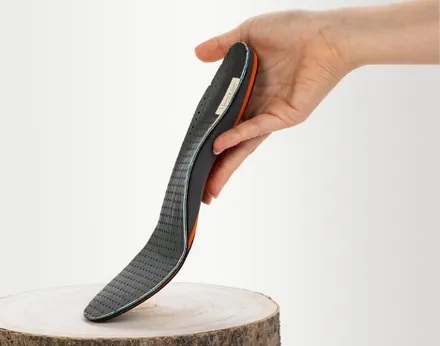
A Flexible Spending Account (FSA) is an employer-sponsored benefit that allows employees to set aside pre-tax money to pay for qualified medical expenses, including eligible products like orthotic inserts. Because this money is taken from gross income, consumers effectively save on taxes when they use FSA funds to buy medically necessary footcare products such as corrective insoles.[5][6]
Most FSAs are use-it-or-lose-it, meaning funds generally must be used within the plan year or a short grace period, so many consumers look for eligible medical products—such as orthopedic shoe inserts—before their benefits expire. For foreign insole brands selling into the U.S. market, clearly indicating FSA-eligible on product pages can help capture this seasonal demand and build trust with cost-conscious customers.[4][6]
Orthopedic shoe inserts and orthotic insoles are widely recognized as eligible for reimbursement with FSAs, HSAs, and often HRAs when used to treat or prevent a medical condition. Official eligibility lists and major FSA retailers routinely classify orthotic shoe inserts, arch supports, heel cups, and custom orthotics as qualified medical expenses rather than general comfort items.[3][2][5]
In many cases, both custom orthotics and high‑quality prefabricated orthotic insoles can be reimbursed through an FSA, especially when they are marketed or prescribed for conditions such as plantar fasciitis, flat feet, overpronation, heel pain, or arthritis. This is why many specialist brands promote their insoles as HSA/FSA-eligible to attract U.S. buyers who rely on tax-advantaged accounts to manage healthcare costs.[7][8][9][4]
Your FSA is more likely to cover orthotic insoles when the insoles are clearly linked to medical treatment rather than simple lifestyle comfort. Common qualifying situations include insoles designed for plantar fasciitis, severe flat feet, diabetic foot protection, chronic heel pain, or other diagnosed biomechanical problems.[8][2][7]
Many FSA administrators accept OTC orthopedic insoles without a prescription if the product is clearly labeled and marketed for medical use, but others may ask for a prescription or letter of medical necessity from a doctor, podiatrist, or physical therapist. For manufacturers and OEM suppliers, positioning products as medical‑grade orthotic insoles—backed by clear indications and technical descriptions—helps consumers justify FSA reimbursement and supports medical channel marketing.[10][4][7]
Custom orthotics are individually molded devices created from a patient's foot impression, and they are usually considered a qualified medical expense when prescribed for specific diagnoses. These products are more expensive, but FSA funds can significantly reduce the out-of-pocket cost when a doctor confirms medical necessity.[11][3][8]
Prefabricated or off‑the‑shelf orthotic insoles can also be FSA-eligible if they are marketed and used for therapeutic purposes, such as arch support for flat feet or cushioning for heel spurs, rather than simple fashion comfort. As an OEM factory, offering both custom‑like and advanced prefabricated options allows your buyers to serve different price levels and still keep strong FSA appeal.[2][7]
From a design perspective, custom orthotics focus on precise correction and long-term durability, while premium prefabricated insoles emphasize standardized arch profiles, pressure redistribution, and easy replacement. Both categories benefit from clear labeling, material specifications, and usage instructions that reinforce their medical purpose.[5][11]
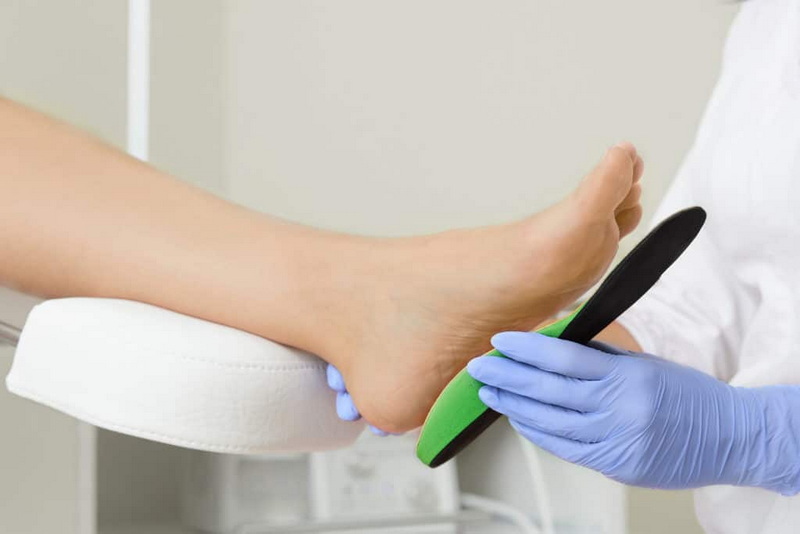
Most FSAs follow U.S. tax rules that distinguish between medical care and personal comfort, so the concept of “medical necessity” is central to determining coverage. Orthotic insoles qualify as medical expenses when they diagnose, treat, alleviate, or prevent a specific disease or condition, such as plantar fasciitis, structural foot deformities, or diabetic neuropathy.[12][7][5]
Some FSA plans require a prescription or a letter of medical necessity that includes the patient's diagnosis, the recommended treatment (orthotic insoles), and the expected duration of use. For professional brands working with clinics or podiatrists, providing technical documentation and clinical support data makes it easier for doctors to recommend your insoles in such letters.[4][11]
When an insole is purchased purely for extra comfort in casual shoes, without any connection to a diagnosed issue, the expense may be considered personal and therefore not eligible under FSA rules. This distinction is important for marketing content: emphasizing pain relief, support for specific conditions, and functional outcomes helps align the product with medical expectations.[13][5]
In many cases, consumers can pay directly with their FSA debit card when purchasing FSA-eligible insoles from approved retailers or medical providers. Many online shops integrate automatic eligibility checks, so FSA cards are accepted for qualifying items like orthotic insoles, arch supports, and specialized heel cushions.[9][14][2][4]
If the store does not accept FSA cards, consumers can pay with a regular credit card and later submit a reimbursement claim with a detailed receipt and, when required, supporting medical documents. To increase approval chances, the receipt should include the product name, quantity, price, and a clear description such as “orthopedic shoe inserts” or “orthotic insoles” instead of vague terms like “shoe accessory.”[2][7][10][11]
For manufacturers selling through e‑commerce channels, structuring product titles and bullet points around medical benefits—arch support, overpronation control, plantar fasciitis relief—helps both search visibility and FSA documentation. Providing downloadable invoices or automated receipts also simplifies record-keeping for FSA users.[7][4]
Many of the conditions that drive demand for orthotic insoles are explicitly recognized as medical issues, which strengthens the case for FSA coverage. Examples include plantar fasciitis, metatarsalgia, Achilles tendon problems, bunions, flat feet, high arches, and diabetic foot complications.[11][5][7]
Doctors often recommend orthotic insoles to redistribute pressure across the foot, stabilize the heel, and correct alignment, thereby reducing pain in the knees, hips, and lower back. When a healthcare provider links an insole to these therapeutic outcomes in a treatment plan, it becomes much easier to justify the expense as “medically necessary” instead of purely comfort-driven.[5][11]
For OEM factories, designing collections targeted at specific indications—such as plantar fasciitis insoles or diabetic offloading insoles—creates clearer value propositions for medical retailers and clinic partners. Product segmentation by condition also supports more precise marketing content and improves conversion among FSA users looking for specialized solutions.[8][10][4]
Not all benefit accounts operate the same way, and some limitations can surprise consumers if they are not familiar with plan rules. Standard health FSAs and HRAs typically cover orthotic insoles, but limited purpose FSAs, which focus only on dental and vision expenses, often do not cover these products.[3][11]
In addition, insoles purchased purely for general comfort, fashion, or athletic performance without any connection to a medical condition may be denied as personal expenses rather than medical care. Some plans also limit how often you can claim orthotic devices within a year or require additional review for high-cost custom orthotics.[7][11][5]
Consumers should carefully read their plan documents and, when uncertain, ask the FSA administrator whether a specific orthotic insole is eligible before purchasing. For brands and OEM manufacturers, being transparent about use cases, durability expectations, and replacement cycles helps buyers understand how often they may reasonably claim your products.[10][5]
Consumers can take several practical steps to get the most value from their FSA while managing foot health. First, they can schedule foot evaluations earlier in the plan year so that any recommended orthotic insoles are clearly documented and still have time for reimbursement.[4][5][7]
Second, they can plan purchases of orthotic insoles, supportive footwear, and related footcare items toward the end of the year if there is remaining FSA balance, preventing funds from expiring unused. Third, keeping a dedicated folder or digital archive for receipts, prescriptions, and letters of medical necessity makes claim submission and potential audits easier.[6][10][5]
People with chronic conditions such as diabetes or long-term plantar fasciitis may benefit from discussing annual orthotic replacement schedules with their doctor, then aligning these schedules with FSA contributions. This approach creates a predictable cycle of prevention, treatment, and financial planning.[11][5]
For overseas OEM manufacturers and private-label brands, aligning product design and marketing with FSA requirements can increase competitiveness in the U.S. healthcare and retail markets. One strategy is to build a specialized orthotic insole line that clearly addresses common foot conditions, specifying arch type, support level, and recommended usage scenarios.[8][7]
Another strategy is to develop educational content—blogs, product guides, and packaging inserts—explaining how orthotic insoles help with pain relief and posture correction, which supports both doctor recommendations and FSA reimbursement. Partnering with podiatrists, sports medicine clinics, or orthopedic distributors allows brands to gather professional feedback and possibly clinical endorsements for key models.[8][4][5]
From a technical perspective, OEM factories can offer multiple material combinations (EVA, PU, rubber, gel, memory foam, and composite stabilizers) to achieve different levels of cushioning and control that match medical and retail expectations. Customization options such as varying arch heights, heel cup depth, forefoot cushioning, and top cover fabrics also allow brands to differentiate their FSA‑oriented insoles in crowded markets.[9][8]
Most general health FSAs in the United States do cover orthotic insoles when they are used to treat or prevent specific foot conditions and meet the definition of a qualified medical expense. Both custom orthotics and high-quality prefabricated orthotic insoles can qualify, especially when they are prescribed or clearly marketed for medical use rather than simple comfort.[2][3][4][7]
Consumers should review their individual FSA rules, retain receipts, and obtain medical documentation where necessary to secure reimbursement for orthotic inserts. For global shoe insole brands and OEM factories, designing medically oriented products and clearly communicating their therapeutic functions supports both patient outcomes and FSA eligibility in the U.S. market.[10][5][7][11]
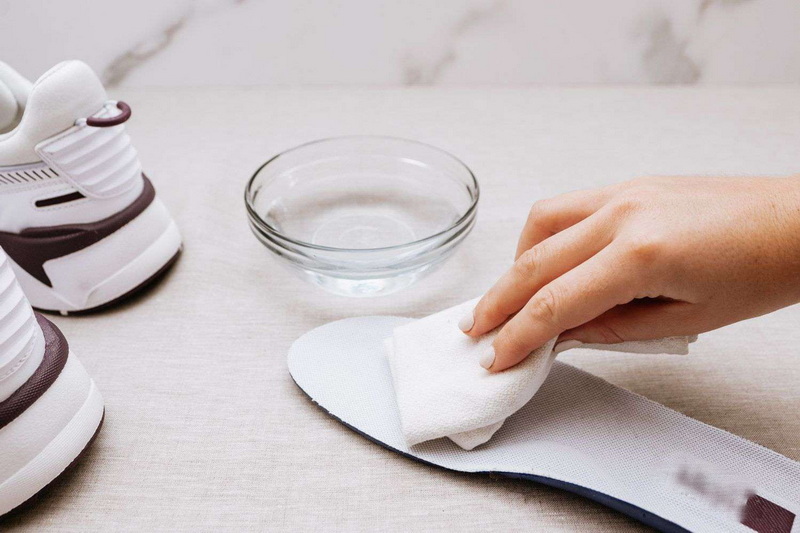
Not every FSA automatically covers every type of insole, but most standard health FSAs recognize orthopedic shoe inserts and orthotic devices as eligible medical expenses when they treat a specific condition. Limited purpose FSAs, which usually focus on dental and vision, typically do not cover orthotic insoles, so plan type matters.[3][2][11]
Many FSA plans allow reimbursement for OTC orthopedic insoles without a prescription if the product is clearly marketed for medical use, such as plantar fasciitis or arch support. However, some administrators request a doctor's prescription or a letter of medical necessity, especially for custom orthotics or higher‑cost products, so checking your plan's rules is important.[2][4][7][11]
Custom orthotics made from foot impressions are almost always considered medical devices when prescribed for a diagnosed condition, so they are typically FSA-eligible. Off‑the‑shelf orthotic insoles can also be covered as long as they are designed and labeled for therapeutic use rather than general comfort or fashion.[3][7][11][2]
Yes, many online retailers and specialist brands accept FSA and HSA cards for eligible orthotic insoles, shoe inserts, and related footcare products. If a website does not accept FSA cards directly, you can usually pay with a regular card and request reimbursement by submitting your receipt and any required medical documents to the FSA administrator.[14][4][10][11]
You should retain an itemized receipt that lists the product name, price, and purchase date, clearly describing it as an orthopedic or orthotic insole rather than a generic shoe accessory. If your plan requires medical necessity, also keep a prescription or letter from your doctor explaining the diagnosis and why orthotic insoles are recommended for your condition.[4][7][11][2]
[1](https://www.perplexity.ai/search/b67eb9f3-b055-4d6f-8a46-d7fe1c4c886d)
[2](https://fsastore.com/fsa-eligibility-list/o/orthopedic-shoe-inserts)
[3](https://hsastore.com/hsa-eligibility-list/o/orthotics)
[4](https://powerstep.com/pages/hsa-fsa-eligible-orthotics-by-powerstep)
[5](https://www.hsabank.com/HSABank/Learning-Center/IRS-qualified-medical-expenses)
[6](https://www.aetna.com/health-guide/hsa-vs-fsa.html)
[7](https://buyfsa.com/blogs/fsa-hsa-eligibility-list/are-shoe-insoles-and-inserts-fsa-hsa-eligible)
[8](https://www.upstep.com/a/blog/fsa-eligible-buy-custom-orthotics-with-your-fsa-funds)
[9](https://www.superfeet.com/pages/hsa-fsa-eligible-insoles)
[10](https://orthoticsdirect.com/pages/hsa-fsa-eligibility)
[11](https://www.upstep.com/a/answers/orthotics/are-custom-orthotics-and-insoles-eligible-for-hsa-hra-and-lpfsa)
[12](https://www.irs.gov/publications/p502)
[13](https://www.irs.gov/taxtopics/tc502)
[14](https://www.orthofeet.com/collections/hsa-fsa-eligible-insoles-socks)


