
Views: 222 Author: Edvo Publish Time: 2026-02-14 Origin: Site


Content Menu
● Why Clean Your Shoe Insoles Regularly
● Basic Rules Before You Start Cleaning
● Step‑By‑Step: How To Clean Shoe Insoles
>> 1. Remove and Inspect Your Shoe Insoles
>> 2. Prepare a Mild Cleaning Solution
>> 3. Hand Wash With a Brush or Cloth
● Dealing With Odor: Simple Home Remedies
>> Baking Soda for Deodorizing Shoe Insoles
>> Rubbing Alcohol or Hydrogen Peroxide
● Special Care for Different Types of Shoe Insoles
>> Foam and Fabric Shoe Insoles
>> Wool or Merino Shoe Insoles
● How Often Should You Clean Shoe Insoles?
● When to Replace Your Shoe Insoles Instead of Cleaning
● Extra Reddit‑Style Tips to Keep Shoe Insoles Fresher
● How Proper Cleaning Benefits Brands and OEM Partners
● FAQ
>> 1. How do I clean Shoe Insoles without ruining them?
>> 2. Can I put Shoe Insoles in the washing machine?
>> 3. What is the best way to remove bad odor from Shoe Insoles?
>> 4. How often should I wash my Shoe Insoles?
>> 5. When should I replace my Shoe Insoles instead of cleaning them?
Keeping your Shoe Insoles clean is one of the easiest ways to improve foot hygiene, reduce odor, and extend the life of your favorite footwear. Many people turn to Reddit to ask how to clean Shoe Insoles safely, and the most popular answers usually recommend gentle hand washing, proper drying, and using simple home remedies like baking soda, vinegar, or mild detergent.
As a leading Chinese Shoe Insoles manufacturer providing OEM services to global brands, wholesalers, and producers, we understand how important correct cleaning is for both comfort and durability. This guide summarizes the kind of practical advice you often see in Reddit‑style discussions, combined with professional care recommendations from insole and footwear brands.

Dirty Shoe Insoles are a major source of bad shoe smell because sweat, bacteria, and skin cells accumulate in the insole material over time. When bacteria break down sweat and organic debris trapped in Shoe Insoles, they produce unpleasant odors and can even contribute to foot issues like athlete's foot.
Regularly cleaning Shoe Insoles helps you:
- Reduce odor and keep your shoes fresher for longer.
- Improve hygiene by lowering bacterial build‑up on the insole surface.
- Maintain cushioning, as built‑up grime can harden or damage some insole materials.
- Extend the lifespan of high‑quality Shoe Insoles, delaying replacement.
If you use Shoe Insoles for sports, work, or daily walking, weekly or bi‑weekly cleaning is often recommended, depending on how much you sweat and how often you wear the same pair.
Before you follow any Reddit tip about cleaning Shoe Insoles, it is important to understand a few basic rules that almost all experts agree on.
- Always remove Shoe Insoles from the shoes before washing them, if they are removable.
- Avoid high heat (hair dryers, radiators, dryers), which can warp or shrink many types of Shoe Insoles.
- Use mild cleaning products like gentle soap, dish detergent, or non‑bleach laundry detergent for most standard foam or fabric Shoe Insoles.
- Allow Shoe Insoles to air dry completely before putting them back in your shoes to avoid trapping moisture and bacteria.
- Always check any manufacturer care instructions printed on or included with your Shoe Insoles, especially for specialty or orthopedic models.
First, take the Shoe Insoles out of your shoes and place them on a flat surface. Check the top fabric layer and the underside for dark stains, heavy sweat marks, or areas where the foam looks compressed or damaged.
If the top fabric is torn, the foam is crumbling, or there is a smell that doesn't improve after cleaning, many users and brands recommend replacing the Shoe Insoles instead of repeatedly washing them.
Fill a bowl, bucket, or sink with warm (not hot) water and add a small amount of mild detergent such as dish soap, non‑bleach laundry detergent, or gentle hand soap. Swish the water until it becomes slightly soapy but not overly foamy, because too much detergent can be difficult to rinse out of the Shoe Insoles.
People often warn that harsh chemicals like bleach or strong solvents should be avoided because they can degrade adhesives and materials in many Shoe Insoles.
Dip a soft brush (like an old toothbrush) or a soft cloth into the soapy water and gently scrub the surface of the Shoe Insoles. Focus extra attention on the heel and forefoot areas where most sweat and pressure accumulate.
- For fabric‑covered Shoe Insoles: Use small circular motions to lift dirt and sweat from the fibers without rough scrubbing that could fuzz the surface.
- For foam Shoe Insoles: Use a light touch so you do not gouge or tear the foam.
- For textured or perforated Shoe Insoles: Work soap into the grooves and holes, where bacteria and odor can hide.
If your Shoe Insoles are only lightly dirty, you can simply wipe them with a cloth dipped in the mild solution instead of fully scrubbing.
Once you finish scrubbing, rinse the Shoe Insoles under running water or use a clean wet cloth to wipe away soap residue. Too much water absorption can be a problem for some Shoe Insoles, so try not to soak them longer than necessary.
Gently squeeze (do not twist) flexible Shoe Insoles to push out excess water and pat them with a towel before drying.
Place the Shoe Insoles in a well‑ventilated area at room temperature, away from direct sunlight, heaters, radiators, or dryers. Excessive heat can warp plastic, foam, or gel structures and damage glues used in multi‑layer Shoe Insoles.
Depending on the thickness and material of your Shoe Insoles, drying can take from several hours to overnight. Insoles must be fully dry before you put them back into your shoes to prevent mold and odor.
Even after washing, some Shoe Insoles hold on to stubborn odors, especially if they are used daily for sports or work. Many simple, low‑cost home solutions are effective and widely recommended.
Baking soda is one of the most popular odor remedies because it absorbs moisture and neutralizes bad smells.
You can use baking soda on Shoe Insoles in several ways:
- Place your dry Shoe Insoles in a plastic bag with 1–2 teaspoons of baking soda, shake, and leave overnight; then remove and shake off excess powder the next day.
- Sprinkle a thin layer of baking soda directly on the Shoe Insoles, leave it overnight, and brush off the powder in the morning.
This method works especially well for fabric, foam, and gel Shoe Insoles, although it should be used more sparingly on leather models.
A mixture of white vinegar and water is another common method for disinfecting and deodorizing Shoe Insoles. Vinegar is mildly acidic and can help kill odor‑causing bacteria while reducing smells.
To use it safely:
- Mix equal parts white vinegar and water in a spray bottle.
- Lightly mist the surface of your Shoe Insoles or dampen a cloth with the solution and wipe them.
- Allow the Shoe Insoles to air dry fully in a ventilated area.
Orthotic‑care sources also highlight vinegar‑water spray as a natural deodorizer for insoles and orthotics.
For very stubborn odor, some guides recommend using rubbing alcohol or hydrogen peroxide as a disinfectant. These liquids kill bacteria and evaporate quickly, which reduces the risk of moisture damage.
You can mix equal parts water and rubbing alcohol, dampen a cloth, and wipe the Shoe Insoles or spray lightly and then let them dry fully. Always test on a small area first and avoid frequent use on delicate materials.
Not all Shoe Insoles are made the same way, so cleaning methods need to be adjusted to avoid damage.
Most everyday Shoe Insoles are foam with a fabric top, and they respond well to mild soap, warm water, and hand washing. These Shoe Insoles should not be machine‑washed or dried, because agitation and heat can deform them or damage adhesive layers.
Gel or plastic‑based Shoe Insoles are generally resistant to water and can be cleaned with the same mild soap solution and a soft cloth. Avoid abrasive tools that may scratch the surface, and dry these Shoe Insoles with a towel before air‑drying them completely.
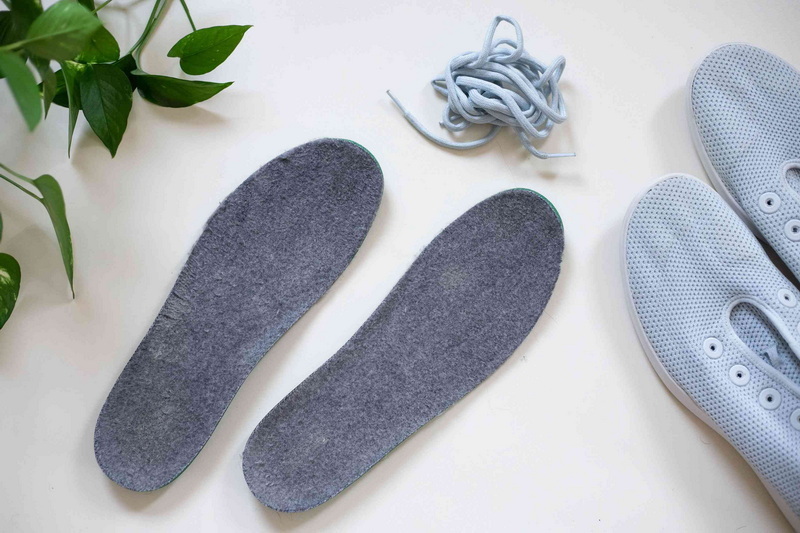
Some premium Shoe Insoles use wool or Merino fibers, which are naturally moisture‑wicking and odor‑resistant. For these, manufacturers often recommend brushing away loose dirt and spot‑cleaning with a cloth, lukewarm water, and mild detergent instead of soaking the entire insole.
Leather Shoe Insoles require gentler care because soaking can stiffen or crack the leather. Recommended steps usually include:
- Wiping with a slightly damp cloth and mild soap.
- Allowing the leather Shoe Insoles to dry slowly away from direct heat.
- Optionally applying a leather conditioner to keep the surface supple once dry.
There is no single perfect schedule, but shoe‑care experts typically suggest cleaning Shoe Insoles whenever they begin to smell or look dirty. For athletes or people who wear the same shoes every day, weekly cleaning can help keep odor under control and maintain hygiene.
Between deep cleanings, you can:
- Air out your Shoe Insoles by removing them from shoes overnight.
- Use baking soda or deodorizing sprays occasionally to keep them fresh.
- Rotate multiple pairs of Shoe Insoles or shoes to allow each pair to dry completely between uses.
If odor returns quickly even after your Shoe Insoles are cleaned and dried, it might be time to replace them.
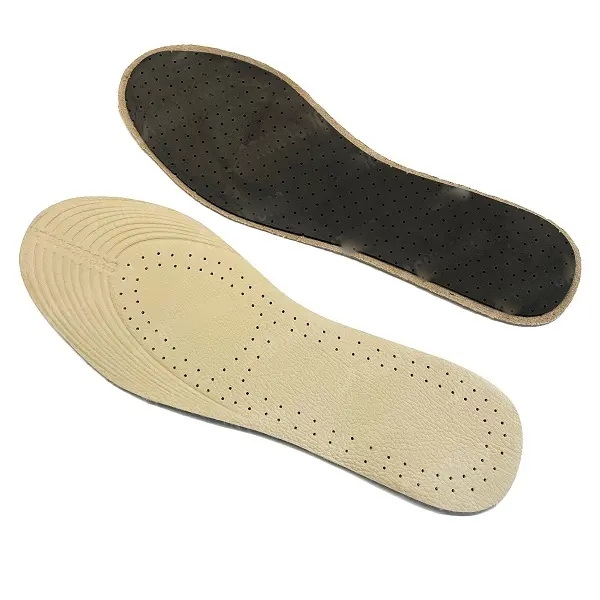
There is a limit to how much cleaning can help old Shoe Insoles. You should consider replacement when:
- The Shoe Insoles are visibly cracked, torn, or the top fabric is peeling away.
- Cushioning feels flat or unsupportive under the heel and arch.
- Smell returns almost immediately after washing and drying.
- You have used the same Shoe Insoles for many months of daily heavy use.
Many manufacturers recommend changing Shoe Insoles every 6–12 months for regular users, or more often for athletes, depending on mileage and wear. As an OEM Shoe Insoles supplier, we work with brands that design replacement insoles specifically for this purpose, giving customers a simple way to refresh worn shoes without buying a new pair.
To reduce how often you need to deep‑clean Shoe Insoles, focus on daily habits that prevent odor and bacteria growth.
- Always let shoes and Shoe Insoles dry out completely between wears; avoid storing damp shoes in closed spaces such as gym bags or lockers.
- Wear moisture‑wicking socks to keep sweat away from both your feet and the Shoe Insoles, especially during sports or long work shifts.
- Use baking soda, talcum powder, or specialized insole deodorizing products periodically to keep odor under control.
- Rotate between two or more pairs of shoes so each pair and its Shoe Insoles has time to dry fully.
- For people with very sweaty feet, consider performance Shoe Insoles designed with antimicrobial top covers and ventilation channels to manage moisture more effectively.
Small everyday actions like these can significantly extend the freshness of both your shoes and your Shoe Insoles.
For brands, retailers, and OEM partners working with high‑quality Shoe Insoles, educating customers about cleaning can deliver real business benefits. When end users know how to clean and maintain their Shoe Insoles correctly, they experience better comfort, less odor, and longer product life, which usually leads to higher satisfaction and stronger brand loyalty.
Clear care instructions on packaging, product pages, or hang tags reduce unnecessary returns from customers who think the Shoe Insoles “failed” when they are simply dirty or poorly maintained. By promoting easy routines like hand washing, air drying, and periodic replacement of Shoe Insoles, brands can present themselves as professional and responsible, particularly in sports, outdoor, and work footwear segments.
Cleaning Shoe Insoles using gentle methods—hand washing with mild soap, rinsing carefully, and air drying—is a safe and effective way to control odor and extend the life of your insoles. Simple home remedies such as baking soda, vinegar solutions, and occasional use of disinfecting agents can tackle stubborn smells without expensive products. [superfeet](https://www.superfeet.com/pages/faqs)
By understanding the material of your Shoe Insoles, respecting basic care rules, and replacing worn‑out insoles on time, you can keep your shoes comfortable, hygienic, and fresh even with heavy daily use. For brands, retailers, and OEM partners, educating customers on correct Shoe Insoles cleaning not only reduces complaints about odor but also increases satisfaction with your footwear products over the long term.
Contact us to get more information!
To clean Shoe Insoles safely, remove them from the shoe, hand wash them with warm water and mild soap, gently scrub with a soft brush or cloth, rinse carefully, and let them air dry away from heat. Avoid machine washing or drying, as agitation and high temperatures can warp or delaminate many Shoe Insoles.
Some people do machine wash insoles, but most footwear brands strongly advise against it for standard foam, gel, and custom Shoe Insoles. The combination of water, spinning, and heat can damage structure, adhesives, and cushioning, so gentle hand washing is a much safer option for most Shoe Insoles.
For stubborn odor, effective methods include hand washing Shoe Insoles with mild soap, then using baking soda overnight to absorb remaining smells. You can also spray them with a diluted vinegar solution or rubbing alcohol to kill bacteria and then air dry them completely before reuse.
If you wear the same shoes daily or do intense sports, washing your Shoe Insoles about once a week is a practical guideline, and more often during hot or humid weather. For occasional wear, you can clean Shoe Insoles whenever they start to smell or show visible dirt, and use baking soda or deodorizing sprays between washes.
You should replace Shoe Insoles when they are visibly worn out, flattened, cracked, or when odors return quickly even after thorough cleaning and drying. Many insole manufacturers suggest replacing heavily used Shoe Insoles every 6–12 months, or sooner for high‑impact sports, to maintain support and hygiene.


