
Views: 222 Author: Amanda Publish Time: 2025-09-15 Origin: Site


Content Menu
● Why Cleaning Suede Shoe Insoles Is Important
● What Makes Suede Shoe Insoles Different?
● Step-by-Step Guide to Clean Suede Shoe Insoles
>> 1. Remove the Insoles and Dry Them
>> 2. Brush Off Loose Dirt and Debris
>> 3. Apply a Suede Eraser or Cleaner
>> 4. Create a Mild Cleaning Solution
>> 5. Lightly Spray or Dab the Suede Insoles
>> 6. Allow the Insoles to Air Dry Fully
>> 7. Deodorize with Baking Soda
● Additional Tips for Suede Shoe Insole Care
● Common Mistakes to Avoid When Cleaning Suede Shoe Insoles
● Hand Washing vs. Machine Washing Shoe Insoles
● Dealing with Persistent Odors in Shoe Insoles
● How Often Should You Clean Suede Shoe Insoles?
● How to Store Suede Shoe Insoles
● Special Care: When to Replace Shoe Insoles
>> 1. Can I wash suede shoe insoles in a washing machine?
>> 2. What should I do if my suede insoles smell bad?
>> 3. How often should I clean my suede shoe insoles?
>> 4. Will cleaning remove stains from suede insoles completely?
>> 5. How do I store suede shoe insoles when not in use?
Shoe insoles are one of the most important components when it comes to comfort, hygiene, and support in footwear. Among various materials, suede shoe insoles stand out for their softness and unique texture, which provide both luxury and functionality. However, suede requires special care to maintain its look and performance. This comprehensive guide covers everything about how to clean suede shoe insoles thoroughly, keeping them fresh, odor-free, and in top shape for long-term use.

Suede shoe insoles tend to absorb sweat, dirt, and bacteria due to their porous nature. Over time, this leads to unpleasant odors, loss of cushioning, and possible damage to the shoe itself. Proper cleaning not only prolongs the life of the insoles but also enhances foot health by preventing fungal and bacterial infections, irritation, and bad smells.
Unlike regular foam or gel insoles, suede has a delicate fibrous nap that can be easily damaged by water, harsh chemicals, or aggressive scrubbing. Cleaning suede shoe insoles requires gentle methods to preserve the softness and texture without shrinking or discoloration.
For effective cleaning of suede shoe insoles, gather these items:
- Soft suede brush or gentle bristle brush
- Suede eraser or suede cleaning block
- Mild liquid detergent or specialized suede cleaner
- White vinegar or rubbing alcohol
- Clean microfiber towels or cotton cloths
- Baking soda powder
- Spray bottle (optional)
- Soft toothbrush for detailed scrubbing
- Gloves (optional for hand protection)
Take the shoe insoles out of your footwear and let them air dry if they are damp. Never attempt cleaning wet suede insoles as water could stain or warp the material. Use a dry towel to gently blot excess moisture if needed.
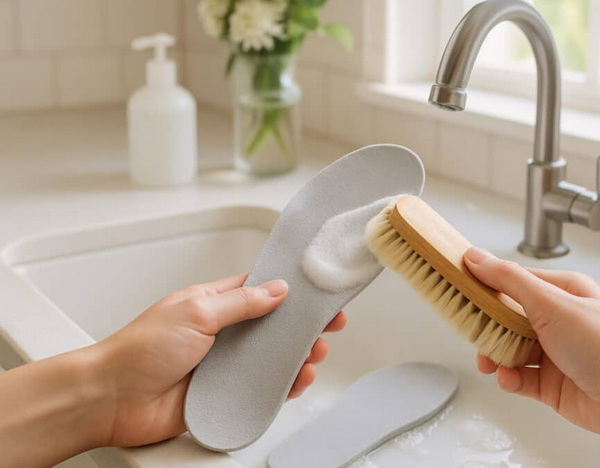
Use a soft suede brush or a soft bristle brush to gently sweep away surface dirt and dust particles. Brush with light, circular motions to lift up the nap and loosen dirt.
For stains or scuffs, rub a suede eraser or cleaning block lightly on the affected areas until the dirt fades. This helps restore the texture without soaking the material.
Mix equal parts white vinegar (or rubbing alcohol) and water in a spray bottle or bowl. Vinegar is excellent at disinfecting and deodorizing without damaging suede.
Spray the cleaning solution sparingly or dip a clean cloth into it and gently dab over the surface of the insoles. Avoid saturating the suede. Use a soft toothbrush to work the solution into stubborn spots if needed.
Place the insoles somewhere well-ventilated and let them dry naturally at room temperature. Avoid direct sunlight or heat sources like hairdryers that can cause shrinking or discoloration.
Once dry, sprinkle baking soda over the insoles to absorb lingering odors. Let the powder sit overnight and then shake or brush it off. This step refreshes the insoles and keeps them smelling clean.
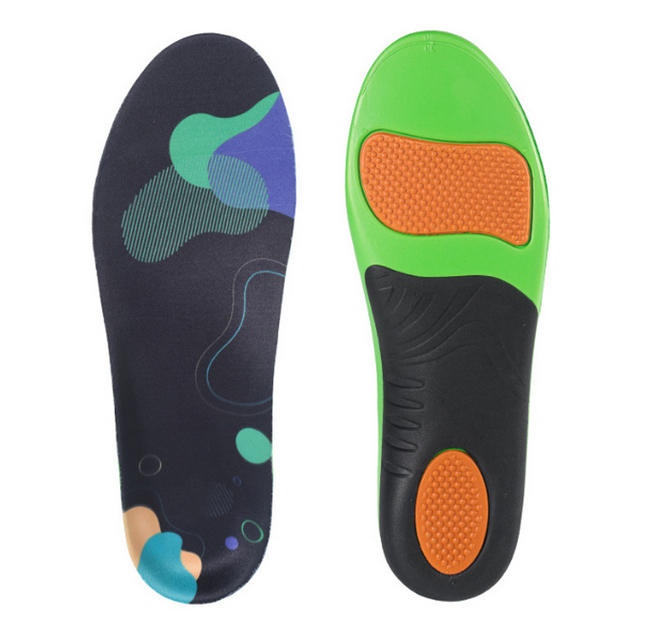
- Rotate different pairs of insoles to let each pair dry fully between uses.
- Avoid soaking suede insoles in water or harsh chemicals.
- Store insoles in a cool, dry place when not in use.
- Use protective sprays designed for suede to guard against stains and water damage.
- Replace insoles periodically to maintain optimal foot support.
- Using excessive water which can cause stains and warp the suede.
- Applying harsh detergents or bleach that degrade suede fibers.
- Scrubbing aggressively and damaging the suede nap.
- Drying insoles with direct heat or sunlight leading to hardening or shrinking.
- Ignoring odor buildup—regular deodorizing is essential.
Most experts recommend hand-washing shoe insoles for all materials, especially suede, because it provides better control and reduces the risk of damage. Machine washing, even on delicate cycles, can cause foam breakdown, leather cracking, or suede shrinkage. For suede shoe insoles, never use a washing machine.
Hand washing allows you to focus gently on problem areas with mild detergents or vinegar solutions, ensuring the suede's delicate nap remains intact.
Cleaning alone sometimes isn't enough to remove stubborn smells. Here are effective odor-fighting treatments for shoe insoles:
- Baking Soda Treatment: Sprinkle baking soda on dry insoles and let it sit overnight. Baking soda absorbs sweat and neutralizes odors naturally.
- Vinegar Spray: A mix of equal parts white vinegar and water sprayed lightly on insoles helps disinfect and remove bacteria causing odors.
- Rubbing Alcohol Spray: Dilute isopropyl alcohol (70-90%) with water and lightly spray insoles. Alcohol kills bacteria and evaporates quickly, reducing odor without soaking suede.
- Sunlight Exposure: Place insoles in indirect sunlight for 2-3 hours per side to disinfect with UV light. Avoid direct harsh sunlight on delicate suede as it can fade or dry out the material.
Frequency depends on usage but as a general rule:
- Clean insoles every 2-4 weeks for regular use.
- For heavy or athletic use, clean weekly.
- Brush lightly after every use to remove dust and keep nap lifted.
- Deodorize monthly or when odor appears.
Routine maintenance prolongs insole life and prevents buildup of sweat, dirt, and bacteria.
Proper storage keeps your suede insoles in the best condition:
- Remove them from shoes after use to air out.
- Store in a dry, well-ventilated area away from moisture buildup.
- Avoid plastic bags or airtight containers that trap humidity.
- Use silica gel packs if storing long term to absorb moisture.
- Rotate pairs frequently to reduce wear.
Proper storage helps avoid mildew growth and unwanted odors.
No matter how well you clean, shoe insoles wear out over time:
- Replace if the suede becomes overly worn, thin, or starts to peel.
- If foot support or cushioning degrades, it's time for new insoles.
- Persistent odor after cleaning is a sign insoles need replacement.
- Replace every 6-12 months depending on frequency and activity.
Regular replacement ensures foot comfort and shoe longevity.
Cleaning suede shoe insoles properly is essential for maintaining their appearance, comfort, and hygiene. By following gentle cleaning techniques with appropriate supplies like suede brushes, mild vinegar solutions, and baking soda deodorizing, one can extend the life of the insoles and keep feet healthy. Avoiding water saturation and heat exposure preserves the delicate suede texture. Regular care and timely cleaning will ensure your shoe insoles remain fresh, supportive, and comfortable for daily wear.
No, machine washing suede insoles can ruin their texture and shape. Always clean by hand with gentle methods and avoid soaking.
Use baking soda to deodorize by sprinkling it on dry insoles overnight and brushing off the residue. Vinegar sprays can also help neutralize odors.
Clean insoles every 2-4 weeks depending on use frequency. Regular brushing and deodorizing can be done weekly to keep them fresh.
Some stains may be permanent, especially if oils have set in. Prompt cleaning and stain treatment improve appearance but some discoloration might remain.
Store them in a cool, dry place away from direct sunlight or plastic bags to avoid moisture buildup, which can cause mildew or odors.
[1](https://www.nushoeinspectandcorrect.com/best-way-to-clean-insoles-of-shoes/)
[2](https://www.electroluxarabia.com/blog/how-to-wash-shoes-in-washing-machine/)
[3](https://treadlabs.com/blogs/insoles-reach-your-stride/how-to-clean-shoe-insoles-essential-care-guide)
[4](https://footwearetc.com/pages/footwear-cleaning-guide)
[5](https://www.instagram.com/reel/DNqeXhYqyCP/)
[6](https://www.shoesforcrews.com/sfc3/index.cfm?changeWebsite=US_en&route=inserts.QA%2Fcleaning_caring)
[7](https://www.whirlpool.com/blog/washers-and-dryers/how-to-wash-shoes-in-washing-machine.html)
[8](https://www.youtube.com/watch?v=t3S7QP2oEXU)


