
Views: 222 Author: Edvo Publish Time: 2026-01-31 Origin: Site


Content Menu
● The Role and Function of Shoe Insoles
● Does Removing Insoles Really Make Shoes Bigger?
● How Shoe Design Depends on Insoles
● Different Types of Shoe Insoles and How They Affect Fit
>> Gel Insoles
>> Orthotic Replacement Insoles
● Why Shoe Fit and Support Matter More Than Size
● Alternatives to Removing Insoles
>> 2. Try Professional Shoe Stretching
>> 3. Adjust the Lacing Technique
>> 4. Replace Original Insoles with Custom Orthotics
>> 5. Wear Shoes with Natural Room
● When It's Okay to Remove Insoles
● Correct Way to Remove and Replace Insoles
● How OEM Manufacturers Improve Insole Design
>> Key OEM Customization Features
● Advanced Insights: Impact of Insoles on Performance
>> Sports and Orthopedics Connection
● How to Know If You Should Replace the Insoles Instead
>> Signs You Need Replacement:
>> 1. Do all shoes have removable insoles?
>> 2. Will removing insoles damage my shoes?
>> 3. Can thinner insoles help tight shoes?
>> 4. How often should I replace my insoles?
>> 5. What's the benefit of OEM custom insoles?
When your shoes feel too tight or uncomfortable, you might wonder—does taking the insoles out of shoes make them bigger? It seems logical that removing something from inside a shoe would give more room, but the effect depends on the shoe's structure and the type of shoe insoles it uses. This question matters not just for buyers but also for manufacturers and retailers who deal with footwear sizing and customization.
This comprehensive guide explains how shoe insoles affect fit and comfort, when removing them might help, what alternatives exist, and why OEM shoe insole solutions offer a long-term advantage.
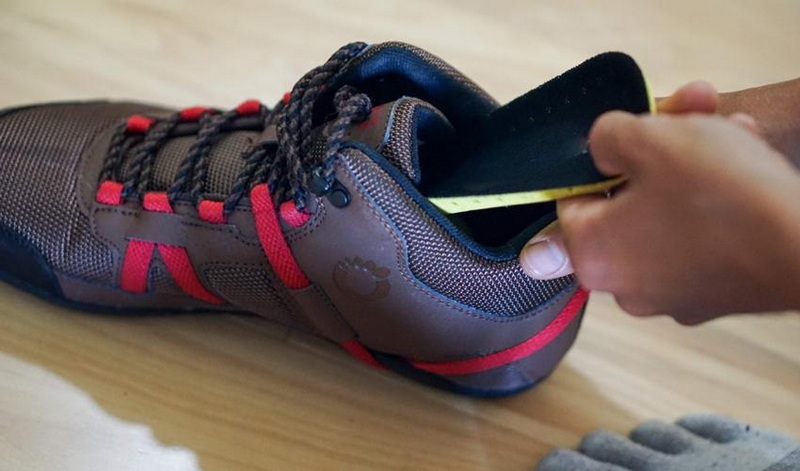
Shoe insoles—the inner layers sitting between your foot and the shoe's midsole—are one of the most important but underrated parts of footwear design. They directly influence how feet feel in the shoe and how long the shoes remain comfortable.
- Cushioning: Absorbs impact, particularly in heels and arches.
- Stability: Keeps the foot steady during movement or sports.
- Support: Maintains natural arch alignment to prevent pain or fatigue.
- Moisture Control: Regulates sweat and humidity, preventing odors.
- Fit Enhancement: Adjusts the internal volume of the shoe for a snug feel.
Every manufacturer designs shoes around the insole's intended function. For example, running shoes usually include thicker foam or gel-based shoe insoles, while fashion sneakers may have thinner ones to maintain a sleek look. Removing these components changes that carefully engineered balance.
From an engineering perspective, no. Removing shoe insoles doesn't change external shoe dimensions—it simply alters the internal volume and depth. However, this slight increase in inner space may make shoes feel more comfortable for some people, especially those with high arches or wider feet.
Removing insoles might help in specific cases:
- Shoes are tight on the top of the foot, not on the sides.
- You have swollen feet from heat or activity.
- You use custom orthotics that already have built-in cushioning.
- You wear thick socks and need additional room temporarily.
However, don't expect miracles. The added space usually measures only a few millimeters. That small change doesn't fix issues like narrow toe boxes or short shoe lengths. If a pair feels too small lengthwise or across the forefoot, a half-size larger is a better solution.
Footwear engineers often create shoe molds with the insole in place. Removing it disrupts that design equilibrium. The interior padding, heel cup depth, and even arch height are calculated with the insole's thickness included.
Without it:
- Your heel might slip more easily.
- The arch area loses structured support.
- The ball of your foot absorbs more shock.
- You might feel less balanced, especially in sports shoes or boots.
That's why most podiatrists do not recommend completely removing shoe insoles, unless you plan to replace them with another insole type.
Knowing what type of insole your shoes have helps you decide whether removing or replacing them makes sense.
Made of lightweight EVA foam, these are the most common in casual shoes. Removing them gives very little extra space—perhaps 1–2 mm—but significantly reduces cushioning over time.
These corrective shoe insoles are thicker and help with arch balance or plantar fasciitis. Removing them makes shoes deeper but also eliminates medical support your foot may need.
Excellent for shock absorption and comfort during long standing hours. Taking them out can make shoes feel more spacious, but you'll lose critical cushioning and pressure relief.
These mold to your foot shape for personalized comfort. Without them, the shoe loses shape conformity and may start rubbing at pressure points.
Cork and leather insoles gradually mold to the user's foot, creating a perfectly contoured fit. Removing them can make shoes unstable and reduce their lifespan.
For people who use prescribed orthotics, it's common to remove the existing shoe insoles entirely. Custom orthotics are designed to take over that role completely.
Shoe size is only part of the equation; the real key is fit—how your foot interacts with the shoe's interior. Removing an insole to make shoes “bigger” can disrupt this harmony, leading to discomfort or even injury.
An ideal fit ensures:
- Secure heel placement without slippage.
- Enough toe wiggle room to avoid blisters.
- Proper arch alignment for even weight distribution.
- Adequate shock absorption under heel and forefoot.
Without a well-fitted insole, the natural curves of your foot lack support. Over time, this can lead to soreness, knee stress, or even postural imbalance.
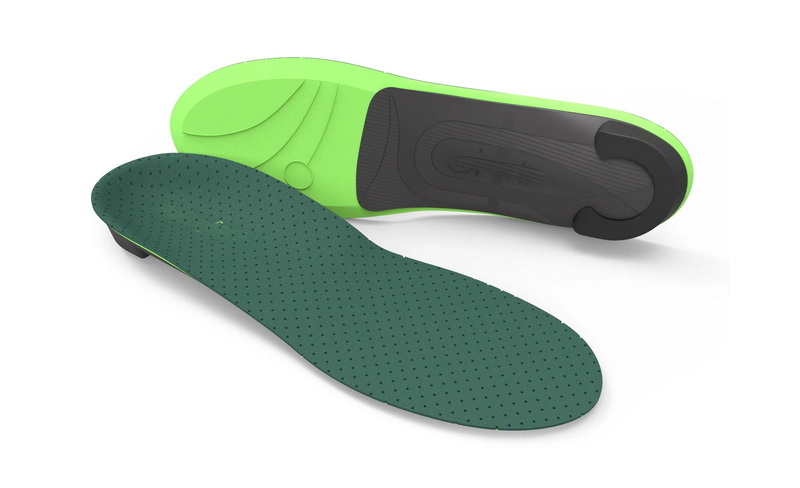
Instead of discarding your insoles entirely, try these solutions that maintain comfort and structure while giving you more space:
Switch to slim or low-profile shoe insoles made from high-density foam or lightweight EVA. You'll save internal space without losing much cushioning.
A cobbler can gently expand your shoes in width or top volume using specialized machines. This retains proper alignment and padding inside.
Using “parallel lacing” or skipping certain eyelets relieves top pressure, especially in sneakers, without changing the inner structure.
If the original insoles are too thick or worn out, opt for custom orthotics or aftermarket insoles tailored to your foot shape.
If you buy shoes regularly, choose designs known for internal width and flexible upper materials. Some brands create “wide fit” or “extra depth” options to accommodate orthotics comfortably.
There are practical cases where removing shoe insoles makes sense:
- You're inserting your own medical orthotics.
- The shoe is intentionally designed for interchangeable insoles.
- You need more room temporarily due to foot swelling.
- You're testing fit before switching to new insoles.
If you do remove them, make sure to replace them later or use a suitable liner. Bare shoe interiors can cause friction, leading to blisters or faster shoe wear.
If you decide to take out insoles, do it carefully:
1. Untie laces fully to create maximum entry space.
2. Start pulling from the heel area, lifting gently to avoid tearing glue.
3. Clean the inner base of the shoe before reinsertion.
4. Flatten the insole before storage or replacement to prevent curling.
High-quality shoe insoles are designed for easy removal and replacement—especially in professional or OEM-grade footwear products.
As a leading Chinese shoe insole manufacturer, our OEM expertise focuses on high-performance customization that enhances both comfort and branding value. International footwear brands and wholesalers often request OEM insole development for improved fit and market differentiation.
- Advanced materials: EVA, PU, latex foam, memory foam, gel, bamboo fiber, and cork.
- Functional designs: Arch-support structures, breathable mesh layers, adjustable heel cups, or shock-resisting EVA bases.
- Targeted use: Everyday wear, sports applications, orthotic correction, or professional safety footwear.
- Sustainable manufacturing: Recyclable and eco-friendly materials for modern consumer preferences.
- Branding flexibility: Custom molds, printed logos, and premium packaging.
Through OEM customization, companies gain control over comfort levels, durability, and brand identity—something that can't be achieved by simply removing insoles from finished shoes.
Shoe insoles don't just make shoes comfortable—they influence posture, gait stability, and fatigue resistance. In performance footwear like running or hiking shoes, removing insoles can shift your center of gravity and cause uneven stress on joints.
Athletes often use specialized insoles that correct pronation and absorb repetitive shock. Removing them can result in:
- Increased impact absorbed by knees and hips.
- Loss of energy return while running.
- Quicker shoe wear on one side, leading to imbalance.
Likewise, orthopedic insoles for postural correction are engineered to position feet therapeutically. Removing them undoes their medical purpose.
In work or safety shoes, insoles provide anti-fatigue and anti-slip support. Taking them out increases the risk of foot pain during long shifts. Quality shoe insoles also double as insulators against heat or cold, depending on job environments.
If your shoes feel tight, inspect whether the insoles are still in good condition. Worn or compressed insoles lose thickness, changing how your shoes feel even without removal.
- Visible cracks or peeling layers on the insole.
- Persistent bad odor even after cleaning.
- Flattened arch with no resilience.
- Uneven surface or frayed fabric around edges.
- Greater fatigue after walking than before.
Replacing instead of removing insoles gives the best of both worlds—comfort and correct shoe volume.
The footwear industry is rapidly evolving. Innovations like 3D printing, smart sensors, and bio-based materials now redefine what shoe insoles can achieve.
- Smart insoles: Embedded pressure sensors that track posture and stride.
- Eco materials: Plant-based foams replacing petroleum materials.
- AI design: Digital foot scanning for precise custom fits.
- Recyclability: Modular insoles that reduce waste in shoe production.
As footwear technology advances, OEM manufacturers continue to refine insole ergonomics—creating shoes that feel better without costly adjustments or compromises.
So, does taking the insoles out of shoes make them bigger? Technically, only a little. Removing shoe insoles slightly increases internal depth but doesn't truly change the shoe's size. While it may offer temporary relief for tightness across the top of your foot, it often reduces comfort and stability.
Instead of removing insoles, consider thinner replacements, custom orthotics, or professional stretching. For footwear brands and traders, working with professional OEM insole manufacturers ensures more reliable sizing, better comfort, and stronger market appeal.
A well-designed insole isn't just a padding layer—it's an essential performance component that makes every step balanced, supported, and comfortable.
Contact us to get more information!
Not always. Many athletic and casual shoes feature removable shoe insoles, but dress shoes or minimalist designs often have fixed insoles glued firmly to the base.
It can if pulled forcefully. Always remove insoles carefully from the heel area. Avoid tearing the glue or fabric underneath to preserve shoe quality.
Yes. Switching to thinner or low-profile shoe insoles gives minor extra room without eliminating cushioning entirely. It's safer than going without insoles.
For average users, every 6–12 months is ideal. Heavy use—such as in sports or work environments—may require replacement every few months to maintain hygiene and comfort.
OEM shoe insoles allow brands to tailor material, design, and function according to different markets. They improve comfort, brand identity, and customer satisfaction while ensuring consistent shoe fit.
1. https://www.foothealthfacts.org
2. https://www.apma.org
3. https://www.runnersworld.com
4. https://www.shoeinfonet.com
5. https://www.podiatrytoday.com


