
Views: 222 Author: Edvo Publish Time: 2026-02-01 Origin: Site


Content Menu
● Overview of Japan's Sports Insoles Industry
● Leading Sports Insoles Manufacturers and Suppliers in Japan
>> SIDAS Japan
>> Mizuno Corporation (Insole Division)
● Why Choose Japanese Sports Insoles Manufacturers and Suppliers
>> 1. Unparalleled Ergonomic Design
>> 2. Eco-Friendly and Safe Production
>> 3. Advanced OEM and ODM Systems
>> 4. Reliable Customer Support and Post-sale Service
● The Process of Working With Japanese OEM Insole Factories
● Export Competitiveness of Japanese Insoles
● Comparing Japanese Manufacturers With Other Asian Suppliers
>> Key Advantages of Japanese Insoles
● The Future of Sports Insoles Innovation in Japan
>> Smart Sensors and IoT Integration
>> Recycling and Bio-Based Materials
>> 3D Foot Scanning and Rapid Prototyping
● How Global Businesses Can Source from Japan
● FAQ
>> 1. What distinguishes Japanese Sports Insoles Manufacturers and Suppliers from others worldwide?
>> 2. Do Japanese suppliers offer OEM and ODM customization services?
>> 3. How long do Japanese sports insoles typically last compared to standard models?
>> 4. What is the minimum order requirement for custom production?
>> 5. Are Japanese insole suppliers environmentally compliant with global regulations?
Japan has gained an international reputation for its precision craftsmanship, innovative materials, and commitment to ergonomic design — all qualities that make its footwear and accessory industry outstanding. Among these achievements, Sports Insoles Manufacturers and Suppliers in Japan play a vital role by producing performance-enhancing insoles that reflect both science and artistry.
As athletic performance, injury prevention, and comfort become central to professional sports and everyday life, Japanese suppliers have responded with advanced technologies that redefine how the foot interacts with footwear. This article explores Japan's top sports insole manufacturers, their unique strengths, OEM capabilities, and why global brands depend on them for quality and performance excellence.
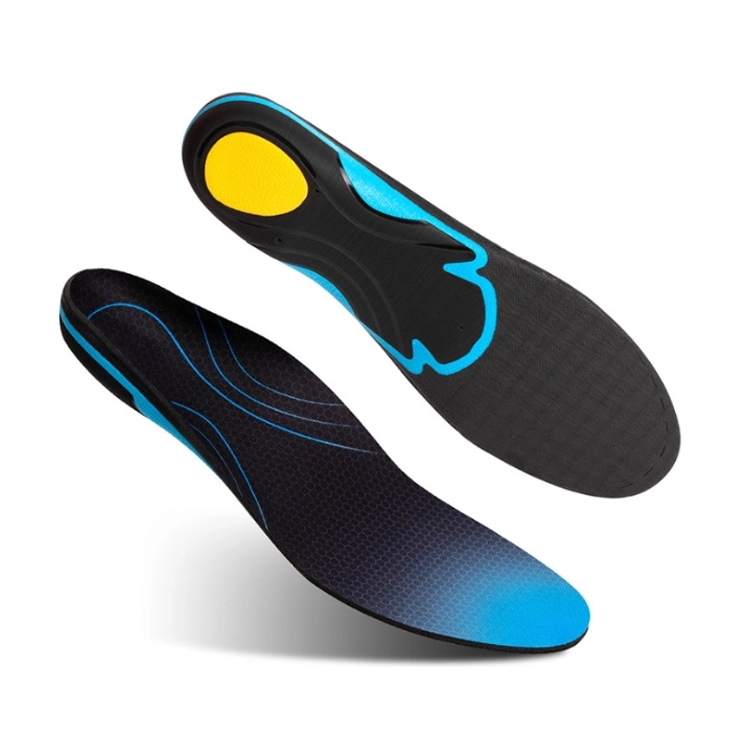
Japan's sports accessories market is a fascinating intersection of biomechanics, design, and technology. The demand for sports insoles surged in recent years due to rising fitness awareness and the popularity of sports like running, hiking, tennis, and cycling. This growth has fostered an ecosystem where Sports Insoles Manufacturers and Suppliers in Japan collaborate closely with material scientists, professional athletes, and universities.
Japanese manufacturers are pioneers in research and development. Many companies maintain dedicated biomechanics laboratories that analyze human movement in detail. These facilities use motion-capture systems and pressure-mapping sensors to design insoles that correct posture, absorb impact, and enhance performance.
From lightweight EVA foam to gel pads made from high-viscosity polymers, Japan's material science expertise ensures that every insole delivers functional benefits. Some companies even use recycled thermoplastic elastomers and plant-derived bio-resins, aligning with eco-friendly initiatives.
Japanese factories use automated molding and CNC cutting to achieve exceptional uniformity. While competitors may focus on mass quantity, Japanese Sports Insoles Manufacturers and Suppliers emphasize consistency, allowing brands to maintain their reputation for reliability.
Here are some of the most respected and influential companies shaping Japan's insole industry, including leading brands and dedicated OEM suppliers serving global clients.
Arch Support Co., Ltd. stands out for its ergonomic arch designs and high-impact absorption. Each insole is created after extensive pressure testing and simulation. The company's OEM service department collaborates with global brands, tailoring insoles for specific sports such as basketball, trail running, and skiing. Their manufacturing facilities follow strict ISO and REACH standards, appealing to European and American markets that prioritize environmental safety.
BMZ is world-renowned for its Cuboid Balance System, which supports the natural structure of the cuboid bone to maintain body balance. This makes their insoles a favorite among runners and cyclists. BMZ also provides technical consultation for OEM clients, allowing them to include advanced athletic ergonomics in private-label footwear lines. Their long-term partnerships with sports medicine organizations strengthen their design credibility.
Sorbo Technics is among the oldest Sports Insoles Manufacturers and Suppliers in Japan, credited for introducing “Sorbothane” — a viscoelastic material widely used in shock absorbers and protective sports equipment. The company's products are known for reducing foot fatigue and joint stress, making them a common choice for professional athletes and military applications. They are also active exporters, offering OEM production for overseas sports footwear and orthopedic brands.
Although operating globally, SIDAS Japan adapts its products to meet the needs of the Japanese and Asian markets. Their insoles are produced using a blend of 3D printing and custom foam molding technologies, ensuring comfort and proper foot alignment. SIDAS Japan also organizes foot biomechanics workshops, emphasizing education alongside manufacturing excellence.
Mizuno is one of the few global sportswear giants to retain in-house production capabilities for insoles. Their advanced insole series incorporates responsive cushioning layers and dynamic heel cradles designed for multiple sports disciplines. Mizuno's OEM service line assists smaller brands that wish to integrate Japanese engineering into their footwear products, further expanding Japan's export presence.
Asahi Rubber applies its expertise in polymer chemistry to develop sport-specific insoles known for flexibility and anti-slip grip. They partner with automation equipment suppliers to ensure efficient precision molding. Additionally, they supply Sports Insoles Manufacturers and Suppliers around the world with raw components like gel inserts and anti-microbial coatings.
Polytan Japan focuses on high-performance athletic insoles for sports like football and tennis. Their key feature is advanced shock dispersion and anti-bacterial lining for high-moisture environments. The company's extensive OEM operations serve brands in Southeast Asia, North America, and the Middle East, providing a complete service from prototype to final packaging.
Foreign buyers searching for reliable production partners in the performance footwear sector consistently choose Japanese factories due to their unmatched combination of precision, safety, and trustworthiness.
Japanese developers base their designs on detailed studies of gait and pressure distribution. The result is insoles that not only enhance comfort but actively correct body alignment — reducing fatigue and preventing long-term injury.
Japan has taken major steps toward sustainable manufacturing. Many Sports Insoles Manufacturers and Suppliers now implement environmentally responsible methods: using plant-based PU foams, adopting water-based adhesives, and recycling production scrap.
From digital modeling to 3D-printed prototypes, Japanese partners offer complete customization services. They help brands translate conceptual ideas into mass-producible designs while retaining mechanical strength and aesthetic value.
Customer experience doesn't end at delivery. Many manufacturers provide long-term technical documentation, product testing reports, and flexible restocking solutions — a hallmark of Japan's business integrity.
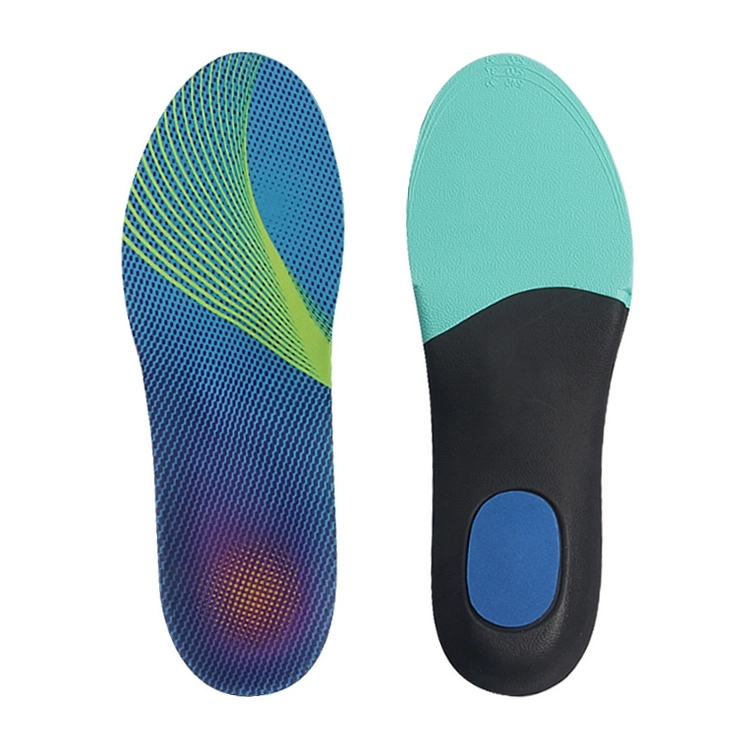
Collaborating with Japanese suppliers involves transparent communication, strict confidentiality, and attention to technical detail. Here's how a typical OEM partnership unfolds:
1. Project Discussion – The buyer provides specifications such as performance goals, size range, and material preferences.
2. 3D Modeling and Sampling – The factory creates a CAD-based model and sends prototype samples for evaluation.
3. Testing and Feedback – Prototypes are tested for shock absorption, flexibility, and resilience.
4. Mass Production – Once confirmed, automated lines handle precision cutting and heat molding.
5. Packaging and Export – Products are carefully packaged and shipped through Japan's advanced logistics system.
Global buyers appreciate this process because it is both efficient and transparent, balancing Japanese precision with business professionalism.
Over the past decade, Japan's export volume for sports insoles has expanded steadily, supported by continuous innovation and solid brand reputation. Major export destinations include the United States, Germany, Singapore, and Australia.
This competitiveness comes from:
- Technological superiority: 3D print integration and biomechanical modeling improve fit accuracy.
- High product lifespan: Japanese insoles typically last 20–40% longer than standard Asian-made products.
- Efficient global shipping: Japan's modern ports and logistics services facilitate fast international delivery.
- Dependable quality inspection: Each production batch passes through multiple inspection stages, ensuring defect-free output.
For brands specializing in mid-to-high-end footwear, importing from Japan ensures consistent quality and minimal customer returns.
While countries like China, India, and Vietnam dominate mass production for cost efficiency, Japan emphasizes quality, endurance, and niche innovation. Global buyers often choose Japanese Sports Insoles Manufacturers and Suppliers for premium product lines requiring advanced material technology.
- Scientific design that aligns with orthopedic health trends.
- Comprehensive OEM and ODM solutions suitable for branding.
- Materials that meet EU and US health compliance regulations.
- Production integrity and long-term cooperation culture.
Take, for instance, a global running shoe brand seeking to differentiate its high-end collection. Partnering with a Japanese manufacturer allows the brand to incorporate responsive foam technology and micro-textured grip layers — improvements that justify higher retail pricing and enhance customer satisfaction.
Innovation remains the cornerstone of Japan's sports insole industry. As digital technology reshapes global manufacturing, Japanese suppliers are embracing smart and data-driven solutions.
Several Japanese factories are exploring smart insoles fitted with micro-sensors that track steps, pressure points, and balance in real time. These tools connect to mobile apps, enabling athletes to monitor performance data and optimize training routines.
Sustainability continues to rise as a customer priority. Manufacturers are developing renewable foams and biodegradable layers derived from sugarcane or plant fibers, reducing the industry's environmental footprint.
By combining artificial intelligence with 3D printing, brands can customize insoles to each user's exact foot contour. Japanese suppliers are leading this change, offering bespoke-fit services for sports retailers and healthcare providers.
As more overseas investors enter the sports equipment market, Japanese manufacturers are forging partnerships abroad, sharing expertise while maintaining home-based quality standards.
For distributors, brand owners, or e-commerce sellers considering Japanese insoles, sourcing successfully involves understanding the country's unique approach to B2B cooperation:
- Communication: Most suppliers have English-speaking export teams or agents.
- Trade Fairs: Attending Tokyo or Osaka-based sports goods expos allows direct contact with potential partners.
- Digital Presence: Many companies are now listed on global directories such as Alibaba Japan and JETRO databases.
- Sample Orders: To evaluate quality, start with a small lot; most factories welcome prototype requests.
Building trust takes time, but once established, partnerships with Japanese Sports Insoles Manufacturers and Suppliers tend to last for years due to consistent quality and mutual respect.
Japan remains one of the world's most dependable sources for sports performance insoles, blending technological intelligence with impeccable craftsmanship. The nation's Sports Insoles Manufacturers and Suppliers not only produce world-class products but also set international standards in ergonomics, innovation, and environmental sustainability.
Whether you are a global footwear brand, wholesale distributor, or startup seeking OEM cooperation, aligning with a Japanese insole manufacturer ensures that your products stand out in terms of durability, comfort, and design originality. Investing in Japanese quality means investing in long-term reliability and customer trust — the foundation of success in today's increasingly competitive global sports market.
Contact us to get more information!
Japanese companies focus on biomechanics, precision manufacturing, and eco-friendly production while maintaining exceptional consistency and material standards across all batches.
Yes. Most companies provide comprehensive OEM/ODM services, including sample development, branding assistance, and packaging customization for international clients.
Japanese-made sports insoles often last 1.5 to 2 times longer than conventional models due to high-density foam structures and rigorous durability testing.
Depending on the manufacturer, MOQs range from 500 to 2,000 pairs per design. Many are flexible, especially for new clients or special product launches.
Yes. Most factories operate under ISO 14001-certified environmental systems, use recyclable materials, and comply with REACH and RoHS international safety standards.


