


Content Menu
● What Is an FSA and How It Relates to Shoe Insoles?
● Are Shoe Insoles FSA Eligible?
● When Do Shoe Insoles Qualify for FSA Coverage?
● Which Types of Shoe Insoles Are Usually Covered?
● Which Shoe Insoles Are Not FSA Eligible?
● Documentation: Prescriptions and Letters of Medical Necessity
● How to Buy FSA-Eligible Shoe Insoles
● Benefits of Using FSA Funds for Shoe Insoles
● Tips for Choosing the Right FSA-Eligible Shoe Insoles
● How Often Should You Replace FSA-Eligible Shoe Insoles?
● Positioning OEM Shoe Insoles for FSA Eligibility (For Brands and Buyers)
● Practical Example: Using FSA for Shoe Insoles in Real Life
● FAQ
>> 1. Are all Shoe Insoles automatically FSA-eligible?
>> 2. Do I need a prescription for FSA-eligible Shoe Insoles?
>> 3. Can I buy Shoe Insoles online with my FSA card?
>> 4. Are athletic performance Shoe Insoles covered by FSA?
>> 5. What should I keep as proof when I buy FSA-eligible Shoe Insoles?
Flexible Spending Accounts (FSAs) can be a smart way to save money on medical expenses, and for many people, that includes shoe insoles designed to relieve pain or support specific foot conditions. However, not every type of Shoe Insoles qualifies, so it is important to understand when Shoe Insoles are FSA-eligible and what documentation you may need.
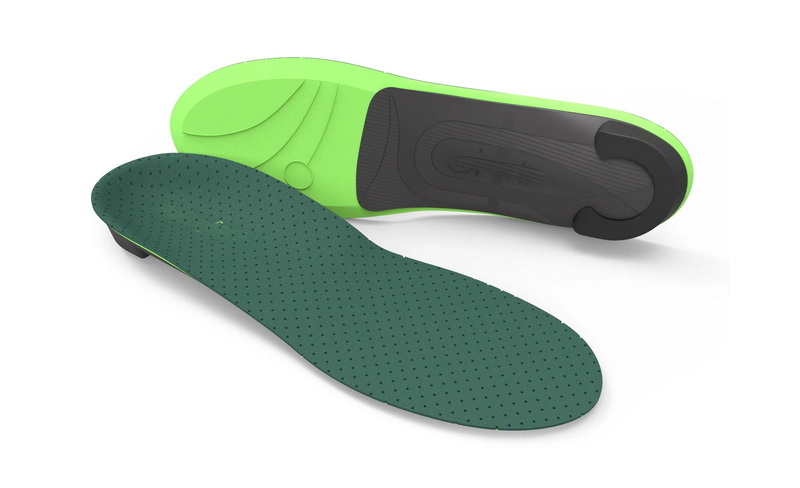
An FSA is a tax-advantaged account that allows you to set aside pre-tax income to pay for qualified medical expenses, including certain Shoe Insoles and orthotic inserts. The IRS defines eligible products as those primarily used to diagnose, treat, mitigate, or prevent a medical condition, which is the key standard for determining whether Shoe Insoles qualify.
Many orthopedic Shoe Insoles, arch supports, and custom orthotics are recognized as medical devices because they correct or support foot structure, help manage pain, or treat conditions such as flat feet, plantar fasciitis, or arthritis. When Shoe Insoles meet this medical-purpose requirement, they are often eligible for reimbursement through your FSA, HSA, or HRA.
In many cases, yes—Shoe Insoles are FSA-eligible if they are designed and marketed to treat a specific medical condition or to provide orthopedic or therapeutic support. This includes both custom orthotic Shoe Insoles and a wide range of medical-grade over-the-counter insoles that address problems like plantar fasciitis, heel pain, overpronation, or diabetic foot issues.
Several major retailers and specialty stores categorize selected Shoe Insoles as FSA-eligible, including orthopedic inserts, arch supports, heel cups, and full-length insoles listed as medical or therapeutic products. Dedicated FSA/HSA platforms also confirm that many types of orthotics and Shoe Insoles are on official eligibility lists when used for medical purposes.
For Shoe Insoles to qualify as FSA-eligible, they generally must:
- Be designed to treat or manage a diagnosed medical condition such as plantar fasciitis, flat feet, overpronation, arthritis, diabetic foot problems, or chronic foot pain.
- Provide orthopedic, therapeutic, or corrective support rather than simple cushioning or cosmetic enhancement.
- Be marketed or labeled as orthotic, therapeutic, medical-grade, or similar terminology indicating a health-related purpose.
- In some cases, be prescribed or recommended by a qualified healthcare provider and supported by a diagnosis or Letter of Medical Necessity (LMN).
Products such as custom orthotic Shoe Insoles, diabetic insoles, arch support insoles for overpronation, and heel cups for heel spurs are commonly listed as eligible when used for medical reasons. Many FSAs will accept claims for both custom and prefabricated Shoe Insoles as long as you can demonstrate that they are intended to treat a specific condition.
The following categories of Shoe Insoles are often eligible for FSA reimbursement:
- Orthotic Shoe Insoles for plantar fasciitis or arch support – Insoles designed to support the arch, reduce strain on the plantar fascia, and relieve heel or midfoot pain.
- Diabetic Shoe Insoles – Specialized Shoe Insoles that help protect sensitive feet, redistribute pressure, and prevent ulcers in people with diabetes.
- Heel cups and cushions – Inserts that target heel spurs, heel pain, or impact-related discomfort when labeled for therapeutic use.
- Custom-molded orthotic Shoe Insoles – Prescription or non-prescription custom orthotics made to the shape of your foot for structural correction or pain relief.
- Medical-grade over-the-counter Shoe Insoles – Prefabricated insoles sold specifically for conditions like overpronation, flat feet, metatarsalgia, or arthritis.
- Orthopedic inserts and arch supports – Products recognized as orthopedic shoe inserts used to correct alignment or improve gait.
Orthopedic Shoe Insoles and similar devices are typically recognized by plans as medical devices that support or correct foot structure, which is why they are frequently HSA/FSA eligible.
Not all Shoe Insoles are considered medical expenses, even though they may feel comfortable or improve the way shoes fit. Generally, Shoe Insoles are not FSA-eligible if they are marketed only for comfort, performance, or cosmetic purposes.
Common examples of Shoe Insoles that usually do not qualify include:
- Athletic Shoe Insoles that focus solely on extra cushioning, shock absorption, or performance enhancement without a therapeutic claim.
- Fashion or dress Shoe Insoles aimed at improving comfort in high heels or dress shoes but not marketed for medical support.
- Massaging, scented, or novelty gel Shoe Insoles promoted primarily for comfort or odor control rather than treating a medical condition.
- General-purpose cushioning Shoe Insoles with no indication of orthopedic, therapeutic, or medical-grade functionality.
To determine whether a product is ineligible, FSA administrators may look at marketing language, packaging, and the absence of any reference to medical use or diagnosed conditions.
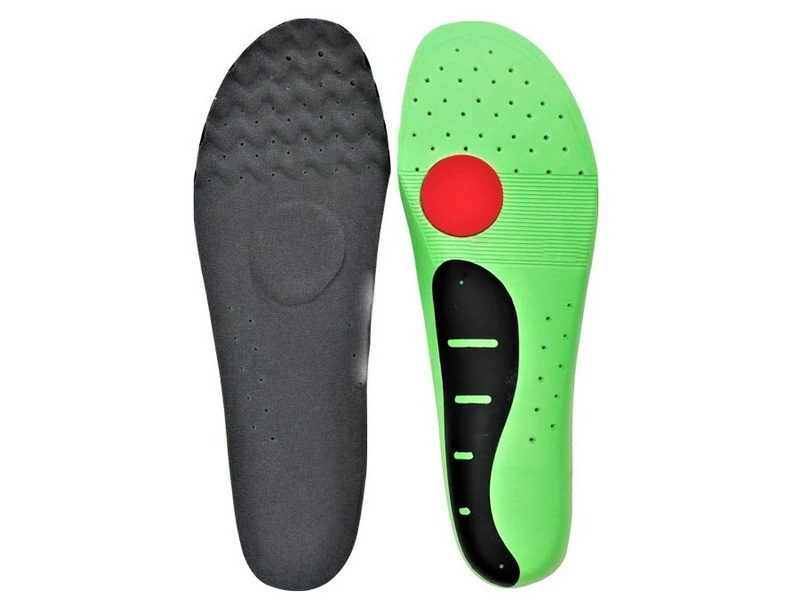
For many over-the-counter Shoe Insoles, you may be able to pay directly with your FSA card without extra documentation, especially if the retailer has pre-verified eligibility. However, some plans require additional steps when Shoe Insoles are not automatically classified or when claims are reviewed.
A Letter of Medical Necessity (LMN) from a healthcare provider can support your claim that Shoe Insoles are being used to treat a specific condition. This letter typically includes your diagnosis, recommended treatment, and an explanation of why orthotic Shoe Insoles are needed to manage your condition.
Custom orthotic Shoe Insoles prescribed by a podiatrist or other specialist are almost always considered eligible when supported by a diagnosis or LMN. Even many prefabricated Shoe Insoles may be reimbursed more easily when you can show that a doctor recommended them to address a documented foot or lower-limb issue.
If you want to use FSA funds for Shoe Insoles, consider these practical steps:
1. Check your plan rules
Review your FSA's list of eligible expenses or contact the plan administrator to confirm how Shoe Insoles are handled, especially custom or premium orthotics. Some plans reference external eligibility lists that clearly include orthopedic Shoe Insoles and inserts.
2. Look for medical-grade labeling
When shopping for Shoe Insoles, look for terms such as “orthotic,” “orthopedic,” “therapeutic,” “arch support,” or “medical-grade.” Many retailers specifically tag eligible Shoe Insoles as HSA/FSA-eligible, which simplifies the purchasing process.
3. Use your FSA card at checkout
Many pharmacies, specialty foot care sites, and FSA-focused stores allow you to pay directly with your FSA debit card for eligible Shoe Insoles. This avoids the need for reimbursement claims as long as the transaction is automatically verified.
4. Save itemized receipts
Even if Shoe Insoles are categorized as eligible, your plan may audit purchases or request proof that the product is medical in nature. Keeping itemized receipts and order confirmations makes it easier to document your Shoe Insoles purchase if questioned later.
5. Get a prescription or LMN if needed
If your FSA is strict or your Shoe Insoles are more specialized or expensive, ask your doctor to provide a prescription or Letter of Medical Necessity. This is especially useful for custom orthotic Shoe Insoles or when you are treating chronic or complex foot conditions.
Using FSA dollars to purchase qualified Shoe Insoles can deliver both health and financial advantages. Because you contribute pre-tax income to an FSA, you effectively reduce the cost of eligible Shoe Insoles by the amount of your tax savings.
Medical-grade Shoe Insoles can:
- Help alleviate chronic foot, heel, knee, or lower back pain linked to poor foot mechanics.
- Support recovery from sports injuries, overuse issues, or post-surgical conditions involving the feet and ankles.
- Improve gait and alignment, which may reduce strain on joints and muscles over time.
- Protect high-risk feet, such as those of diabetic patients, by redistributing pressure and reducing friction.
By applying FSA funds toward high-quality orthopedic Shoe Insoles, you gain access to better support while lowering out-of-pocket costs for medically necessary foot care.
When selecting FSA-eligible Shoe Insoles, it is helpful to balance medical needs, product design, and budget. Many brands offer a range of orthotic and therapeutic Shoe Insoles with varying levels of arch support, cushioning, and rigidity.
Consider the following:
- Match the insole to your diagnosis – For plantar fasciitis, look for Shoe Insoles with strong arch support and heel cushioning; for flat feet or overpronation, choose structured arch supports that correct inward rolling.
- Check footwear compatibility – Make sure the Shoe Insoles fit the types of shoes you wear most often, such as athletic shoes, work boots, or casual footwear.
- Evaluate materials and durability – Medical-grade Shoe Insoles often use high-density foams, gels, or composite shells designed to maintain support over time.
- Seek professional guidance – A podiatrist or orthopedist can help you choose the right category of Shoe Insoles and determine whether you need custom orthotics or high-quality prefab inserts.
For international buyers, especially brands, wholesalers, and manufacturers sourcing from OEM factories, it is also possible to develop customized orthopedic Shoe Insoles tailored to target conditions and market expectations while still aligning with FSA-eligible design features.
Even the best Shoe Insoles wear down over time, and worn-out insoles provide less support and shock absorption. Replacement frequency depends on the materials, usage pattern, and body weight, but many orthotic Shoe Insoles are replaced every 6–12 months for regular users.
If you are using Shoe Insoles daily for a medical condition, watch for signs such as compressed cushioning, cracks, loss of shape, or a return of pain and fatigue. In many cases, you can use new FSA contributions each plan year to purchase replacement Shoe Insoles as long as they continue to serve a medical purpose.
For brands, wholesalers, and manufacturers working with OEM Shoe Insoles suppliers, understanding FSA rules can also inform product development and marketing strategy. To appeal to consumers who want to use FSA funds, products should clearly highlight their medical or orthopedic benefits.
Key considerations include:
- Designing Shoe Insoles that truly address conditions like plantar fasciitis, flat feet, overpronation, and diabetic foot risk through proper biomechanics and materials.
- Using packaging and product descriptions that accurately communicate orthopedic support, therapeutic intent, and potential roles in pain relief or gait correction.
- Ensuring consistency with terminology commonly used in FSA/HSA eligibility lists, such as “orthopedic shoe inserts,” “orthotic Shoe Insoles,” and “medical-grade insoles.”
- Coordinating with healthcare professionals or clinical consultants to validate product design and support educational content for end users.
By aligning OEM Shoe Insoles with medical-grade standards and clear messaging, brands can better serve customers who rely on FSA accounts for essential foot care products.
Imagine an office worker who spends long hours standing or walking on hard floors and develops chronic heel pain and arch discomfort. After visiting a podiatrist, they are diagnosed with plantar fasciitis and overpronation and are advised to use orthotic Shoe Insoles with firm arch support and deep heel cups. The doctor also provides a Letter of Medical Necessity explaining that these Shoe Insoles are part of the treatment plan and may help avoid more invasive procedures.
With this documentation, the worker purchases high-quality orthotic Shoe Insoles from an FSA-eligible retailer using their FSA card. Their plan accepts the expense as a qualified medical cost, and over time the worker experiences less pain, better posture, and reduced fatigue. This simple example shows how Shoe Insoles, when medically necessary and properly documented, can be an efficient and cost-effective use of FSA funds.
FSAs can indeed cover Shoe Insoles, but the key factor is medical necessity rather than simple comfort or performance. Orthopedic Shoe Insoles, custom orthotics, diabetic insoles, and therapeutic arch supports are often FSA-eligible when they are used to treat specific diagnoses and when product labeling and documentation support their medical purpose. In contrast, purely comfort-focused or cosmetic Shoe Insoles are usually not eligible because they do not meet the standard for medical expenses.
By choosing medical-grade Shoe Insoles, consulting healthcare professionals, and following your plan's documentation rules, you can take advantage of FSA funds to improve foot health and reduce pain. Whether you are an individual looking for relief or a brand sourcing OEM Shoe Insoles for global markets, understanding FSA eligibility helps you select products that deliver both clinical value and financial efficiency.
Contact us to get more information!
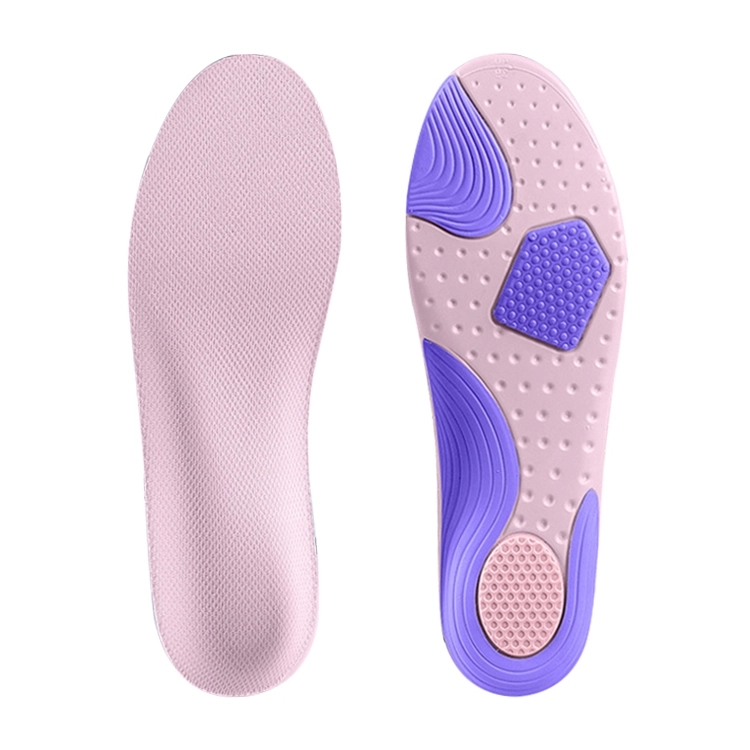
No, not all Shoe Insoles are automatically FSA-eligible, even though many people use insoles for comfort. To qualify, Shoe Insoles generally need to be orthopedic or therapeutic products designed to treat or manage a medical condition rather than just provide extra cushioning.
Some over-the-counter Shoe Insoles can be purchased with FSA funds without a prescription, especially when clearly labeled as medical or orthopedic. For custom orthotics or when plan rules are strict, a prescription or Letter of Medical Necessity from a healthcare provider is often required to support reimbursement.
Yes, many online retailers, pharmacies, and specialist stores allow you to buy eligible Shoe Insoles directly with your FSA card at checkout. Some platforms list only HSA/FSA-eligible products, which removes guesswork and makes buying orthotic Shoe Insoles more convenient.
Athletic performance Shoe Insoles that focus solely on comfort, cushioning, or performance are usually not FSA-eligible because they are not considered medical devices. However, athletic-style Shoe Insoles marketed for treating specific conditions like plantar fasciitis or overpronation may be eligible if they meet medical-purpose criteria.
You should keep itemized receipts that clearly describe the Shoe Insoles purchased, along with any prescription or Letter of Medical Necessity provided by your doctor. These documents can help if your FSA administrator reviews the claim or asks you to verify that the Shoe Insoles are being used to treat a medical condition.
https://fsastore.com/fsa-eligibility-list/i/insoles
https://www.superfeet.com/pages/hsa-fsa-eligible-insoles
https://theinsolestore.com/collections/hsa-fsa-eligible-products
https://powerstep.com/pages/hsa-fsa-eligible-orthotics-by-powerstep
https://buyfsa.com/blogs/fsa-hsa-eligibility-list/are-shoe-insoles-and-inserts-fsa-hsa-eligible
https://www.upstep.com/a/blog/fsa-eligible-buy-custom-orthotics-with-your-fsa-funds
https://www.ivinsonhospital.org/assets/FSA-Eligible-vs-Ineligible.pdf
https://www.cvs.com/shop/personal-care/foot-care/shoe-inserts-insoles/q/true/fs
https://www.withflex.com/blog/how-to-use-your-hsa-fsa-to-pay-for-orthopedic-shoes
https://www.cigna.com/individuals-families/member-guide/eligible-expenses [perplexity](https://www.perplexity.ai/search/f7b6ca13-2320-442c-9912-8229c77e4cb3)
https://www.drscholls.com/collections/fsa-hsa-eligible [fsastore](https://fsastore.com/fsa-eligibility-list/i/insoles)
https://hsastore.com/hsa-eligibility-list/o/orthopedic-shoe-inserts [superfeet](https://www.superfeet.com/pages/hsa-fsa-eligible-insoles)
https://fsastore.com/fsa-eligibility-list/o/orthotics [theinsolestore](https://theinsolestore.com/collections/hsa-fsa-eligible-products)


