
Views: 222 Author: Edvo Publish Time: 2026-01-31 Origin: Site


Content Menu
● The Importance of Shoe Insoles
>> Work Insoles
● How Do You Put Insoles in Shoes? Step-by-Step Guide
>> Step 1: Remove Existing Insoles
>> Step 4: Insert the New Insoles
>> Step 5: Test the Fit and Comfort
● How to Choose the Right Insoles for Your Needs
>> For Outdoor or Industrial Work
>> For Medical or Orthopedic Support
● Common Mistakes When Using Insoles
● Maintaining and Replacing Shoe Insoles
>> When to Replace Your Insoles
● How Shoe Insoles Improve Your Health and Footwear
● Why OEM Shoe Insoles Stand Out in Quality and Customization
● Environmental Considerations in Insole Production
● Expert Tips for Maximum Comfort
● Benefits of Investing in Quality Insoles
● FAQ
>> 1. How often should I replace Shoe Insoles?
>> 2. Can insoles help with foot pain?
>> 3. Can Shoe Insoles fit into any shoe type?
>> 4. How do I clean my Shoe Insoles?
>> 5. Are OEM Shoe Insoles worth the investment for brands?
For anyone who values comfort, posture, and long-term foot health, understanding how to put insoles in shoes is a small yet essential skill. Whether replacing worn-out liners or upgrading to professional orthopedic support, proper use of Shoe Insoles can make a remarkable difference in daily comfort, balance, and mobility.
As a leading OEM manufacturer of custom insoles in China, we know that shoe comfort is not only about materials—it's about how perfectly the insole fits and functions inside your footwear. From sports shoes to safety boots, every pair benefits from well-fitted, high-quality insoles that support natural movement and reduce fatigue.

Shoe Insoles are more than simple pads; they are engineered components designed to improve the interaction between your feet and footwear. They absorb shock, distribute pressure evenly, and promote better body alignment.
The main benefits of Shoe Insoles include:
- Enhanced comfort for standing or walking long hours.
- Improved support for arches, heels, and ankles.
- Reduction of stress and joint pain through shock absorption.
- Prevention of slipping or friction that causes blisters.
- Increased durability and longevity of the shoes.
Modern insoles are made from advanced materials such as EVA foam, polyurethane gel, memory foam, latex, and carbon fiber. Each material serves a distinct purpose—some for flexibility, some for firmness, others for breathability or odor resistance.
Because every foot is different, manufacturers and users must understand the diverse categories of Shoe Insoles available today.
These are the most common type, providing extra cushioning and moisture management. They are ideal for everyday footwear such as sneakers, loafers, or casual shoes.
Designed for people with specific foot conditions (like flat feet or overpronation), they provide customized arch support and help align the feet properly. Orthotic Shoe Insoles can significantly relieve discomfort from heel spurs or plantar fasciitis.
Athletes often rely on Shoe Insoles crafted from high-resilience materials. These insoles absorb shock, stabilize foot motion, and improve performance in activities such as running, basketball, or hiking.
For long hours of standing on hard surfaces, work insoles focus on heel cushioning, sweat control, and anti-fatigue support. They are popular among factory workers, healthcare professionals, and service employees.
Made from wool or insulating foam, these insoles maintain warmth in cold environments without compromising comfort or flexibility.
OEM manufacturing allows tailoring each category to a specific use case or shoe design, ensuring perfect fit and maximum effectiveness.
Putting insoles into your shoes correctly is crucial to ensure they deliver full benefit. Poor placement may cause misalignment or discomfort. Follow the steps below for the best results.
Most shoes come with a pre-installed liner. Gently remove it by lifting the heel end and pulling toward the toe. If it is glued or stitched, work carefully to avoid tearing the fabric or damaging the shoe's base.
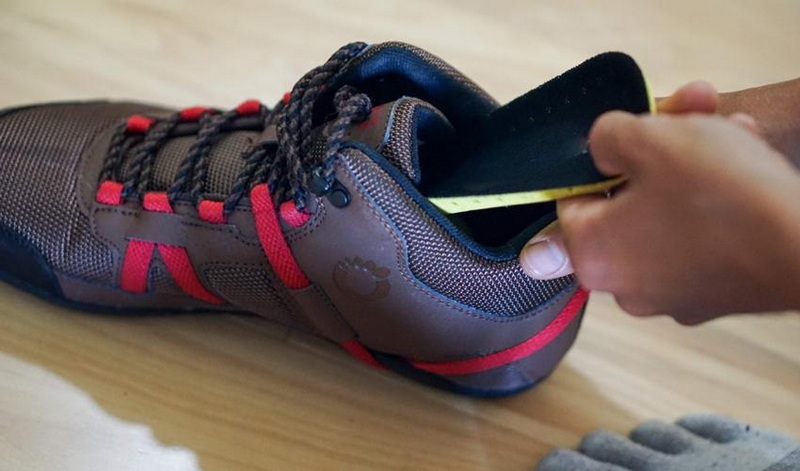
Compare the new Shoe Insoles with the ones you removed. The length, width, and toe curve should match well with your shoe's shape. If the new insole is too large, trim along the guideline printed on its underside. Always cut small sections gradually rather than trimming too much at once—precision ensures optimal comfort.
Before inserting your new insoles, wipe the shoe interior to remove any debris or moisture. A clean shoe interior ensures better grip and hygiene.
Slide the insole in starting from the toe area. Smooth it down toward the heel, ensuring it lies flat without folds or air gaps. Press gently around the edges to seat it properly.
If your insoles come with an adhesive base, remove the film and press firmly to fix them in place. Make sure the positioning is symmetrical between both shoes.
Put on your shoes and walk around. Your heel should fit snugly into the back of the shoe, and you should feel support along the arch without any pressure points. If you notice tightness or sliding, remove the insole and make small adjustments.
Proper fit ensures your feet remain stable, preventing blisters and fatigue during extended wear.
Selecting the correct type of Shoe Insoles depends on your lifestyle, footwear, and physical requirements.
Choose insoles made from high-resilience foams or gels that dampen impact and enhance energy return. Breathable designs with arch stability prevent injury during repetitive movement.
Select slim-fit insoles that maintain the shoe's elegant form. Memory foam versions are ideal for absorbing light pressure while keeping a clean appearance.
Pick durable insoles designed with deep heel cups, reinforced arch supports, and moisture-wicking layers. Anti-fatigue insoles improve endurance on long shifts.
Custom Shoe Insoles crafted from molds of your foot provide precise alignment correction and pain relief. OEM manufacturers can replicate these specifications for branded medical footwear firms.
No matter the category, always verify that your insoles complement your shoe type and usage intensity.
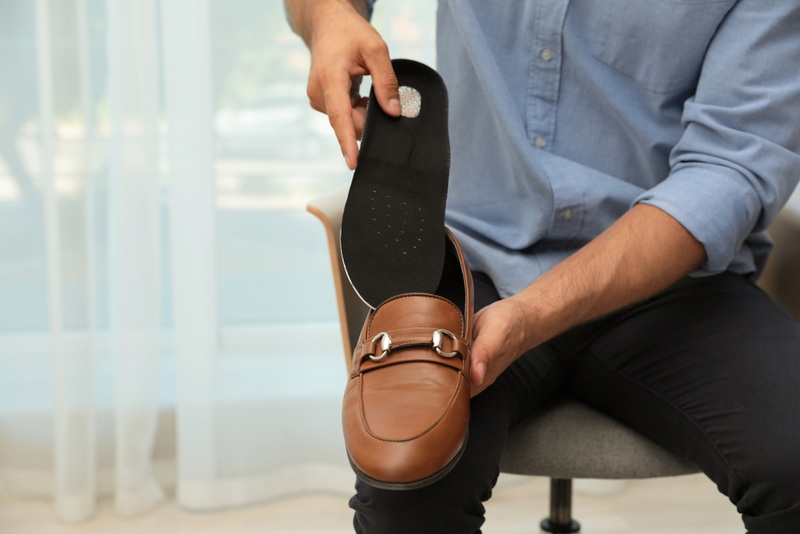
Even quality insoles can underperform if misused. Watch out for these common mistakes:
- Placing new insoles on top of old ones, which causes uneven height.
- Failing to trim properly, creating wrinkles that irritate the feet.
- Ignoring shoe size compatibility.
- Not testing comfort before long wear.
- Neglecting insole maintenance, allowing bacteria buildup.
Avoiding these errors ensures your Shoe Insoles remain effective and long-lasting.
1. Remove insoles once a week to let them air dry.
2. Use mild soap and water to clean the surface gently. Avoid soaking.
3. Pat dry with a towel and leave them in a ventilated space—never under direct sunlight or near heaters.
4. Sprinkle a little baking soda if odor develops naturally over time.
Insoles, like shoes, experience wear over time. Replace them every 6 to 12 months or when you notice:
- Compression marks or visible flattening.
- Persistent odor despite cleaning.
- Worn edges or surface peeling.
- Uncomfortable or uneven support.
Replacing insoles regularly ensures consistent support and hygiene.
High-quality Shoe Insoles offer numerous physiological and ergonomic advantages beyond comfort:
- They correct imbalances that can cause knee or back pain.
- They relieve pressure from conditions such as bunions or plantar fasciitis.
- They improve posture by aligning the foot's natural curve.
- They reduce strain in muscles by promoting even weight distribution.
From an OEM production standpoint, the structural design of modern insoles integrates multi-density zones, odor-resistant coatings, and anti-slip textures—all to ensure improved user experience.
Manufacturers that provide OEM services deliver much more than generic foam inserts. They collaborate with global brands, wholesalers, and private labels to design Shoe Insoles tailored to each market's needs.
Advantages of OEM productions include:
- Custom material composition (EVA, latex, leather, recycled foams).
- Size precision and contoured mold shaping.
- Branding options, including logos and packaging.
- Volume manufacturing at competitive pricing.
- Compliance with safety and export standards.
By combining ergonomic research with scalable production capacity, OEM suppliers help international clients launch custom footwear lines rapidly and cost-effectively.
Sustainability has become an integral part of modern shoe accessory manufacturing. Leading OEM factories now focus on using:
- Biodegradable foams and eco-friendly adhesives.
- Recycled textile topsheets that reduce landfill waste.
- Water-based glues, which eliminate harsh chemicals.
Environmentally conscious Shoe Insoles appeal not only to consumers but also to brands wishing to build a stronger green identity.
Follow these industry-proven recommendations to get the best results from your Shoe Insoles:
- Match the insole design to your arch type—flat, medium, or high.
- Always remove wet insoles after extended wear to prevent fungus.
- Replace both insoles together, even if only one appears worn.
- Avoid using standard insoles in high-performance athletic shoes—opt for sport-specific models.
- Store spare insoles flat and in a cool, dry environment.
Even small adjustments can make significant improvements in how your shoes feel and perform daily.
Although cheap options are tempting, investing in durable, well-designed insoles offers measurable long-term benefits:
- Reduced medical costs from foot-related injuries.
- Improved concentration and energy during standing work.
- Longer shoe lifespan due to better shock absorption.
- Enhanced comfort that increases overall physical performance.
OEM Shoe Insoles not only support end users but also provide business partners with consistent quality assurance across wholesale and retail channels.
Knowing how to put insoles in shoes properly ensures you get complete comfort and performance from your footwear. From choosing the right model to regular maintenance, each small detail contributes to healthier feet and prolonged shoe life.
For footwear brands, wholesalers, or medical suppliers, premium-quality Shoe Insoles represent a value-driven investment—enhancing both product performance and customer satisfaction. Whether you aim to supply athletic, orthopedic, or fashion footwear, properly fitted insoles play a vital role in achieving long-term loyalty from end users.
Contact us to get more information!
It's recommended to replace them every 6–12 months, based on your usage frequency and comfort. Heavy users, such as workers or athletes, may need earlier replacement.
Yes. Orthotic Shoe Insoles can relieve common foot issues like plantar fasciitis, arch strain, or heel spurs by redistributing pressure evenly.
Most insoles can be trimmed for universal fit. However, specialty insoles should match the shoe type—such as running, dress, or safety shoes—for the best alignment.
Hand wash gently with mild soap and water, then let them air dry completely. Avoid using machines or hot dryers to preserve their structure.
Absolutely. OEM insoles offer customization, branding, and scalability benefits that improve your product range's comfort quality while maintaining cost efficiency.
1. https://www.verywellfit.com
2. https://www.healthline.com
3. https://www.webmd.com
4. https://www.runnersworld.com
5. https://www.footwearnews.com


