
Views: 222 Author: Edvo Publish Time: 2026-01-31 Origin: Site


Content Menu
● Understanding What Shoe Insoles Are
● The Science Behind How Insoles Make Shoes Smaller
● Types of Shoe Insoles That Make Shoes Smaller
>> Heel Liners
● How Much Smaller Can Insoles Make Shoes?
● Factors That Influence the Effectiveness of Shoe Insoles
● Choosing the Right Insole to Make Shoes Fit Better
● Benefits of Using Insoles to Adjust Shoe Size
>> Improved Stability and Balance
>> Enhanced Comfort and Cushioning
● How to Use Insoles to Make Shoes Smaller
● The Role of OEM Shoe Insole Manufacturing
>> Key Advantages of OEM Insole Production
● Additional Tips for Long-Term Insole Usage
>> Choosing the Wrong Thickness
>> Ignoring Arch Compatibility
>> Not Replacing Flattened Insoles
>> Using Poor Quality Adhesives
● Shoe Insoles and Foot Health
● Environmental and Material Innovations in Modern Insoles
>> 1. How much smaller can insoles make shoes?
>> 2. Are shoe insoles suitable for all footwear?
>> 3. Can I use multiple insoles to tighten shoes further?
>> 4. How often should I replace insoles?
>> 5. Do OEM insoles benefit footwear brands?
When your favorite pair of shoes feels too loose, there's a simple and practical fix—adding shoe insoles. Many people associate insoles only with comfort or orthopedic support, but in reality, they serve multiple purposes. Among the most useful of these is adjusting shoe fit. Whether your shoes are too long, wide, or roomy at the toes, the right insoles can make them smaller and more supportive.
This article explains in depth how shoe insoles make shoes smaller, the science behind their function, how to choose the right design, and what benefits they offer for consumers, manufacturers, and brands alike.
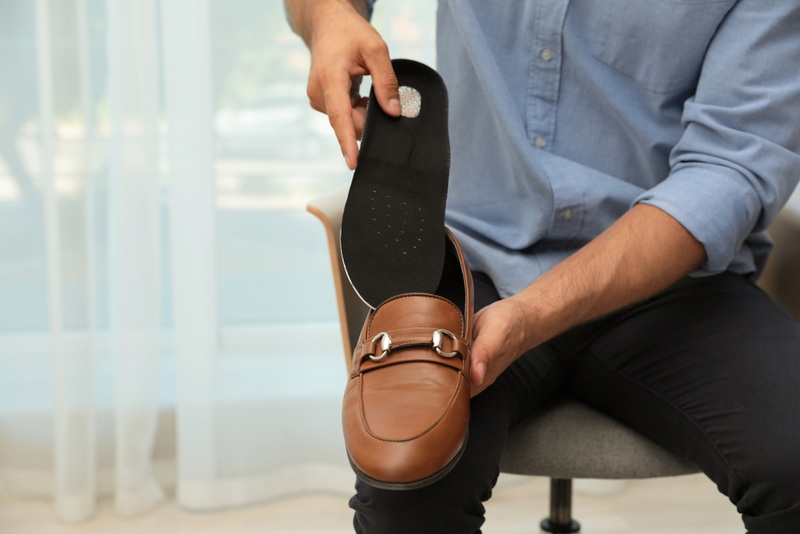
Shoe insoles—also called inserts, footbeds, or inner soles—are removable pieces placed inside footwear to improve comfort, cushioning, and fit. They come in a wide range of materials including:
- EVA or PU foam: Lightweight and highly supportive.
- Gel: Offers superior shock absorption.
- Leather and cork: Provide breathable, firm support.
- Memory foam: Molds to the shape of your foot for a custom fit.
More than just comfort accessories, insoles function as space adjusters. By slightly elevating the foot and occupying interior space, they make shoes fit more snugly—effectively reducing the inner dimensions and creating a natural tightening effect.
To understand how shoe insoles make shoes feel smaller, it helps to think about the internal volume of footwear. Every shoe is designed with a defined internal capacity. When that space exceeds the size of your foot, the fit becomes loose. By adding an insole, you insert additional material that occupies part of the shoe's interior, therefore reducing the space available for your foot.
In simpler terms, the insole acts as a “filler.” The thicker or denser the insole, the more it reduces the effective length, width, and depth of the shoe. The result is a tighter, more stable fit that prevents your feet from sliding around during movement.
The added benefit is enhanced comfort—the foot sits more securely, improving posture and minimizing friction or blisters. In performance footwear like running or hiking shoes, this secure fit also improves energy transfer and stability.
Different kinds of insoles serve different purposes. Choosing the right one will depend on where your shoes feel too big or loose. Here are the main types that can help reduce shoe size:
These cover the entire length of the shoe and are ideal for reducing overall interior space. They lift the foot slightly while tightening both the heel and toe areas. Suitable for sneakers, sports shoes, and casual footwear, full-length insoles often reduce a shoe by nearly half a size or more.
Half insoles are placed under the ball of the foot or toe area. They target front-end looseness, tightening shoes without affecting heel space. They are particularly effective in high heels and dress shoes.
Also called heel grips, these adhere to the back of the shoe to prevent slippage. They shorten the shoe's internal length and reduce heel gap, providing a snug hold.
While primarily designed to support foot structure and balance, arch-support insoles made from firm foam can also occupy extra volume, tightening overall shoe fit.
These are made to match individual foot shapes. For shoes that feel both loose and uneven in support, orthotic shoe insoles offer personalized correction while minimizing internal space.
Each option works using the same principle: reducing the unused space between your foot and the shoe interior.
The effect depends on the material thickness and density of the insoles you use. Generally, insoles can make shoes about half to one full size smaller. For example, a 3–5 mm thick insole may reduce one size for lightweight sneakers, while denser orthotics can reduce even more.
However, comfort remains essential. Too-thick insoles may compress the toes or distort the shoe's shape. Always balance firmness with breathability and natural posture.
Several factors determine how well insoles make shoes smaller:
- Material Type: Foam compresses easily, while gel or cork provides firmer results.
- Insole Thickness: Thicker insoles fill more space but may restrict airflow.
- Shoe Construction: Narrow or rigid-toe shoes adjust less than flexible sneakers.
- Foot Arch Shape: High-arched feet may already occupy upward space, so a thinner insole is preferable.
- Wearing Frequency: Over time, all insoles compress. Replacing them every 6–12 months ensures consistent tightness.
Proper sizing achieves both comfort and performance without compromising circulation or mobility.
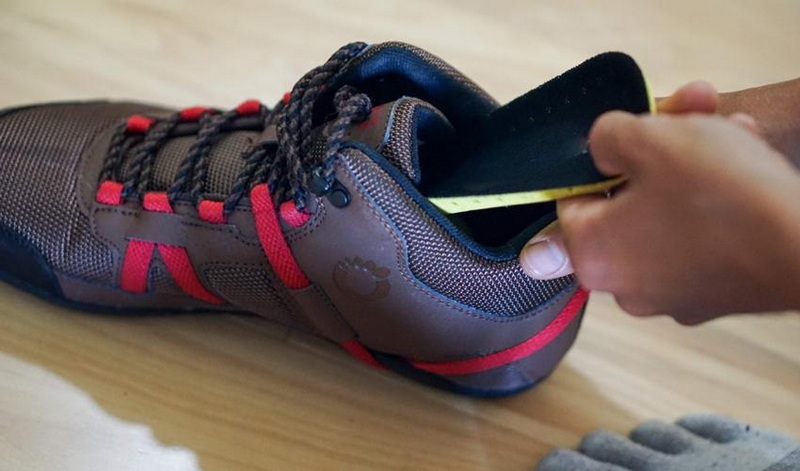
Follow these steps to ensure the best selection of shoe insoles for reducing shoe size:
1. Identify fit issues.
Is your shoe loose at the heel, wide at the front, or large overall?
2. Select insole material.
Foam for flexibility, gel for shock absorption, leather for firmness, or custom orthotics for accuracy.
3. Start moderately.
Avoid beginning with thick insoles. Gradually increase thickness to reach your desired tightness.
4. Measure and trim.
Most full insoles can be trimmed with scissors along provided guides to fit exact shoe contours.
5. Combine with other inserts.
Consider pairing a full insole with a heel liner or toe pad for targeted adjustment.
Testing different types allows you to find the best combination for both comfort and reduced shoe volume.
Adding shoe insoles is one of the most efficient ways to improve improperly fitting shoes. The main advantages include:
Looser shoes can cause slippage while walking. Insoles stabilize your feet and align balance points, reducing fatigue during long wear.
Quality foam or gel insoles absorb impact, preventing strain on heels and arches—especially helpful for daily walkers or runners.
A better fit reduces internal friction and deformation, preserving the shoe lining and structure over time.
Many modern insoles have antimicrobial and breathable properties that improve foot hygiene and prevent unpleasant smells.
Instead of discarding a slightly large pair of shoes, using insoles saves money while restoring usability.
For footwear brands, incorporating adjustable or replaceable insoles demonstrates product versatility, appealing to consumers who demand both performance and flexibility.
Follow this simple guide to properly insert insoles and achieve optimal results:
1. Remove existing liners. If your shoes have removable factory insoles, take them out before adding new ones.
2. Position the insole correctly. Ensure it lies flat without curling at the edges.
3. Test and walk. Check for snugness, comfort, and even pressure distribution.
4. Trim to fit. Follow cutting guidelines to match your shoe size.
5. Add additional inserts. Use heel grips or toe cushions for specific fit adjustments.
6. Allow break-in time. Insoles adapt to your feet after several hours of wear.
By following these steps, you'll achieve a secure, customized fit that feels natural and stable.
As one of China's leading insole manufacturers, our company supplies global brands, wholesalers, and producers with OEM and ODM shoe insoles. Working with a professional OEM partner ensures precision in materials, comfort performance, and sizing accuracy—all vital aspects for international footwear markets.
- Customized Fit Engineering: Designed precisely for your shoe molds and product line.
- Material Diversity: EVA, PU, latex, gel, or sustainable biodegradable materials.
- Brand Customization: Embossed logos, private labeling, and packaging options.
- Global Compatibility: Conformity with size systems such as EU, US, and UK.
- Quality Control: Strict production and durability testing standards.
By integrating OEM insole solutions, brands can enhance consumer satisfaction, minimize product returns, and reinforce a premium brand reputation. Offering proper shoe insoles not only improves comfort but also provides customers with the ability to fine-tune shoe fit themselves.
To maintain consistent shoe fit and hygiene, keep these practices in mind:
- Replace insoles every six months if worn daily.
- Air-dry them after each use to prevent odor buildup.
- Clean with mild soap and water; avoid machine washing.
- Do not layer multiple insoles—it restricts airflow and can cause sweating.
- Store shoes with support inserts or shoe trees to retain form.
These simple maintenance steps extend both insole and shoe lifespan while maintaining that perfectly snug fit.
Thicker doesn't always mean better. Overly thick insoles can cause crowding, leading to pain or circulation issues. Try moderate density first.
If the insole arch doesn't match your natural foot arch, it can create discomfort or cause long-term misalignment.
Old, compressed insoles lose volume, defeating their purpose of making shoes smaller. Refresh them regularly to maintain performance.
For heel grips or pads, weak adhesive may detach, shifting during movement. Always choose high-quality versions designed for active use.
Proper selection prevents discomfort and ensures insoles deliver their full fit-enhancing benefits.
While reducing shoe size is the main concern here, it's crucial not to overlook overall foot health. Correctly fitted insoles distribute weight evenly and align the foot's natural arch. They can help prevent common conditions such as plantar fasciitis, pronation imbalance, and arch collapse.
Insoles also help improve posture. By slightly elevating the heel and supporting the midfoot, they align the spine and hips for better walking dynamics. This is why athletes and professionals often use performance insoles even in perfectly fitting shoes.
For those who spend long hours on their feet—factory workers, retail staff, or healthcare professionals—shoe insoles provide cushioning that prevents fatigue and promotes better joint health.
In recent years, manufacturers have begun shifting toward eco-friendly materials in shoe insoles. EVA foam blended with plant-based compounds, bamboo charcoal for odor control, and recycled latex are now widely used.
These sustainable approaches not only reduce environmental impact but also appeal to eco-conscious consumers—making OEM partnerships even more strategic for footwear brands seeking greener reputations.
The blending of comfort, fit improvement, and sustainability makes next-generation insoles both functional and responsible.
Shoe insoles are powerful tools in achieving the right shoe fit. Beyond providing comfort and support, they play an essential role in adjusting size, correcting balance, and promoting long-lasting footwear performance. By occupying internal space within shoes, insoles effectively make shoes smaller, eliminating looseness or instability.
Whether you're a consumer trying to resize a favorite pair or a footwear brand designing for global markets, understanding the principles of insole design is key. Investing in the right shoe insoles—customized or OEM manufactured—ensures your shoes fit perfectly, feel better, and last longer.
A simple fit adjustment can make a world of difference for every step you take.
Contact us to get more information!
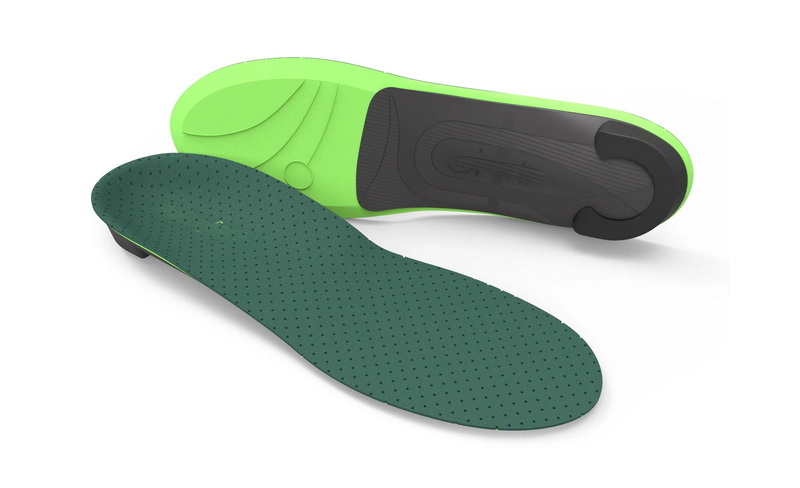
Depending on material thickness and density, insoles can make shoes about half to one full size smaller. Dense foam or orthotic models typically adjust more than thin cushion pads.
Yes. Most casual shoes, boots, sneakers, and formal shoes can accommodate insoles. However, very tight-fitting fashion shoes or open-heel sandals may not be compatible.
Layering insoles is not recommended as it restricts airflow and can create instability. Instead, combine a full insole with targeted toe or heel pads.
For regular daily use, replace shoe insoles every six to twelve months. When they flatten or lose elasticity, their fit-adjusting function decreases.
Absolutely. OEM or custom-designed insoles improve brand image, customization flexibility, and product comfort—all while ensuring consistent sizing accuracy for customers.
1. [American Podiatric Medical Association – Foot Health and Insoles](https://www.apma.org)
2. [Footwear Science Journal – Volume Fitting Dynamics](https://www.tandfonline.com/journals/tfws20)
3. [Healthline – Benefits of Insoles for Comfort and Fit](https://www.healthline.com)
4. [Sustainable Footwear Materials Research Institute – Insole Innovations](https://www.sfmri.org)
5. [National Shoe Retailers Association – Proper Shoe Fitting Guidelines](https://www.nsra.org)


