
Language
Views: 222 Author: Edvo Publish Time: 2026-02-12 Origin: Site


Content Menu
● Why Cleaning Leather Shoe Insoles Matters
● Understanding the Structure of Leather Insoles
● Step-by-Step Instructions: How To Clean Leather Insoles of Shoes
>> Step 1. Remove the Insoles (If Detachable)
>> Step 2. Wipe Off Surface Dirt
>> Step 3. Mix a Mild Cleaning Solution
>> Step 4. Gently Clean the Surface
>> Step 5. Remove Soap Residue
>> Step 7. Apply Leather Conditioner
● Additional Deep Cleaning and Odor Control Techniques
● Caring for Different Types of Leather Insoles
>> For Suede or Nubuck Leather Insoles
>> For Hybrid Leather-foam Insoles
● How to Maintain Leather Insoles Between Cleanings
● Mistakes to Avoid When Cleaning Leather Insoles
● When to Replace Leather Shoe Insoles
● The Connection Between Leather Insole Care and Foot Health
● How Often Should You Clean Leather Shoe Insoles?
● Professional and DIY Solutions: Which Is Better?
● Extending the Life of Leather Shoe Insoles
● FAQ about Cleaning Leather Insoles
>> 1. Can I wash leather insoles in the washing machine?
>> 2. How can I remove bad odor from leather insoles naturally?
>> 3. Is it necessary to condition leather insoles after cleaning?
>> 4. What's the best way to dry leather insoles quickly?
>> 5. How often should I replace leather shoe insoles?
Leather insoles are often found in premium footwear, designed to provide superior comfort, breathability, and support. Unlike synthetic materials, leather shoe insoles mold naturally to the shape of your foot, giving you a personalized fit and long-lasting comfort. However, their absorbent nature makes them vulnerable to sweat, moisture, and odor—and without proper care, leather can lose its softness, crack, or even develop mold.
Knowing how to clean leather insoles of shoes is therefore essential for anyone who wants to protect their investment and maintain personal hygiene. This comprehensive guide will take you through the cleaning process, from basic methods to professional care, as well as tips for odor removal, maintenance frequency, and long-term preservation of your shoe insoles.
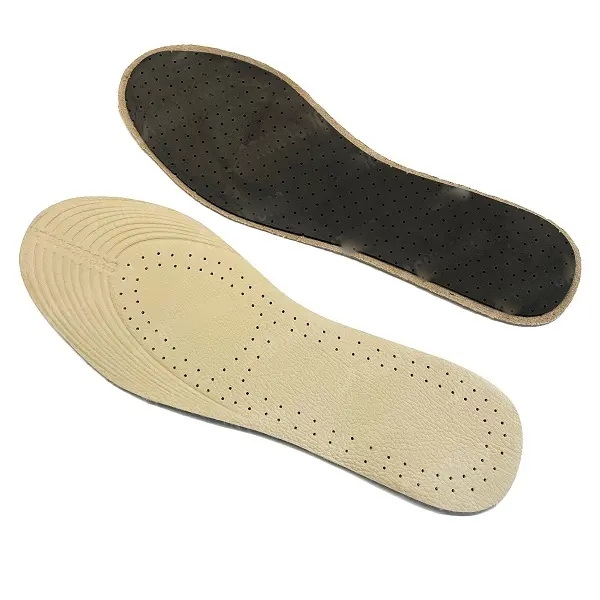
Leather is a natural, porous material that absorbs everything from sweat and salts to body oils. Over time, these substances accumulate, resulting in the following issues:
- Persistent odor caused by bacterial growth.
- Dark stains or discoloration on the surface.
- Cracking and stiffness due to loss of natural leather oils.
- A gradual decline in comfort and breathability.
Maintaining clean shoe insoles helps to prevent these problems while extending the lifespan of your favorite shoes. It also keeps your feet fresher and healthier—especially if you wear leather footwear daily for work or travel.
The cleaning technique depends on the leather type used in the insole. Typically, manufacturers produce three main kinds of leather shoe insoles:
- Full-grain leather insoles: Made from the highest-quality part of the hide, offering excellent durability and a natural texture.
- Top-grain leather insoles: More refined with a smooth finish and easier to clean, but slightly less breathable.
- Suede or nubuck leather insoles: Soft and textured but prone to absorbing more moisture and dirt.
Before cleaning, identify your insole type. A full-grain or top-grain insole tolerates gentle wiping, while a suede insole demands a more delicate approach using dry cleaning methods like specialized suede erasers or brushes.
Follow this detailed sequence to restore the freshness and comfort of your leather shoe insoles safely.
Take the insoles out of the shoes before cleaning. This step gives you complete access to all surfaces and prevents moisture from leaking into the shoe lining. If the shoe insoles are fixed, clean them gently in place using minimal moisture.
Brush away loose dust or debris using a soft cloth or a gentle brush. Removing surface particles before adding moisture helps you avoid scratching or embedding dirt into the leather.
Combine a few drops of natural soap or leather cleaner with lukewarm water. Avoid ammonia, bleach, or alcohol-based cleaners, as they can strip the material of color and protective oils.
Dampen a cotton cloth with your cleaning mixture, then wring it out thoroughly. Wipe across the leather in small circular motions, targeting soiled or sweaty areas. Never soak the insole—use just enough moisture to lift dirt.
After cleaning, use another damp (clean water only) cloth to wipe away any residual soap. This prevents sticky buildup or damage over time.
Lay the leather shoe insoles flat in a cool, ventilated area. Never use direct sunlight, radiators, or blow dryers. Natural drying ensures even moisture release and prevents cracking or warping.
Once dry, apply a small amount of quality leather conditioner. Gently buff the surface with a soft cloth until fully absorbed. This restores flexibility, protects the surface, and keeps the leather looking supple.
Even with regular cleaning, leather can hold lingering odors from constant wear. Try these deeper cleaning and deodorizing strategies:
- Baking soda treatment: Sprinkle baking soda evenly over the shoe insoles and leave it overnight. Wipe or brush off the powder thoroughly the next day.
- Vinegar-water mix: Combine equal parts white vinegar and water. Dampen a cloth with the solution and gently wipe to neutralize odors and kill odor-causing bacteria.
- Activated charcoal bags: Store shoes with small charcoal sachets or deodorizing inserts to prevent odor buildup between uses.
- Essential oils: Add a few drops of tea tree or eucalyptus oil to a damp cloth for a natural, antibacterial scent refresher.
These solutions keep your insoles smelling pleasant while maintaining the natural softness of leather.
Smooth leather surfaces, like those found in dress shoes, respond well to mild soap-and-water cleaning followed by conditioning. Regular use of a quality leather balm adds shine and resilience.
Avoid liquids. Instead, use a suede brush or eraser to remove dirt gently. If needed, very lightly mist with water and blot dry with soft paper towels. Allow the shoe insoles to air dry completely before wearing.
Some shoes combine leather tops with foam or latex bases. In these cases, avoid heavy saturation—wipe only the leather surface. Over-wetting can separate the layers or melt adhesives.
Daily and weekly habits greatly influence the lifespan of your leather shoe insoles. Follow these easy habits:
1. Allow shoes to breathe: Remove your shoes after use and let them air out fully before wearing again.
2. Use moisture-absorbing shoe trees: Cedarwood shoe trees are particularly effective for keeping shoe insoles dry and odor-free.
3. Wear clean socks: Cotton or bamboo socks reduce sweat contact and minimize bacterial buildup.
4. Wipe after heavy use: After long days or workouts, use a dry cloth to remove surface sweat or residue immediately.
5. Alternate footwear: Allowing your shoes to rest for 24 hours between wears lets leather shoe insoles fully dry out and regain shape.
These small efforts ensure your leather footwear stays fresh, structured, and comfortable.
Cleaning leather requires balance—too much moisture, friction, or harshness can permanently damage the material. Avoid these common mistakes:
- Soaking the insoles: Leather is not waterproof and can warp if fully submerged.
- Using bleach or strong detergents: They remove natural oils and leave the surface brittle.
- Skipping drying time: Wearing damp shoe insoles leads to odor recurrence and faster deterioration.
- Over-conditioning: Excess oils can clog the leather pores, reducing breathability.
- Heat drying: Direct heat sources harden and crack the leather fibers.
Gentle, consistent care outperforms aggressive cleaning every time.
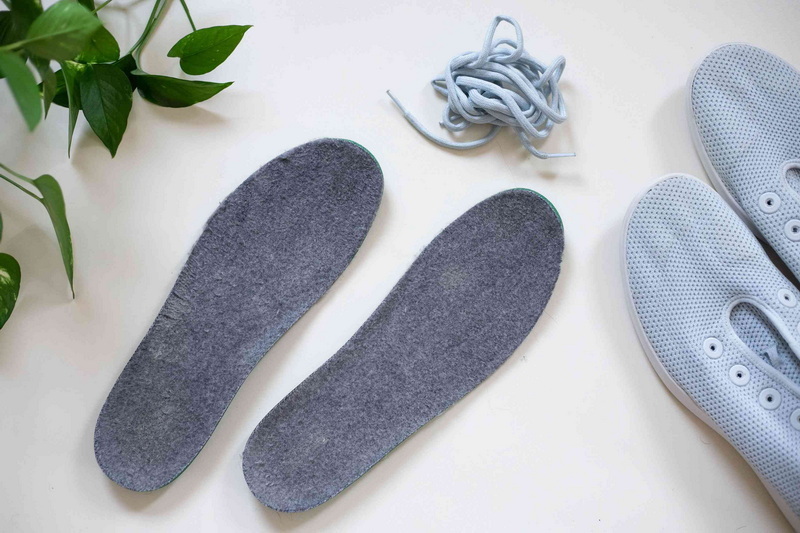
No matter how carefully you maintain them, all shoe insoles eventually wear out. Here are the main replacement indicators:
- Cracks or surface peel that cannot be restored with conditioner.
- Permanent odor despite thorough cleaning.
- Flattened padding resulting in reduced comfort.
- A slick, hardened texture that causes your foot to slip.
If your insoles reach this point, it's time to invest in new, high-quality replacements. Many OEM manufacturers produce custom leather shoe insoles tailored for perfect comfort, often made with moisture-resistant layers for durability.
Clean insoles contribute directly to better foot hygiene. Moisture trapped within shoes encourages bacterial and fungal growth, potentially causing athlete's foot or skin irritation. Properly maintained leather shoe insoles absorb perspiration while allowing airflow, minimizing odor and infection risk. Conversely, neglected insoles can harbor microorganisms that quickly spread from one pair of shoes to another.
Healthcare experts recommend routine preventive care: disinfect lightly with a natural alcohol-free spray or vinegar solution once every few weeks to maintain a healthy in-shoe environment.
In short, caring for your shoe insoles isn't just about extending their life—it's also about protecting the health of your feet.
Cleaning frequency largely depends on lifestyle and environmental conditions.
- Light-use shoes (occasional wear): Clean every 2–3 months.
- Regular daily wear: Wipe weekly and deep clean once a month.
- Hot or humid environments: Clean more frequently to prevent bacterial growth.
- Work and outdoor shoes: Rinse surface sweat or dust bi-weekly.
Consistency is key. A light wipe every few wears makes deep cleaning easier and keeps your shoe insoles from developing chronic odor or discoloration.
While home cleaning works for most shoes, some cases—such as luxury dress shoes or vintage leather footwear—may benefit from professional treatment. Professional cobblers or shoe-care labs use specialized pH-balanced products and drying chambers to clean and condition leather shoe insoles without risk of shrinkage.
For most users, a DIY approach combined with periodic professional care offers the ideal balance between affordability and long-term preservation. Investing in professional service once or twice a year can rejuvenate your shoes and save you from premature replacements.
A few proactive habits can dramatically increase how long your shoe insoles stay soft and odor-free:
- Store shoes with silica gel packs to absorb excess humidity.
- Apply a leather protector spray designed for breathable surfaces.
- Seasonally rotate insoles in frequently worn shoes.
- Inspect seams and stitches regularly for early signs of wear.
- Use removable liners (thin cotton or cork layers) to minimize direct contact between feet and leather.
Proper care transforms a good pair of shoe insoles into a lasting foundation for everyday comfort.
Knowing how to clean leather insoles of shoes is a simple but essential skill. With gentle care, your leather shoe insoles will maintain their comfort, freshness, and elegance for years. Always remember: clean with mild soap, dry naturally, and apply conditioner regularly. Good insole care keeps both shoes and feet healthy—ensuring every step feels as comfortable as the first.
Whether you prefer traditional polishing methods or modern natural cleaning solutions, the secret lies in consistency. Over time, your shoes will reward you with style, hygiene, and unmatched comfort.
Contact us to get more information!
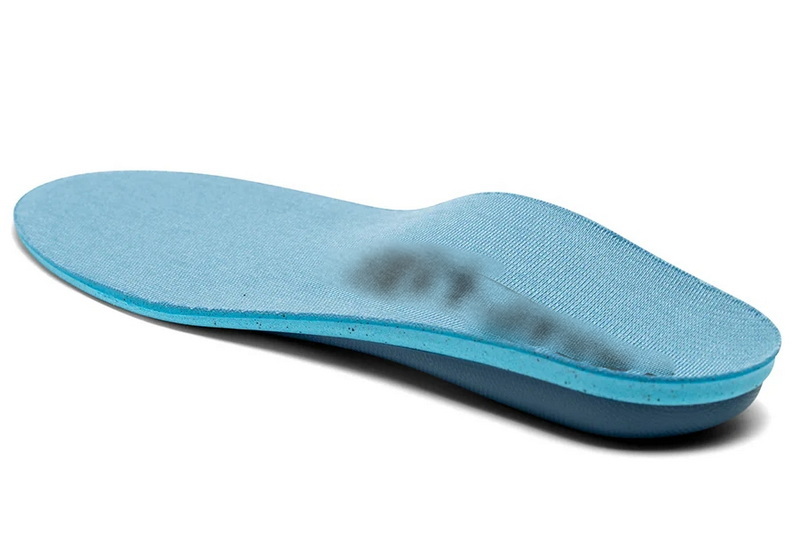
No. Leather cannot withstand the agitation and soaking that occur in washing machines. Always clean leather shoe insoles by hand with minimal water.
You can sprinkle dry baking soda on your shoe insoles, leave overnight, then brush it away. Vinegar-water mixtures or tea tree oil also help eliminate odors safely.
Yes, applying a small amount of leather conditioner restores natural oils that might be lost during cleaning. This prevents stiffness and cracking.
Air drying is best. Keep them in a shaded, ventilated area away from heat. Forced drying can distort the leather and reduce lifespan.
You should replace your shoe insoles once they lose structure or cushioning, develop cracks, or continue to smell after cleaning—typically every 6 to 12 months, depending on use.


