
Views: 222 Author: Edvo Publish Time: 2026-02-10 Origin: Site


Content Menu
● Why Cleaning Shoe Insoles Matters
● Understanding Different Types of Shoe Insoles
>> Foam Insoles
>> Gel Insoles
● Step-by-Step Process: How To Clean Dirty Shoe Insoles
>> Step 3: Make a Cleaning Solution
● How To Clean Leather Insoles Properly
● Deodorizing Shoe Insoles Naturally
● How Often Should You Clean Shoe Insoles?
● Mistakes To Avoid When Cleaning Shoe Insoles
● Advanced Tips for Maintaining Shoe Insoles
● When Cleaning Isn't Enough—Time to Replace
● Professional Cleaning vs. Home Cleaning
● Eco-Friendly Ways To Clean Shoe Insoles
● Preventive Care: How To Keep Insoles Cleaner for Longer
● Health Benefits of Clean Shoe Insoles
● FAQ: Shoe Insoles Cleaning Guide
>> 1. How often should I wash my shoe insoles?
>> 2. Can I wash shoe insoles in the washing machine?
>> 3. What's the best way to remove odor from shoe insoles?
>> 4. Can I use disinfectant sprays on shoe insoles?
>> 5. How can I tell when to replace my shoe insoles?
Keeping your shoe insoles clean is one of the simplest ways to maintain good foot hygiene, eliminate unpleasant odors, and extend the life of your footwear. Whether you wear running shoes, work boots, or casual sneakers, shoe insoles gradually accumulate bacteria, sweat, oils, and dirt. Left uncleaned, they can become breeding grounds for fungi and cause discomfort, foot odor, or even infections.
Fortunately, maintaining them is easy once you know the correct cleaning techniques. In this article, we will explain how to clean dirty shoe insoles step by step, discuss the best care routine for different materials, and share professional advice to keep your shoes fresh and healthy.
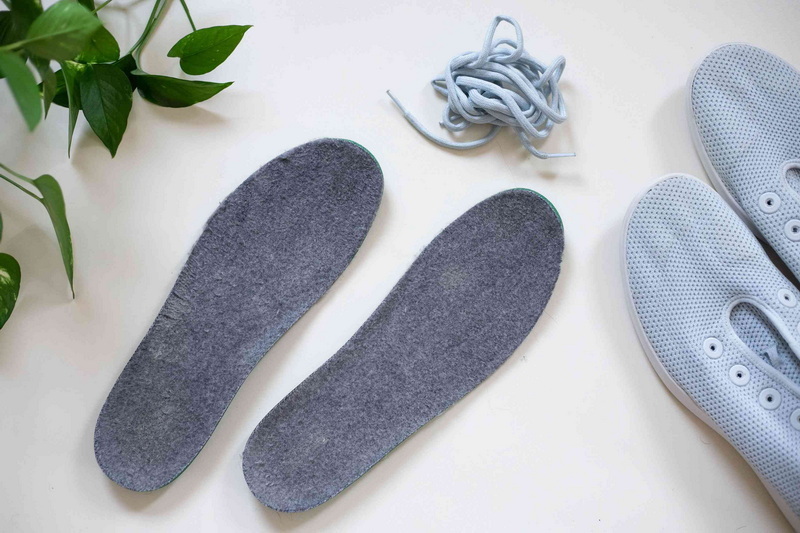
Most people clean the outer surface of their shoes frequently but forget to clean their shoe insoles. Yet, insoles are the part that stays in constant contact with your feet. They absorb perspiration, pressure, and friction every time you walk or run.
When bacteria feed on sweat and dead skin cells, they release unpleasant odors. Over time, this not only makes your shoes smell but also irritates your skin and may trigger conditions like athlete's foot. Regular insole cleaning prevents these issues by maintaining a sanitary environment inside your footwear.
Key benefits of cleaning insoles include:
- Removing sweat, dust, and oils that accumulate over time.
- Eliminating bad odors and bacteria.
- Preserving material strength and cushioning.
- Extending shoe lifespan and enhancing comfort.
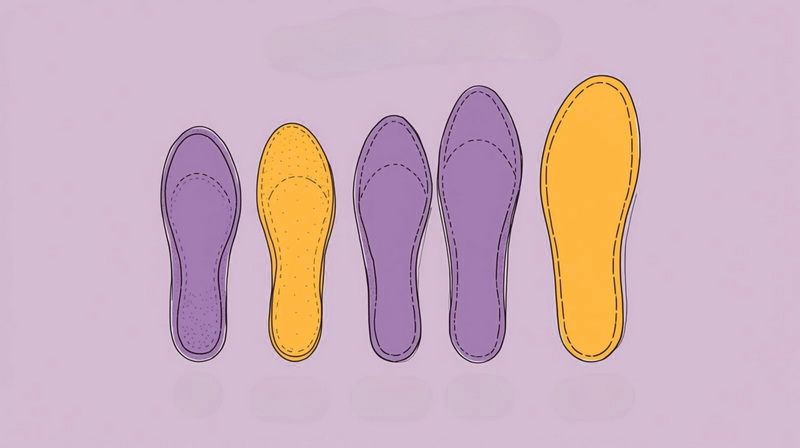
Before you start washing, identify the type of shoe insoles you have. Each material requires specific handling to maintain durability and effectiveness.
These are soft, lightweight, and often found in athletic shoes. Foam absorbs moisture easily, so deep soaking may lead to deformation. Instead, gentle hand-washing and thorough air-drying are best.
Gel insoles provide shock absorption and relief for people who stand long hours or suffer from joint pain. Clean them carefully using mild soap and lukewarm water. Avoid hot water, as it can damage the gel's structure.
Leather insoles are stylish and exceptionally durable but sensitive to moisture. Always clean them with a damp cloth and specialized leather cleaner. Afterwards, apply a leather conditioner to prevent cracking.
These are typically found in everyday shoes and can tolerate mild detergent and water. Ensure proper drying to avoid mildew or lingering smells.
Knowing the correct care for your insole type is the foundation of effective cleaning.
Cleaning shoe insoles doesn't take much time, but precision is essential. Here's the detailed approach to doing it right.
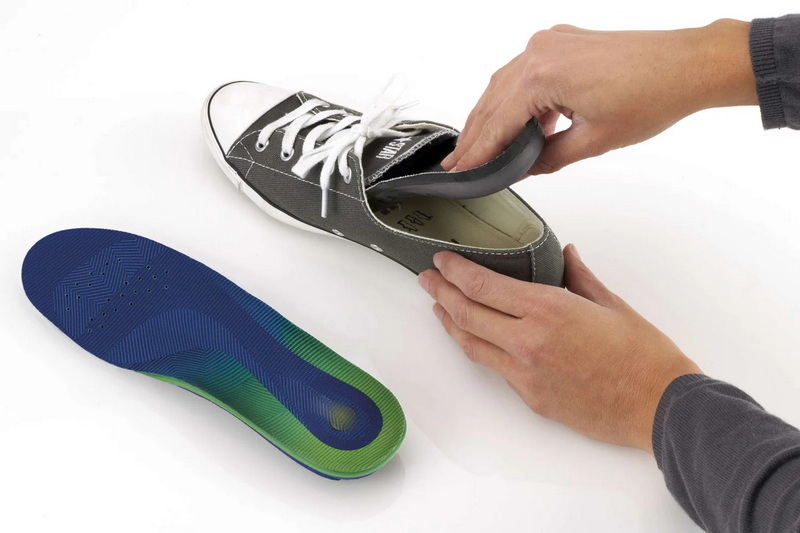
Pull the insoles gently out of your shoes. Cleaning them while still inside prevents proper drying and may cause mold to develop.
Before applying soap or water, brush off surface dirt using a soft-bristled brush or dry cloth. This removes debris like dust, gravel, or hair.
Prepare a bowl of warm water (not hot) and mix in a few drops of mild detergent or laundry soap. For stubborn odors, you can add half a teaspoon of baking soda to the mixture.
Dip a soft cloth, sponge, or toothbrush into the cleaning solution and gently scrub in circular motions. Focus on the heel and forefoot areas where bacteria often accumulate.
Once cleaned, wipe them with a clean damp cloth to remove soap residues. Avoid running them directly under water, as this may loosen the adhesive or warp delicate materials.
Lay your shoe insoles flat in a well-ventilated area. Allow them to air-dry fully before reinserting them into your shoes. Never use direct sunlight or a hairdryer, as the heat can damage foam or leather.
Leather insoles require extra care. To clean them:
- Mix a small amount of saddle soap or pH-balanced leather cleaner with water.
- Dampen a soft cloth and gently rub the surface to remove dirt.
- Wipe off soap with a clean cloth, then allow to air dry.
- Finally, apply a leather conditioner to maintain flexibility and a fresh look.
By cleaning your leather shoe insoles this way, you keep their elegant finish intact and improve durability.
Even after washing, some odors can linger because of bacteria living inside the material. Luckily, several natural remedies can eliminate these smells effectively:
- Baking Soda: Sprinkle a small amount over each insole and leave overnight. Shake it off the next morning.
- White Vinegar: Mix equal parts water and vinegar in a spray bottle, mist lightly, and air dry completely.
- Essential Oils: Add a few drops of tea tree, eucalyptus, or lavender oil to kill bacteria and leave a pleasant aroma.
- Cornstarch: It absorbs moisture and reduces odor if left on overnight.
These solutions keep your shoe insoles smelling fresh between full cleanings.
The right cleaning frequency depends on how often you wear your shoes and the level of physical activity.
- For daily use: clean every 2 weeks.
- For runners or athletes: clean weekly.
- For leather insoles in formal shoes: clean monthly or as needed.
Remember, shoe insoles should also be replaced every 6–12 months or when cushioning begins to flatten.
Improper cleaning can damage the structure or reduce the comfort of your shoe insoles. Avoid these common pitfalls:
- Soaking the insoles in very hot water.
- Using bleach, alcohol, or strong detergents.
- Wrinkling or twisting insoles during drying.
- Leaving them in direct sunlight or near heaters.
- Reinserting them into shoes before they're fully dry.
Gentle handling always produces the best results.
If you want your shoe insoles to last even longer, integrate these advanced care habits into your routine:
- Use moisture-wicking socks to reduce sweat absorption.
- Alternate shoes daily to allow insoles to air out.
- Store shoes in a cool, breathable place rather than closed cabinets.
- Use odor-absorbing inserts or activated charcoal sachets inside shoes overnight.
- Avoid barefoot use whenever possible, especially for athletic footwear.
These small daily actions drastically extend cleanliness and comfort.
Even with careful washing, all insoles eventually wear down. You'll know it's time for a replacement when:
- The material feels thin or uneven underfoot.
- Persistent odors return quickly after cleaning.
- Tears, cracks, or holes appear in the foam or fabric.
- Your shoes feel less supportive, leading to fatigue or pain.
For businesses, retailers, or brand owners, partnering with a professional shoe insole manufacturer can ensure access to durable OEM or custom-designed options suited for performance, fashion, or orthotic purposes.
Although home cleaning is effective, professional shoe care services use advanced technology such as antibacterial steam cleaning and pH-balanced drying. This is especially beneficial for high-end or orthopedic shoe insoles that require precise treatment. If you own premium leather, memory foam, or gel-based insoles, consider occasional professional care to maintain structure and performance.
Today, sustainability matters. Instead of using chemical cleaners, environmentally friendly alternatives are both safe and effective:
- Mix vinegar and baking soda to create a natural cleaning agent.
- Use plant-based detergents or mild castile soap.
- Repurpose old toothbrushes for scrubbing rather than using disposable tools.
- Air-dry outdoors in shade rather than using electricity-based dryers.
By cleaning consciously, you protect not just your shoe insoles but also the planet.
Prevention is always better than constant cleaning. Here are a few easy routines:
- Rotate shoes daily to let moisture evaporate.
- Sprinkle baby powder or baking soda inside shoes to keep them dry.
- Wipe off sweat after workouts before inserting insoles back.
- Line insoles with thin cotton covers if your feet sweat excessively.
- Store shoes properly, avoiding humid or closed spaces.
Such preventive habits ensure that your shoe insoles stay cleaner and more comfortable for months at a time.
Clean shoe insoles not only feel fresh but promote overall foot health. Regular maintenance provides these benefits:
- Reduces risk of fungal infections like athlete's foot.
- Prevents rashes and irritation caused by trapped moisture.
- Enhances comfort and stability when walking or exercising.
- Improves shoe ventilation and reduces bacterial growth.
- Extends the lifespan of both the insoles and the shoes themselves.
Maintaining clean insoles is an essential part of overall personal hygiene.
Knowing how to clean dirty shoe insoles properly can dramatically improve your comfort and shoe hygiene. By removing sweat, bacteria, and odors regularly, you ensure your footwear feels fresh and lasts longer.
Whether you use foam, leather, gel, or fabric shoe insoles, following correct cleaning methods and drying them properly will prevent deformation and keep your shoes odor-free. For business owners and brands, encouraging customers to care for their insoles properly also adds value and demonstrates product quality.
Clean insoles protect your feet, preserve your shoes, and provide lasting comfort every step of the way.
Contact us to get more information!
Typically, every one to two weeks for casual wearers and weekly for active users. More frequent cleaning prevents bacterial buildup and odor.
It's not recommended. Machine agitation and heat can distort foam, crack gel, or detach adhesive layers. Hand washing is always safer.
Use baking soda, white vinegar spray, or essential oils. Leave them overnight after treatment, then brush or wipe off and let air-dry.
Yes, mild disinfectant sprays work well, but avoid alcohol-heavy formulas. Always ensure the insoles are completely dry before reuse.
If they're flat, cracked, or still smell bad after cleaning, it's time for a new pair. Regular replacement keeps shoes comfortable and hygienic.


