
Language


Content Menu
● Understanding the Role of Shoe Insoles
● Different Types of Shoe Insoles
>> 3. Sports Performance Insoles
>> 4. Therapeutic or Orthotic Insoles
● Choosing the Right Material for Shoe Insoles
>> EVA Foam
>> PU Foam
>> Gel Insoles
>> Memory Foam
>> Leather
● Special Features To Consider
● Benefits of Using Quality Shoe Insoles
● Maintenance and Replacement Tips
● OEM Shoe Insole Manufacturing Advantage
● Factors to Avoid When Choosing Shoe Insoles
● Future Trends in Shoe Insole Development
● FAQ
>> 1. What are the best types of shoe insoles for daily wear?
>> 2. Can shoe insoles correct posture problems?
>> 3. How do I know if my insoles need replacement?
>> 4. Are custom insoles better than ready-made ones?
>> 5. How can I choose the right insole for my shoes?
Finding the right shoe insoles is more than a comfort choice—it's a key factor for foot health, performance, and shoe longevity. Whether you're a sports enthusiast, a worker who spends long hours standing, or someone seeking relief from sore feet, the right insoles can completely transform how your shoes feel and function.
For brands, wholesalers, and OEM buyers, understanding what defines a high-quality insole is also crucial. The right material, ergonomic design, and production technique ensure better customer satisfaction while enhancing product appeal in global footwear markets.
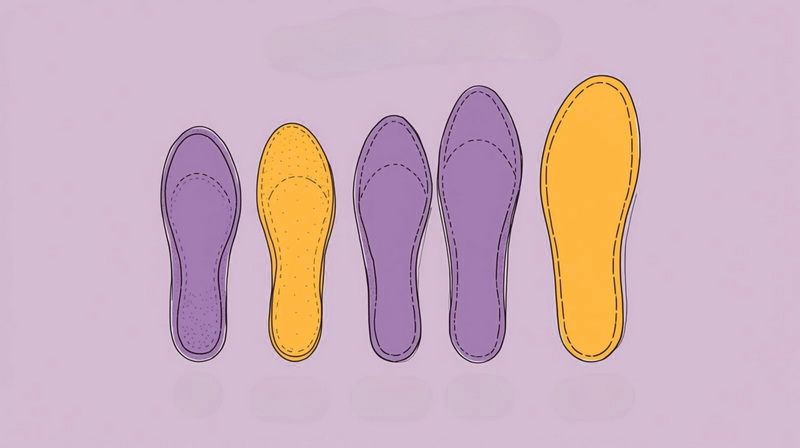
Shoe insoles are removable inserts placed inside shoes to improve comfort, stability, and performance. They serve as a protective layer that supports the natural contours of the foot, distributing weight evenly and absorbing the shock from daily movement.
Without proper insoles, your feet may suffer from fatigue, misalignment, and even long-term joint pain. Quality insoles not only cushion your steps but also promote healthy posture and balance.
In professional terms, insoles can be categorized by their function:
- Cushioning and comfort enhancement
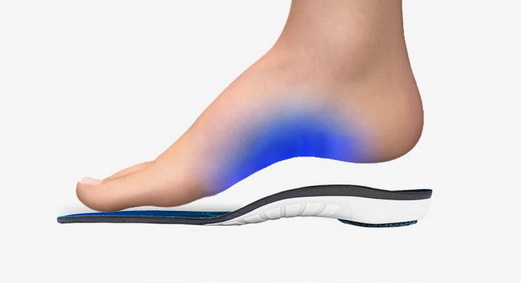
- Arch and heel support
- Pressure relief for medical or orthopedic needs
- Performance optimization for athletic footwear
In global shoe manufacturing, the demand for ergonomic and eco-friendly insole solutions is growing rapidly. Consumers now expect both luxury-level comfort and sustainability, pushing OEM suppliers to innovate with new materials and breathable, recyclable designs.
Choosing the right type depends on the user's needs, the shoe design, and the activity level. Below are the major categories of shoe insoles professionals and consumers should understand.
These focus on extra padding and shock absorption. Comfort insoles use materials like memory foam, EVA, or gel to provide instant relief for long walking or standing periods.
They are perfect for casual shoes, office footwear, or travel sneakers where users want soft support without affecting shoe fit.
Supportive insoles align your foot structure by stabilizing the arch and heel. They are especially valuable for users with flat feet or overpronation problems. Manufacturers often reinforce these insoles with firmer cores or TPU (thermoplastic polyurethane) shells to prevent excessive rolling of the foot.
Athletes require dynamic support and flexibility. Sports insoles enhance motion control and shock distribution during running, basketball, or tennis. They feature moisture-wicking fabrics, impact pads, and ventilation design to maintain coolness during intense activity.
These cater to medical conditions such as plantar fasciitis, arthritis, or diabetes. Crafted from medical-grade foam, silicone, or cork materials, they reduce stress on sensitive areas of the foot. Orthotics can be custom-made based on medical prescriptions for maximum comfort and pain relief.
Some insoles incorporate additional features such as height increase, massage textures, anti-odor technology, or thermal insulation. For OEM clients, specialty insoles offer higher market differentiation by blending fashion with functionality.
Material selection is essential for achieving the perfect balance between comfort, durability, and performance. Each material type used in shoe insoles offers unique properties.
EVA (Ethylene-Vinyl Acetate) is lightweight, flexible, and ensures excellent underfoot cushioning. It is ideal for everyday footwear or sports shoes needing impact absorption. EVA is also cost-effective and easily moldable, making it a top pick for large-scale OEM production.
Polyurethane (PU) foam offers stronger resilience than EVA and performs better under high load. It's preferred for industrial shoes or heavy-duty boots where stability and shock resistance are non-negotiable.
Gel-based insoles excel in shock absorption and personalized comfort. Their fluid-like composition conforms to your foot shape and reduces stress around the heel and arch.
This material provides customized comfort by reacting to body heat and pressure. It's ideal for casual and fashion shoes but less suited for high-impact sports because it can lose elasticity over time under extreme use.
Leather insoles give a luxurious feel and excellent breathability. They are naturally antibacterial and moisture-wicking, suitable for formal or business shoes that require both comfort and elegance.
Both are sustainable alternatives for eco-conscious brands. Cork offers firm support while maintaining a natural cushioning effect, whereas latex gives elasticity and softness, ideal for summer footwear.
By selecting materials carefully, shoe insole manufacturers can tailor products to specific market needs—be it orthopedic precision, athletic endurance, or fashion comfort.
Your arch shape determines the ideal level of support you need from an insole. There are three primary foot arch categories:
- Low Arch (Flat Foot): Requires structured insoles with firm arch support to control pronation and prevent ankle strain.
- Medium Arch: Benefits from balanced cushioning and flexible arch support suitable for most shoe types.
- High Arch: Needs softer padding with deeper heel cups to help distribute pressure evenly across the foot.
Identifying your arch type helps ensure the shoe insoles support your natural alignment, which reduces strain across your legs, knees, and back. Brands that educate consumers about arch matching often see stronger customer trust and fewer returns.
A perfect insole should complement—not compromise—the internal shape of your shoe. Improper fit can cause crowding, blisters, or reduced comfort.
Here are a few key fit guidelines:
- The insole should fit snugly without sliding inside the shoe.
- The heel cup must cradle your heel comfortably and align with your foot curve.
- Leave appropriate toe space to prevent friction or restriction during movement.
Trim-to-fit designs are now standard for many universal-size shoe insoles, allowing users to cut along size guides for precision. For OEM buyers, offering this adjustability increases versatility across international shoe sizes.
Contemporary consumers expect insoles to do more than cushion their feet. Here are some innovative features that manufacturers and buyers should value:
- Anti-bacterial coating: Prevents odor and builds hygiene.
- Moisture-wicking fabric: Keeps feet dry during extended wear.
- Heel stability cup: Supports alignment and minimizes impact shocks.
- Perforated ventilation channels: Improve airflow, reducing heat buildup.
- Energy-return foam: Enhances performance by returning energy during every stride.
- Eco-friendly materials: Recycled EVA or bio-based foams appeal to green-conscious markets.
By integrating these advanced elements, shoe insole producers not only boost functionality but also differentiate in competitive marketplaces.
Well-designed shoe insoles deliver a wide array of benefits extending beyond comfort:
- Reduces fatigue while standing or walking.
- Improves overall posture and body alignment.
- Minimizes stress on joints and lower back.
- Enhances athletic performance and endurance.
- Extends the lifespan of footwear by balancing wear.
For professional and industrial users, these benefits translate to higher productivity and fewer injury risks. For consumers, comfort and health combine to form long-term satisfaction—critical for brand reputation.
Caring for your shoe insoles correctly ensures hygiene and durability.
- Regular Cleaning: Hand-wash with mild soap and rinse in warm water. Avoid harsh detergents or soaking.
- Proper Drying: Air-dry naturally. Direct sunlight or heat can warp the material.
- Usage Rotation: If you own multiple pairs, rotate them to allow proper ventilation.
- Replacement Schedule: Recommended replacement every 6–12 months, depending on wear frequency.
For OEM retailers and distributors, emphasizing replacement cycles in marketing not only educates customers but increases product repurchase rates.
Partnering with a professional shoe insole manufacturer in China provides unmatched flexibility in product design, branding, and logistics. Reputable factories use advanced molding techniques, quality control processes, and custom branding options that international partners require.
Here are key advantages:
- Custom design and branding tailored for global footwear labels.
- Material options ranging from basic EVA to eco-friendly alternatives.
- Strict QC testing ensuring precision and durability.
- Scalable production for international demand and timely delivery.
- OEM/ODM flexibility letting you innovate without increasing factory costs.
As global consumers demand comfort-oriented and sustainable products, collaborating with a reliable OEM partner allows companies to deliver market-leading shoe insoles at competitive prices.
While many focus on materials and comfort, common mistakes can lead to poor results or wasted cost:
- Choosing insoles without knowing your arch type.
- Ignoring compatibility between shoe shape and insole thickness.
- Over-prioritizing price instead of ergonomic quality.
- Forgetting to replace worn-out insoles on time.
- Skipping professional consultation for medical conditions.
Avoiding these pitfalls ensures your investment genuinely supports performance and comfort.
The shoe insoles industry continues to evolve, combining technology, sustainability, and personalization:
- Smart insoles with pressure sensors now help track walking posture and athletic performance.
- Recyclable eco-foam materials are replacing petroleum-based compounds for environmental safety.
- 3D printed insoles enable custom-fit solutions at scale.
- Anti-fatigue technology is being integrated for industrial footwear.
By integrating these innovations, OEM and brand partners can stay ahead in an increasingly competitive international footwear market.
Selecting the ideal shoe insoles involves understanding anatomy, material science, and personal needs. From comfort and arch support to advanced breathable design, the right insoles transform ordinary footwear into performance gear.
For individuals, the benefit is clear—less fatigue, better posture, and improved mobility. For global shoe brands, the right supplier partnership ensures consistent quality, scalability, and consumer satisfaction.
By focusing on innovation, sustainability, and ergonomic design, top shoe insole manufacturers in China help exporters and brands deliver products that truly perform—step after step.
Contact us to get more information!
For everyday comfort, EVA or memory foam insoles are excellent options. They provide soft cushioning and lightweight flexibility suitable for casual and office shoes.
Yes. Quality insoles help align feet properly, which directly supports knee and back posture. Orthopedic or supportive insoles are ideal for posture correction.
If they lose shape, show drainage or odor, or reduce comfort, it's time to replace them. Frequent users should refresh them every 6–12 months.
Custom insoles provide maximum personalization, but high-grade OEM insoles with ergonomic design offer great comfort and performance for most users at lower costs.
Check your arch type, consider material preference, and match insole thickness to your shoe size. Always remember to test fit before trimming or extended use.


