
Language
Views: 222 Author: Edvo Publish Time: 2025-11-28 Origin: Site


Content Menu
● Understanding Your Foot Arch
>> Common Causes of Collapsed Arches
● Can Insoles Really Help Regain the Arch?
● Types of Insoles for Arch Recovery
>> Rigid and Semi-Rigid Support
>> Cushioned and Shock-Absorbing Insoles
>> Custom Orthotics and Quality Prefabricated Insoles
● Key Features to Look For in Arch-Support Insoles
>> Metatarsal Support and Forefoot Cushioning
>> Materials, Durability, and Breathability
● Step-by-Step: How To Regain Arch in Foot with Insoles?
>> Step 1: Assess Your Foot Type
>> Step 2: Choose Suitable Insoles for Your Needs
>> Step 3: Fit and Trim the Insole Correctly
>> Step 4: Break In the Insoles Gradually
>> Step 5: Combine Insoles with Arch-Strengthening Exercises
● Daily Habits That Help Your Arch Recover
>> Wear Supportive Footwear Consistently
>> Manage Activity Load and Body Weight
>> Replace Insoles on a Regular Schedule
● How Brands, Wholesalers, and Manufacturers Can Respond to Arch-Support Demand
● When to Seek Professional Help
● FAQ – How To Regain Arch in Foot with Insoles?
>> 1. How long does it take to see improvement in my arch?
>> 2. Can insoles permanently fix flat feet?
>> 3. Should I wear insoles all day or only during exercise?
>> 4. Do children need insoles to develop a healthy arch?
>> 5. What is the difference between basic foam insoles and high-quality arch-support insoles?
Using the right arch insoles together with simple daily habits can support weakened arches, reduce pain, and gradually help your feet return to a more natural, functional position. Insoles do not change bone shape, but they guide alignment, protect soft tissues, and allow your arch muscles to work more efficiently over time.
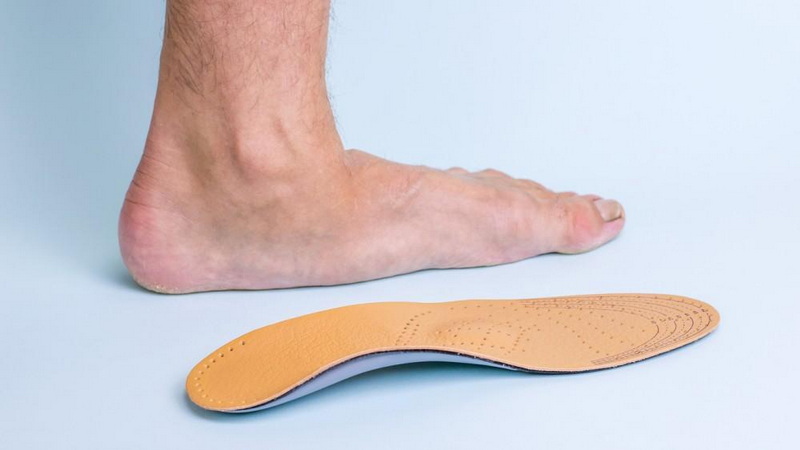
The foot arch is a complex structure made of bones, ligaments, tendons, and small muscles that work like a spring to absorb impact and stabilize your body. When this system is overloaded or poorly aligned, the arch may flatten and cause pain in the heel, midfoot, ankles, knees, hips, or lower back.
- Long-term overpronation, where the feet roll inward with each step.
- Standing or walking for many hours on hard surfaces.
- Obesity or rapid weight gain that increases pressure on the feet.
- Aging, which can weaken ligaments and reduce muscle tone.
- Previous injuries to the ankle, foot, or plantar fascia.
- Genetic factors, where some people are born with flatter feet.
Insoles cannot completely rebuild bone, but they can strongly influence how your feet function. By lifting and stabilizing the arch, a good insole guides your foot into a more neutral position, which reduces stress on the plantar fascia and supporting ligaments. Over time, this allows the small muscles of the arch to work in a healthier range and may help a flexible flat foot regain some height.
Insoles are most effective when the arch is flexible rather than completely rigid. They are especially useful for mild to moderate flat feet, early-stage overpronation, plantar fasciitis, and fatigue from long standing or walking.
Rigid insoles use firm plastic or composite shells to control foot motion and prevent excessive rolling inward. These are often recommended for serious overpronation, structural deformities, or post-surgical support. Semi-rigid insoles combine a supportive shell with cushioned foams, giving a balance of control and comfort for everyday walking and light sports.
Cushioned insoles rely on materials like EVA, PU foam, or gel to absorb impact under the heel and forefoot. They are ideal for people who stand all day, heavier users, and those with sensitive heels. While they may not control motion as strongly as rigid inserts, they protect the plantar fascia and help reduce pain, which makes it easier to stay active and perform strengthening exercises.
Custom orthotics are made using molds or scans of your feet and are designed by medical professionals for complex or long-term issues. High-quality prefabricated insoles from professional OEM manufacturers are designed around common arch shapes, with features like deep heel cups, firm midfoot support, and multi-layer cushioning. For brands, wholesalers, and manufacturers, these prefabricated solutions provide strong performance at a lower cost than fully custom devices.
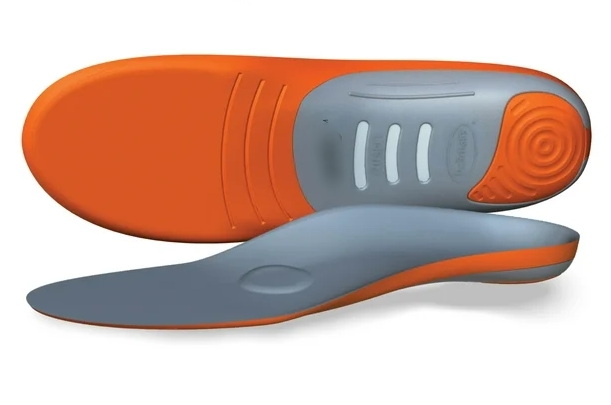
A deep heel cup cradles the heel bone and stops it from rolling inward or outward too much while walking. This stabilizes the rearfoot and aligns the ankle, which is the foundation for healthy arch mechanics. A secure heel cup is especially important for people with flat feet or overpronation.
The arch contour should follow the natural curve of the foot rather than being too high or too flat. A good arch support spreads pressure across the midfoot instead of focusing it on one painful point. The support should feel firm but slightly forgiving, providing a “lift” without creating sharp pressure or discomfort.
A gentle metatarsal pad or raised area behind the ball of the foot can help lift and spread the forefoot bones. This supports the transverse arch, reduces pressure on the metatarsal heads, and often improves comfort for people who feel burning or fatigue at the front of the foot.
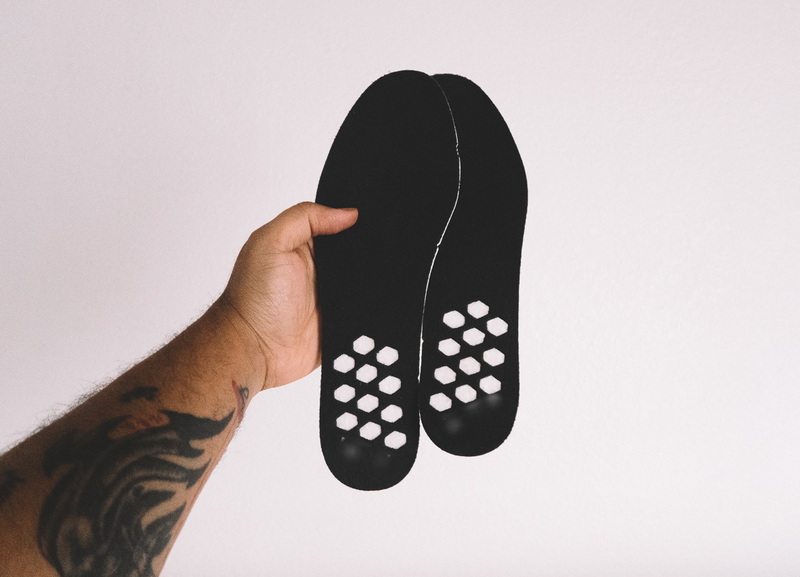
High-quality arch-support insoles use layered construction. A firm base provides structure, while softer top layers and covers offer comfort. Breathable fabrics and perforations in the foam help manage moisture and heat so your feet stay more comfortable during long wear. For daily or professional use, durability is crucial so the arch height and cushioning are preserved over many months.
Stand barefoot on a flat surface and look from behind or use a mirror. If the inner ankle leans inward and much of the arch touches the floor, you likely overpronate or have flat feet. If the arch is visible but not extremely high, you may have a neutral foot. Understanding your starting point helps you choose the right level of support and expectations for progress.
Match the insole to both your foot type and your lifestyle. People with flexible flat feet and mild pain usually do best with semi-rigid arch support and a deep heel cup. Those with severe overpronation or heavy body weight may need a firmer arch shell and extra heel cushioning. For sports activities, look for shock-absorbing forefoot cushioning and stable midfoot support to limit fatigue and reduce injury risk.
Most prefabricated arch-support insoles can be trimmed at the toe end. Remove the original insole from the shoe, use it as a template, and carefully cut the new insole to match. Place the insole firmly into the shoe, ensuring it lies flat with no curling or bulging at the edges. A proper fit is necessary for the arch support to sit in the correct position under your foot.
New arch supports can feel strange at first, especially if you have been using flat or worn-out insoles for years. Begin wearing them for one to two hours on the first day, then gradually add one or two hours each day. Within one or two weeks most people can wear their insoles all day with no discomfort. Mild muscle soreness is common initially, but sharp or worsening pain is a sign that the fit or support needs adjustment.
Insoles support your structure, and exercises strengthen the muscles that hold the arch. Together they provide the best chance to regain a healthy arch.
Simple exercises include:
- Short-foot exercise: Pull the ball of the foot toward the heel without curling the toes, hold for several seconds, then relax and repeat.
- Towel curls: Place a towel on the floor and use your toes to scrunch it toward you, which activates the intrinsic foot muscles.
- Heel raises: Stand with feet hip-width apart and slowly rise onto your toes, then lower with control to build calf and foot strength.
- Calf and plantar fascia stretches: Regular stretching reduces tension on the arch and makes it easier for the foot to move into a better position.
Practicing these exercises a few times per week, while wearing supportive insoles during daily activities, can noticeably improve arch strength and posture over a period of months.
Shoes with firm heel counters, stable midsoles, and enough internal volume to accept arch-support insoles help maintain correct alignment throughout the day. Very soft or unsupportive shoes can undo some of the benefits of good insoles, especially if you stand or walk on hard floors for long periods.
Excess body weight and sudden increases in standing or walking time add extra stress to the arch. Combining sensible weight management with supportive insoles and a gradual activity plan reduces overload and gives tissues time to adapt. This approach is important for long-term relief, not just short-term comfort.
Even high-quality insoles compress and lose resilience over time. For daily use, many people benefit from replacing insoles every six to twelve months, or sooner for heavy users or intense sports. When the cushioning feels flat or you can see the arch structure collapsing, performance will decline and it is time for a new pair.
As more consumers search for solutions to foot pain and ask how to regain arch in foot with insoles, the market for specialized insoles continues to grow. Brands can expand their product lines with targeted arch-support insoles for walking, running, work, and medical-use footwear.
By working with a professional OEM insole manufacturer, it is possible to develop complete collections with different arch heights, density combinations, and top-cover materials for various regions and customer groups. Wholesalers and distributors can then offer multiple price levels and performance grades to retailers, clinics, and online stores.
Customized OEM options can include:
- Specific arch profiles for low, medium, and high arches.
- Tailored softness levels for comfort, sports, or work boots.
- Branding on top covers and retail packaging to match a brand's identity.
- Region-specific size scales to fit local sizing standards.
This strategy allows businesses to meet rising demand for arch health products while adding real functional value for end users.
Insoles and exercises are highly effective for mild to moderate arch problems, but they are not a cure-all. It is important to consult a medical professional if you experience sudden arch collapse after an injury, severe or persistent pain that does not improve with support and rest, visible deformities, or symptoms such as numbness and burning.
A podiatrist, orthopedic doctor, or physiotherapist can assess your foot mechanics, recommend appropriate insoles or custom orthotics, and design a rehabilitation plan. Early professional evaluation is especially important for children with persistent flat feet, people with diabetes, and anyone whose work or sport places heavy demands on the feet.
Using the right insoles is one of the most effective ways to address the question of how to regain arch in foot with insoles. By selecting arch-support insoles with a deep heel cup, appropriate arch contour, and durable cushioning, then fitting and breaking them in correctly, you can relieve pain, improve alignment, and give the arch structures a chance to recover. When combined with simple strengthening exercises, supportive daily footwear, and sensible activity management, insoles help many people move from chronic discomfort toward stable, comfortable, and more naturally shaped arches. For brands, wholesalers, and manufacturers, high-quality arch-support insoles developed with a specialized OEM factory offer a powerful way to meet growing global demand for foot health products.
Most people notice reduced pain and better comfort within a few weeks of consistent insole use, while visible changes in arch height or posture often require several months. The exact timeline depends on your age, weight, level of activity, and how regularly you use both insoles and strengthening exercises.
Insoles cannot permanently change the bones of the foot, but they can significantly improve function, alignment, and comfort. In flexible flat feet, regular use of supportive insoles plus exercises may allow the arch to lift slightly and work more efficiently, while rigid deformities usually need ongoing support and sometimes medical intervention.
During the early stage of rehabilitation, wearing arch-support insoles during most weight-bearing activities gives the best results. Once symptoms improve and your arch is stronger, you may choose to wear insoles during work, long walks, or sports while occasionally going without them for short, low-intensity activities if recommended by a professional.
Many children appear to have flat feet in early years, and their arches develop as they grow. However, if a child shows pain, clumsiness, or obvious inward rolling of the ankles, insoles and early assessment can be helpful. A pediatric specialist or podiatrist can determine whether supportive insoles are appropriate and how long they should be used.
Basic flat foam insoles mainly add cushioning and tend to compress quickly, offering little control over foot movement. High-quality arch-support insoles are designed with anatomical arch curves, deep heel cups, and multi-density materials that stabilize the foot, distribute pressure more evenly, and maintain their shape for longer, resulting in better comfort and more effective arch support.


