


Content Menu
● The Science Behind Orthotic Support
● Key Benefits of Using Orthotic Insoles
● How To Choose The Right Orthotic Insoles
● Step-by-Step: How To Use Orthotic Insoles
>> Step 1: Remove Existing Insoles
>> Step 2: Align and Insert Properly
>> Step 3: Gradual Adjustment Period
>> Step 4: Pair With Supportive Shoes
>> Step 5: Monitor Fit and Comfort
>> Step 6: Maintain Cleanliness
>> Step 7: Replace When Needed
● Common Mistakes When Using Orthotic Insoles
● Everyday Tips for Maximizing Orthotic Benefits
● Advanced Care and Maintenance
● When to Seek Professional Help
● How Orthotics Improve Athletic Performance
● Orthotic Insoles for Specific Foot Conditions
>> Flat Feet
>> High Arches
>> Overpronation and Supination
● Realistic Wearing Habits for Long-Term Comfort
● Environmental and Durability Factors
● FAQ
>> 1. How long does it take to get used to orthotic insoles?
>> 2. Can I use orthotic insoles during sports or running?
>> 3. Should I wear socks with orthotic insoles?
>> 4. How do I know when to replace my insoles?
>> 5. Can orthotic insoles correct posture permanently?
Orthotic insoles have become a modern necessity for people seeking enhanced comfort, better posture, and long-term joint health. Whether you are an athlete pushing your limits, a professional standing all day, or someone experiencing recurring foot discomfort, these specialized inserts can completely transform how your feet feel and function.
Understanding how to use orthotic insoles correctly is key to achieving the best results. Improper placement or adjustment can cancel out the benefits, while correct usage can relieve pain, align posture, and prevent injury. This article will guide you through every step—from the science behind orthotics to fitting, care, and long-term usage tips.

Orthotic insoles, sometimes called orthoses, are supportive footbeds designed to correct biomechanical imbalances. Unlike regular foam insoles that mainly provide cushioning, orthotic insoles are engineered to realign how your foot interacts with the ground.
They are especially useful for people suffering from conditions such as plantar fasciitis, flat feet, heel spurs, overpronation, and even chronic lower back pain. By supporting the natural arch of the foot, they help distribute weight evenly and stabilize the heel, which reduces stress on bones, muscles, and ligaments throughout the body.
Modern orthotics are available in different materials such as EVA foam, polyurethane, memory foam, and thermoplastic elastomer. Some are pre-made for general use, while others are custom-molded by orthopedic or podiatric professionals to meet specific anatomical needs.
Your feet are the foundation of your entire body structure. Each step you take produces kinetic energy that travels upward through your ankles, knees, hips, and spine. If your feet are misaligned—even slightly—the shock absorption pattern becomes unbalanced. This imbalance can cause chronic pain, fatigue, or poor posture.
Orthotic insoles work by modifying the contact angle between your feet and the ground. They reposition your arches, guide heel motion, and improve the efficiency of force distribution. The result is smoother walking dynamics and less strain on connective tissues.
Furthermore, by enhancing proprioception (your body's ability to sense movement and position), orthotics promote better coordination and stability during physical activity. This is why both medical practitioners and professional athletes rely on them for training and rehabilitation.
The advantages of orthotic insoles extend beyond simply feeling comfortable. Some key benefits include:
- Enhanced posture and alignment – Proper insole support ensures correct alignment from your feet to your shoulders, reducing unnecessary stress on joints.
- Pain reduction – They ease discomfort in heels, arches, knees, hips, and even the lower back.
- Improved athletic efficiency – By optimizing ground contact, orthotics enhance running gait and energy transfer.
- Injury prevention – Reduced pressure and strain decrease the likelihood of overuse injuries like tendonitis or shin splints.
- All-day comfort – Orthotics minimize fatigue for people who stand or walk for extended hours at work.
- Balance correction – Ideal for elderly users, helping improve stability and reducing fall risks.
Selecting an orthotic that matches your specific needs is crucial. Using the wrong type may worsen symptoms or create new pressure points. Follow these steps to make the right choice:
- Identify your arch type. Flat feet, high arches, and neutral arches require unique support structures.
- Define your purpose. Choose according to activity—running, walking, work use, or medical support.
- Check your shoe compatibility. Some footwear, such as athletic or orthopedic shoes, easily accommodate full-length insoles, while formal or slim shoes may need ¾-length designs.
- Assess material and firmness. Firmer orthotics provide better structural correction, while softer ones increase comfort for sensitive feet.
- Consult a professional if uncertain. For chronic pain or foot deformities, a podiatrist can design custom orthotics tailored to you.
Before inserting new orthotics, take out your shoe's built-in insoles. Factory insoles lack precision support and can cause crowding if left inside. Removing them creates the proper space for your orthotic to fit securely and function as designed.
Slide the orthotic insole into your shoe with the heel seated firmly against the shoe's back and the arch lining up with the natural curve of your foot. Smooth out any folds and ensure the edges fit snugly without shifting when you walk.
Your feet and leg muscles need time to adapt to the corrected alignment. Start by wearing the orthotics for one to two hours daily, then increase gradually until you wear them full-time. This process helps the muscles and tendons recalibrate naturally, preventing soreness or fatigue.
Always choose shoes with a firm heel counter and removable insoles. Avoid using orthotics with footwear that is too tight, has high heels, or lacks proper support structure. A good shoe will complement the orthotic's function.
After inserting orthotics, stand evenly on both feet. Ensure your foot feels stable without rocking or slipping. If there's any discomfort around your toes or arch, trim the front edge slightly or consult your supplier for adjustment.
Over time, sweat and dirt accumulate on insoles. Wash them weekly with mild soap and lukewarm water, then air dry completely before placing them back. Avoid machines, heaters, or direct sunlight, which may warp the material.
No matter how durable, orthotic insoles gradually compress and lose shape. Replace them every six to twelve months, or sooner if you notice reduced support or visible wear patterns.
Even the best orthotic will be ineffective if used incorrectly. Avoid these frequent errors:
- Skipping the adaptation phase. Immediate full-day use may cause foot soreness.
- Mixing orthotics between shoe types. Each pair of shoes requires consistent fitting.
- Ignoring damage or flattening. Degraded materials no longer provide proper correction.
- Wearing them with unsuitable shoes. Poor footwear quality reduces their performance.
- Neglecting cleaning and care. Dirty or damp insoles can harbor bacteria and odor.
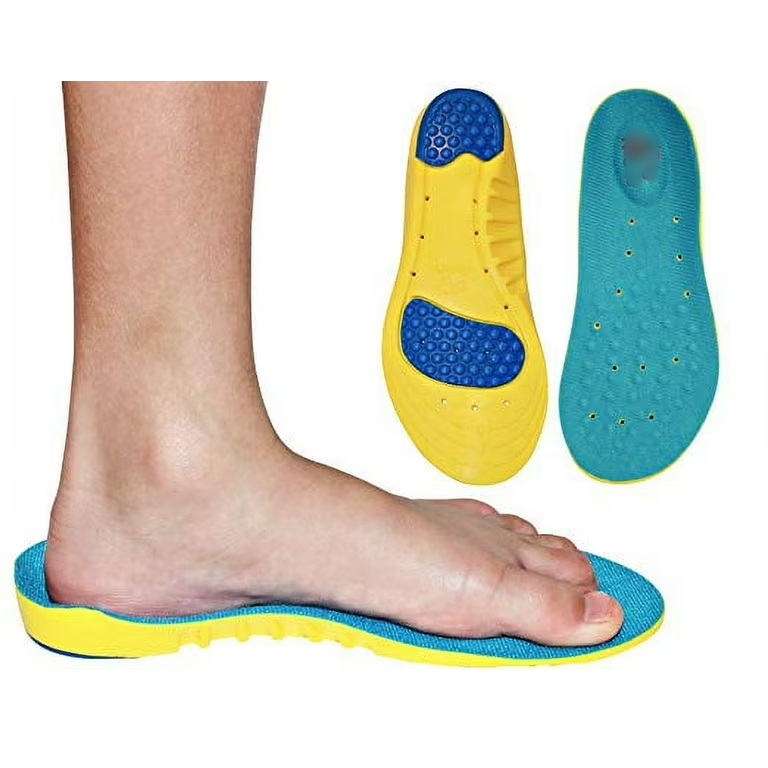
To fully enjoy what orthotic insoles can offer, combine their use with healthy daily habits:
- Wear moisture-wicking socks. They prevent slippage and keep feet dry.
- Stretch your legs daily. Focus on calves and arches to increase flexibility.
- Rotate footwear. Using multiple pairs of shoes allows airing time for your orthotics.
- Check insole position weekly. Ensure they haven't shifted inside your shoes.
- Stay active. Gentle exercise strengthens muscles around the foot structure.
- Monitor your comfort regularly. Any new discomfort could hint that the orthotic needs adjustment.
Proper maintenance preserves the function and hygiene of orthotic insoles:
- Wipe after daily wear with a clean, damp cloth to remove dust and sweat.
- Disinfect monthly using a mild antibacterial spray designed for footwear.
- Avoid soaking for long periods to prevent material weakening.
- Store in a ventilated area when not used, especially after exercise.
- Keep away from direct heat sources such as radiators or dryers to avoid deformation.
If your orthotics contain gel or air-cell layers, handle them carefully. Squeezing or folding them may create irreversible cracks, reducing their cushioning effect.
While orthotic insoles can relieve many common foot issues, there are cases when medical professionals should intervene. Consult a doctor or podiatrist if you experience:
- Persistent pain after two weeks of use.
- Severe heel spurs or chronic plantar fasciitis.
- Numbness, tingling, or swelling in your feet.
- Postural issues that affect knees, hips, or spine.
- Uneven wear on your shoes, indicating severe imbalance.
In such cases, custom orthotics made using a 3D foot scan may provide the precision support required.
Athletes often face repetitive stress injuries caused by uneven pressure during motion. Properly designed orthotics can enhance both performance and recovery by improving biomechanics. They stabilize foot placement during sprinting, maintain stride symmetry, and reduce energy loss caused by pronation or supination.
Additionally, orthotics promote faster recovery after training sessions by evenly distributing body weight and reducing micro-stress on tendons and joints. This not only improves overall efficiency but also minimizes the risk of overuse injuries common in high-intensity sports.
Orthotics for flat-footed individuals are built with strong medial arch support to lift the collapsed arch and reduce heel strain. They help prevent overpronation and improve balance.
People with high arches generally need softer, high-cushion insoles that absorb shock. Orthotics here act as shock absorbers, protecting knees and hips from impact stress.
For plantar fasciitis, orthotics should have deep heel cups and firm arch support to relieve tension on the plantar fascia ligament and promote even weight distribution.
These conditions involve excessive inward or outward rolling of the foot. Orthotic insoles with motion control features stabilize the heel and prevent uneven wear.
Orthotics for diabetic patients must prioritize softness and friction reduction to protect sensitive skin from ulcers or irritation.
When integrating orthotic insoles into your lifestyle, consistency matters more than duration. Wearing orthotics every few days provides limited benefits compared to daily usage. For best results:
- Use them in multiple shoe types, provided they fit correctly.
- Replace shoes that have worn-out soles since poor shoes cancel correction benefits.
- Avoid walking barefoot for long periods if the foot requires orthotic correction.
- Perform occasional self-checks: stand barefoot and observe whether body weight feels balanced.
Your comfort will increase gradually as your muscles adapt and alignment improves.
Temperature and moisture can influence the lifespan of orthotic materials. High humidity accelerates foam breakdown, while freezing conditions can cause rigidity in thermoplastic-based insoles. To preserve material integrity:
- Keep orthotics indoors when not used.
- Dry them naturally after rain or sweat exposure.
- Choose water-resistant materials for outdoor use.
- Avoid chemical cleaners or alcohol sprays that degrade protective coatings.
Proper environmental care enhances the durability of your orthotics, ensuring consistent support month after month.
Using orthotic insoles effectively requires more than just placing them inside your shoes—it is about understanding their design, purpose, and care. These inserts support your arches, balance your movements, and protect your feet from chronic strain. With correct selection, gradual adaptation, and regular maintenance, orthotics can dramatically improve your posture, performance, and daily comfort.
Whether you are addressing a specific foot condition or proactively aiming for better ergonomics, quality orthotic insoles are an investment in long-term health. Treat them as vital tools for your mobility and wellbeing, and your feet will carry you effortlessly through every step of life.
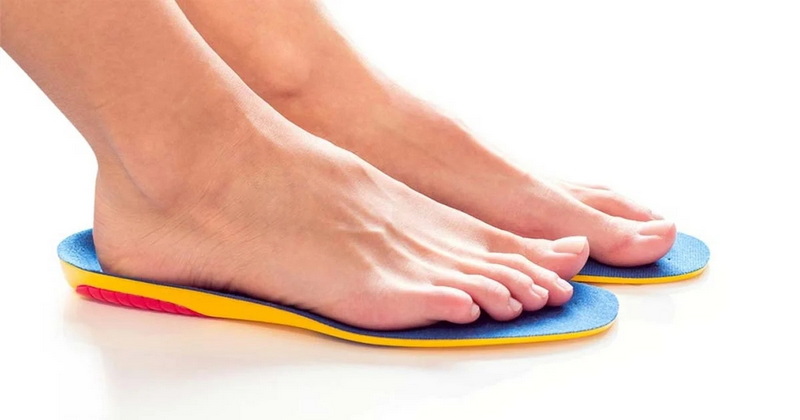
Most people adjust within one to two weeks. Start with short wear times and gradually increase duration daily until your feet feel fully comfortable.
Yes, as long as they are designed for high-impact use. Athletic orthotics are lightweight yet supportive, ideal for running, basketball, or tennis.
Wearing socks is recommended to reduce friction and moisture. Breathable, moisture-wicking socks keep feet cooler and extend orthotic life.
If the material feels flat, cracked, or your heel slips more easily, it's time for a replacement. Most insoles last between six months to a year of regular use.
While insoles improve alignment and reduce pain, they do not permanently change bone structure. Long-term improvement comes from consistent wear and supportive footwear.


