
Views: 222 Author: 3BU Technology Publish Time: 2026-05-05 Origin: Site


If your feet hurt, your knees feel tight, or your lower back is always sore after a long day, there is a good chance your foot alignment is part of the problem. Foot pronation and supination sound technical, but understanding them is the key to choosing the right insoles for your foot alignment and long‑term comfort. [footlevelers]
As an insole product engineer working with global brands and podiatrists, and as someone who has personally struggled with overpronation during long factory and trade‑show days, I have seen how the right insole can quietly transform how a body feels from the ground up. This guide combines real‑world experience, current industry best practices, and biomechanical insights to help you choose smarter—whether you are a brand owner, wholesaler, or simply someone who wants to walk without pain. [aetrex]
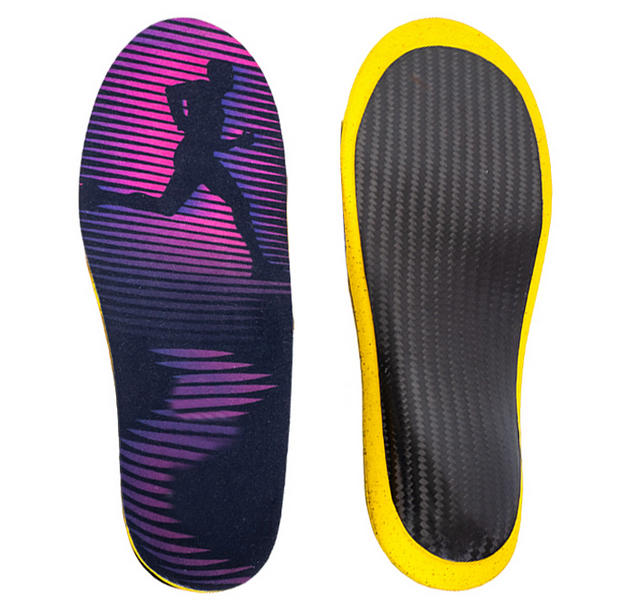
Pronation and supination describe how your foot rolls when it hits the ground. A small amount of both is natural and necessary; problems start when the motion is excessive or poorly controlled. [powerstep]
- The heel strikes the ground, then the foot rolls slightly inward.
- Weight spreads across the middle of the foot, helping absorb shock and adapt to uneven surfaces. [footlevelers]
- The foot then stiffens again to push you forward efficiently. [superfeet]
- The arch collapses too far inward after heel strike.
- The ankle and knee rotate inward, increasing strain on ligaments, tendons, and joints. [aideastep]
- Over time this may contribute to plantar fasciitis, shin splints, knee pain, and even hip or back discomfort. [redi-thotics]
- The foot stays too rigid and rolls outward, loading the outer edge of the foot.
- Shock absorption is poor, so more impact is transmitted up the leg. [samuraiinsoles]
- Supination is often linked to ankle sprains, stress on the outer knee, and pain under the ball of the foot. [yoursole]
While only a clinician or gait lab can give a definitive diagnosis, simple at‑home checks can give you a strong hint. [blog.anodyneshoes]
- Overpronation: Heavy wear on the inner edge of the heel and forefoot. [powerstep]
- Supination: Heavy wear along the outer edge of the sole, especially the outer heel. [samuraiinsoles]
- Neutral: Wear is more centered across the heel and ball of the foot. [blog.anodyneshoes]
- Place a piece of cardboard on the floor.
- Wet the bottom of your foot and step onto the cardboard.
- Compare the footprint:
- A very full footprint with little inward curve usually suggests overpronation/flat feet.
- A very narrow mid‑section with lots of empty space often indicates high arches and supination. [aetrex]
If you regularly experience any of the following, misalignment may be a factor: [drleecohen]
- Heel pain in the morning
- Pain along the inner side of the knee or shin
- Frequent ankle sprains or "rolling" your ankle outward
- Tight calves and lower‑back fatigue after standing all day
If symptoms are persistent or severe, see a podiatrist or sports medicine professional for a proper assessment. [drleecohen]
Your feet are the mechanical foundation of your body. When that foundation tilts inward or outward, the rest of the body quietly compensates. [footlevelers]
Misalignment from overpronation or supination can:
- Increase stress on the plantar fascia, Achilles tendon, and ankle ligaments. [samuraiinsoles]
- Alter knee tracking and hip alignment, raising the risk of overuse injuries. [drleecohen]
- Reduce shock absorption, so more impact reaches your knees, hips, and lower back. [superfeet]
Well‑designed supportive insoles can stabilize the foot, improve alignment, and help restore efficient movement. This is why many podiatrists consider orthotic support a non‑negotiable part of managing chronic foot and lower‑limb problems. [samuraiinsoles]
High‑quality insoles do much more than add cushioning. They provide structured support at key points to guide your foot into a more neutral position. [superfeet]
- Deep heel cup: Cradles the heel to keep it from rolling excessively inward or outward and improves rearfoot stability. [redi-thotics]
- Arch support: Helps the foot maintain its natural shape for better weight distribution and shock absorption. [aetrex]
- Medial posting (for pronation): Firmer support along the inner edge to resist arch collapse. [powerstep]
- Targeted cushioning (for supination): Extra cushioning under the heel and forefoot to absorb impact for rigid, high‑arched feet. [yoursole]
- Appropriate flexibility: The insole should support without forcing your foot into an unnatural position. [yoursole]
The goal is not to "lock" your foot, but to guide it back toward healthy, controlled motion with each step. [footlevelers]
If you overpronate, your arch tends to collapse inward, so you need stability and motion control rather than soft, unstructured cushioning. [redi-thotics]
Key features for pronation‑control insoles:
- Firm arch shell: To prevent the arch from collapsing and to support the midfoot. [samuraiinsoles]
- Deep, stabilizing heel cup: Keeps the heel centered, reducing inward roll. [aetrex]
- Medial (inner) arch support or posting: Adds targeted resistance against overpronation. [powerstep]
- Moderate cushioning: Enough comfort for long days on your feet without compromising support. [redi-thotics]
These models work especially well for:
- Flat feet or low arches
- Plantar fasciitis associated with overpronation
- Workers standing on hard floors in warehouses, factories, or retail environments [samuraiinsoles]
For supination, the challenge is almost the opposite. Your foot is often too rigid, with weight riding along the outer edge. Adding a very hard, aggressive arch support to an already rigid foot can actually make things worse. [samuraiinsoles]
Key features for supination‑friendly insoles:
- Strategic cushioning: Especially under the heel and forefoot to absorb high impact loads. [samuraiinsoles]
- Supportive but not rigid arch: A dynamic arch that flexes with the foot, promoting more natural pronation without forcing it. [yoursole]
- Balanced heel cradle: Enough structure to keep the heel from tipping outward, but not so stiff that it blocks motion. [samuraiinsoles]
- Lateral (outer) shock absorption: Materials that protect the outer knee, ankle, and fifth metatarsal area from repeated stress. [superfeet]
These insoles are ideal for:
- High‑arched feet with outer‑edge shoe wear
- Runners who consistently sprain ankles or feel impact in knees and hips
- People who feel "hard shocks" up the leg when walking on concrete [yoursole]
Even the best insole fails if it does not work with your shoes. You should align insole design with both your activity level and footwear type. [blog.anodyneshoes]
- Work boots and safety shoes: Choose low‑profile insoles with a firm arch shell and deep heel cup to maintain structure inside heavy footwear. [redi-thotics]
- Sneakers and trainers: Look for a balanced mix of cushioning and motion control, especially for all‑day standing or running. [samuraiinsoles]
- Dress shoes and loafers: Use slimmer profiles with a supportive but thinner arch to avoid crowding the toe box. [redi-thotics]
- Sports‑specific footwear: For running, hiking, or court sports, prioritize shock absorption and alignment to handle repetitive impact and quick changes of direction. [nytimes]
- All‑day standing or walking: Emphasize arch support, heel stabilization, and durable cushioning to reduce fatigue. [footlevelers]
- High‑impact sports (running, basketball, tennis): Combine strong rearfoot control with targeted forefoot cushioning to protect joints. [nytimes]
- Casual use: A moderately supportive, comfortable insole is usually enough if you have no major symptoms. [blog.anodyneshoes]

Use this simple framework whether you are selecting insoles for yourself or designing a custom OEM program for your customers.
1. Identify your foot type.
- Check your arch (flat, neutral, high) and your shoe wear pattern as described earlier. [powerstep]
2. Define your main problem.
- Pain location (heel, arch, ankle, knee, back), frequency, and when it appears (morning, during running, after work). [aetrex]
3. Choose an insole category.
- Stability/Support insoles for overpronation and flat feet.
- Cushioning‑plus‑support insoles for supination and high arches. [superfeet]
4. Match insole thickness to your shoes.
- Bulky insoles in tight shoes will change fit and may create new pressure points. [samuraiinsoles]
5. Test and adjust.
- Try the insoles for short periods first, then extend to full‑day wear.
- Mild muscle fatigue is normal as your body adapts; sharp pain is not—adjust or consult a professional. [drleecohen]
Off‑the‑shelf insoles work well for many people, but some situations require more precision. Custom orthotics, often prescribed by a podiatrist, use 3D scanning or molds to match your foot shape and gait. [youtube]
Custom solutions are especially useful when:
- You have complex deformities, long‑standing injuries, or diabetic foot concerns.
- Multiple off‑the‑shelf insoles have failed to relieve pain.
- You are a high‑performance athlete with very specific biomechanical demands. [drleecohen]
Advanced orthotics can:
- Stabilize all three arches of the foot.
- Improve weight distribution and shock absorption.
- Enhance alignment from feet to spine to reduce long‑term strain. [footlevelers]
For many users, a well‑designed premium insole offers an excellent balance between performance, comfort, and cost, while custom orthotics serve those with more complex clinical needs. [superfeet]
From an industry standpoint, the global insole market is shifting toward more segmented, problem‑oriented products: separate lines for pronation, supination, plantar fasciitis, work safety, and sports performance. This creates a huge opportunity for brands, importers, and wholesalers who want to launch or upgrade their own insole lines. [nytimes]
Working with an experienced insole OEM manufacturer allows you to:
- Develop foot‑type‑specific collections (overpronation, supination, neutral).
- Customize materials (EVA, PU, gel, fabric, antimicrobial covers) and hardness levels to match target users and price points. [insolemaker]
- Integrate brand‑specific designs, colors, and packaging while relying on proven biomechanical constructions. [insolemaker]
- Scale reliably with consistent quality thanks to industrial‑grade facilities and quality systems. [insolemaker]
3BU Technology is a China‑based insole manufacturer founded in 2013, operating a modern production facility in Dongguan, one of the world's leading manufacturing hubs. Over more than a decade, the company has specialized in OEM and private‑label insoles for international brands, wholesalers, and footwear producers looking for reliable, high‑performing foot‑care solutions. [insolemaker]
With experience across custom EVA insoles, PU insoles, sports insoles, and corrective orthotic designs, 3BU can help you build product lines tailored to pronation, supination, and different arch types. From mold opening and material selection to logo printing and packaging, the focus is on providing end‑to‑end support so your brand can deliver insoles that truly improve foot alignment and user comfort. [insolemaker]
If you are developing or upgrading your insole range, partnering with an OEM that understands both biomechanics and mass‑production realities lets you bring evidence‑based, market‑ready insoles to your customers with less trial and error. [insolemaker]
Aspect | Overpronation Insoles (Support) | Supination Insoles (Cushioning + Support) |
|---|---|---|
Typical Foot Type | Flat or low arch, inward collapsing motion powerstep | High arch, rigid foot, outward roll samuraiinsoles |
Main Goal | Limit excessive inward roll, stabilize arch powerstep | Improve shock absorption, encourage gentle inward roll samuraiinsoles |
Key Features | Firm arch shell, deep heel cup, medial posting redi-thotics | Cushioned heel/forefoot, flexible arch, softer heel cradle yoursole |
Best For | Plantar fasciitis from flat feet, knee‑in alignment footlevelers | Frequent ankle sprains, outer‑edge wear, high‑impact sports samuraiinsoles |
Shoe Types | Work boots, everyday sneakers, support‑focused footwear redi-thotics | Running shoes, trainers, cushioned casual shoes nytimes |
If you are a brand, wholesaler, or footwear producer, your customers are already searching for "insoles for overpronation" and "insoles for high arches and supination"—often after trying cheap flat inserts that did not work. This is your chance to stand out with professionally engineered, foot‑type‑specific products. [nytimes]
Whether you want a single hero product or a complete alignment series, 3BU Technology can help you translate biomechanical principles into differentiated insoles that people actually feel the difference in. [insolemaker]
Ready to develop your own pronation and supination insole range?
Collaborate with an experienced OEM partner to design, prototype, and scale high‑performance insoles tailored to your market and brand positioning. [insolemaker]
1. Can the same insole help both pronation and supination?
In most cases, no—overpronation and supination have opposite mechanical issues, so they usually need different support profiles. However, some neutral‑support insoles with balanced cushioning and moderate arch support can work reasonably well for mild deviations in either direction. [blog.anodyneshoes]
2. How long does it take to feel a difference with new insoles?
Many people notice improved comfort within a few days, but your muscles and joints may need 1–3 weeks to fully adapt. It is best to increase wear time gradually, especially if you are correcting long‑standing alignment issues. [drleecohen]
3. How often should insoles be replaced?
For daily use, most insoles last around 6–12 months, depending on body weight, activity level, and material quality. If you see visible deformation, compressed cushioning, or feel the support "disappear," it is time to replace them. [nytimes]
4. Are aftermarket insoles better than the ones that come with my shoes?
Factory shoe inserts are often thin and mostly focused on low‑cost comfort rather than real support. Upgrading to purpose‑built insoles designed for pronation or supination can significantly improve alignment, comfort, and durability. [powerstep]
5. Should I see a doctor before buying insoles?
If you have severe pain, a history of injuries, diabetes, or circulation problems, it is wise to consult a podiatrist or healthcare professional first. For mild to moderate discomfort without underlying medical conditions, high‑quality insoles are a practical first step that often brings meaningful relief. [aetrex]
- Foot Levelers – "The Biomechanics of Custom Orthotics" (on arch support and full‑body alignment)
[https://www.footlevelers.com/blog/biomechanics-of-custom-orthotics] [footlevelers]
- PowerStep – "Types of Pronation, Causes & Supportive Orthotic Insoles" (on pronation types and insoles)
[https://powerstep.com/pages/overpronation-vs-underpronation] [powerstep]
- Samurai Insoles – "Overpronation vs Supination: Real‑World Solutions Guide" (on supination challenges and support strategy)
[https://samuraiinsoles.com/blogs/articles/overpronation-vs-supination-real-world-solutions-guide] [samuraiinsoles]
- SOLE – "The Best Insoles for Supination" (on dynamic arch support for supination)
[https://yoursole.com/blog/ca/best-insoles-supination] [yoursole]
- Aetrex – "Best Insoles for Supination and Plantar Fasciitis" (on heel cup, arch support, and plantar fascia relief)
[https://www.aetrex.com/blogs/aetrex-blog/insoles-for-supination-plantar-fasciitis] [aetrex]
- Redi‑Thotics – "How to Choose Insoles for Pronation" (on core features for pronation control and shoe matching)
[https://redi-thotics.com/insoles-for-pronation/] [redi-thotics]
- Samurai Insoles – "How to Choose the Right Insoles for Your Feet" (on arch support and plantar fasciitis guidance)
[https://samuraiinsoles.com/blogs/articles/how-to-choose-the-right-insoles] [samuraiinsoles]
- Superfeet – "Supination 101: Why the Right Insoles Matter for Your Foot Health" (on gait cycle and high‑arch support)
[https://www.superfeet.com/blogs/foot-health-podiatry/supination-101-why-the-right-insoles-matter-for-your-foot-health] [superfeet]
- Anodyne Shoes – "What Type of Insole Is Best For You?" (on arch types and activity considerations)
[https://blog.anodyneshoes.com/skeptical-about-custom-insoles-read-this-first-0-0] [blog.anodyneshoes]
- 3BU (Insole Maker) – Company profile (on OEM/ODM capabilities and manufacturing experience)


